高性能膜材

Search documents
中仑新材首个海外生产基地投运
Zhong Guo Hua Gong Bao· 2026-02-03 04:27
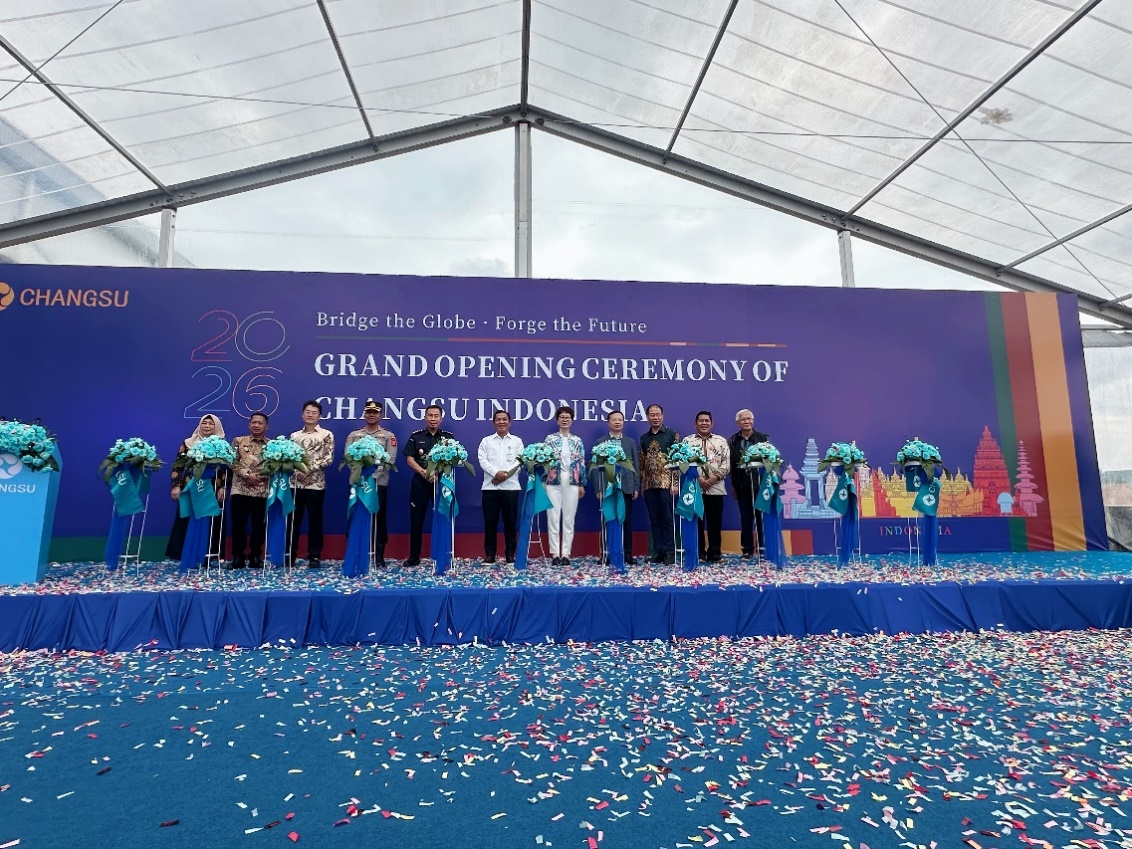
Core Insights - Fujian Zhonglun New Materials Co., Ltd. has officially launched its first overseas production base in Indonesia, marking a significant milestone in the high-performance film material industry in China [1] - The new facility, located in the Suryacipta Industrial Park in West Java, Indonesia, has a total investment exceeding 1 billion yuan and is planned to have an annual production capacity of 90,000 tons, making it the largest BOPA (Biaxially Oriented Polyamide) functional film production base in Southeast Asia upon reaching full capacity [1] - The chairman of Zhonglun New Materials, Yang Qingjin, stated that the Indonesian base is a crucial step in the company's global layout, with future plans to deepen capacity expansion in Europe and the United States, aiming for comprehensive international engagement through products, branding, capacity, and R&D [1]
中仑新材首个海外基地正式投产 打造新增长引擎
Zheng Quan Ri Bao· 2026-01-16 08:36
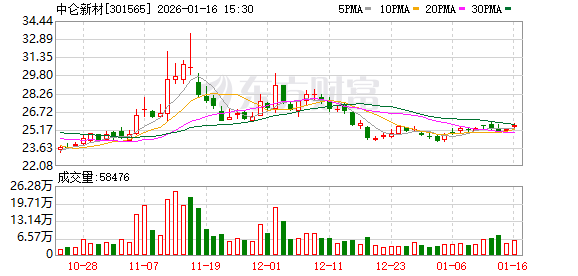
Core Viewpoint - Zhonglun New Materials Co., Ltd. has officially launched its first overseas production base in Indonesia, marking a significant step in the globalization of China's high-performance film material industry [2][3]. Group 1: Company Developments - The Indonesian production base is located in the Suryacipta Industrial Park in West Java, with a total investment exceeding 1 billion yuan and a planned annual production capacity of 90,000 tons of high-performance film materials [2]. - This facility is the fourth production base for Zhonglun New Materials, following its bases in Xiamen, Quanzhou, and its new energy film material base, representing a strategic upgrade from "product export" to "capacity export" [2]. - The Indonesian base utilizes Zhonglun's self-innovated fifth-generation low-carbon biaxially oriented nylon (BOPA) technology, showcasing a world-leading level in this field [2]. Group 2: Industry Impact - The establishment of the Indonesian base enhances Zhonglun's global supply chain network, significantly improving its overseas service capabilities and competitiveness, while also serving as a model for China's high-end film material industry to participate in global competition [3]. - Zhonglun has accumulated over 200 core patents, leading the industry in material research, core formula development, and production process innovation [3]. - The company plans to replicate its mature high-end intelligent manufacturing technology system from China to the Indonesian base, enabling efficient and high-quality customized production to meet diverse global customer needs [3].

中仑新材旗下印尼基地投产,形成业绩增长新引擎
Mei Ri Jing Ji Xin Wen· 2026-01-16 01:37
Core Viewpoint - Zhonglun New Materials has officially launched its first overseas production base in Indonesia, marking a strategic upgrade from "product export" and "brand export" to "capacity export," reshaping the global functional film market and establishing a new growth engine for long-term development [2] Group 1: Global Capacity Expansion - The Indonesian production base, located in West Java, has a total investment exceeding 1 billion yuan and is planned to have an annual production capacity of 90,000 tons of high-performance BOPA film, making it the largest functional film production base in Southeast Asia upon reaching full capacity [2] - This facility is the fourth production base for Zhonglun New Materials, following those in Xiamen, Quanzhou, and the new energy film base, creating a global capacity network with domestic dual hubs and an overseas hub [2] Group 2: Market Demand and Competitive Advantage - BOPA film, known for its tensile strength and high barrier properties, is widely used in high-growth sectors such as new energy, food, pharmaceuticals, and daily chemicals, with localized production in Indonesia significantly shortening delivery times to Asia-Pacific and European markets [3] - The Indonesian base will enhance customer response efficiency and expand overseas business profitability, with additional capacity expected to be released over the next two years, further boosting Zhonglun's global supply capabilities [3] Group 3: Technological Leadership - Zhonglun New Materials holds over 200 core patents and has established itself as a leader in the industry, with the Indonesian base utilizing the company's fifth-generation low-carbon biaxial stretching technology, representing a world-leading level in the field [3] - The ability to replicate advanced manufacturing technology in Indonesia allows for high-efficiency, high-quality customized production, which will translate into product premium capabilities and a competitive market share [3] Group 4: Strategic Industry Positioning - The establishment of the Indonesian base has gained recognition from numerous global downstream customers across Southeast Asia, Europe, and North America, aligning with Indonesia's industrial upgrade needs and serving as a benchmark project for regional industrial development [3][4] - Zhonglun New Materials has developed a comprehensive global supply chain network and an integrated industrial layout, creating a competitive advantage that is difficult to replicate, with plans to deepen capacity layout in Europe and North America [4]
连云港海州:两大重点产业项目落地 补链强链赋能高质量发展
Yang Zi Wan Bao Wang· 2025-12-06 10:54
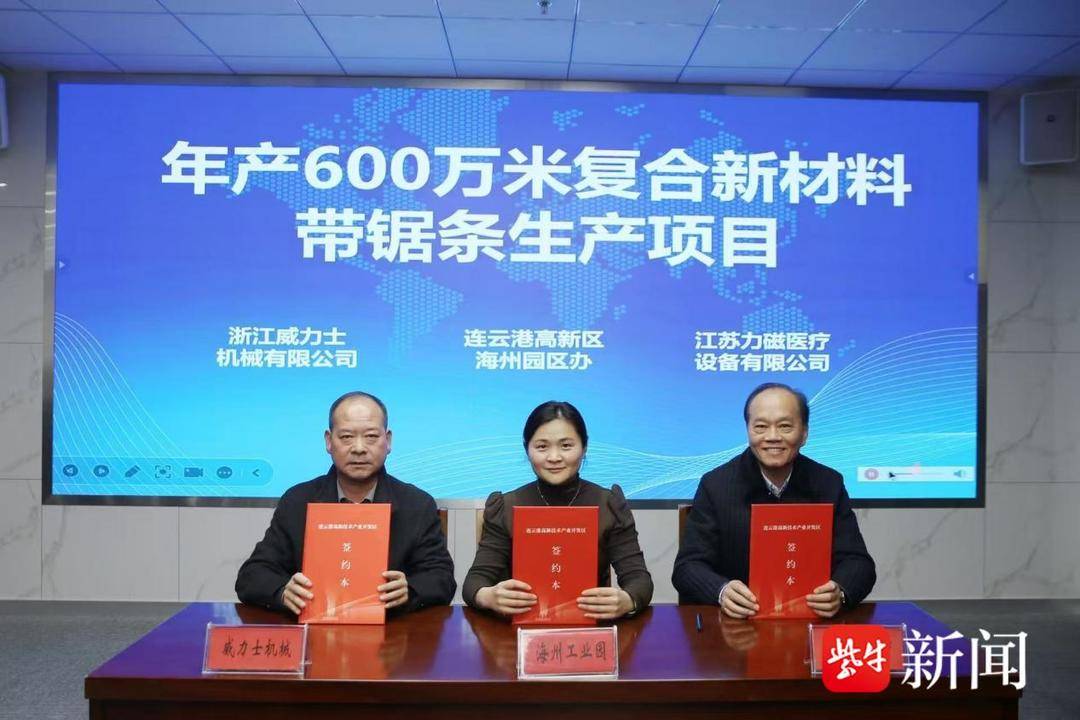
Core Insights - The signing of the high-performance membrane material project and the composite saw blade project in Lianyungang's Haizhou District marks a significant step towards upgrading the regional industrial chain and boosting economic development [1][3]. Group 1: High-Performance Membrane Material Project - The project focuses on the research, production, and sales of special functional membrane materials, which are widely used in new energy, environmental protection, and electronic information sectors [3]. - It aims to build modern production workshops and R&D centers, introducing advanced international production equipment and testing instruments to tackle core technologies such as high light transmittance, high barrier properties, and extreme environment resistance [3]. - Upon production, the project will provide critical support for industries related to new energy batteries and energy-saving environmental protection equipment, contributing to the establishment of a functional membrane material industrial cluster in Haizhou District [3]. Group 2: Composite Saw Blade Project - This project focuses on the manufacturing of high-end cutting tools, including saw blades for metal cutting, wood processing, and stone processing, characterized by high cutting precision, durability, and efficiency [3]. - Plans include the construction of an intelligent production line utilizing a digital production management system to optimize production processes and product performance, meeting the high precision demands of the high-end manufacturing sector [3]. - The establishment of this project will enhance the equipment manufacturing industry chain in Haizhou, improving local supply capabilities for mechanical processing and building materials production [3]. Group 3: Support and Development Strategy - The project leaders highlighted that Haizhou District's complete industrial support, efficient government services, and favorable market environment provide a solid foundation for project development [5]. - The district will adopt a "full lifecycle service" approach to continuously optimize the business environment, offering precise services in project approval, land guarantees, and talent introduction [5]. - The signing of these two projects exemplifies Haizhou District's commitment to the development strategy of "activating stock and breaking through increment," promising substantial economic benefits and job creation while enhancing the industrial chain and elevating industrial capabilities for high-quality regional economic growth [5].

重磅!100大新材料国产替代研究报告(附100+行研报告)
材料汇· 2025-11-28 16:01
Core Insights - The article emphasizes the strategic importance of new materials in the context of global technological competition and industrial chain restructuring, highlighting the need for domestic innovation to reduce reliance on foreign technologies [2][4]. Semiconductor Wafer Manufacturing Materials - The global photoresist market is projected to reach approximately $15 billion by 2030, with a current domestic market size of about 12 billion RMB, indicating significant growth potential [7]. - The domestic photoresist localization rate is around 10%, with high-end products heavily reliant on imports [7]. - Major foreign players in the photoresist market include Tokyo Ohka Kogyo, Dow Chemical, and Sumitomo Chemical, which dominate the market shares [8]. - Domestic companies such as Beijing Kehua and Suzhou Ruihong are making strides in production, but high-end products still face challenges [9]. Advanced Packaging Materials - The global market for high-performance epoxy encapsulants is expected to grow to $3.5 billion by 2030, with a current domestic market size of 4 billion RMB [39]. - The localization rate for epoxy encapsulants is around 30%, with high-end products still dependent on imports [39]. - Key foreign companies include Sumitomo Bakelite and Henkel, while domestic players include Hengshuo Huawai and Jiangsu Zhongpeng New Materials [40]. Semiconductor Components - The global market for electrostatic chucks is projected to reach $2.5 billion by 2030, with a current domestic market size of 2 billion RMB [56]. - The localization rate for electrostatic chucks is approximately 10%, with high-end products largely dominated by foreign manufacturers [56]. - Major foreign companies include Applied Materials and Lam Research, while domestic companies are beginning to emerge [57]. Display Materials - The global OLED materials market is expected to exceed $10 billion by 2030, with a current domestic market size of about 8 billion RMB [64]. - The localization rate for OLED materials is around 20%, with high-end materials still reliant on foreign sources [65].






中仑新材冲刺新能源“黄金赛道”!25亿项目投产打造新业务增长极
Sou Hu Cai Jing· 2025-11-28 01:28
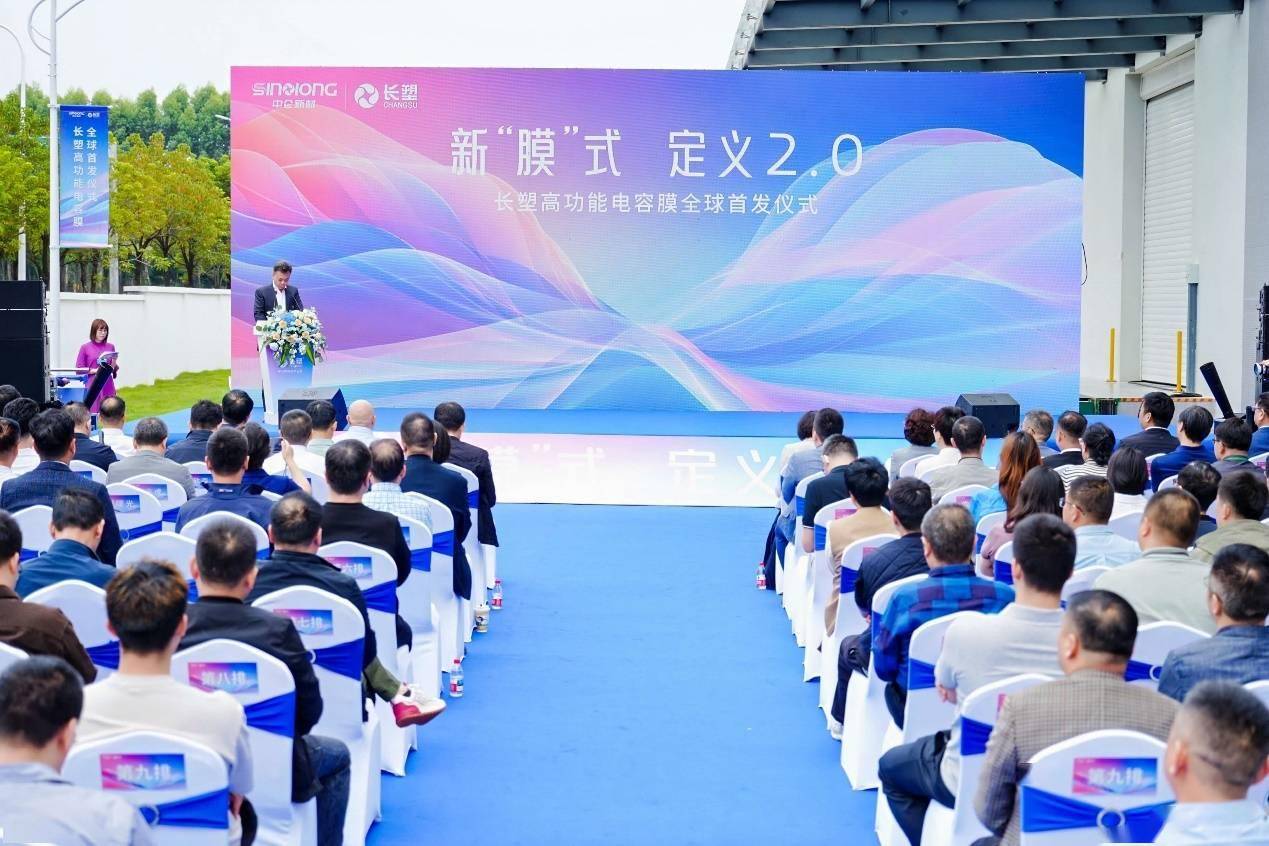
Core Viewpoint - The launch of Zhonglun New Material's new high-performance capacitor film marks its entry into the high-tech field of new energy capacitor films, indicating a significant strategic expansion from BOPA to BOPP, which is crucial for the company's growth trajectory [2][3]. Group 1: New Market Opportunity - Zhonglun New Material's core product, the Long Plastic High-Function Capacitor Film, targets the critical material for the new energy industry: high-end ultra-thin capacitor films, essential for high-end film capacitors [3]. - The global film capacitor market is projected to grow at a CAGR of 14.9% from 2024 to 2029, reaching over 48.5 billion yuan by 2029, while the supply side shows a dichotomy with traditional capacitor films facing oversupply and high-end ultra-thin films experiencing a supply shortage [3][5]. - The rapid growth in demand for film capacitors, particularly in the electric vehicle sector, is expected to drive the market for film capacitors in China to 12.7 billion yuan by 2029, with a CAGR of 17.78% from 2024 to 2029 [5]. Group 2: Technological Barriers - The ultra-thin capacitor film market has high technical barriers, with few domestic companies capable of large-scale production, primarily due to the complexity of the biaxial stretching technology required for mass production [6][8]. - Zhonglun New Material's production line, with a width of 6.4 meters, is the largest in the new energy ultra-thin capacitor film sector, indicating significant technical challenges and capabilities [6][8]. - The company possesses over 200 core patents and has developed advanced technologies, including the fifth-generation low-carbon biaxial stretching technology, which enhances product performance and energy efficiency [8][9]. Group 3: Strategic Partnerships - Zhonglun New Material has established strong relationships with leading downstream companies in the film capacitor sector, facilitating a robust supply chain for its new products [9][10]. - The successful launch of the Long Plastic High-Function Capacitor Film has already resulted in multiple orders from downstream clients, indicating a strong market demand and the ability to fill the supply gap for high-end capacitor films [9][10]. Group 4: Future Growth Potential - The production of the Long Plastic High-Function Capacitor Film is just the beginning, as Zhonglun New Material plans to establish several world-class production lines for advanced membrane products [11]. - The composite current collector base film market is expected to grow significantly, with a projected CAGR of 45.2% from 2025 to 2029, indicating vast opportunities in the energy storage and battery sectors [12]. - The company aims to capture market opportunities in the emerging new energy sector, which is expected to triple in size from 2025 to 2035, positioning itself as a leader in high-end new energy materials [12][13].
中仑新材新能源膜材项目投产 “高精尖”新赛道跑出加速度
Zheng Quan Ri Bao Wang· 2025-11-03 14:13
Core Insights - Zhonglun New Materials has officially entered the high-tech and high-barrier new energy capacitor film sector with the launch of its new generation BOPP capacitor film product, marking a significant step in enhancing China's self-supply capability of key raw materials for the new energy industry [1][2] Group 1: Product Development and Market Position - Zhonglun New Materials is the world's largest BOPA supplier, holding over 20% of the global market share for several consecutive years [2] - The newly launched BOPP production line is the widest in the field of ultra-thin capacitor films at 6.4 meters, featuring advanced automation and energy efficiency, positioning the company as a leader in this niche market [2] - The total investment for the new project is 2.5 billion yuan, covering an area of 134,400 square meters, focusing on the R&D and mass production of ultra-thin capacitor films and composite collector base films [2] Group 2: Market Demand and Future Prospects - The ultra-thin capacitor film market is expected to experience explosive growth, with the market size for China's automotive film capacitors projected to increase from 5.6 billion yuan in 2024 to 12.7 billion yuan by 2029 [3] - The company has received multiple intention orders from downstream customers, indicating successful commercialization of its high-function capacitor film and addressing the supply gap in the high-end capacitor film market [3] - Zhonglun New Materials is actively pursuing further production line layouts and key technology advancements, with plans to expand into critical materials for solid-state batteries, artificial intelligence, high-end medical applications, and humanoid robots [3]
2025中国“卡脖子”材料100大清单与全景图:哪些材料国产化极低?(附100+行研报告)
材料汇· 2025-08-17 15:23
Core Viewpoint - The article emphasizes the critical role of materials in industrial manufacturing, highlighting the challenges and progress in the localization of key materials in China, particularly in the semiconductor sector, amidst global supply chain restructuring and technological competition [2]. Semiconductor Wafer Manufacturing Materials - The global photoresist market is projected to reach approximately $15 billion by 2030, with a domestic market expected to grow to 30 billion RMB. The current domestic localization rate is about 10% [6][11]. - The global silicon wafer market is expected to exceed $20 billion by 2030, with the domestic market projected to reach 50 billion RMB. The current localization rate is around 15% [11][12]. - The global electronic specialty gases market is anticipated to reach $12 billion by 2030, with a domestic market expected to grow to 35 billion RMB. The current localization rate is about 20% [14][15]. - The global target materials market is projected to exceed $20 billion by 2030, with a domestic market expected to reach 40 billion RMB. The current localization rate is around 30% [17][18]. - The global CMP materials market is expected to grow to $4 billion by 2030, with a domestic market projected to reach 7 billion RMB. The current localization rate is about 15% [23][24]. - The global wet electronic chemicals market is projected to reach $9 billion by 2030, with a domestic market expected to grow to 20 billion RMB. The current localization rate is around 35% [27][28]. - The global photomask market is expected to exceed $7 billion by 2030, with a domestic market projected to reach 12 billion RMB. The current localization rate is about 20% [30][31]. - The global GaN materials market is projected to reach $5 billion by 2030, with a domestic market expected to grow to 8 billion RMB. The current localization rate is around 30% [34][35]. - The global SiC materials market is expected to reach $3.5 billion by 2030, with a domestic market projected to grow to 6 billion RMB. The current localization rate is about 25% [36][37]. - The global ALD/CVD precursors market is projected to exceed $3 billion by 2030, with a domestic market expected to reach 6 billion RMB. The current localization rate is around 10% [38][39]. Advanced Packaging Materials - The global high-performance epoxy molding compound market is projected to reach $3.5 billion by 2030, with a domestic market expected to exceed 6 billion RMB. The current localization rate is about 30% [39][40]. - The global chip adhesive market is expected to reach $1.2 billion by 2030, with a domestic market projected to grow to 1.8 billion RMB. The current localization rate is around 25% [40][41]. - The global underfill materials market is projected to reach $3 billion by 2030, with a domestic market expected to exceed 5 billion RMB. The current localization rate is about 25% [42]. - The global thermal interface materials market is expected to exceed $12 billion by 2030, with a domestic market projected to reach 20 billion RMB. The current localization rate is around 35% [44][45]. - The global advanced packaging electroplating materials market is projected to reach $4.5 billion by 2030, with a domestic market expected to exceed 8 billion RMB. The current localization rate is about 15% [46][47]. Semiconductor Components - The global electrostatic chucks market is projected to reach $2.5 billion by 2030, with a domestic market expected to grow to 4 billion RMB. The current localization rate is around 10% [56][57]. - The global quartz products market for semiconductors is expected to reach approximately 40.2 billion RMB by 2030, with a current localization rate of less than 10% [58]. - The global etching silicon components market is projected to reach $2.26 billion by 2030, with a current localization rate of less than 20% [60].

如何挖掘新材料进口替代机会?100大新材料国产化详解(附100+行研报告)
材料汇· 2025-06-17 15:51
Semiconductor Wafer Manufacturing Materials - The global photoresist market is projected to reach approximately $9 billion in 2023, with the domestic market around 12 billion RMB. By 2030, the global market is expected to exceed $15 billion, and the domestic market may grow to 30 billion RMB [4]. - The domestic photoresist localization rate is about 10%, with g/i line photoresist at approximately 20%, KrF photoresist below 2%, ArF photoresist below 1%, and EUV photoresist currently non-existent [4]. - Major foreign companies in the global g/i line photoresist market include Tokyo Ohka Kogyo, Dow Chemical, and Sumitomo Chemical, holding a combined market share of 60% [5]. - Domestic companies such as Beijing Kehua and Suzhou Ruihong are making strides in g/i line and KrF photoresist production, with varying levels of success in ArF and EUV photoresist [6]. Silicon Wafers - The global silicon wafer market is estimated to be around $13 billion in 2023, with the domestic market at approximately 20 billion RMB. By 2030, the global market is expected to exceed $20 billion, and the domestic market may reach 50 billion RMB [10]. - The domestic silicon wafer localization rate is about 15%, with larger wafers having lower localization levels [11]. - Key foreign players include Shin-Etsu Chemical and SUMCO, with significant market shares [11]. Electronic Specialty Gases - The global electronic specialty gas market is projected to be around $7 billion in 2023, with the domestic market at approximately 15 billion RMB. By 2030, the global market is expected to reach $12 billion, and the domestic market may grow to 35 billion RMB [12]. - The localization rate for electronic specialty gases is about 20%, with some specialty gases still requiring imports [13]. - Major foreign companies include Air Products, Linde, and Air Liquide, which dominate the market [13]. Target Materials - The global target materials market is estimated to be around $15 billion in 2023, with the domestic market at approximately 20 billion RMB. By 2030, the global market is expected to exceed $20 billion, and the domestic market may reach 40 billion RMB [15]. - The localization rate for target materials is about 30%, with mid-to-low-end products being more localized [16]. - Major foreign companies include JX Nippon Mining & Metals and Honeywell, which hold a significant market share [16]. Chemical Mechanical Polishing (CMP) Materials - The global CMP materials market is projected to be around $2.5 billion in 2023, with the domestic market at approximately 4 billion RMB. By 2030, the global market is expected to reach $4 billion, and the domestic market may grow to 7 billion RMB [21]. - The localization rate for CMP materials is about 15%, with high-end products still largely imported [22]. - Key foreign suppliers include Cabot and Hitachi, which dominate the market [23]. Wet Electronic Chemicals - The global wet electronic chemicals market is estimated to be around $6 billion in 2023, with the domestic market at approximately 10 billion RMB. By 2030, the global market is expected to reach $9 billion, and the domestic market may grow to 20 billion RMB [24]. - The localization rate for wet electronic chemicals is about 35%, with better localization in mid-to-low-end products [25]. - Major foreign companies include BASF and Merck, which hold significant market shares in China [25]. Photomasks - The global photomask market is projected to reach approximately $5 billion in 2023, with the domestic market around 8 billion RMB. By 2030, the global market is expected to exceed $7 billion, and the domestic market may grow to over 12 billion RMB [28]. - The localization rate for photomasks is about 20%, with high-end products still heavily reliant on imports [28]. - Major foreign players include Toppan and Photronics, which dominate the market [27]. Gallium Nitride (GaN) Materials - The global GaN materials market is estimated to be around $2 billion in 2023, with the domestic market at approximately 3 billion RMB. By 2030, the global market is expected to reach $5 billion, and the domestic market may grow to 8 billion RMB [30]. - The localization rate for GaN materials is about 30%, with progress in power device applications but high-end RF devices still relying on imports [30]. - Key foreign companies include Cree and Sumitomo Electric, which hold significant market shares [30]. Silicon Carbide (SiC) Materials - The global SiC materials market is projected to be around $1.5 billion in 2023, with the domestic market at approximately 2.5 billion RMB. By 2030, the global market is expected to reach $3.5 billion, and the domestic market may grow to 6 billion RMB [31]. - The localization rate for SiC materials is about 25%, with high-end products still dependent on imports [31]. - Major foreign players include Cree and II-VI, which dominate the market [31]. Semiconductor ALD/CVD Precursors - The global semiconductor ALD/CVD precursors market is estimated to be around $2 billion in 2023, with the domestic market at approximately 3 billion RMB. By 2030, the global market is expected to exceed $3 billion, and the domestic market may reach 6 billion RMB [32]. - The localization rate for ALD/CVD precursors is about 10%, with high-end products largely dominated by foreign companies [32]. - Key foreign companies include SK Materials and Merck, which hold significant market shares [32]. Advanced Packaging Materials - The global high-performance epoxy molding compound market is projected to reach approximately $2.5 billion in 2023, with the domestic market around 4 billion RMB. By 2030, the global market is expected to grow to $3.5 billion, and the domestic market may exceed 6 billion RMB [35]. - The localization rate for epoxy molding compounds is about 30%, with mid-to-low-end products being more localized [35]. - Major foreign companies include Sumitomo Bakelite and Henkel, which dominate the market [35]. Semiconductor Components - The global electrostatic chucks market is estimated to be around $1.5 billion in 2023, with the domestic market at approximately 2 billion RMB. By 2030, the global market is expected to reach $2.5 billion, and the domestic market may grow to 4 billion RMB [53]. - The localization rate for electrostatic chucks is about 10%, with high-end products being largely imported [54]. - Major foreign players include Applied Materials and Lam Research, which dominate the market [54]. Display Materials - The global OLED materials market is projected to reach approximately $6 billion in 2023, with the domestic market around 8 billion RMB. By 2030, the global market is expected to exceed $10 billion, and the domestic market may reach 20 billion RMB [61]. - The localization rate for OLED materials is about 20%, with high-end materials still reliant on imports [61]. - Key foreign companies include Universal Display Corporation and Merck, which hold significant market shares [61].