
产业链升级

Search documents
以开放创新破局产业链升级瓶颈 培育新质生产力
Xin Lang Cai Jing· 2026-02-24 22:23
Core Viewpoint - The article emphasizes the importance of open innovation as a key driver for upgrading industrial chains in China, highlighting the need for deep integration of technological and industrial innovation to overcome current challenges in the industry [1][2]. Group 1: Open Innovation as a Driving Force - Open innovation is rooted in Schumpeter's innovation cluster theory and global factor allocation theory, aiming to maximize innovation efficiency through bidirectional flow of factors [2]. - It promotes knowledge flow by creating a global innovation network that facilitates the cross-border exchange of both explicit and implicit knowledge, driving technological breakthroughs [2]. - Open innovation optimizes resource allocation by allowing free movement of factors, ensuring that capital, technology, and management converge in the most productive sectors [2]. Group 2: Challenges to Open Innovation - The current global industrial chain restructuring is characterized by "technological segregation" and "factor blockade," creating structural barriers to open innovation in China [4]. - Institutional barriers hinder cross-border data flow, with strict regulations on sensitive data limiting industrial internet platform collaboration [4]. - There is a lack of alignment between domestic green technologies and international standards, leading to additional costs for exports and low industrialization rates in green technology [4]. Group 3: Pathways to Overcome Barriers - Establishing multi-level innovation coalitions is essential to enhance collaboration among industry, academia, and research institutions, with a focus on long-term research cycles and cross-disciplinary cooperation [6][7]. - Implementing pilot programs for cross-border data flow in free trade zones and enhancing intellectual property protection can optimize global factor allocation rules [7]. - Developing a talent ecosystem that aligns with industry needs through targeted training programs and entrepreneurial support can strengthen human capital [7][8]. Group 4: Digital Integration and Collaboration - Accelerating the integration of digital technologies is crucial for reshaping the collaborative nature of industrial chains, with initiatives to create a data element marketplace to lower costs for SMEs [8]. - Expanding digital cooperation in Southeast Asia through the establishment of demonstration parks can enhance production data management and embed Chinese digital standards in global supply chains [8].
中国产业转移不再划算东南亚,1300万吨电解铝产能从北方迁往西部,终于享受自家红利
Sou Hu Cai Jing· 2026-02-20 13:38
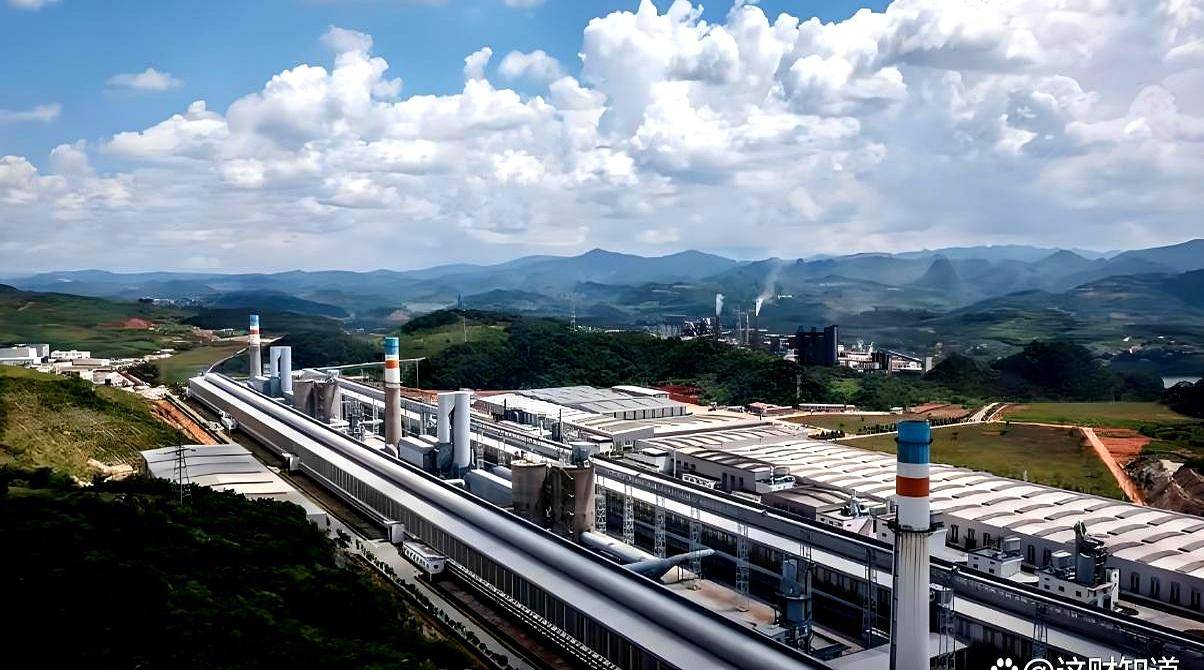
Core Viewpoint - China's aluminum products are becoming more fashionable and environmentally friendly, and the country is not relocating factories to Southeast Asia as it did in the past, but rather revitalizing its own manufacturing capabilities [1][3]. Industry Dynamics - The global electrolytic aluminum production capacity has seen a significant shift, with 13 million tons moving from northern regions like Shandong and Henan to the greener valleys of Yunnan and Sichuan, which is comparable to the total production of North America [1][6]. - China's strategy focuses on maintaining control over its aluminum industry, emphasizing national strategic security and the dominance of the industrial chain, rather than outsourcing high-energy-consuming industries [3][4]. Environmental and Economic Factors - The shift to Yunnan is driven by the availability of renewable energy sources, such as hydropower, which accounts for over 90% of the energy used, resulting in lower electricity costs (20% cheaper than Shandong) and minimal environmental pressure [6][8]. - The carbon emissions from aluminum produced using Yunnan's hydropower are significantly lower, at 1.8 tons of CO2 per ton of aluminum, compared to over 13 tons from coal-fired power [8][9]. Market Opportunities - By 2025, China is projected to export 750,000 tons of aluminum products to Europe, where the carbon tariffs could cost over €24.4 million annually if produced using coal power, while the green aluminum from Yunnan would easily meet standards and command higher prices [9][10]. - The aluminum production value in Wenshan is expected to exceed 100 billion yuan by 2025, with the region becoming a leading hub for aluminum production in China [11][12]. Infrastructure and Logistics - The rapid growth of the aluminum industry in Wenshan is evident, with an annual growth rate of 50%, surpassing many coastal development zones, although logistical challenges exist due to high demand and limited infrastructure [12][14]. - The transition to Yunnan involves rebuilding supply chains, talent pools, and infrastructure, which poses challenges but also highlights the strong coordination capabilities of Chinese enterprises and local governments [14][16]. Strategic Outlook - As international dynamics become more complex, China aims to tighten control over its industrial chain and leverage its green aluminum industry to break through carbon barriers imposed by Europe and the U.S., turning these challenges into opportunities [16][17].

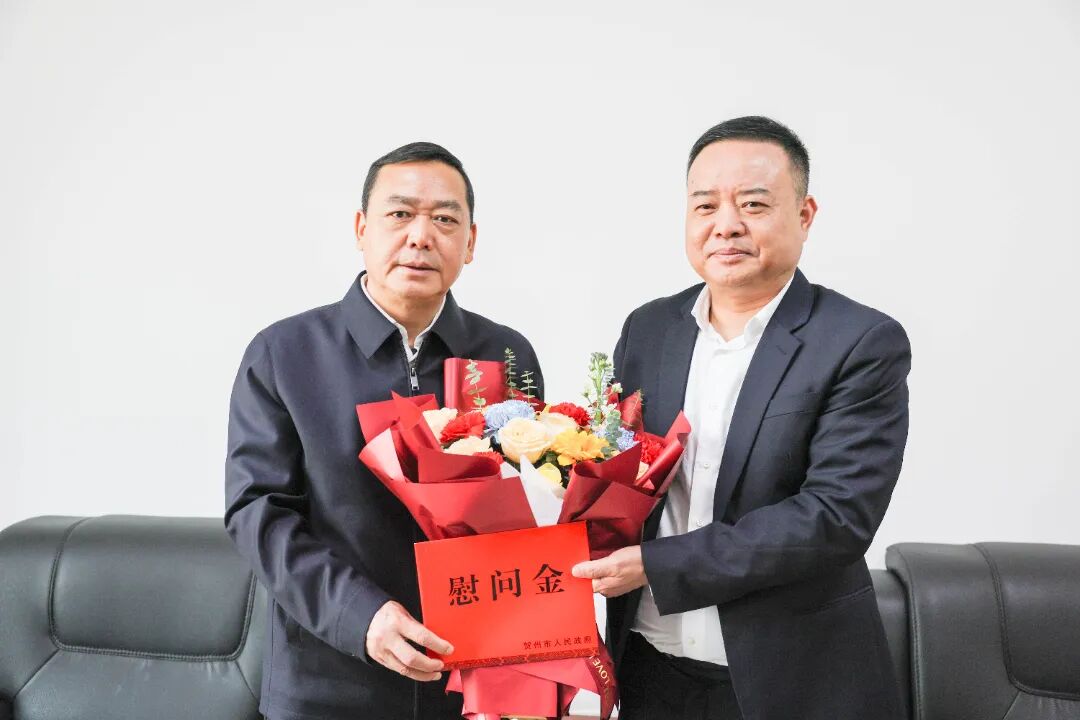
彭代元慰问优秀人才代表
Xin Lang Cai Jing· 2026-02-14 11:25
Group 1 - The mayor of Hezhou, Peng Daiyuan, expressed gratitude to talented individuals for their contributions to the city's economic and social development [1][3] - Huang Weipeng, Vice Chairman and CFO of Guangxi Steel Union New Materials Group, has led an investment of 800 million yuan to establish a stainless steel strip modification project, achieving an annual capacity of 500,000 tons of scrap steel, 780,000 tons of stainless steel billets, and 1 million tons of stainless steel products [3] - The mayor encouraged enterprises to enhance their core competitiveness through innovation and to deepen technology research and industrial layout, aiming for a strong start to the 14th Five-Year Plan [3][4] Group 2 - Huang Weipeng expressed appreciation for the support from the municipal government and committed to promoting entrepreneurial spirit and contributing to Hezhou's high-quality development in the new year [4] - The government aims to optimize the business environment and improve service mechanisms for enterprises, ensuring that businesses face fewer bureaucratic hurdles [3]
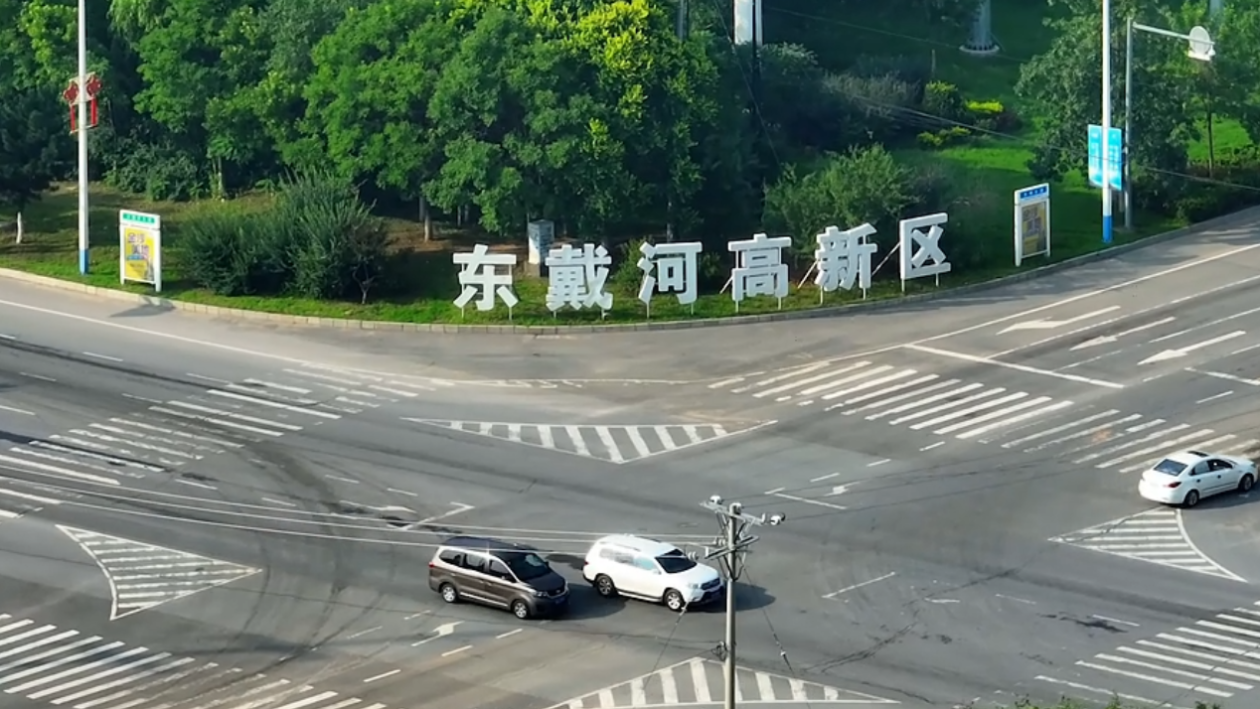
打破“投资不过山海关”魔咒,东戴河新区如何构建“投资天地宽”营商环境新格局?
Huan Qiu Wang· 2026-02-12 10:23
Core Viewpoint - The Liaoning Provincial Trade Promotion Council has revised its commitments to optimize the business environment, focusing on enhancing financial services, digital services, technology trade, and language services to empower enterprises in their international endeavors [1] Group 1: Business Environment Optimization - The optimization of the business environment is identified as the most important and urgent strategic task for Liaoning during the 14th Five-Year Plan period, addressing issues such as weak service awareness and low administrative efficiency [1] - The East Dalian River New Area is positioned as a strategic hub for connecting Northeast and North China, showcasing its ambition for differentiated development through a "3+4" industrial layout [2][6] Group 2: Investment Attraction and Service Enhancement - The East Dalian River New Area has established a full-process service mechanism to enhance investment attraction, with a dedicated team of 45 people in three investment promotion offices [4] - The "Project Steward" system has been implemented to provide comprehensive support to enterprises, reducing the time required for obtaining construction permits from nearly 70 days to 45-50 days [6][8] Group 3: Industry Development and Challenges - The East Dalian River New Area aims to develop high-value-added manufacturing and faces challenges in financial innovation, talent aggregation, and industrial chain upgrades [4] - The area has successfully attracted over 120 enterprises, with 47 projects signed and 44 projects landed in 2025 alone, indicating a positive trend in investment [6] Group 4: Green Development and Sustainable Growth - The East Dalian River New Area emphasizes green development, rejecting high-pollution projects and focusing on tourism, health, and cultural industries to attract talent and boost local economy [11][12] - The area has transformed from a temporary tourist destination to a permanent residence for businesses and talent, leveraging its unique geographical advantages and resource endowments [12]
中国成最大输家?欧盟印度签订自贸协定,德媒:中国将损失数千亿
Sou Hu Cai Jing· 2026-02-11 14:51
Core Viewpoint - The recent trade agreement between India and the EU, described as the most significant in 20 years, poses challenges for China, but the country is well-positioned to adapt and seize new opportunities in the global market [3][6][8]. Group 1: Trade Agreement Details - The India-EU trade agreement, finalized after nearly 20 years of negotiations, aims to reduce tariffs on a wide range of products, with over 96% of Indian exports to the EU expected to see significant tariff reductions [6][8]. - The automotive sector will experience a drastic reduction in tariffs, with India's current 110% tariff on imported cars expected to drop to 10% over several years [6][8]. Group 2: Implications for China - German media predicts that China could lose several hundred billion euros over the next decade due to this agreement, as India's lower labor costs and tariff advantages may allow it to capture market share in textiles, electronics, and automotive sectors [8][10]. - Despite these predictions, China's manufacturing capabilities, supply chain efficiency, and established global market presence provide a strong defense against potential losses [10][18]. Group 3: Competitive Landscape - India's manufacturing sector is still developing, and while it has the potential to grow, it faces challenges in achieving the same level of efficiency and quality as China [11][13]. - The EU's desire to diversify its supply chains and reduce reliance on China may not lead to an immediate shift, as the complexities of global supply chains make it difficult for any single country to dominate [16][18]. Group 4: Strategic Recommendations - The trade agreement serves as a wake-up call for China to focus on innovation and upgrading its manufacturing capabilities, moving towards high-end design and brand services to maintain its competitive edge [18][20]. - Long-term success will depend on China's ability to innovate and optimize its supply chain, rather than relying solely on low-cost production [20].

医药生物行业双周报2026年第3期总第152期:替尔泊肽问鼎新药王,关注平台化创新与产业链升级
Great Wall Glory Securities· 2026-02-10 10:24
Investment Rating - The investment rating for the industry is "Positive" and the rating has been maintained [1] Core Insights - The pharmaceutical and biotechnology industry index experienced a decline of 3.17%, ranking 22nd among 31 primary industries, underperforming the CSI 300 index which fell by 1.25% [6][17] - The valuation of the pharmaceutical and biotechnology industry as of February 6, 2026, is a PE (TTM overall method, excluding negative values) of 29.57x, down from 30.31x in the previous period, indicating a downward trend below the average [6][22] - The top three sub-industries in terms of PE (TTM overall method, excluding negative values) are vaccines (46.30x), hospitals (43.34x), and medical consumables (37.71x), while pharmaceutical distribution has the lowest valuation at 14.88x [22] Industry Trends - The focus in the global pharmaceutical market continues to be on GLP-1 targets, with Eli Lilly's tirzepatide establishing a leading position in the metabolic disease field due to its clinical value and commercialization performance [9] - The collaboration model between multinational pharmaceutical companies and Chinese biopharmaceutical firms is evolving towards "platform capabilities + multi-project combinations," highlighting the long-term strategic value of underlying innovative capabilities such as sustained delivery technology and peptide R&D platforms [9] - The investment logic in the industry is shifting from single blockbuster products to platform-based, matrixed approaches that extend into critical supply chain segments [9] Investment Recommendations - Focus on innovative pharmaceutical companies with "core technology platforms + diversified pipelines," as their ability to derive multiple values from platforms and realize cross-border cooperation milestones will be a key advantage [9] - Pay attention to industry chain segments benefiting from drug long-acting and oral trends, including complex formulation processes, high-end delivery technologies, and related peptide CDMO fields [9] - In the context of strong global R&D and production demand, peptide CXO companies that are active in cross-border collaborations, have balanced customer structures, and possess solid compliance systems will continue to share in the industry's high prosperity dividends [9]
露天大集变公园市场 首都“菜篮子”向文商旅中心转型
Bei Jing Shang Bao· 2026-02-05 16:37
Core Viewpoint - The transformation strategy of Beijing Xinfadi Market is becoming clearer with the ongoing "indoor vegetable trading" project, which reflects the upgrade of merchants from single wholesale trading to a full industry chain model [1][5]. Group 1: Market Transformation - The "indoor vegetable trading" initiative aims to improve the trading environment and facilitate the transition of the wholesale market into a "park-style market" to meet new consumer demands [1][7]. - The newly constructed vegetable trading building has a total area of 360,000 square meters, with the B building expected to be fully operational by July this year [3][4]. - The market will implement a rotation system for merchants currently engaged in outdoor trading, allowing them to gradually move into the new indoor facilities [3][4]. Group 2: Supply Chain and Efficiency - The vegetable trading building will integrate supply and demand operations, enhancing the construction of the supply chain and improving trading efficiency [4]. - The "car into hall" model will reduce secondary handling and outdoor losses, while also mitigating the impact of extreme weather on transactions [3][4]. - The market's new facilities will include advanced cold chain storage to ensure the quality and freshness of high-end fruits and vegetables [6]. Group 3: Merchant Evolution - The market is experiencing a generational shift, with the original merchants retiring and their children taking over, leading to new sales channels and diversified business operations [5][6]. - The new generation of merchants demands improved trading environments, including office spaces and live streaming rooms, to attract and retain talent [6]. Group 4: Future Development - The market aims to evolve into a "park-style market," incorporating green spaces and educational areas to enhance community engagement and consumer experience [7]. - Plans are underway to collaborate with tourism agencies to develop unique cultural and tourism routes around the market [7].

从“原料输出”到“终端产品”:福建明溪生物医药“链”上新能级
Zhong Guo Xin Wen Wang· 2026-02-05 06:50
Core Viewpoint - The construction of the biopharmaceutical formulation industrial park in Mingxi, Fujian Province, is a significant step towards enhancing the local biopharmaceutical industry, focusing on high-end formulation enterprises and extending the value chain towards terminal products [1][2]. Group 1: Industrial Development - Mingxi has attracted 25 biopharmaceutical companies, creating a "string of pearls" effect in the industry [1]. - The region has established two distinctive industrial chains: one focusing on Taxus chinensis for anti-tumor raw materials and another on hexafluoroisopropanol and its derivatives [1]. - The collaboration among companies in the park has improved supply chain efficiency, reducing logistics costs and enhancing competitive advantages [1]. Group 2: Investment and Growth - By 2025, Mingxi aims to attract key projects in new business areas such as Marketing Authorization Holder (MAH) and Contract Research Organization (CRO), with a total investment of 2.78 billion yuan from six major projects [2]. - The accelerated construction of the biopharmaceutical formulation industrial park signifies a strategic shift from raw material output to terminal product output [2]. - The biopharmaceutical industry in Mingxi generated tax revenue of 293 million yuan, becoming a crucial driver for regional economic transformation and high-quality growth [2].
5%不刺激,却更值钱:中国经济在换发动机
Sou Hu Cai Jing· 2026-02-04 04:11
Core Viewpoint - The Chinese economy is transitioning to a more stable and sustainable growth model, with a projected growth rate of 5% in 2025 being viewed as a sign of high-quality growth rather than conservatism [4]. Group 1: Economic Growth and Structure - The growth is no longer reliant on heavy investments and capacity expansion, but rather on new productive forces taking over [6]. - The manufacturing sector, particularly equipment and high-tech manufacturing, is experiencing growth rates close to double digits, significantly outpacing overall industrial growth [5]. - The economy is characterized by a combination of a large market, strong manufacturing capabilities, and policy flexibility, which contributes to its resilience [13]. Group 2: Price Signals and Consumer Confidence - The core Consumer Price Index (CPI) has returned to a moderate range, indicating a recovery in consumer confidence and businesses' willingness to set prices [8]. - The Producer Price Index (PPI) has stabilized, reflecting a realignment of supply and demand dynamics, aided by efforts to combat "involution" and manage production capacity [9]. Group 3: Short-term Volatility and Long-term Stability - The current economic fluctuations are seen as a natural part of the transition phase, influenced by deep adjustments in the real estate sector, cautious investment behaviors, and high base effects [12]. - The key concern for the economy is not slow growth but rather disorder, making the current stabilization efforts crucial [10].

齐翔腾达(002408.SZ):目前8000吨/年催化新材料项目已进入试运行阶段
Ge Long Hui· 2026-02-04 01:15
Core Viewpoint - The company plans to focus its capital expenditure in 2026 on optimizing and upgrading its existing industrial chain, enhancing production potential, and increasing the output proportion of high value-added products to strengthen its competitive advantage in niche markets [1] Group 1: Capital Expenditure and Strategy - In 2026, the company will prioritize capital expenditure on existing industrial chain optimization and upgrades through process innovation and equipment modifications [1] - The company aims to improve product process routes and increase the output of high value-added products [1] - A series of low-investment, quick-return projects will be launched to support the company's transformation and differentiated competition [1] Group 2: Industrial Park Integration and Efficiency - The company is actively promoting regional integration of its industrial parks by implementing unified energy management and shared public utilities to reduce overall energy consumption and enhance resource utilization efficiency [1] - The 8,000 tons/year catalytic new materials project has entered the trial operation phase, with efforts to accelerate equipment debugging for stable production [1] Group 3: Competitive Positioning - The completion of the catalytic new materials project will significantly enhance the company's self-supply capability in the high-end catalyst sector, breaking foreign technology monopolies and extending the value chain [1]
