5G网络建设

Search documents
“万里茶道”续新程 中欧经贸合作谱新篇
人民网-国际频道 原创稿· 2025-09-29 02:51
Core Insights - The trade relationship between Hubei and Nordic countries is experiencing robust growth, with a notable increase in high-tech product exports, which surged by 113.9% year-on-year from January to August 2024 [1][2] - The China-Nordic Economic and Trade Cooperation Forum, established in 2018, has facilitated significant partnerships, resulting in 109 signed projects worth 1560.03 billion yuan in 2024, covering sectors like renewable energy and artificial intelligence [2][3] - Hubei's investment environment is being enhanced through policy innovations, including a cross-border trade facilitation plan with 21 specific measures aimed at supporting international development in industries such as new energy vehicles and cross-border e-commerce [3] Group 1: Trade and Economic Cooperation - Hubei's exports to Nordic countries maintained double-digit growth, with high-tech products leading the way [1] - By August 2024, Nordic companies had established 41 enterprises in Hubei, with actual foreign investment reaching 630 million USD, focusing on high-end manufacturing and clean energy [1][2] Group 2: Forum and Partnerships - The sixth session of the China-Nordic Economic and Trade Cooperation Forum resulted in 109 projects, emphasizing collaboration in cutting-edge fields [2] - Notable partnerships include Dongfeng Motor's electric vehicle sales in Nordic markets exceeding 50% and the establishment of a research center by Changfei Fiber in Denmark [2] Group 3: Policy and Infrastructure Development - Wuhan's cross-border trade facilitation plan aims to enhance internationalization in key industries, with 45 international cargo routes already operational from Ezhou Huahu Airport [3] - The cooperation between Hubei and Nordic countries reflects a historical continuity and a commitment to building a shared future, with ongoing efforts to innovate in green and digital economies [3]
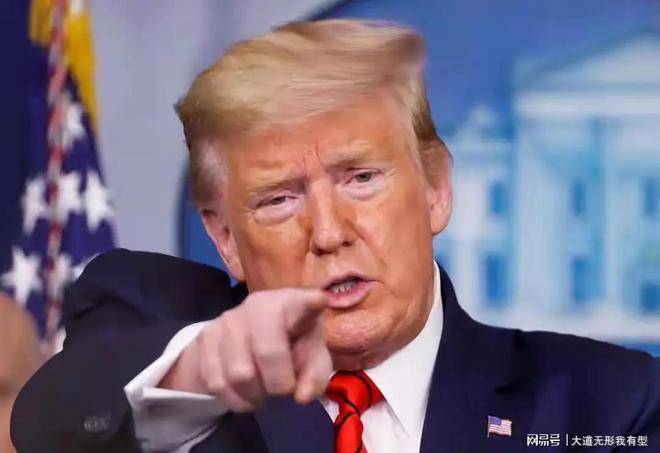
特朗普觉得美国和中国单打独斗肯定是不行了,公开拉拢36个盟友上
Sou Hu Cai Jing· 2025-09-17 07:23
Group 1 - The core viewpoint of the articles highlights the shift in U.S. strategy towards a multilateral approach in dealing with China, as President Trump acknowledges the difficulty of unilateral action and seeks to rally 36 allied nations to form a united front against China [1][3] - The upcoming U.S.-China trade talks in Madrid will focus on four key issues: intellectual property protection, forced technology transfer, rare earth export restrictions, and bilateral tariff adjustments [1] - Trump's mobilization of allies under the guise of secondary sanctions reflects the ineffectiveness of U.S. unilateralism and a fundamental shift in the global economic power structure, reminiscent of Cold War-era alliances [3][4] Group 2 - The article emphasizes that the current globalized economy has transformed, with interconnected supply chains and deep market integration, making it challenging for countries to sacrifice their own interests for the sake of alliances [3] - European nations, including Germany and France, openly oppose following the U.S. in imposing tariffs on China, indicating a rejection of Trump's aggressive strategy [3] - China's negotiation team demonstrates confidence due to its comprehensive industrial system, the importance of the Chinese market for multinational corporations, and a diversified network of international partnerships through mechanisms like RCEP and BRICS [3][4] Group 3 - The essence of the trade dispute is framed as a struggle over the distribution of global development benefits, with rare earth issues symbolizing supply chain security and equitable resource management [4][5] - The articles suggest that the confrontation between economic nationalism and global interconnectedness necessitates the establishment of a new cooperation philosophy in the international community [5]