全球化重构

Search documents
何帆:我为什么要研究“颜值革命”?里面藏着中国经济韧性的秘密【问诊2026中国经济】
Xin Lang Cai Jing· 2026-02-12 11:17
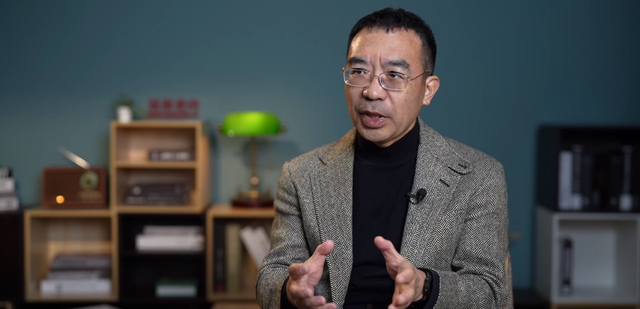
Core Viewpoint - The article discusses the transformation of the Chinese economy from a traditional growth model to an innovation-driven one, highlighting the emergence of the "aesthetic economy" where product aesthetics play a crucial role in consumer preferences during economic downturns [1][2][4]. Group 1: Economic Transformation - The shift from a "material generation" focused on GDP and tangible assets to a "spiritual generation" that values self-expression and enjoyment of life is noted, particularly among younger consumers [1][7]. - The "aesthetic economy" is seen as a response to economic slowdowns, where consumers prioritize the beauty and emotional value of products [2][11]. - The observation that economic downturns can lead to increased leisure time, prompting consumers to seek ways to enhance their quality of life through aesthetically pleasing products [11][12]. Group 2: Consumer Behavior - Young consumers are increasingly rejecting traditional luxury goods in favor of brands that offer aesthetic appeal and personal expression, such as Uniqlo and Muji [19][17]. - The rise of "deep self-indulgence" entrepreneurship is highlighted, where entrepreneurs create products based on personal passions and interests, catering to niche markets [27][30]. - The article emphasizes the growing importance of aesthetic value in consumer products, with a notable increase in the public's overall aesthetic awareness and capability [14][36]. Group 3: Industry Implications - The article points out that industries such as fitness, home decor, and lifestyle products are thriving during economic slowdowns, as consumers invest in improving their living environments [11][14]. - The importance of design and aesthetics in manufacturing is underscored, with companies that prioritize these aspects gaining competitive advantages [32][34]. - The emergence of brands that successfully combine high-quality design with practical functionality is seen as a key trend in the evolving market landscape [36][33]. Group 4: Future Outlook - The article suggests that the future of the Chinese economy will increasingly rely on the creative capabilities of younger generations, who are expected to drive innovation and aesthetic trends [20][26]. - The potential for a new global economic model is discussed, where Chinese companies may lead in creating supply chains that emphasize design and aesthetic value [40][41]. - The need for businesses to adapt to changing consumer preferences and the importance of aesthetic appeal in product development is emphasized as a critical factor for success in the current economic climate [36][34].

构筑全球知识神经网络 欧洲经济研究院以33国提供经济政策研究
Sou Hu Cai Jing· 2026-01-19 06:25
Core Insights - The European Economic Research Institute (EERI) is gaining attention for its unique decentralized global network and microdata research methods, providing solutions to complex global economic issues with both European perspectives and global considerations [1][3]. Group 1: Global Network - EERI has established a strong global research collaboration system, expanding its network to 33 countries and regions, with key nodes in the UK, Germany, Russia, the US, and Hong Kong, surpassing traditional centralized think tank models [3]. - This network aims to aggregate localized data and insights from different economies to address borderless challenges such as supply chain restructuring and green transformation [3]. Group 2: Regional Deepening - EERI's offices in Asia and Europe have recently undergone strategic upgrades, enhancing the network's effectiveness [4]. - The Hong Kong office, approved by the Hong Kong government in 2025, will focus on coordinating research centers in the Greater Bay Area and connecting it with the global economy [4]. - The German office has deepened its functions to strengthen research on industrial policy, energy transition, and digital economy, providing robust data models for European policy-making [4]. Group 3: Research Depth - EERI utilizes high-granularity data to reveal the heterogeneous impacts of economic shocks, demonstrating that supply chain disruptions can cause losses in the automotive industry that are 2 to 3 times greater than in energy-intensive sectors [5]. - This analysis helps avoid "one-size-fits-all" policy traps and contributes to a multi-layered "economic resilience toolbox" for policymakers [5][8]. Group 4: Future Outlook - EERI is building a responsive and self-evolving "economic knowledge ecosystem" through its expanding global network, connecting local economic realities with global trends [6]. - The enhanced functions of key hubs like Hong Kong and Germany will facilitate more efficient connections between regional economic dynamics and global trends [6]. Group 5: Strategic Recommendations - EERI suggests creating a "heat map" of global supply chain dependencies and establishing dynamic reserve mechanisms for strategic raw materials and intermediate goods [8]. - It advocates targeted green subsidies and digital investments to cultivate local backup or alternative capacities in key areas, reducing systemic risks [8]. - EERI is also involved in building cross-national policy simulation and coordination platforms to enhance global economic research standards and mutual recognition of results [8].
经济学家金刻羽:全球化重构,封锁技术和知识已不再可能
Sou Hu Cai Jing· 2026-01-05 13:39
Core Viewpoint - Globalization is undergoing a reconstruction rather than disappearing due to great power competition and protectionism, and it is impossible to completely block technology and knowledge [1][3][4]. Group 1: Globalization and Technology - The integration of geopolitics and economics has become a core factor influencing corporate strategy [1]. - Historical experiences show that attempts to block technology often backfire, accelerating the diffusion of technology [3]. - The current U.S. efforts to restrict China's development through technology and knowledge blockades may lead to similar outcomes as past experiences [3][4]. Group 2: Competitive Strategies - The real challenge lies not in the ability to block but in maintaining competitiveness in an open environment [4]. - Future technological competition will depend on who can absorb and transform knowledge more quickly in an open context [4]. - Companies should leverage manufacturing advantages and enhance their negotiation power by controlling key links in the supply chain [6]. Group 3: Open Attitude and Resilience - Maintaining an open stance and international engagement is crucial to reduce friction in international cooperation [6]. - Openness is not passive acceptance but an active construction of global cooperation networks [6][8]. - The ability to innovate and grow in an open environment is essential for companies to seize opportunities in the reconstruction of globalization [9].

香港科技大学地缘经济研究所所长金刻羽:全球化在经历重构,想封锁技术和知识已不再可能
Cai Jing Wang· 2025-12-19 22:42
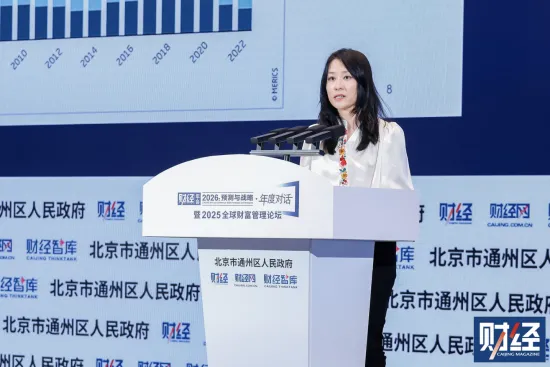
Core Insights - The event "2026: Predictions and Strategies" emphasizes the theme of "China's Resilience in Changing Circumstances" amidst the deep integration of geopolitics and economics, which are now core factors influencing corporate strategies and national policies [1][2] Group 1: Geopolitical and Economic Integration - Geopolitical and economic factors have become deeply intertwined, significantly affecting corporate strategies and national policies, moving beyond mere background noise [3][4] - The decline in trade barriers over the past decades has been reversed recently, with rising signals of fragmentation in trade, finance, and political realms [4][5] - The awareness of geopolitical risks among corporations has increased, with discussions around reshoring and nearshoring becoming more prevalent [4][5] Group 2: Trade Dependencies and Shifts - Western countries' trade dependency on China continues to rise, contrary to the narrative of trade friction, while China's dependency on Western economies is decreasing [5][6] - The shift in dependency is moving towards resource-rich countries like Brazil, Australia, and Indonesia, indicating a gradual detachment from Western economies [5][6] Group 3: New Economic Connectors - The emergence of "super connectors" such as Vietnam and Mexico plays a crucial role in facilitating trade between the U.S. and China, despite a decline in direct trade [7][8] - Increased trade with third countries correlates with heightened trade between those countries and the U.S., showcasing a new indirect connection model [8][9] Group 4: Challenges of Coordination Among Alliances - Coordination among allied nations is proving difficult, as seen in the inconsistent application of sanctions against Russia, highlighting the complexities of global networks [11][12] - The effectiveness of financial sanctions is limited, and without coordinated efforts among allied nations, such strategies may not achieve their intended outcomes [11][12] Group 5: Effects of Sanctions and Innovation - Sanctions often lead to counterproductive effects, with companies increasing R&D investments when placed on entity lists, resulting in a rise in domestic patent applications [12][13] - The inability to effectively block technology transfer is evident, as knowledge networks have become highly decentralized, making it challenging to contain technological advancements [13][14] Group 6: Future Directions - Maintaining openness and deepening global engagement is crucial for China to solidify its position as an indispensable hub in the global network [15]
全球创投市场回暖,AI成最大引力中心
Guo Ji Jin Rong Bao· 2025-09-26 13:06
Core Insights - The global venture capital landscape is undergoing a transformation due to high interest rates and geopolitical tensions, with a significant shift towards "hard technology" investments in China [1][3][10] Investment Trends - According to the white paper, global venture capital investment is expected to approach $440 billion in 2025, marking a 53% increase from 2024, with generative AI (AIGC) being the most attractive investment area, capturing 31% of global venture capital in Q2 2025 [3][4] - The average deal size has reached a historical high of $3.5 million, indicating a shift towards a "less but better" investment strategy [3][4] Regional Dynamics - The U.S. dominates global AI investment with a 70% share, while China has seen 161 financing events in the AIGC sector in 2024, totaling approximately 65.3 billion RMB [4] - In the first half of 2025, China's venture capital market stabilized with new fund sizes reaching 1.07 trillion RMB, a 20% increase from the previous period [4] Policy Support - The government is establishing a comprehensive policy support system for the venture capital industry, focusing on building a "patient capital" framework and enhancing exit channels for investments [6][5] Sector Focus - Investment is heavily concentrated in "hard technology" sectors, with the electronic information industry leading with 1,569 investments totaling 144.4 billion RMB, followed by advanced manufacturing and healthcare [8][9] Key Areas of Growth - The white paper highlights three major areas of focus: 1. Intelligent and high-end manufacturing, with domestic industrial robot market share surpassing 52% [9] 2. Artificial intelligence and big data, with AIGC applications reaching over 100 million monthly active users [9] 3. Biotechnology, with significant growth in gene therapy and cell therapy, and a total of $30-41.5 billion in licensing deals with foreign pharmaceutical companies in 2024 [9] Opportunities and Challenges - The Chinese venture capital industry faces unprecedented dual opportunities from domestic substitution and self-innovation, as well as globalization and restructuring of supply chains [10] - The industry is expected to evolve along three main lines: deep verticalization, international restructuring, and ecosystem integration [12]
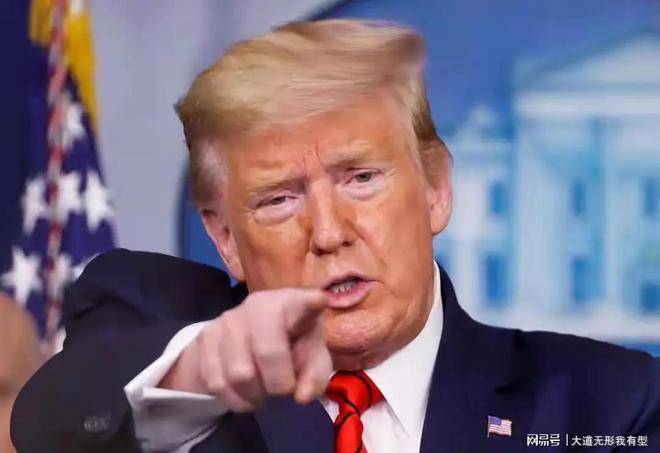
特朗普觉得美国和中国单打独斗肯定是不行了,公开拉拢36个盟友上
Sou Hu Cai Jing· 2025-09-17 07:23
Group 1 - The core viewpoint of the articles highlights the shift in U.S. strategy towards a multilateral approach in dealing with China, as President Trump acknowledges the difficulty of unilateral action and seeks to rally 36 allied nations to form a united front against China [1][3] - The upcoming U.S.-China trade talks in Madrid will focus on four key issues: intellectual property protection, forced technology transfer, rare earth export restrictions, and bilateral tariff adjustments [1] - Trump's mobilization of allies under the guise of secondary sanctions reflects the ineffectiveness of U.S. unilateralism and a fundamental shift in the global economic power structure, reminiscent of Cold War-era alliances [3][4] Group 2 - The article emphasizes that the current globalized economy has transformed, with interconnected supply chains and deep market integration, making it challenging for countries to sacrifice their own interests for the sake of alliances [3] - European nations, including Germany and France, openly oppose following the U.S. in imposing tariffs on China, indicating a rejection of Trump's aggressive strategy [3] - China's negotiation team demonstrates confidence due to its comprehensive industrial system, the importance of the Chinese market for multinational corporations, and a diversified network of international partnerships through mechanisms like RCEP and BRICS [3][4] Group 3 - The essence of the trade dispute is framed as a struggle over the distribution of global development benefits, with rare earth issues symbolizing supply chain security and equitable resource management [4][5] - The articles suggest that the confrontation between economic nationalism and global interconnectedness necessitates the establishment of a new cooperation philosophy in the international community [5]
产业经济周观点:中国本轮价格复苏的“跨时代”意义-20250720
Huafu Securities· 2025-07-20 13:46
Group 1 - The current price recovery in China may reshape the global demand cycle, output cycle, profit distribution, and capital flow [2][12] - The global advantage of China's output system is reflected in asset pricing, leading to a systematic PB (Price-to-Book) adjustment, with Chinese assets expected to rise rapidly and the RMB (Renminbi) likely to appreciate [2][12] - Focus is on non-bank financials, low PB stocks, Hang Seng Technology, and military industry, while paying attention to long-term bonds and micro-market risks [3][12] Group 2 - In June, China's exports showed strong growth, with a year-on-year increase of 5.9%, improving from 4.7% previously, and exports to the US saw a significant month-on-month increase of 32.44% [11][12] - The report indicates a broad recovery in commodity prices in China, suggesting a potential restructuring of globalization, moving away from the previous US-dominated profit monopoly [12] - The Hong Kong stock market saw significant gains, with the Hang Seng Index rising by 2.84% and the Hang Seng Technology Index increasing by 5.53% [13][15] Group 3 - The A-share market experienced a broad rally, with the Shanghai Composite Index rising by 0.69% and the ChiNext Index leading the gains [19][31] - The healthcare sector outperformed, with significant gains in cancer treatment concepts and biopharmaceuticals [18][31] - High-end manufacturing sectors showed strong relative performance, while financial and real estate sectors faced declines [31][32] Group 4 - The report highlights a divergence in foreign capital index futures positions, with IC turning into a net short position and IF expanding its net short position, while IH remained stable [41][42] - The onshore and offshore RMB swap yields have declined, with the 10-year US Treasury yield surpassing the yields of Chinese bonds and swaps [45][46] Group 5 - Upcoming key focus includes the US M2 money supply and new home sales data [47][49]
下半年投资机遇在哪?国泰海通策略会来了,信息量大
券商中国· 2025-06-05 23:33
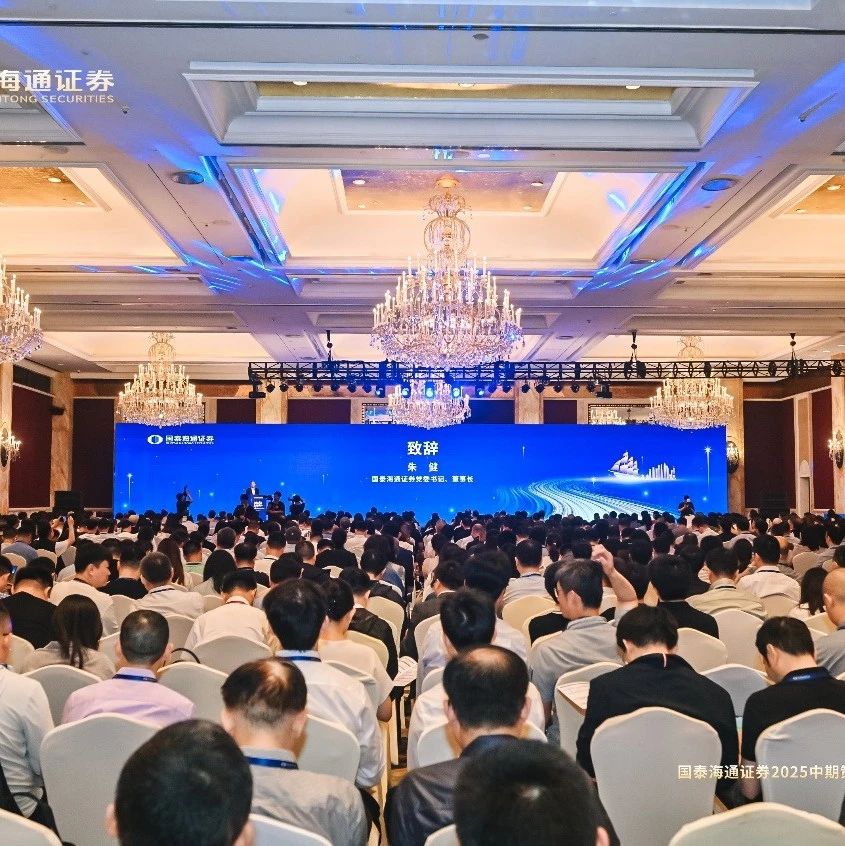
Group 1 - The conference held by Guotai Junan Securities on June 4-5, 2023, focused on the theme "Tide Rising in the East, New Quality Leading" and attracted over 200 speakers and nearly 1000 executives from listed companies, setting new records for participation and engagement [2][4] - Guotai Junan's Chairman Zhu Jian emphasized the importance of a series of incremental policies introduced since September 2022, which have significantly boosted social confidence and laid a solid foundation for achieving annual economic and social development goals [4] - The conference featured discussions on various hot topics, including new productive forces, consumption expansion, structural reforms, and the evolution of the Middle East situation, showcasing insights from prominent figures in finance and academia [4][8] Group 2 - The macroeconomic outlook for the second half of 2025 was a key focus, with Guotai Junan's macro chief analyst Liang Zhonghua discussing the restructuring of the global economic and monetary systems, highlighting risks related to the US dollar and potential inflation [6][8] - The strategy chief analyst Fang Yi presented a bullish outlook for the Chinese stock market, indicating a transition towards a "transformation bull" market driven by policy measures aimed at stabilizing asset prices and boosting demand [9] - The conference also included a variety of forums discussing European market investment prospects and wealth management strategies, featuring insights from international guests and renowned investors [9][10] Group 3 - The event utilized the Daohe APP to provide professional investors with live streaming and content related to mid-year investment strategies, enhancing engagement and accessibility for a broader audience [10] - The live broadcast of the conference received significant attention, with over 360,000 views, indicating strong interest in the insights shared during the event [10]