

Search documents
徽州古城年味浓
Xin Lang Cai Jing· 2026-02-10 16:58
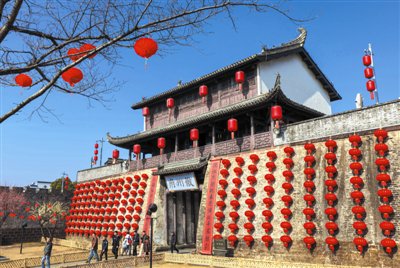
临近新春佳节,安徽省黄山市歙县的徽州古城张灯结彩,一串串大红灯笼与一副副徽州楹联点缀着古城 墙,处处洋溢着喜庆的节日氛围,吸引众多市民与游客前来感受浓浓的徽州年味。 (来源:市场星报) ...

北京首个校企共建具身智能机器人定向班开班
Xin Lang Cai Jing· 2026-02-10 16:58
(来源:劳动午报) 转自:劳动午报 据了解,这是北京市首个校企共建的具身智能机器人定向班,北京科技职业大学将依托京东的行业需求 与技术优势,优化专业设置与人才培养方案,把企业真实项目案例融入课堂教学,让课程内容紧跟技术 发展前沿。京东集团将选派技术骨干与专家担任兼职教师,参与课程教学与实习指导,确保学校培养出 的人才精准匹配企业需求。北京科技职业大学将搭建师生实践平台,让教师深入企业参与项目研发,提 升实践教学能力,让学生在实习岗位上锤炼专业技能,为就业筑牢基础。 同时,校企双方将携手打造实训基地,引入京东集团具身机器人售后服务产业到校内,校企共建产学研 一体化平台。"企业提供真实的机器人设备技术标准以及售后维修工程案例,学生能够全程参与机器人 的安装调试、故障诊断、技术改善和售后服务维修等项目。"北京科技职业大学机电工程学院院长黄敦 华介绍,与传统的校企合作方式相比,这种"校中厂"实践模式让学生在真实的产业场景中沉浸式学习, 技能匹配度明显提高,参与技术攻关的优秀学生享有优先入职企业渠道;企业可获得定制化的人才储备 与技术研发测试平台;学院则通过产学研协同实现课程迭代升级与师资能力提升,教学与生产实现无缝 ...


欧亚国家精品推广周暨年货节开幕
Xin Lang Cai Jing· 2026-02-10 16:58
(来源:劳动午报) 转自:劳动午报 近日,"共享大市场 出口中国"北京国际精品荟——"汇全球 聚雅宝"欧亚国家精品推广周暨年货节于朝 阳区日坛国际贸易中心阳光大道启动。活动现场汇聚来自俄罗斯、伊朗、吉尔吉斯斯坦、摩尔多瓦、保 加利亚、哈萨克斯坦等30多个欧亚国家地区的特色商品,为市民群众打造一站式国际年货采购平台,在 春节前夕营造浓厚的跨境消费氛围。 为提升市民群众参与体验,此次活动以线下展示销售的模式,将异国风味与中国年味完美融合。活动设 置在北京极具异国特色的室内天街——日坛国际贸易中心B座的阳光大道。记者注意到,200余米的室 内长街上汇聚了来自30多个欧亚国家地区的好物,不同国家的商户与消费者穿梭其间,现场弥漫着美食 的香气与欢快的笑语。俄罗斯的巧克力、蜂蜜、特色甜品,阿塞拜疆的坚果与传统工艺品,斯里兰卡的 红茶和宝石,伊朗的特色挂毯等各国特色商品整齐陈列,还有非遗文创商品齐聚亮相,既有满足日常所 需的民生好物,也有兼具收藏与赠送价值的特色精品。 "不用出国就能买到正宗的俄罗斯蜂蜜,还能现场体验异国文化,太有意义了。"正在挑选年货的市民李 女士说。不少外国商户更是用流利的中文热情推介,部分摊位还提供快 ...
东湖街道总工会举办暖“新”联欢会
Xin Lang Cai Jing· 2026-02-10 16:58
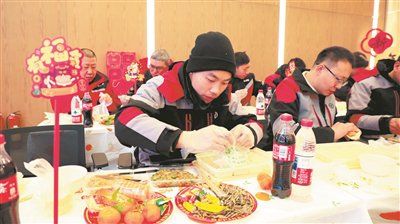
(来源:劳动午报) 转自:劳动午报 本报讯(记者 刘欣欣) 近日,"情暖东湖 '新'意满满——2026东湖街道新就业形态劳动者群体喜迎新春 联欢会"举行。辖区美团、顺丰等4家单位的40名新就业形态劳动者与东湖街道总工会、党群服务中心工 作人员欢聚一堂,共迎新春。 活动现场年味十足。包饺子环节中,大家分工协作,和面、擀皮、包馅……欢声笑语间,热气腾腾的饺 子出锅。同步开展的节目展演、抢答和猜灯谜环节,既丰富了户外劳动者的精神文化生活,也实现了知 识传递。东湖街道总工会相关负责人表示,下一步,工会将持续聚焦新就业形态劳动者群体的急难愁 盼,不断丰富服务内容,当好新就业形态劳动者的"娘家人"。通讯员 陆春宇 摄 ...
来广营地区总工会“新春三部曲”关爱户外劳动者
Xin Lang Cai Jing· 2026-02-10 16:58
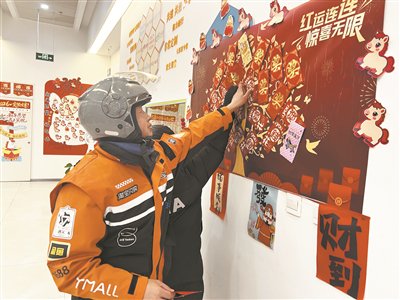
(来源:劳动午报) 转自:劳动午报 本报讯 (记者 刘欣欣) 新春将至,朝阳区来广营地区总工会携手清苑路第三社区联合工会,在华贸商 圈开展"暖'新'聚心 喜迎新春"主题系列活动,以"新春三部曲"形式,为辖区快递员、外卖配送员等新就 业形态劳动者送上节日关怀。 活动首日,华贸商圈驿站内已布置好温馨的新春打卡点,"马上有福"主题背景墙格外醒目,吸引了不少 附近的新就业形态劳动者驻足参与。大家纷纷在背景墙前合影,并写下新年愿望。 为增添节日惊喜,来广营地区总工会特别设置"幸运红包"墙和实物抽奖环节,每位参与者都能抽取一份 装有实用物品兑换券的"幸运红包"。"幸运红包"内装有防风手套、电动车车衣等贴合户外劳动者日常需 求的物品。 活动尾声,来广营地区总工会邀请有意愿的户外劳动者担任"新春祝福使者",将一张张"福"字、一副副 春联送到居民手中。 来广营地区总工会相关负责人表示,此次活动以贴心的物品、欢快的互动和温情的传递,让新就业形态 劳动者感受到"家"的温暖。未来,工会将继续聚焦新就业形态劳动者的实际需求,创新服务形式,拓展 关爱维度,营造理解、尊重、关爱新就业形态劳动者的良好氛围。 通讯员 乔婷婷 摄 ...
CFTC 芝加哥执法团队撤空,年度罚没从 171 亿美元骤降至不足 1000 万
Xin Lang Cai Jing· 2026-02-10 16:58
据 Barron's 报道,CFTC 执法核心的芝加哥办公室已失去全部执法律师,该办公室此前约有 20 名执法 人员,本周最后一名律师离职后降至 0 人;CFTC 2024 财年共提起 58 起执法行动并获得 171 亿美元货 币性救济,而 2025 财年仅 13 起、金额不足 1000 万美元;该办公室此前曾主导对 Binance 与 FTX 的重 大案件,分别促成 28.5 亿美元和 127 亿美元和解。 (来源:吴说) ...
四川省教科文卫工会以“引智助企”小切口赋能产教融合
Xin Lang Cai Jing· 2026-02-10 16:58
(来源:劳动午报) 转自:劳动午报 四川省教科文卫工会以企业"出题"、工会搭台、高校"献智",探索实施"引智助企"项目,通过帮助企业 突破智能制造、新材料研发等技术瓶颈,已促成200余项校企合作等案例,构建了产教深度融合、多方 协同联动的工作机制。 打通供需堵点,构建精准对接机制。四川省教科文卫工会深入一线摸排企业需求,与市、县两级工会联 动,走访政府经济部门、实地调研近500家企业,通过座谈交流、分类引导,打消企业顾虑,累计梳理 可用需求800余项。在调研40所省内高校优势学科基础上,争取中国教科文卫体工会和四川省总工会支 持,联合主办示范活动。全委梳理212条专家项目信息,协调14个省(区、市)产业工会、中科院、中 国保利集团等,匹配20多家对口高校、科研院所和央企专家参与。 破解创新难题,打造立体服务模式。构建多层次协同联动模式方面,推动形成"中国教科文卫体工会和 四川省总工会牵头,北京市教育工会等14家兄弟省级产业工会支援,四川省教科文卫工会执行,市级产 业工会落实"的"上下一盘棋"工作格局。围绕企业关键技术攻关、数智化转型升级等需求,组织校企双 方洽谈会,达成合作意向;确定工会联络员,跟踪项目进展, ...
安徽“端”出春节消费盛宴
Xin Lang Cai Jing· 2026-02-10 16:58
(来源:市场星报) 春节9天假期将至,记者从昨日安徽省政府新闻办举行的新闻发布会上了解到,安徽省商务厅将会同省 文化和旅游厅、省体育局、人民银行安徽省分行等多部门,以及铁路、民航等运输单位,在全省范围内 组织开展2026"乐购新春·徽动消费"春节特别活动。本次活动从丰富活动供给、加大政策支持、打造多 元场景三方面发力,全方位激活春节消费市场,为消费者送上新春福利。 六大主题活动 解锁新春消费新体验 安徽省商务厅副厅长张弘强介绍,本次活动紧扣群众多元消费需求,围绕"好吃、好住、好行、好游、 好购、好玩"六大方面,将在全省统筹开展各类促消费活动500余场,让群众在新春佳节尽享消费乐趣。 在"好吃"板块,安徽省以老字号、土特产、地方特色食品为核心,组织开展"年味送到家""外卖美食 荟""徽州团圆宴"等特色活动。各地餐饮企业将推出年夜饭套餐,重点商圈还将设置美食市集,让市民 和游客一站式尝遍"皖味"年味。 在"好住"板块,全省鼓励连锁酒店、精品民宿、度假村等住宿业态,开展"新春好好住"主题活动,推出 连住优惠、家庭套房礼包、新春迎客礼等优惠措施。同时,相关行业协会将联动家居卖场、家电品牌、 家装企业等,同步开展家居家 ...
免费拍摄全家福 为户外劳动者赋能鼓劲
Xin Lang Cai Jing· 2026-02-10 16:58
为户外劳动者免费拍摄全家福,定格的是美好瞬间,留在职工心底的是长久的温暖。这样深受职工欢迎 的公益活动,多多益善。□方醒 (来源:劳动午报) 转自:劳动午报 岁末寒冬,福建省罗源县工人文化宫工会驿站内暖意融融。近日,罗源县总工会在此举办"情暖驿站 定 格新春"户外劳动者全家福摄影公益活动,用镜头为平日奔波于大街小巷的户外劳动者记录下难得的团 圆瞬间,送上一份独具温情的礼物。(2月9日《福州日报》) 据报道,活动现场,红灯笼、春联等元素将驿站装点得年味十足。在摄影师引导下,环卫工人、快递 员、外卖配送员等户外劳动者与家人一起,或亲密相依,或展露笑颜,在一声声清脆的快门声中,定格 一张张洋溢着幸福的全家福。工作人员悉心为每个家庭整理妆容、调整姿态,确保将最美好的团圆时刻 完美留存。 对于长年奔波于大街小巷的户外劳动者而言,新年不但是辞旧迎新的节点,也是难得的家人团聚时刻。 一幅喜庆的全家福照片,可以记录下家庭的团圆、亲人的陪伴,同时留作珍贵的纪念,寄托美好祝福。 罗源县总工会为户外劳动者免费拍摄全家福,很好地契合了这个群体的需求。 此次活动免费拍摄"全家福"的同时,还为每户参与家庭精心修图,并赠送相框,充分体现工 ...
“村晚”展示出 乡村文艺大舞台的魅力
Xin Lang Cai Jing· 2026-02-10 16:58
文化兴国运兴,文化强民族强。近年来,农民自编自导、自演自赏的"村晚"作品,唱身边事,演身边 人,道家乡美,赞新生活成为一道亮丽的风景线。"村晚"的节目,往往带有"土"味,但美也就美在这一 个"土"字。经过精心提炼的"村晚"节目单越是原汁原味,老百姓看得越尽兴,认可度越高。让乡愁落地 生根,把传统文化传承下去,让乡村文化在现代文明体系中找到属于自己的位置,要完成这样的使 命,"村晚"无疑是最好的载体、最接地气的舞台。 用歌声歌唱生活,用欢笑赞美时代。一台台成功的"村晚",既能展现新农村人的幸福生活,又能表达对 未来新农村生活的美好愿景。此次"我们的节日·春节"村晚,是一场群众演、群众看、群众乐的马年"村 晚"。开场歌舞《瑞兽献新春》融合非遗与民俗,瞬间点燃气氛。小品《门里门外》生动演绎邻里温 情,引发观众共鸣。"茉莉花开"文艺直通车带来了苏州评弹《湖畔村的笑声》、淮歌潮唱《茉莉花》等 精彩节目。"村晚"舞台虽小,却让人们看到了背后乡村振兴的"大戏"。伴随着全力实施乡村振兴战略, 要振兴的不仅是物质经济,更是乡亲们的心气神气,要美起来的不仅是村容村貌,更有民风民俗、精神 文化,而 "村晚"就是一个很好的载体。 □ ...