
《巫师3》

Search documents
备受期待的《丝之歌》,汉化翻车了?
Hu Xiu· 2025-09-05 23:11
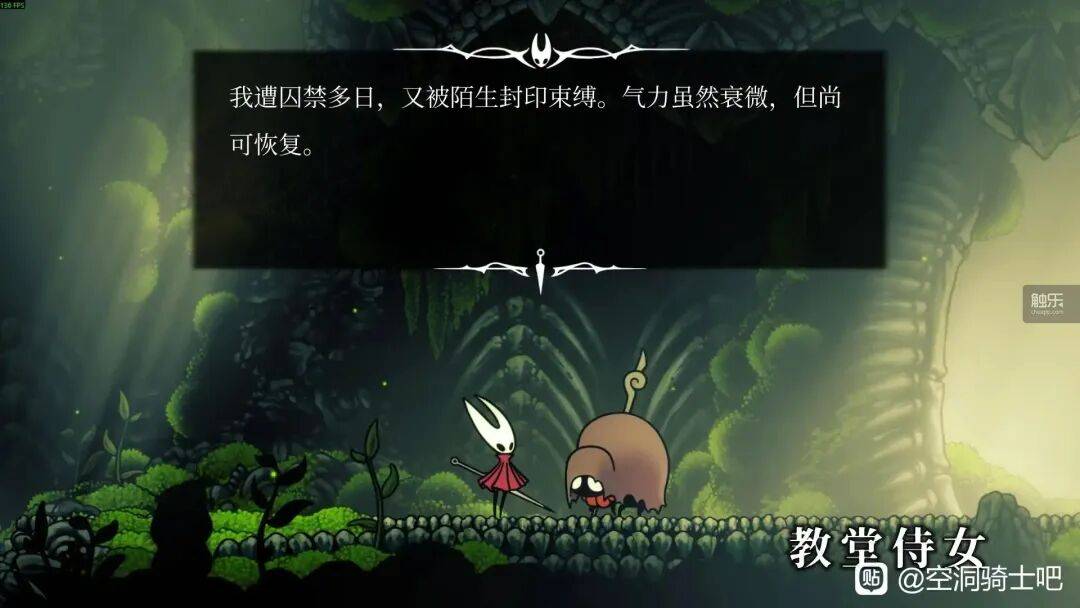
Core Viewpoint - The Chinese localization of "Hollow Knight: Silksong" has received significant criticism from players due to poor translation quality, which has negatively impacted the gaming experience [1][3][4]. Translation Quality Issues - Players have expressed dissatisfaction with the translation, noting that it lacks clarity and coherence compared to the original game's engaging and concise text [1][5][7]. - The simplified Chinese version features overly complex and archaic language, which detracts from the game's intended tone and style, leading to confusion among players [1][6][9]. Impact on Player Experience - The fragmented narrative style of the "Hollow Knight" series makes effective communication essential, as players have limited time to engage with text and dialogue [5][6]. - The emotional connection players form with characters is heavily influenced by the dialogue, and the current translation fails to convey the intended personality and sentiment [6][7]. Reasons for Translation Problems - The quality of translation is often linked to the translator's proficiency in both the source and target languages, as well as their familiarity with the game [9][10]. - Many localization efforts occur simultaneously with game development, leading to situations where translators work without sufficient context, resulting in errors [10][12]. Expectations for Future Improvements - The marketing and distribution team for "Silksong" has acknowledged the translation issues and is committed to improving the localization in the coming weeks [14].

中国游戏为何能强势“出海”
Zheng Quan Ri Bao· 2025-08-24 15:55
Core Insights - The article highlights the emergence of a new wave of Chinese gaming companies venturing into global markets, exemplified by the launch of "Black Myth: Zhong Kui" by Game Science, which showcases confidence in innovation and a shift in global positioning for Chinese games [1][3] Group 1: Game Development and Innovation - Game Science has chosen to develop a new IP instead of following the traditional route of releasing DLCs after a successful title, indicating a strong belief in their team's innovative capabilities [1] - The success of "Black Myth: Wukong," which sold over 28 million copies and generated over 9 billion yuan in revenue, demonstrates the potential for high-quality standalone games in the global market [3] - The use of advanced technologies, such as Unreal Engine 5, and the integration of AI in game development have significantly lowered production costs and enhanced the quality of games [4] Group 2: Market Trends and Opportunities - The Chinese gaming industry is experiencing a "going global" trend, with a projected overseas revenue of $9.501 billion in the first half of 2025, reflecting an over 11% year-on-year growth [2] - The PC gaming market is becoming a new growth point, with a projected market size of $43.2 billion in 2024, growing at a rate of 4%, which is higher than the overall gaming market growth [3] - Multi-platform and global distribution strategies are becoming standard, as seen with "Black Myth: Zhong Kui," which plans to launch on both PC and major console platforms [5] Group 3: Cultural and Technical Advancements - The integration of traditional Chinese cultural elements into games is becoming a competitive advantage for Chinese developers, allowing them to tell deeper stories and engage with global audiences [4] - The gaming industry is witnessing a significant improvement in technical capabilities and aesthetic expression, with leading companies now able to customize and develop their own engines [4] - The balance between innovation investment and market returns remains a challenge for companies, as they navigate the costs associated with developing AAA titles and the need for diverse revenue streams [5]