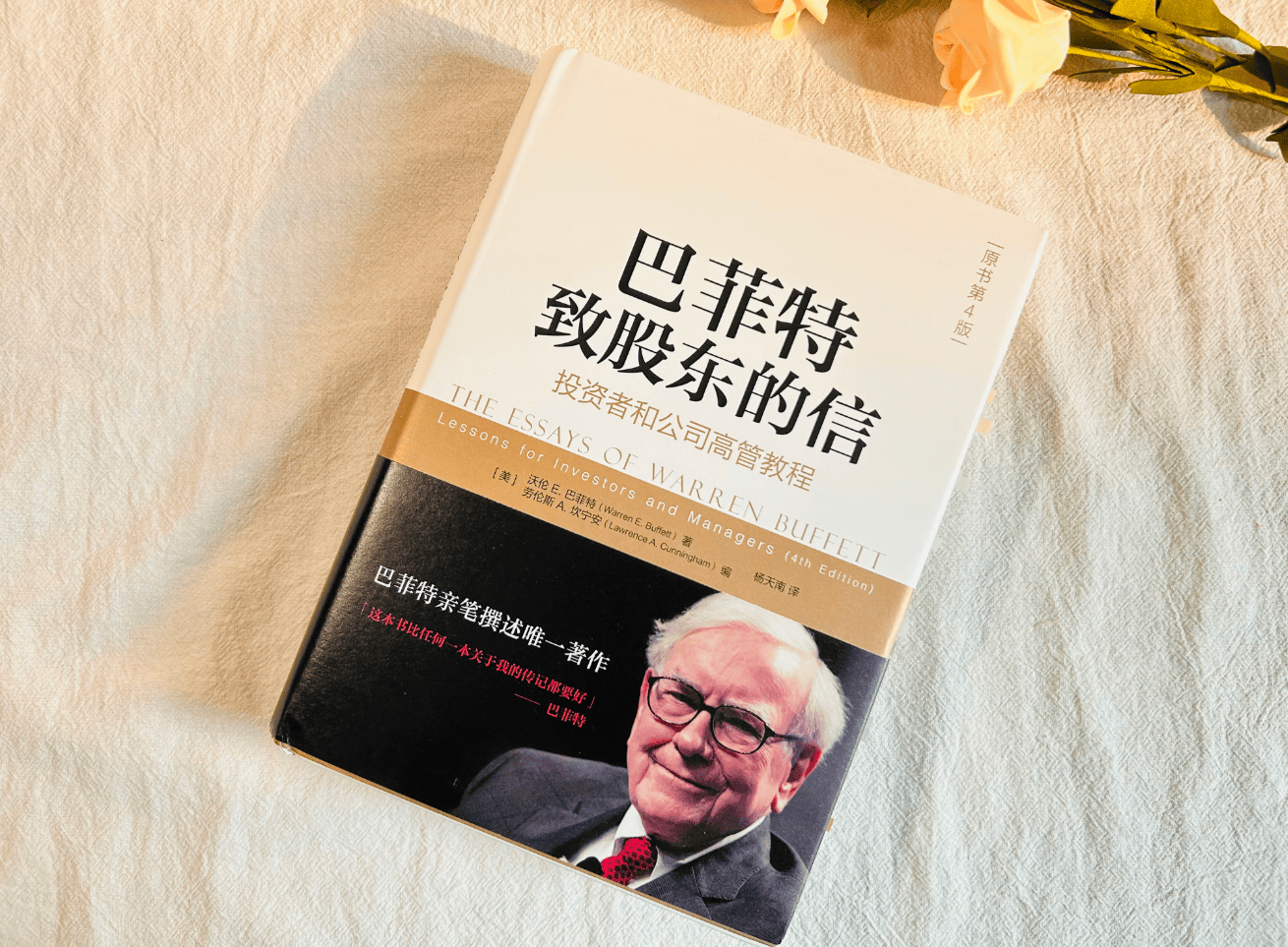
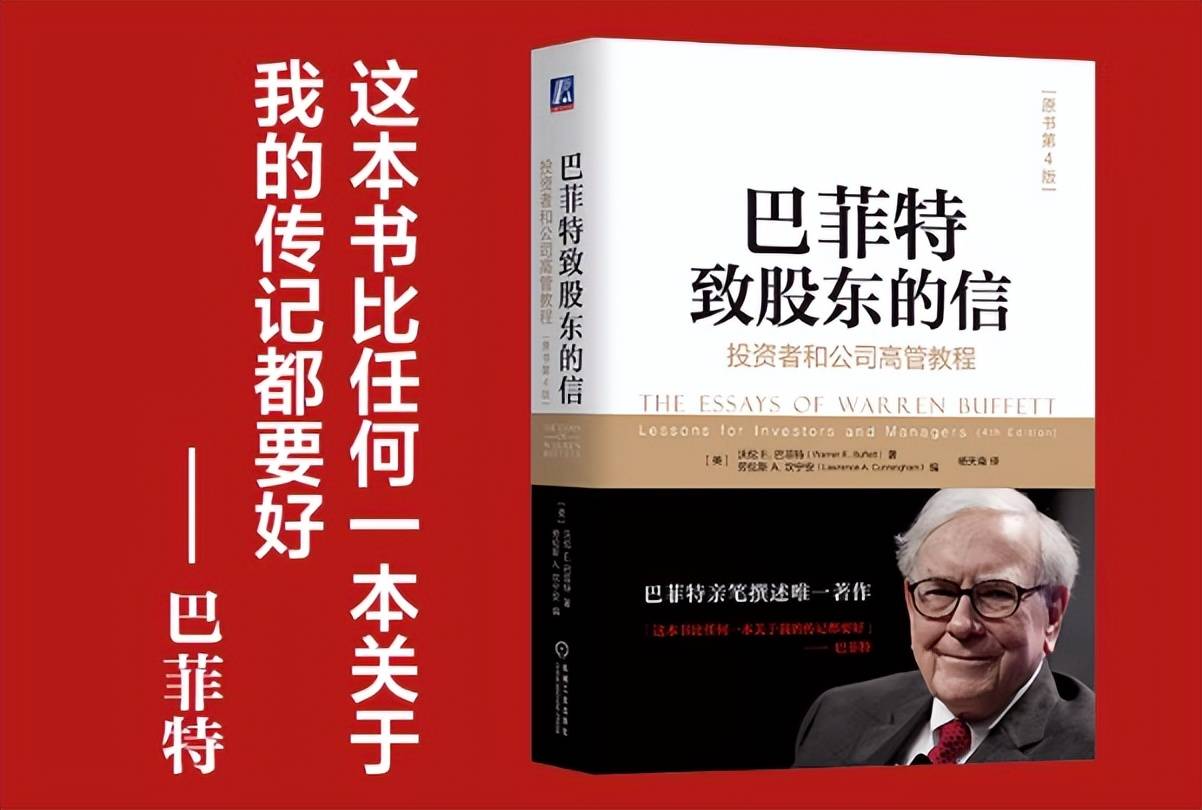
《巴菲特致股东的信》

Search documents
《巴菲特致股东的信》:在别人贪婪的时候恐惧,在别人恐惧的时候贪婪
Sou Hu Cai Jing· 2026-01-05 08:00
Core Insights - The article emphasizes the psychological barriers of ignorance and greed that hinder effective investment decisions, leading to poor financial outcomes for many individuals [1][2][6][19]. Group 1: Investment Psychology - Many individuals experience anxiety when it comes to financial management and investment, often resulting in either inaction or impulsive decisions driven by market trends and rumors [1][2]. - The tendency to follow expert opinions or market trends without understanding the underlying value can lead to significant losses, as investors often buy high and sell low [3][4]. - The article references Warren Buffett's famous quote about being greedy when others are fearful and vice versa, highlighting the importance of contrarian thinking in investment strategies [6][7][8]. Group 2: Long-term Investment Philosophy - Buffett's investment philosophy advocates for a long-term perspective, suggesting that if an investor is not willing to hold a stock for ten years, they should not consider owning it for even ten minutes [16][18]. - The article illustrates this with Buffett's investment in BYD, where he recognized the company's potential in the electric vehicle market and held onto his shares despite market fluctuations, resulting in substantial returns [18]. Group 3: Understanding Risk - The article stresses that investment risk is closely tied to the investor's understanding of the investment itself; lack of knowledge can lead to significant risks [19][20]. - Buffett's approach involves investing only in businesses that he understands, avoiding sectors where he lacks insight, such as technology in his early career [21][22][23]. Group 4: Value vs. Price - The distinction between price and value is crucial; price is what is paid in the market, while value reflects the intrinsic worth of a company based on its fundamentals [12][13][14]. - Investors are encouraged to focus on the underlying value of companies rather than being swayed by short-term price movements, as exemplified by Buffett's investment in Coca-Cola [13][14]. Group 5: Learning and Growth - The article concludes that understanding fundamental investment principles can help investors avoid common pitfalls and make more informed decisions, emphasizing the importance of continuous learning in investment practices [25].



一定要大量读书,投资理财入门的5本经典好书,强烈推荐
Sou Hu Cai Jing· 2025-12-30 09:09
Group 1 - The core idea of the articles emphasizes the importance of understanding investment principles and human behavior to achieve long-term success in investing [3][4][6] - The concept of "Mr. Market" is highlighted, illustrating that investors should not be swayed by short-term market fluctuations but should focus on the intrinsic value of quality companies [6][10] - The significance of maintaining a rational and patient approach in investing is reiterated, as many investors tend to forget these principles during critical moments [4][6] Group 2 - "The Intelligent Investor" by Benjamin Graham distinguishes between investment and speculation, stressing the need for a rational approach based on thorough analysis of a company's intrinsic value [15][16][17] - The book emphasizes the psychological factors that can lead to poor decision-making, such as greed and fear, which are common pitfalls for investors [17] - The importance of understanding the long-term potential of investments rather than chasing short-term gains is a key takeaway [15][17] Group 3 - "Principles" by Ray Dalio focuses on the importance of facing reality and understanding causal relationships in decision-making, which is applicable not only in investing but also in personal growth [19][20][21] - The book encourages the development of a decision-making system that minimizes subjective biases and promotes learning from mistakes [21][22] - Dalio's perspective on failure as a necessary component of progress is a crucial insight for investors [22][23] Group 4 - "Value Investing" by Bruce C. Greenwald provides a comprehensive overview of the evolution of value investing and introduces a dynamic framework for modern market conditions [25][26] - The book clarifies that true value comes from a company's economic structure rather than merely buying cheap stocks, emphasizing the importance of competitive advantages and industry structure [26][27] - The concept of "margin of safety" is discussed in depth, highlighting the need for investors to account for uncertainties in their valuations [28][29]
能够长期坚持阅读的人,赚钱只在早晚
洞见· 2025-11-04 12:35
Core Viewpoint - The article emphasizes that true poverty is not merely a lack of income, but rather a deficiency in mental and spiritual nourishment, highlighting the importance of reading as a means to enrich oneself and improve life circumstances [4][14]. Group 1: Importance of Reading - Reading is portrayed as a transformative process that shapes individuals over time, akin to sculpting, where the knowledge gained may not be immediately apparent but contributes to personal development [15][16]. - Engaging in reading can activate the brain's prefrontal cortex, enhancing cognitive abilities and distinguishing individuals in a competitive environment [15]. - Historical examples illustrate that those who read influential books during pivotal times often capitalize on emerging opportunities, leading to financial success [18]. Group 2: Personal Experiences and Growth - The article shares anecdotes of individuals who, despite facing challenging circumstances, leveraged their reading habits to gain insights and navigate their careers successfully [19][22]. - One individual, who maintained a reading habit during a market downturn, was able to anticipate recovery and position themselves advantageously in a new company [22][24]. - The narrative underscores that reading fosters clarity of goals, flexibility in thinking, and a broader perspective, which are essential for long-term success [25]. Group 3: Overcoming Adversity through Knowledge - The author recounts a personal journey of overcoming career challenges through the acquisition of knowledge via reading, which ultimately led to entrepreneurial success [30][33]. - The article suggests that the time invested in reading can yield significant returns in terms of personal and professional growth, even if the benefits are not immediately visible [36][39]. - It concludes that the qualities developed through reading are universally recognized as valuable assets in any industry, contributing to financial success [40][41].

十一长假充电指南:5类投资好书助你逆袭“财富认知”
雪球· 2025-10-03 07:58
Group 1 - The article emphasizes the importance of financial literacy and developing a proper money mindset as the first step towards wealth freedom, especially for beginners who feel they have "no money to manage" [4][5][6] - It introduces engaging and easy-to-understand books like "The Rich Dad Poor Dad" and "The Little Money Dog" to help readers build a new understanding of wealth and financial management [5][6] - The article highlights the significance of value investing, founded by Benjamin Graham, which focuses on finding stocks priced below their intrinsic value for long-term gains [8][9] Group 2 - "The Intelligent Investor" is presented as a foundational text in value investing, introducing the concept of "margin of safety" to protect against market volatility [9] - "Warren Buffett's Letters to Shareholders" provides insights into Buffett's investment philosophy, emphasizing the importance of long-term competitive advantages and intrinsic value over short-term price fluctuations [10] - Practical methods for applying value investing principles in stock selection and asset allocation are discussed, including industry analysis and financial metrics [11][12] Group 3 - The article discusses the basics of technical analysis, which helps investors make informed decisions based on historical price and volume data [15][16] - "Japanese Candlestick Charting Techniques" is recommended for understanding market trends and buy/sell signals through candlestick patterns [16] - "Market Trend Analysis" is highlighted as a comprehensive guide to identifying market trends and managing risk through various technical indicators [17][18] Group 4 - The importance of a systematic trading approach is emphasized, with "The Turtle Trading Rules" providing a framework for disciplined trading based on clear entry and exit rules [20] - "The Simplest Thing in Investing" offers localized strategies for the A-share market, focusing on finding undervalued stocks and understanding pricing power [21] Group 5 - The article stresses the psychological aspects of investing, highlighting the need for a rational mindset to navigate market volatility [22][23] - "Poor Charlie's Almanack" is recommended for its insights into multi-disciplinary thinking and investment philosophy [24] - "The Most Important Thing" by Howard Marks emphasizes understanding market cycles and risk management as key components of successful investing [25] Group 6 - The article addresses the impact of human psychology on investment decisions, suggesting strategies to overcome emotional biases [26][27] - "Reminiscences of a Stock Operator" illustrates the influence of fear and greed on trading behavior through the life of Jesse Livermore [27] - "Fooled by Randomness" warns against cognitive biases and emphasizes the importance of risk management in unpredictable markets [28] Group 7 - The article provides a reading strategy for efficiently absorbing investment knowledge during holidays, suggesting a mix of short and long reading sessions [30][31] - It encourages practical application of learned concepts by identifying actionable insights from each book read [34][35] - The importance of verifying investment theories against current market conditions is highlighted to avoid blind adherence to strategies [36]