
市场先生

Search documents
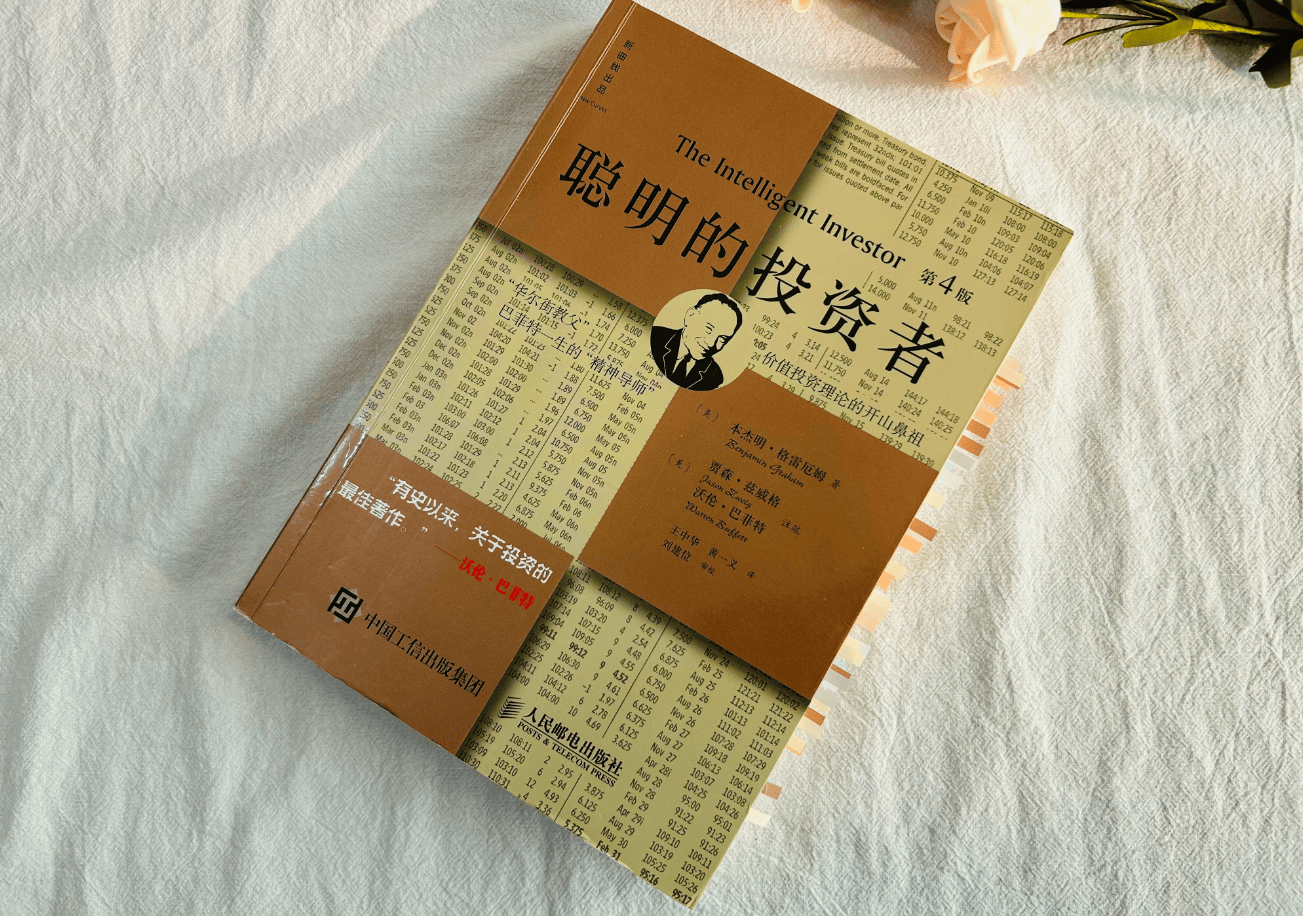
《聪明的投资者》:投资的核心不是赚多少,而是先保证不亏。
Sou Hu Cai Jing· 2026-02-13 06:37
Core Insights - The essence of investing is to avoid losses, as emphasized by Benjamin Graham, stating that the primary principle is to ensure no loss occurs [2][28][32] - Emotional control is crucial in investing, as many investors fail not due to poor stock selection but due to emotional mismanagement [7][21][27] Group 1: Investment Principles - The first rule of investing is to "never lose money," and the second rule is "never forget the first rule" [1][2] - Significant losses require substantial gains to recover; for instance, a 50% loss necessitates a 100% gain to break even, while an 80% loss requires a 400% gain [5][6] - Investment is not gambling; it is about risk management and ensuring gradual asset growth [9][11][32] Group 2: Market Behavior - The market is likened to an emotional neighbor, "Mr. Market," who fluctuates between high and low moods, affecting stock prices [15][16] - Investors should not be swayed by market emotions; instead, they should remain calm during market volatility [19][20][32] Group 3: Safety Margin - The concept of "safety margin" involves purchasing assets at a price significantly lower than their intrinsic value to mitigate risk [22][23] - A safety margin allows for errors in judgment, as it provides a buffer against market fluctuations [22][28] Group 4: Practical Investment Strategies - Investors should establish their own judgment criteria and avoid impulsive decisions based on market trends or social media [23][24] - Diversification is recommended, with an emphasis on index funds rather than betting on individual stocks [26] - Emotional management is more important than technical skills; maintaining a stable mindset during market fluctuations is essential for long-term success [27][32]

巴菲特正式退休,从114美元起步的他究竟赚了多少钱?
Sou Hu Cai Jing· 2026-01-04 05:11
Core Insights - Warren Buffett, at the age of 95, officially retires as CEO of Berkshire Hathaway on January 1, 2026, passing the leadership to Greg Abel, marking the end of an era in investment history [2] - Buffett's investment philosophy and strategies have significantly influenced global capital markets, with a focus on value investing and long-term wealth accumulation [2][12] Investment Journey - Buffett's investment journey began at age 11 with a $114.75 investment in Cities Service preferred stock, igniting his passion for the capital markets [2] - By age 16, his investment portfolio had grown to approximately $53,000 in today's terms, and he became a millionaire by age 32 and a billionaire by age 56, demonstrating a deep understanding of compound interest and market dynamics [3] Berkshire Hathaway's Transformation - In 1965, Buffett took control of Berkshire Hathaway, initially a struggling textile company, and transformed it into a diversified holding company, acquiring insurance firms, manufacturing companies, and consumer brands [3] - Since 1964, Berkshire Hathaway's A-class stock price has surged from about $19 to over $600,000 by the end of 2025, outperforming the S&P 500 by more than 140 times [3][5] Investment Performance - A $10,000 investment in Berkshire in 1965 would have grown to $550 million by 2025, while the same amount in the S&P 500 would be approximately $3.9 million, showcasing Berkshire's exceptional long-term returns [5] - As of 2025, Berkshire's market capitalization exceeded $1 trillion, making it the 11th largest publicly traded company globally, with a diverse portfolio including BNSF Railway, GEICO, and significant stakes in Apple and other major corporations [5][6] Key Investments - Buffett's investment in Apple, which began in 2016, has become Berkshire's largest holding, with approximately 900 million shares valued at over $65 billion, reflecting a 500% increase since the initial purchase [6] - Other significant investments include Coca-Cola, Bank of America, and American Express, which have also yielded substantial returns, embodying Buffett's value investing philosophy [6] Crisis Management - During the 2008-2009 financial crisis, Buffett made strategic investments in major companies like Goldman Sachs and General Electric, earning over $10 billion from these transactions and reinforcing his reputation as a stabilizing force in turbulent times [8] Philanthropy and Legacy - Buffett's personal net worth is approximately $150 billion, but he has pledged to donate 99% of his wealth, having already contributed over $60 billion to various charitable causes [9] - His investment principles, such as the circle of competence, margin of safety, and long-term holding, continue to influence investors worldwide, emphasizing the importance of understanding and patience in investing [11][12]



一定要大量读书,投资理财入门的5本经典好书,强烈推荐
Sou Hu Cai Jing· 2025-12-30 09:09
Group 1 - The core idea of the articles emphasizes the importance of understanding investment principles and human behavior to achieve long-term success in investing [3][4][6] - The concept of "Mr. Market" is highlighted, illustrating that investors should not be swayed by short-term market fluctuations but should focus on the intrinsic value of quality companies [6][10] - The significance of maintaining a rational and patient approach in investing is reiterated, as many investors tend to forget these principles during critical moments [4][6] Group 2 - "The Intelligent Investor" by Benjamin Graham distinguishes between investment and speculation, stressing the need for a rational approach based on thorough analysis of a company's intrinsic value [15][16][17] - The book emphasizes the psychological factors that can lead to poor decision-making, such as greed and fear, which are common pitfalls for investors [17] - The importance of understanding the long-term potential of investments rather than chasing short-term gains is a key takeaway [15][17] Group 3 - "Principles" by Ray Dalio focuses on the importance of facing reality and understanding causal relationships in decision-making, which is applicable not only in investing but also in personal growth [19][20][21] - The book encourages the development of a decision-making system that minimizes subjective biases and promotes learning from mistakes [21][22] - Dalio's perspective on failure as a necessary component of progress is a crucial insight for investors [22][23] Group 4 - "Value Investing" by Bruce C. Greenwald provides a comprehensive overview of the evolution of value investing and introduces a dynamic framework for modern market conditions [25][26] - The book clarifies that true value comes from a company's economic structure rather than merely buying cheap stocks, emphasizing the importance of competitive advantages and industry structure [26][27] - The concept of "margin of safety" is discussed in depth, highlighting the need for investors to account for uncertainties in their valuations [28][29]
热点思考 | 跟随市场——9月非农点评与12月美联储降息展望(申万宏观·赵伟团队)
赵伟宏观探索· 2025-11-25 04:27
Core Insights - The article discusses the mixed signals from the U.S. labor market and the implications for the Federal Reserve's interest rate decisions, particularly regarding the potential for a rate cut in December [1][5]. Group 1: Labor Market Analysis - The September non-farm payroll data showed a mixed performance, with 119,000 jobs added, exceeding market expectations, but the unemployment rate rose to 4.4% [1][5]. - Average hourly earnings increased by only 0.2% month-over-month in September, a significant slowdown from 0.4% in August [1][5]. - The rise in the unemployment rate was primarily driven by individuals who were unemployed or left their jobs, while the contribution from new entrants to the labor market remained stable [10][17]. Group 2: Interest Rate Expectations - The interest rate cut speculation began after the October FOMC meeting, where Powell's hawkish comments shifted market expectations, leading to volatility in asset prices [3][25]. - Following the mixed non-farm data, the probability of a December rate cut increased slightly by 9% after the November 20 data release, but a more significant rise to nearly 70% occurred after dovish comments from New York Fed President Williams on November 21 [3][34]. - The uncertainty surrounding the December rate cut is influenced by the lack of timely economic data due to government shutdowns, which may lead the Fed to adopt a more cautious approach [3][42]. Group 3: Economic Conditions and Fed's Stance - Economic fundamentals and the availability of data suggest that a December rate cut is not guaranteed, as the September non-farm data did not provide clear signals of economic strength or weakness [42][43]. - The Fed's risk balance has shifted from a preventive rate cut approach to a more data-dependent strategy, especially as the current interest rates approach neutral levels [42][43]. - Recent statements from Fed officials indicate a divided stance on further rate cuts, with a slight majority opposing immediate cuts, reflecting concerns about inflation and the current economic conditions [42][43].

热点思考 | 跟随市场——9月非农点评与12月美联储降息展望(申万宏观·赵伟团队)
申万宏源宏观· 2025-11-23 10:51
Group 1 - The core viewpoint of the article discusses the mixed signals from the U.S. labor market and the implications for the Federal Reserve's interest rate decisions, particularly regarding the potential for a rate cut in December [1][5][42] - The September non-farm payroll data showed a strong addition of 119,000 jobs, exceeding market expectations, but the unemployment rate rose to 4.4%, indicating a mixed labor market performance [1][5][10] - The average hourly wage growth slowed to 0.2% month-on-month in September, down from 0.4% in August, raising concerns about wage inflation and its impact on monetary policy [1][8][10] Group 2 - The article highlights the uncertainty surrounding the Federal Reserve's decision-making process, with internal divisions among members regarding the necessity of a rate cut in December [4][42][43] - Following the October FOMC meeting, market expectations for a December rate cut fluctuated significantly, influenced by comments from Fed officials and economic data releases [3][25][34] - The upcoming economic data releases, particularly the delayed employment and CPI data, will be crucial for the Fed's assessment before the December meeting, as they will lack timely information to guide their decision [42][44] Group 3 - The article notes that while the market currently anticipates a high probability (around 70%) of a rate cut in December, various economic indicators suggest that the Fed may adopt a more cautious approach [42][43] - The labor market's mixed signals, including rising unemployment and stable jobless claims, complicate the Fed's outlook and decision-making process [2][17][42] - The Fed's shift from a preventive to a data-dependent approach indicates a more nuanced stance on interest rate adjustments as they approach neutral rates [42][43]

巴菲特如何在30岁前赚到100万美元
Sou Hu Cai Jing· 2025-10-20 13:53
Core Insights - The article discusses how Warren Buffett accumulated a million-dollar fortune by the age of 30 through systematic application of investment principles learned from his mentor Benjamin Graham and by identifying overlooked opportunities in the market [1][10]. Group 1: Investment Principles - Buffett emphasizes the importance of viewing stocks as ownership in companies and seeking a "margin of safety" in investments [1]. - He advises looking for opportunities in areas that others ignore, such as undervalued companies or assets, rather than following popular stocks [2]. - The article highlights Buffett's early investment strategies, including a notable transaction involving a company with undervalued cocoa bean inventory, which he capitalized on by exchanging shares for cocoa beans [2]. Group 2: Entrepreneurship and Side Hustles - Buffett started his entrepreneurial journey at a young age, selling gum and delivering newspapers, where he optimized his delivery routes for maximum efficiency [3]. - His early ventures, such as the pinball machine business, taught him about passive income and the importance of understanding business operations [4]. - The article suggests that side hustles can accelerate wealth accumulation and provide valuable business skills that traditional employment may not offer [4]. Group 3: Time vs. Money - Buffett believes in making money work for him rather than trading time for money, focusing on investments that yield returns over time [5]. - He stresses the importance of creating systems that allow money to generate income without constant effort, such as real estate or dividend-paying stocks [6]. Group 4: Financial Discipline - Despite earning a high income, Buffett maintained a frugal lifestyle, understanding the concept of opportunity cost and avoiding lifestyle inflation [7]. - The article illustrates how small savings can compound significantly over time, emphasizing the importance of saving and investing wisely [7]. Group 5: Continuous Learning - Buffett dedicates a significant amount of time to reading and learning, which he considers essential for making informed investment decisions [8]. - He advocates for investing in knowledge as the best return on investment, highlighting the importance of skills that cannot be outsourced [9]. - The article concludes that combining these principles—side hustles, frugality, and continuous learning—can lead to greater financial success and opportunities [9][10].
价值投资四原则,如何帮助我们,度过市场的剧烈波动? | 螺丝钉带你读书
银行螺丝钉· 2025-10-11 13:53
Core Viewpoints - The article emphasizes the importance of understanding the underlying business and profitability when investing in stocks, suggesting that rising profits will ultimately lead to rising stock prices [3][9] - It introduces key principles of value investing, including the concept of a margin of safety, which encourages buying undervalued assets [3][5] - The article discusses the concept of "Mr. Market," a metaphor for market volatility, highlighting the need for investors to remain patient and not be swayed by short-term price fluctuations [10][12] Summary by Sections Value Investing Principles - The core principles of value investing are summarized, focusing on the importance of assessing a company's operational and profit situation [2][7] - The article outlines four fundamental principles of value investing: buying stocks as if buying companies, maintaining a margin of safety, understanding market volatility, and recognizing one's own investment circle of competence [5][6] Understanding Market Behavior - "Mr. Market" is described as a volatile entity that can create irrational price movements, which investors should learn to navigate [10][11] - Historical data indicates that significant market fluctuations occur regularly, with average annual volatility ranging from 10% to 20%, and more severe drops every few years [12][13] Investment Strategy - The article advocates for a long-term investment strategy, suggesting that even during market downturns, quality investments will eventually recover and yield positive returns [13] - It emphasizes the importance of evaluating whether the underlying companies in an investment portfolio are still profitable and growing, which can provide reassurance during market volatility [13]

为什么投资赚钱的永远是少数人?
Sou Hu Cai Jing· 2025-10-06 10:47
Core Viewpoint - The article emphasizes the importance of sound investment principles amidst market volatility, highlighting that successful investors maintain their convictions and do not succumb to external pressures [1][2]. Group 1: Investment Principles - Peter Lynch clarifies that liking a product or store is not a sufficient reason to invest in its stock without thorough research on the company's earnings prospects, financial health, competitive position, and growth plans [2][3]. - Benjamin Graham's principles stress that investment should be treated like a business, requiring a deep understanding of the company and its operations [6][9]. - The concept of "margin of safety" is crucial, indicating that investments should be made when the price is significantly below intrinsic value to cushion against potential losses [31][32]. Group 2: Market Behavior and Psychology - The article discusses the psychological aspects of investing, noting that market fluctuations can lead to irrational behavior among investors, often resulting in poor decision-making [28][29]. - The "Mr. Market" analogy illustrates how investors should not let market sentiment dictate their investment decisions, but rather focus on the underlying value of their holdings [22][25]. - It is highlighted that many investors fail to recognize the difference between price and value, leading to misguided investment strategies [21][28]. Group 3: Long-term Investment Strategy - Long-term investment success is linked to understanding the business behind the stock, rather than merely speculating based on market trends [9][31]. - The article warns against the allure of "easy money" through speculation, emphasizing that true investment requires diligence and a solid grasp of the fundamentals [4][6]. - Investors are encouraged to reassess their portfolios regularly and make informed decisions based on the current value and performance of their investments [30][31].
十一长假充电指南:5类投资好书助你逆袭“财富认知”
雪球· 2025-10-03 07:58
Group 1 - The article emphasizes the importance of financial literacy and developing a proper money mindset as the first step towards wealth freedom, especially for beginners who feel they have "no money to manage" [4][5][6] - It introduces engaging and easy-to-understand books like "The Rich Dad Poor Dad" and "The Little Money Dog" to help readers build a new understanding of wealth and financial management [5][6] - The article highlights the significance of value investing, founded by Benjamin Graham, which focuses on finding stocks priced below their intrinsic value for long-term gains [8][9] Group 2 - "The Intelligent Investor" is presented as a foundational text in value investing, introducing the concept of "margin of safety" to protect against market volatility [9] - "Warren Buffett's Letters to Shareholders" provides insights into Buffett's investment philosophy, emphasizing the importance of long-term competitive advantages and intrinsic value over short-term price fluctuations [10] - Practical methods for applying value investing principles in stock selection and asset allocation are discussed, including industry analysis and financial metrics [11][12] Group 3 - The article discusses the basics of technical analysis, which helps investors make informed decisions based on historical price and volume data [15][16] - "Japanese Candlestick Charting Techniques" is recommended for understanding market trends and buy/sell signals through candlestick patterns [16] - "Market Trend Analysis" is highlighted as a comprehensive guide to identifying market trends and managing risk through various technical indicators [17][18] Group 4 - The importance of a systematic trading approach is emphasized, with "The Turtle Trading Rules" providing a framework for disciplined trading based on clear entry and exit rules [20] - "The Simplest Thing in Investing" offers localized strategies for the A-share market, focusing on finding undervalued stocks and understanding pricing power [21] Group 5 - The article stresses the psychological aspects of investing, highlighting the need for a rational mindset to navigate market volatility [22][23] - "Poor Charlie's Almanack" is recommended for its insights into multi-disciplinary thinking and investment philosophy [24] - "The Most Important Thing" by Howard Marks emphasizes understanding market cycles and risk management as key components of successful investing [25] Group 6 - The article addresses the impact of human psychology on investment decisions, suggesting strategies to overcome emotional biases [26][27] - "Reminiscences of a Stock Operator" illustrates the influence of fear and greed on trading behavior through the life of Jesse Livermore [27] - "Fooled by Randomness" warns against cognitive biases and emphasizes the importance of risk management in unpredictable markets [28] Group 7 - The article provides a reading strategy for efficiently absorbing investment knowledge during holidays, suggesting a mix of short and long reading sessions [30][31] - It encourages practical application of learned concepts by identifying actionable insights from each book read [34][35] - The importance of verifying investment theories against current market conditions is highlighted to avoid blind adherence to strategies [36]

如何做出巴菲特式的简单决策?不简单,不最好
Hu Xiu· 2025-09-24 01:57
Group 1 - The essence of value investing, established by Graham and Dodd, focuses on principles such as margin of safety, intrinsic value, and the evolution of investment strategies over time [1][2] - Buffett's approach to value investing incorporates qualitative analysis, emphasizing competitive advantages and intangible assets, which expands beyond Graham's focus on tangible assets [1] - The concept of "economic moat" is introduced, highlighting the importance of brand strength, management integrity, and the ability to generate cash flow for valuation [1] Group 2 - The internet has transformed business paradigms, leading to new characteristics in companies like META, Google, Amazon, Tencent, and Alibaba, which benefit from network effects and reduced marginal costs [3][4] - The rise of AI technology, supported by data, algorithms, and computing power, positions traditional internet giants favorably in the competitive landscape [4] Group 3 - The lifespan of companies has significantly decreased, with many once-prominent firms failing to adapt and ultimately disappearing, indicating that time can be an enemy of value investing [5][6] - The concept of entropy is introduced to explain the natural decline of companies over time, suggesting that maintaining vitality requires creating a dissipative structure [6][7] Group 4 - Companies must focus on reducing entropy to enhance their longevity and vitality, which involves being proactive, open to change, and ready to seize transformative opportunities [7][8] - The ability to maintain a strong "entropy reduction capacity" is crucial for a company's survival and success in the long term [8] Group 5 - Simple decision-making is emphasized as a key aspect of value investing, where identifying a few critical dimensions can lead to high-probability investment opportunities [9][10] - Examples of simple decisions include capitalizing on market downturns or temporary setbacks in companies that have strong fundamentals [11][12][13] Group 6 - The evolution of value investing must return to its foundational principles as outlined in Graham and Dodd's "Security Analysis," which serves as a guiding framework for investors [15]