《滤镜》

Search documents
剧集公司2025:“六大”变天,“新王”险胜
3 6 Ke· 2025-12-12 00:44
Core Insights - The long drama market is expected to face a "bleak" end in 2025, with significant changes in industry dynamics anticipated due to a challenging environment [1] Group 1: Industry Trends - The traditional "Big Six" production companies are experiencing a decline in both output and market share, with Huace Film and TV significantly reducing its new releases from seven to three this year [2] - New releases from New Classics Media have also decreased, with only one major drama expected in 2025 compared to multiple successful titles last year [3] - The overall production capacity of companies like Noon Sunshine and Ningmeng Media has remained stable, but their new releases have not matched the success of previous years [5] Group 2: Emerging Players - New players in the industry are fiercely competing, with companies like Changxin Media and Jiaxing Media gaining attention through successful new releases [14][16] - Quantum Pan Entertainment and Chunyu Media's collaboration on "Cang Hai Chuan" has emerged as a leading title in the male-oriented drama category, showcasing the potential of new entrants [21] - Other emerging companies like Xixi Film and Xinglian Film have also produced new works, indicating a slight recovery in their performance compared to last year [23] Group 3: Performance Metrics - The performance of dramas has varied significantly, with some productions achieving high ratings while others struggle to gain traction, reflecting the competitive nature of the market [9][11] - The drama "Xu Wo Yao Yan" from Jinhe Media has achieved notable success, marking a significant comeback for the company after a period of fewer hits [18] - The overall sentiment in the industry suggests that even successful productions are facing challenges in achieving blockbuster status, indicating a tough market environment [30]


谁在替王家卫写《繁花》?揭秘影视剧本层层转包“枪手链”
Mei Ri Jing Ji Xin Wen· 2025-11-11 10:28
Core Viewpoint - The recent controversy surrounding the drama "Blossoms" highlights the complex relationships between directors, screenwriters, and grassroots creators in the Chinese film and television industry, revealing issues of authorship, compensation, and the hidden rules of the industry [2][10][19]. Group 1: Compensation Issues - There is a significant disparity in compensation within the industry, with top screenwriters earning between 300,000 to 1,000,000 yuan per episode, while grassroots writers may only receive 3,000 yuan per episode, representing a staggering 97% reduction in pay [7][8]. - The phenomenon of "layered subcontracting" is prevalent, where tasks are outsourced multiple times, leading to drastic pay cuts for lower-tier writers [3][4][6]. Group 2: Authorship and Rights - The issue of authorship rights is a critical concern, as many writers lack formal agreements that confirm their contributions, making it difficult to claim rights later [10][11]. - The industry operates on a trust-based system, where personal connections often outweigh talent in hiring decisions, leading to a culture where established relationships dictate opportunities [18][19]. Group 3: Industry Structure and Dynamics - The industry is characterized by a pyramid structure, with top-tier writers and production companies at the apex, controlling resources and decision-making, while lower-tier writers struggle for recognition and fair compensation [6][8]. - The lack of collective bargaining power among writers contributes to their vulnerability, as many operate as "individual contractors" without the support of unions or associations [22][23]. Group 4: Emerging Trends and Future Outlook - The push for industrialization in the film and television sector is leading to more standardized processes, which may help clarify roles and compensation, potentially reducing disputes over authorship [23]. - The rise of AI technology is transforming the writing process, allowing lower-tier writers to focus on creative tasks rather than repetitive work, although it also poses challenges for those who cannot adapt [23][24].
《许我耀眼》的不纯爱实验,成了还是败了?
Hu Xiu· 2025-10-11 08:35
Core Insights - The article discusses the shift in Chinese contemporary romance dramas, particularly highlighting the series "许我耀眼," which features morally flawed protagonists, diverging from the traditional pure love narrative [1][2][4] - The series has gained significant popularity, breaking the 30,000 heat threshold on Tencent Video, indicating a departure from conventional storytelling in the genre [2] - The emergence of non-pure love narratives reflects a broader trend in the industry, suggesting that there is potential for more diverse storytelling beyond the established norms [6][7] Summary by Sections Traditional Narratives - Historically, Chinese contemporary romance has been confined to pure love narratives, focusing on themes of growth, conflict, and choices centered around love, often relegating social issues to mere background elements [3] - Recent years have seen a rise in narratives that challenge the pure love archetype, with series like "半熟男女" and "许我耀眼" introducing characters with ulterior motives and moral ambiguity [4][5] Non-Pure Love Narratives - The article identifies multiple layers of non-pure love narratives, starting with the challenge to traditional gender dynamics and societal norms, as seen in various recent dramas [8][10] - The second layer involves a re-examination of sexual dynamics, where characters may not adhere to the "double purity" trope, thus complicating the portrayal of relationships [11][12] - The third layer critiques the commodification of love, where marriage and relationships are depicted as transactional, a theme more common in international series than in domestic productions [13][14] Industry Trends - Despite the emergence of non-pure love narratives, pure love remains a dominant force in the genre, with many series ultimately reverting to familiar romantic tropes by their conclusion [5][30] - The article notes that while there is a growing interest in non-pure love stories, they still represent a minority within the genre, with platforms favoring adaptations of popular pure love IPs [16][27] - The success of short dramas has accelerated the evolution of the genre, allowing for more complex narratives and character dynamics to be explored [32][36] Future Directions - The article suggests that the evolution of contemporary romance dramas could take multiple paths, including refining pure love narratives, integrating social issues, or exploring fantastical elements [40][41] - The potential for growth in the genre lies in expanding narrative boundaries and diversifying emotional experiences for audiences, moving beyond the traditional dichotomy of sweet versus painful storytelling [39][42]
反常规、拼粉丝、年番综,内娱剧宣还有什么新招数?
3 6 Ke· 2025-04-24 01:42
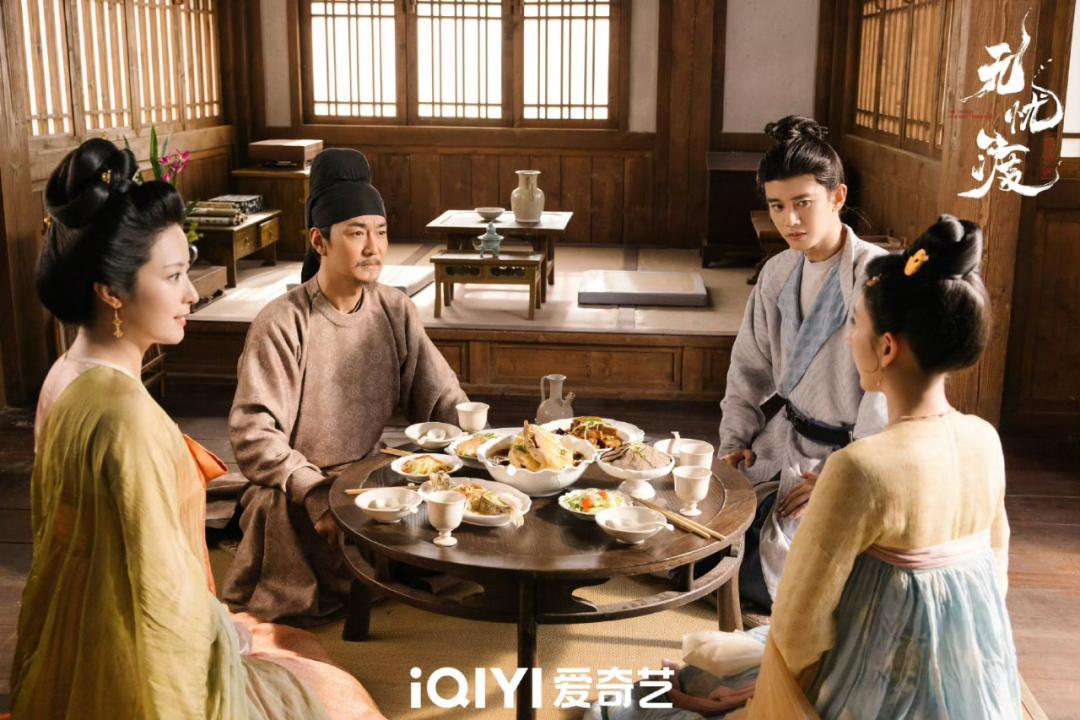
Group 1 - The long drama market is experiencing a period of anxiety, but promotional activities in the drama sector remain vibrant, utilizing social media, actor interactions, and offline fan events as regular promotional processes [1] - The recent ancient costume drama "Wuyou Du" premiered on iQIYI with a "zero promotion" strategy, which is often a misleading term as most dramas claiming this still engage in some marketing activities [2][4] - The promotional strategy for "Wuyou Du" was initially low-key due to the lead actress's tax issues, focusing on precise marketing of the plot and engaging viewers through social media challenges [4][6] Group 2 - As the drama progressed, the popularity and reputation of "Wuyou Du" grew through word-of-mouth, leading to a series of online and offline promotional activities, including live interactions with the cast [6] - The upcoming drama "Fushan Hai," led by popular actor Cheng Yi, has seen significant fan-driven promotional activities across 27 cities, showcasing the power of fan engagement in marketing [7][9] - Fans organized various innovative promotional events, including large-scale activities in shopping malls and public spaces, demonstrating their creativity and commitment to promoting the drama [11][13] Group 3 - Long video platforms play a crucial role in drama promotion, with Tencent Video launching a new variety show "Yi Jian Ni Jiu Xiao" to enhance viewer engagement and provide a long-term promotional strategy [14][18] - The first episode featured interactive games and behind-the-scenes content, increasing the exposure of the drama and contributing to its long-tail effect [16][19] - The show serves as a fixed promotional platform for Tencent Video, helping to build user loyalty and establish a stable relationship with the audience [18][19]