《舞力全开》

Search documents
90亿,腾讯买了
投资界· 2025-11-25 07:23
Core Viewpoint - Tencent has completed a strategic investment of €11.6 billion (approximately ¥90 billion) in Ubisoft, marking a significant partnership aimed at revitalizing Ubisoft's financial health and expanding its core IPs [2][4][6]. Group 1: Investment Details - Tencent's investment will grant it approximately 26% ownership of the newly established subsidiary, Vantage Studios, which is valued at €3.8 billion [4]. - Ubisoft retains exclusive control over Vantage Studios, with a five-year lock-up period for Tencent's shares unless Ubisoft loses control [4]. - The new subsidiary will focus on accelerating the revenue growth of key franchises such as Assassin's Creed, Far Cry, and Rainbow Six, targeting an annual revenue of €1 billion for these brands [3][4]. Group 2: Financial Performance - Ubisoft reported a 20.3% year-on-year increase in total net bookings for the first half of the 2025-2026 fiscal year, reaching approximately €770 million, driven by strong performance from Assassin's Creed and Tom Clancy's The Division [5]. - Despite the revenue growth, Ubisoft faced a net loss of approximately €161.3 million during the reporting period [5]. Group 3: Historical Context - Ubisoft has faced challenges in recent years, with several anticipated titles underperforming and a significant decline in stock price, prompting discussions about potential privatization and the search for new investors [8][9]. - Tencent's involvement as a "white knight" comes after previous attempts by Vivendi to acquire Ubisoft, which were met with resistance from the Guillemot family [7][8]. Group 4: Industry Implications - Tencent's investment reflects its ongoing strategy to expand its international gaming portfolio, having previously made significant acquisitions in the gaming sector [9][10]. - The investment also highlights the growing trend of Chinese gaming IPs gaining global traction, contrasting with the struggles of established Western companies like Ubisoft [10].



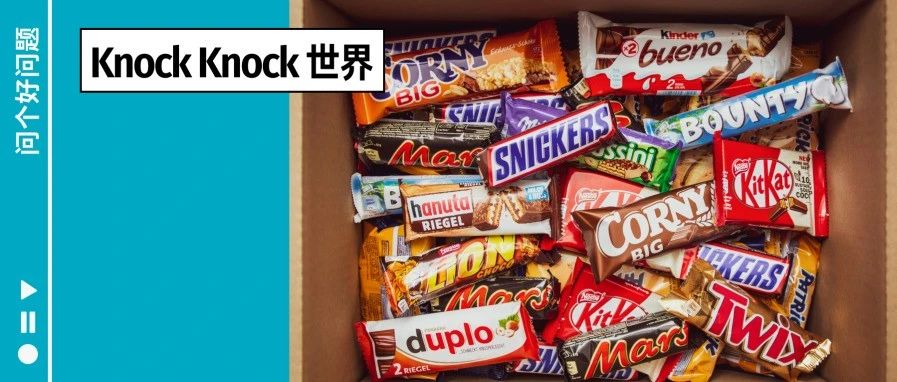
为什么零食口味变得越来越多,有的还那么奇怪? | Knock Knock 世界
声动活泼· 2025-08-09 01:04
Group 1: Nintendo's Competitive Edge - Nintendo has maintained its competitiveness in the gaming industry despite inferior graphics compared to its competitors, focusing instead on unique gameplay experiences [2][3] - The design philosophy of Nintendo's iconic character Mario, created by Shigeru Miyamoto, was initially "anti-mainstream," which contributed to its distinctiveness in the gaming market [3][4] - Nintendo's approach to gaming includes engaging non-gamers, as evidenced by the popularity of games like "Just Dance" during the pandemic, appealing to a broader audience [4] Group 2: Coconut Water Pricing Dynamics - The price of bottled 100% coconut water is significantly lower than fresh coconuts, with 1 liter priced at 9.9 yuan, highlighting cost efficiencies in processing and packaging [5] - China consumes over 4 billion coconuts annually, while Hainan only produces about 200 million, indicating a reliance on imports for fresh coconuts [5] - The production process of bottled coconut water minimizes losses during transportation, allowing for competitive pricing compared to fresh coconuts [5] Group 3: Snack Flavor Innovations - The development of new snack flavors is a complex process, requiring advanced technology to create unique taste experiences [6] - The introduction of cheese and onion-flavored chips by Tayto in 1954 marked a significant innovation in the snack industry, moving beyond traditional salt flavoring [7] - Nestlé's KitKat brand successfully adapted to local tastes in Japan by introducing strawberry-flavored variants, demonstrating the importance of regional flavor preferences [7]