《APT.》

Search documents
2025是“乐坛小年”吗?
3 6 Ke· 2025-12-25 11:38
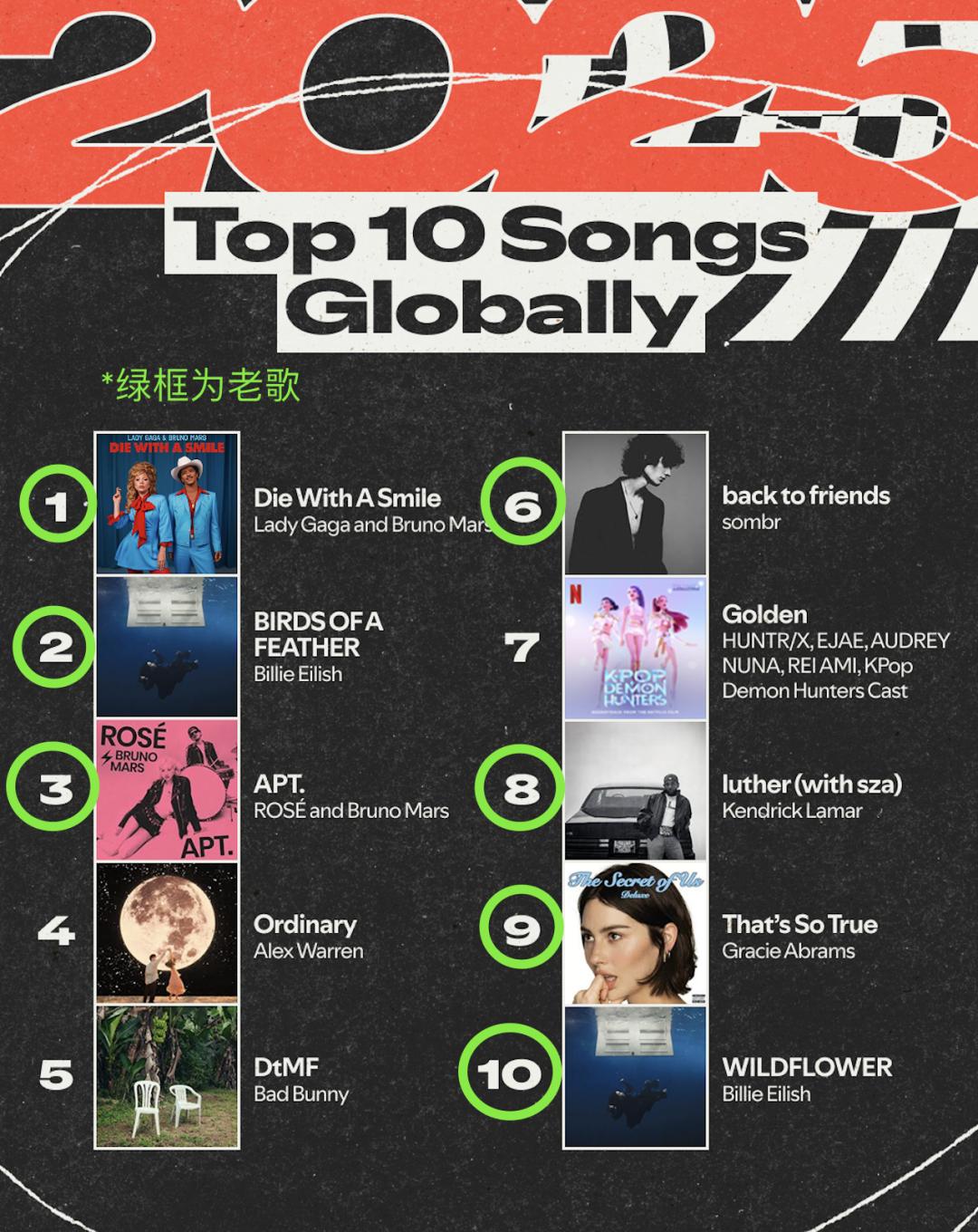
Core Insights - The music industry in 2025 is perceived as a "small year" due to the lack of breakout new hits, with many of the top songs being older tracks [1][4][8] - Despite the perception of a "small year," 2025 is also seen as a "watershed" moment with the rise of AI, stagnation in music streaming, and a booming live performance market reshaping the music economy [3][12][23] Streaming and Song Popularity - Major platforms like Spotify and TikTok show that the top songs of 2025 are predominantly older tracks, with Spotify's top three songs being from previous years [4][8] - The most popular song of 2025 is "APT." by ROSÉ and Bruno Mars, which was released in 2024 but continues to dominate charts [4][8] - In the Chinese music scene, songs like "Jumping Machine" and "Great Ambition," both released in 2024, are leading the charts, indicating a similar trend [10][12] Live Performance Market - The live performance market is thriving in 2025, with record-breaking ticket sales for top artists, indicating a shift in focus from recorded music to live events [20][22] - The touring market is now seen as a primary revenue driver, with artists' streaming numbers significantly increasing during tour periods [21][22] AI and Industry Dynamics - The rise of AI-generated music is creating new trends, with AI songs starting to gain traction, although they are not yet mainstream [16][25] - The music industry is experiencing a generational shift, with older artists dominating while younger preferences are not being met, leading to a potential decline in industry vitality [14][23] - The concept of "super fan economy" is emerging, emphasizing deeper connections with core fans as streaming revenue growth slows [23][25] Market Performance Data - The global recorded music market is projected to see a significant decline, with streaming revenue growth slowing down dramatically, particularly in the U.S. where it dropped by 40% year-on-year [17][20] - Various countries are experiencing reduced growth in their music markets, with notable declines in streaming revenue across major markets [17] Future Outlook - The music industry is at a crossroads, with the potential for AI to reshape the landscape, but also a growing divide between fans of traditional music and those embracing AI [28][29] - The future may see a continued emphasis on live performances and a more segmented market as consumer preferences evolve [28][29]

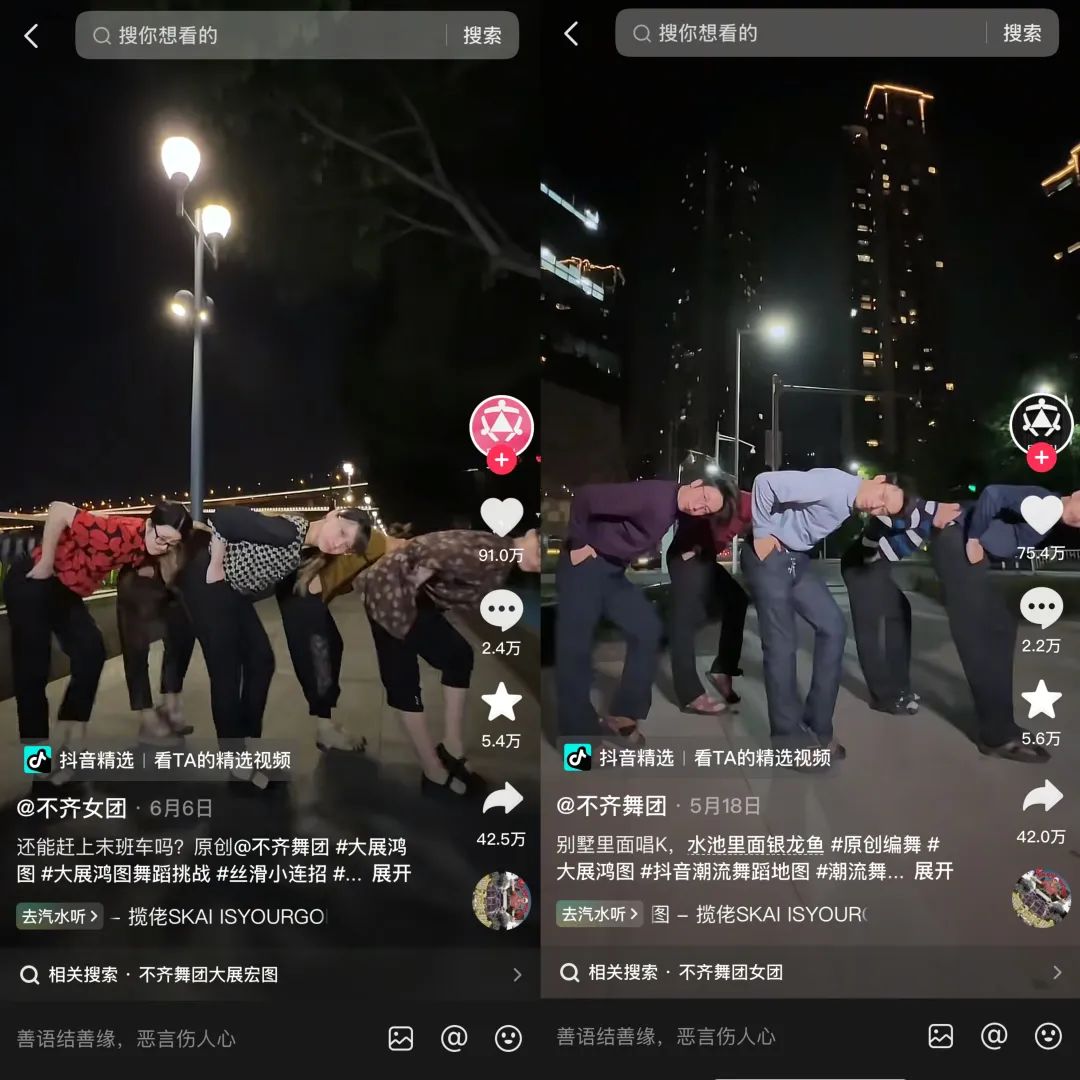
从《跳楼机》到《大展鸿图》,那些瞬间点燃多巴胺的“BGM快餐”会赚得盆满钵满
3 6 Ke· 2025-06-25 00:22
Group 1 - The article discusses the phenomenon of viral songs on short video platforms, highlighting their role as social currency and their impact on user engagement [2][4] - Recent hits like "Jumping Machine" and "Great Ambition" have become popular background music (BGM) for short videos, driving significant traffic and engagement [5][10] - The success of these songs is attributed to their catchy, straightforward lyrics and emotional resonance, which align with the fragmented consumption patterns of the short video era [10][22] Group 2 - "Great Ambition," a collaboration between artists, has rapidly gained popularity, dominating music charts and becoming a staple at social gatherings [5][7] - The song "Jumping Machine" has reportedly generated substantial revenue, estimated between 30-40 million, through various streams including streaming royalties and public performances [8][10] - The article notes a shift in the music industry, where the cost of promoting a hit song has increased significantly, reflecting the competitive landscape of the digital music market [22][24] Group 3 - The evolution of popular songs over the years is traced, showing a transition from earlier hits to current viral sensations, indicating changing audience preferences [13][21] - The article emphasizes the role of algorithms and marketing strategies in the success of these viral songs, suggesting that understanding audience emotions is key to creating hit music [24][25] - The discussion includes the cultural significance of these songs, which often reflect collective emotions and societal trends, making them more relatable to listeners [23][24]
腾讯音乐:2024年华语数字音乐白皮书.
Sou Hu Cai Jing· 2025-06-01 03:09
Core Insights - The report titled "2024 Chinese Digital Music White Paper" by Tencent Music Research Institute focuses on the overall landscape and trends of the Chinese digital music industry, showcasing industry dynamics and transformations through data insights, industry trends, cross-industry cases, and work reviews [1]. Group 1: Global and Chinese Market Data Insights - The global music market revenue is projected to grow from $70.7 billion in 2023 to $76.2 billion in 2024, with live performances remaining the largest revenue source at 46.1% [2][28]. - In China, recorded music revenue increased by 9.6% year-on-year, with online music paying users reaching 180 million, and Tencent Music's paying users rising to 121 million, reflecting a growing willingness to pay and improved service quality [2][34]. - The production of Chinese new songs surged to 1.351 million in 2024, driven by AI technology, while the number of long-tail songs (annual plays <1000) doubled, indicating intensified market competition and content diversification [2][45]. Group 2: Industry Core Trends - "County Narrative" has emerged as a focal point for creation, with local culture becoming a significant theme, as seen in works like "Factory" by Henan's rap artist, which resonates with societal issues [3]. - The "Silver Economy" is shifting from passive consumption to active participation, with the over-60 population exceeding 300 million, showcasing their potential in cultural consumption through events and user-generated content [4]. - The music festival market is experiencing intensified competition, with differentiation becoming crucial through unique artist lineups and cross-industry collaborations [5]. Group 3: Cross-Industry Cases - The game music for "Black Myth: Wukong" integrates diverse musical elements, showcasing the role of music in interactive storytelling and enhancing game promotion [6]. - Duolingo's music courses utilize gamification to lower barriers to learning instruments, achieving 3 million daily active users within six months [7]. - Innovative marketing strategies in live performances, such as the integration of nature and music festivals, demonstrate the potential of live music as a marketing medium [8]. Group 4: Annual Works and Industry Value Outlook - The white paper highlights the top ten artists, songs, and albums of the year, with notable performances from artists like Zhou Shen and Wang Sulong, indicating a balance between popularity and professionalism in music [9]. - The future challenges for the industry lie in embracing cross-industry thinking to break down barriers and adapt to technological changes while balancing content quality and commercial value [9].