一次性乳胶导尿管

Search documents
在海南自贸港感受“春天”的脉动
Sou Hu Cai Jing· 2026-02-27 14:42
Core Viewpoint - The establishment of the Hainan Free Trade Port marks a significant step towards high-level opening-up, with the official closure of the island set for December 18, 2025, coinciding with the anniversary of China's reform and opening-up policy [1] Group 1: "One Line" Opening - "One line" refers to the opening of Hainan Free Trade Port to international markets, allowing for a series of free and convenient measures through eight designated ports [2] - The implementation of "zero tariffs" has expanded from over 1,900 products to 6,600, with the number of beneficiaries exceeding 10,000 [2] - Customs clearance efficiency has improved significantly, with import declaration items reduced from 105 to 33 and clearance times cut by over 80% [2] Group 2: Innovation and Industry Development - The "zero tariff" policy has enabled companies like Hainan Flyer Technology to save significant tax amounts, allowing reinvestment into core technology [3] - Hainan Airlines has benefited from "one line" opening, importing key aviation materials worth approximately 350 million yuan, saving over 50 million yuan in taxes [5] - The local coconut product company has expanded its export destinations to over 10 countries, leveraging the benefits of "zero tariffs" and expedited logistics [5] Group 3: "Two Lines" Regulation - "Two line" refers to the regulatory measures governing the flow between Hainan and mainland China, ensuring efficient domestic and international circulation [6] - The customs authority has implemented a "batch out of the island, centralized declaration" model to facilitate smoother operations for businesses [7] - Companies like Weili Medical have benefited from tax exemptions, with cumulative tax reductions exceeding 4 million yuan, enhancing production capacity [7] Group 4: Domestic Freedom and Economic Growth - The post-closure environment in Hainan has fostered a vibrant market, with a 46.8% increase in duty-free sales during the first month [10] - The business environment has improved significantly, with new business registrations reaching 26,800 and foreign enterprises increasing by 13% [10] - Hainan's 13 key parks have become vital engines for economic growth, attracting over 1 million talents and investments from 180 countries [12] Group 5: Strategic Goals and Global Positioning - The strategic goal of the Hainan Free Trade Port is to serve as a key gateway for China's new era of opening-up, countering global trade protectionism [13]

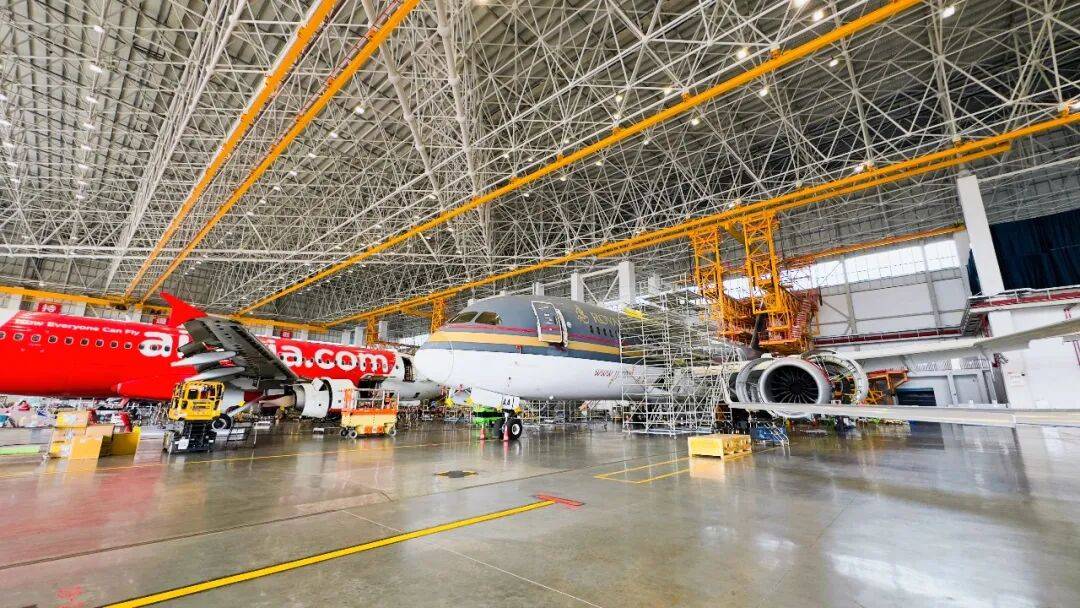
在海口新海港和南港“二线口岸”,海关依托“智慧大脑”实现放行信息“秒级”校验
Hai Nan Ri Bao· 2026-01-17 01:18
Core Viewpoint - The implementation of a "smart brain" at the Haikou New Port and South Port "second-line ports" has enabled customs to achieve a "second-level" verification of release information, significantly enhancing the efficiency of customs clearance in Hainan Free Trade Port. Group 1: Efficiency - The average customs clearance time for vehicles is approximately 2 minutes, with some vehicles clearing in as little as 1 minute and 48 seconds [2][5][7] - The new customs process has reduced the time from declaration to release for certain goods, such as medical supplies, from half a day to just a few minutes [5][6] Group 2: Technology and Automation - The customs clearance process utilizes advanced technology, including automatic identification systems and real-time data synchronization, to streamline operations and minimize human intervention [4][6] - The "smart + supervision" and "smart + risk control" systems are crucial for achieving rapid clearance times while ensuring compliance and risk management [6][7] Group 3: Impact on Trade - The new customs procedures are designed to facilitate trade between Hainan and the mainland, particularly for zero-tariff goods and those benefiting from processing and value-added policies [6][7] - The efficiency improvements are expected to lower operational costs for businesses, enhancing the overall business environment in Hainan [5][6]
海南自由贸易港封关首日通关高效顺畅
Sou Hu Cai Jing· 2025-12-19 15:41
Core Insights - Hainan Free Trade Port officially launched its full island closure on December 18, implementing a customs supervision model characterized by "one line open, two lines controlled, and free within the island" [1][3] Group 1: Customs Supervision and Trade Facilitation - On the first day of closure, customs supervised "zero tariff" imports valued at 360 million yuan, primarily consisting of crude oil and aviation equipment [1] - The "one line" customs supervision allows for expedited clearance of eligible "zero tariff" goods and bonded goods, significantly enhancing customs efficiency [3] - The "two line" supervision focuses on precise regulation of goods benefiting from zero tariffs and processing value-added policies [3] Group 2: Import and Processing Activities - The first batch of "zero tariff" goods, including crude oil and medical equipment, cleared customs efficiently, with a notable import of 3.558 million tons of limestone and 350 million yuan worth of crude oil [4] - Companies like Hainan Weili Medical Technology Co., Ltd. are leveraging the processing value-added policy to import raw materials, process them locally, and sell them domestically, achieving over 30% value-added rates [5] - The customs process has been streamlined, allowing vehicles to pass through the "two line" customs supervision channel more efficiently, with a system that predicts clearance based on risk assessment [5]
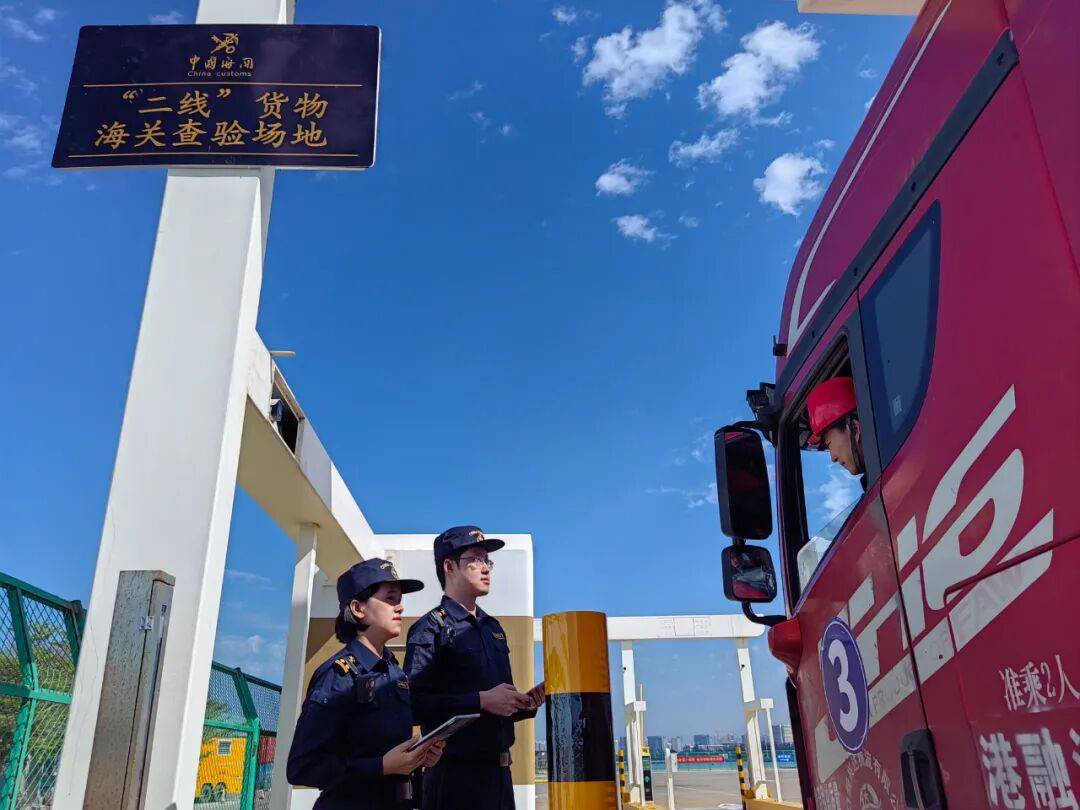
封关首日第一批经“二线口岸”货物通关
Hai Nan Ri Bao· 2025-12-19 01:26
Core Viewpoint - The first batch of goods passed through the "second line port" on the first day of the Hainan Free Trade Port's closure operation, focusing on tax-free goods for processing and value-added purposes [1] Group 1: Policy Implementation - The Hainan Free Trade Port has established a policy framework for trade liberalization, allowing for "first line" openness and "second line" control, with ten designated "second line ports" [1] - The customs authority is implementing supervision measures for tax-free goods and their processed products at the "second line ports" [1] Group 2: Business Operations - Several processing and value-added enterprises successfully declared tax-free goods for domestic sales, including medical devices and pharmaceuticals, on the first day of operation [1] - The processing of imported raw materials, such as natural latex, allows companies to achieve over 30% value-added and sell products tax-free in the domestic market [2] Group 3: Efficiency and Technology - The customs process has been streamlined, allowing for efficient vehicle passage through the customs supervision channel, with a system that predicts vehicle status for quicker clearance [2] - The customs authority has simplified the declaration process and implemented a "batch export, centralized declaration" model to reduce costs and enhance efficiency [4] Group 4: Risk Management - The customs authority has established 264 preventive measures and 93 big data risk warning models to monitor and analyze significant risks [4] - A joint defense mechanism against smuggling has been established with the Hainan Provincial Anti-Smuggling Office to combat illegal activities related to tax-free goods [4] Group 5: Future Developments - The customs authority plans to upgrade the smart supervision platform and optimize the regulatory model to create a first-class business environment at the port [4]
封关首日“广东货”畅行!海南自贸港加工增值红利直达大湾区
Sou Hu Cai Jing· 2025-12-18 16:29
Core Viewpoint - The first day of the Hainan Free Trade Port's full island closure operation saw a successful release of goods benefiting from the processing value-added duty exemption policy, with a notable flow of goods to Guangdong [1][5][7] Group 1: Policy Implementation - The "two-line" system, which involves regulatory checkpoints between Hainan and the mainland, was effectively utilized, with ten "two-line ports" established across the island [5][6] - Goods that undergo processing in Hainan and achieve over 30% value addition can be sold domestically without incurring duties [5][6] Group 2: Logistics and Operations - Multiple "two-line ports" simultaneously initiated logistics to Guangdong, showcasing a diverse range of products from food ingredients to processed goods [5][7] - The Haikou Customs has innovated its regulatory model, allowing vehicles to be released directly if not flagged, and simplifying the declaration process for businesses [6][7] Group 3: Business Impact - Companies like Hainan Weili Medical Technology Development Co., Ltd. have benefited from the policy by importing raw materials and processing them in Hainan to achieve duty-free sales [6] - The processing value-added duty exemption policy enhances cost advantages for products processed in Hainan and sold to Guangdong and the mainland [7] Group 4: Future Developments - Haikou Customs plans to deepen the concepts of "smart regulation, credit regulation, adaptive regulation, and collaborative management" to improve the customs regulatory platform and optimize regulatory models [7]