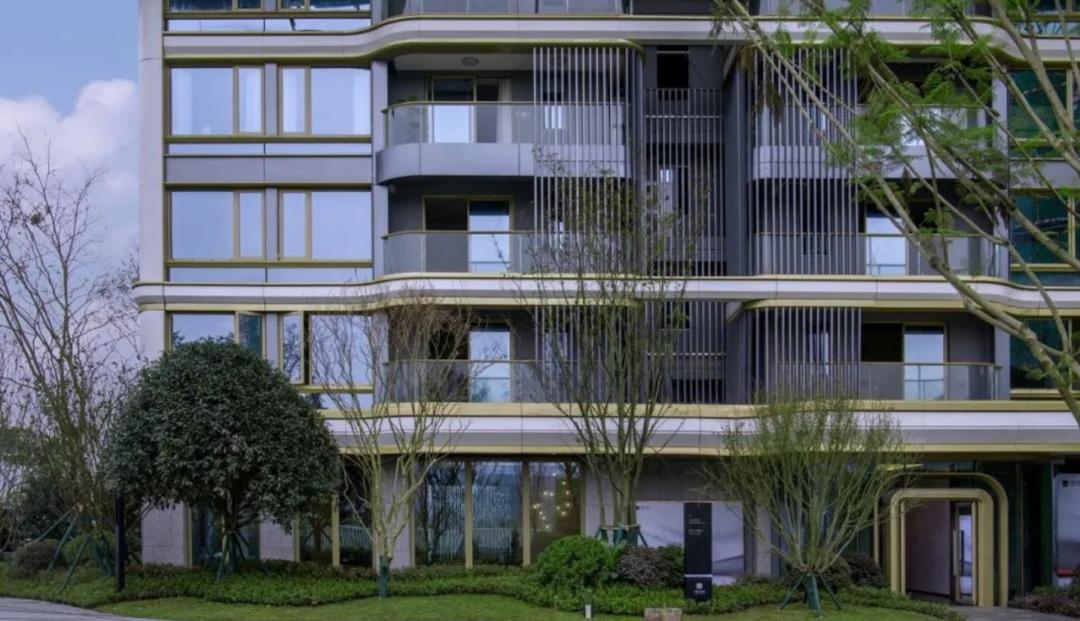
上海住宅

Search documents
2025上海楼市年终盘点:结构性分化下的“好房子”时代
Sou Hu Cai Jing· 2026-01-01 10:56
Core Insights - The Shanghai real estate market is experiencing a "precise relaxation" of policies, particularly with the introduction of the "Six Policies" on August 25, 2025, which includes lifting purchase restrictions in areas outside the outer ring for local families and single individuals, and allowing non-local buyers to purchase homes with just one year of social insurance [2][20]. - The increase in public housing loan limits to a maximum of 2.16 million yuan and the removal of differentiated interest rates for first and second homes significantly alleviates the financial burden on buyers looking to upgrade their living conditions [2][20]. - The policies are strategically designed to address specific pain points in the market, such as improving demand for upgraded housing and reducing inventory in outer ring areas, leading to a 3% month-on-month increase and a 27% year-on-year surge in second-hand home transactions in September [2]. Market Performance - The Shanghai real estate market in 2025 is characterized by a stark contrast: luxury properties in core areas are thriving, while older residential properties in suburban areas are facing price declines of 30% to 40% compared to 2023 [3][5]. - High-end properties in core districts, such as Xuhui and Jing'an, are seeing prices rise steadily, with some projects achieving average prices exceeding 20,000 yuan per square meter and selling out quickly [3][5]. - The overall transaction volume for residential properties reached 5.052 million square meters from January to November 2025, with the top 10 projects contributing 112.6 billion yuan in sales, indicating a concentration of market activity in premium assets [3][5]. Land Market Dynamics - The land market in Shanghai is experiencing a "reduction in supply and increase in prices," with a 57.5% year-on-year decrease in land sales area in 2024, continuing into 2025 with a further reduction of over 50% [3][5]. - Despite the decrease in land supply, the market remains active, with residential land transactions covering 3.271 million square meters and land sales revenue increasing by 9.7% year-on-year to 152 billion yuan [3][5]. Quality Housing Standards - The concept of "good housing" is becoming a reality in 2025, with projects like Gaofuyun Jingjing achieving average prices of 21,000 yuan per square meter and selling out on the first day of opening, reflecting a shift in buyer preferences towards quality [5]. - The definition of "good housing" now includes key elements such as prime location, high-quality finishes, and green technology, with policies encouraging the purchase of green buildings through increased loan limits [5]. Innovative Policies - The introduction of the "housing ticket" policy is a significant innovation, allowing residents to receive monetary compensation for purchasing new or second-hand homes within 18 months, effectively acting as a city-wide "housing consumption voucher" [6][7]. - This policy aims to accelerate urban renewal and stimulate the second-hand housing market, with successful pilot programs in districts like Qingpu and Xuhui, and plans for broader implementation by 2026 [6][7]. Future Outlook - The Shanghai real estate market is expected to continue its structural differentiation into 2026, with core area assets remaining resilient while suburban properties undergo long-term adjustments [8]. - The market is anticipated to return to rationality, allowing truly high-quality properties to stand out, supported by urban renewal initiatives and industrial upgrades in key areas [8].


上海房产新规引争议!刚需选房难、房东怕贬值,不同人该咋应对?
Sou Hu Cai Jing· 2025-10-12 05:21
Core Insights - The new regulations in Shanghai aim to enhance residential quality, creating both opportunities and challenges for homebuyers and property owners [1][28] Group 1: Impact on First-Time Buyers - The new regulations provide benefits for first-time buyers by allowing access to higher quality housing options, with improved space and amenities [3][5] - Small apartments under 80 square meters can now have balconies up to 8 square meters, effectively increasing usable space without impacting the floor area ratio [5][9] - Public space requirements have been adjusted to enhance community living, such as utilizing ground-level areas for public purposes, which improves living conditions [7][19] Group 2: Opportunities for Upgraders - The regulations favor upgrade buyers by offering additional space and improved quality, such as larger balconies that can be counted as half the floor area ratio [13][15] - High-quality exterior materials are now incentivized, as they do not count towards the floor area ratio, enhancing property value and longevity [17][30] - Community amenities are emphasized, with requirements for public spaces that cater to families, such as libraries and children's play areas [19][32] Group 3: Challenges for Existing Property Owners - Owners of second-hand properties face potential depreciation as their homes may be viewed as outdated compared to new builds under the new regulations [21][23] - Owners of recently purchased properties may need to lower prices by 8%-10% to attract buyers, as their homes are now considered "old equipment" [23][25] - Older properties without modern amenities may struggle to sell, especially if they lack desirable features like elevators or updated public spaces [25][27] Group 4: Market Dynamics - The new regulations shift the focus from merely location-based value to a combination of location and quality, indicating a market trend towards quality premium properties [34][36] - The second-hand market is expected to see a divide, with newer, quality properties retaining value while older, lower-quality homes may depreciate [34][36] - Buyers are encouraged to prioritize comfort and long-term value over speculative price increases, reflecting a shift in market mentality [36]

上海“好房子”新规出炉,旧楼盘压力大了
3 6 Ke· 2025-09-29 04:29
Core Viewpoint - The new regulations in Shanghai aim to enhance the livability and space efficiency of residential properties, addressing long-standing issues related to balcony usage, building aesthetics, and community space, ultimately improving the overall housing experience for residents [4][16]. Group 1: Balcony Regulations - The new policy treats both enclosed and open balconies equally, eliminating the previous "gift discrimination" where enclosed balconies were fully counted in the floor area ratio, thus allowing developers to increase usable space [4]. - The regulations allow larger balconies for big units, with a maximum balcony area of 16 square meters, where 8 square meters will not count towards the floor area ratio, significantly improving the livability of larger apartments [5]. - A new type of open balcony with protective structures is permitted, which does not count towards the floor area ratio, providing additional space for drying clothes and enjoying views [6]. Group 2: Building Aesthetics - The new rules state that exterior finishes will not count towards the floor area ratio, allowing developers to enhance the visual appeal of buildings without sacrificing usable space [10]. - This change is expected to lead to higher-quality materials being used in new developments, creating a noticeable difference in aesthetics compared to older buildings that still use basic finishes [11]. Group 3: Community Space Enhancements - The regulations allow for parking garages to be built above ground level, improving the view and living conditions for first-floor residents by raising the living space above potential dampness and noise [13]. - New provisions for open corridors and weather-protected walkways will not count towards the floor area ratio, enhancing community spaces and providing better access during rainy seasons [15]. - Adjustments to building height limits will allow for more varied and appealing skylines, improving views for residents in prime locations [16].
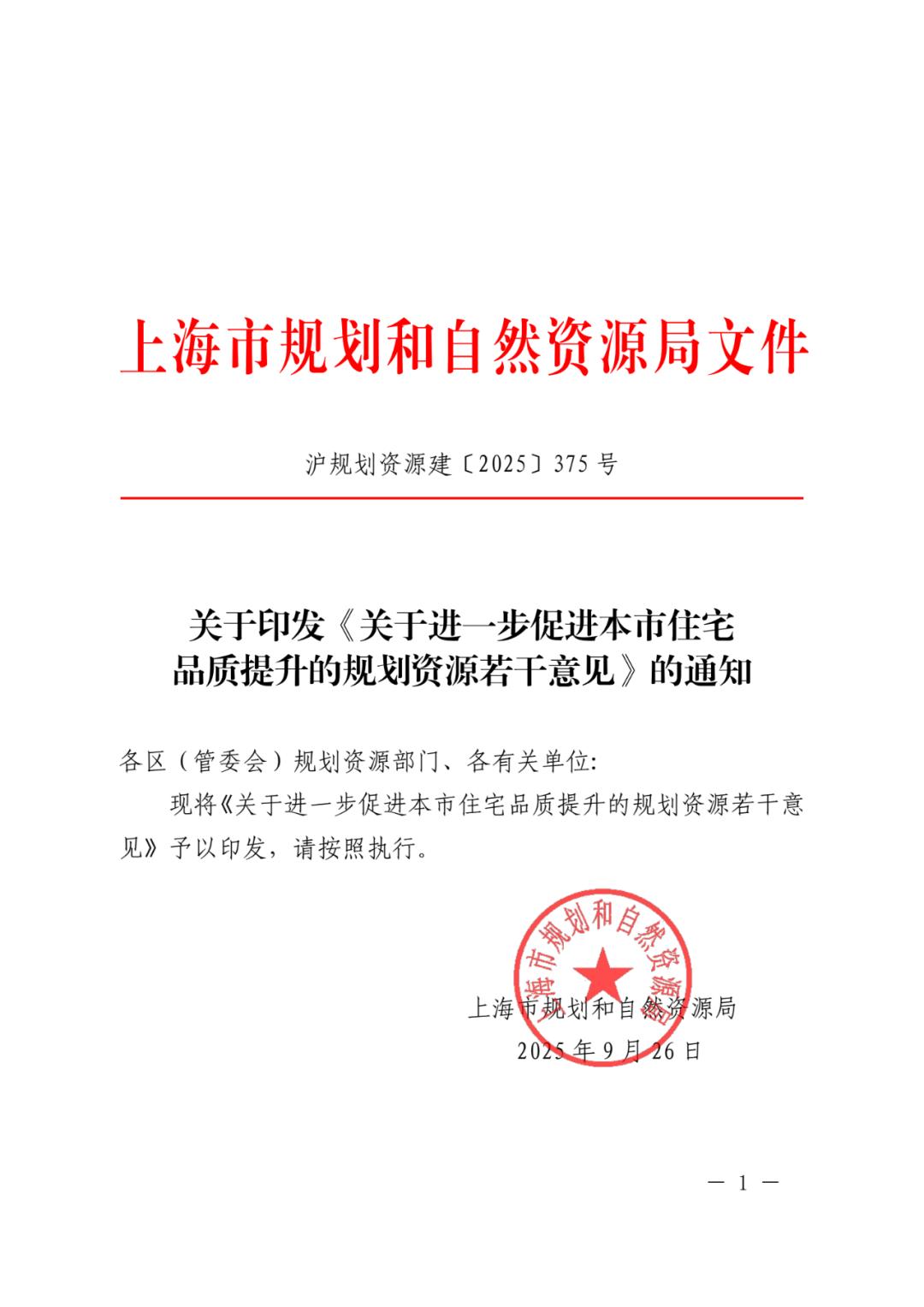
重磅,上海再出新规,影响有多大?
3 6 Ke· 2025-09-27 02:19
Core Viewpoint - Shanghai has introduced new regulations aimed at enhancing the quality of residential properties, which will positively impact both developers and homebuyers by improving living conditions and increasing usable space [1][2][3]. Group 1: Key Changes in Regulations - The new regulations cover five major categories and 17 specific details, providing a comprehensive framework for improving residential quality in Shanghai [2]. - The regulations allow for larger balconies, with a maximum size of 16 square meters, which can now account for 10% of the unit size, significantly increasing the usable area for buyers [3][4]. - Architectural features such as external facades and open corridors will no longer affect the usable area calculations, encouraging developers to use high-quality materials without compromising on space [5][6]. Group 2: Impact on Developers - Developers are incentivized to adopt high-quality construction practices as the new regulations exclude certain architectural features from the floor area ratio (FAR) calculations, reducing construction costs [6][9]. - The regulations promote the creation of shared spaces and allow for underground parking structures, further enhancing the usability of residential projects [7][9]. - The new guidelines are expected to lead to a significant improvement in the overall quality of new residential projects in Shanghai, aligning with national standards for high-quality housing [12][14]. Group 3: Market Implications - The introduction of these regulations is part of a broader trend across major cities in China, with similar policies being adopted in Guangzhou, Shenzhen, and Beijing to support high-quality residential development [12][14]. - Early indicators from Guangzhou suggest that new projects under the revised regulations have better sales performance compared to traditional offerings, indicating a positive market reception [13]. - The shift towards standardized quality in housing is expected to enhance competition among developers, focusing on product quality and integrated living experiences rather than merely increasing usable space [14].