
东风小康

Search documents
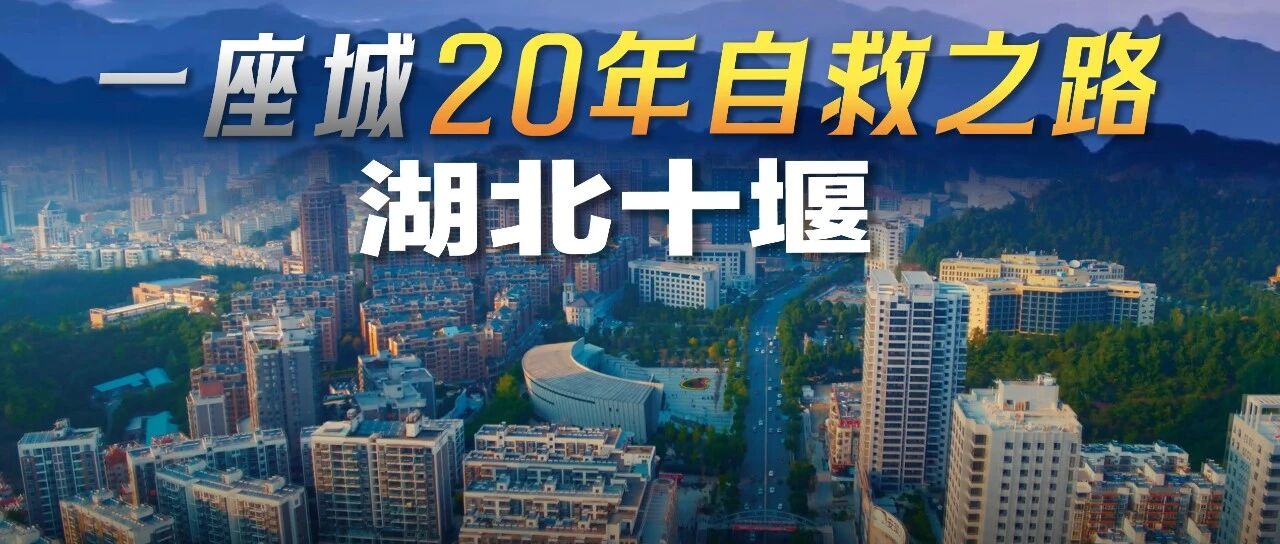
群山挡路还是天赐良机?东风迁出20年,十堰靠什么逆风翻盘?
电动车公社· 2025-12-19 16:05
Core Viewpoint - The article discusses the historical and economic evolution of Shiyan, a city that was significantly shaped by the Dongfeng Motor Corporation, highlighting the challenges and transformations it faced after Dongfeng's relocation to Wuhan. Group 1: Historical Context - Shiyan's development was closely tied to the establishment of Dongfeng Motor Corporation, which contributed over 50% of the city's tax revenue and nearly 60% of its industrial output at its peak [3][40]. - The city transformed from a small village to a significant urban center, ranking 22nd in national comprehensive strength due to the automotive industry [3][40]. - Dongfeng's decision to move to Wuhan in 2003 marked a turning point for Shiyan, leading to a sharp decline in GDP growth from 13.9% in 2002 to 4.1% in 2003 [72][73]. Group 2: Economic Challenges - The departure of Dongfeng raised concerns about Shiyan's economic sustainability, leading to fears of industrial hollowing and talent loss [70][74]. - The city faced significant structural challenges, with a small private economy and slow development of small and medium enterprises [73]. - The historical reliance on the automotive industry left Shiyan vulnerable to economic shifts, necessitating diversification [70][74]. Group 3: Transformation and Opportunities - Post-Dongfeng, Shiyan began to diversify its economy, with commercial vehicle production surpassing 1 million units in 2005 [80]. - The city has seen the emergence of over 30 companies in the new energy sector, including battery production and recycling [86]. - Shiyan is now home to 12 vehicle manufacturers and 3,000 parts suppliers, indicating a robust industrial ecosystem [89]. Group 4: Future Prospects - The city is leveraging its natural resources and historical significance to develop tourism and ecological industries, with over 10 million annual visitors generating over 10 billion in revenue [98]. - Shiyan is focusing on establishing ten industrial clusters, integrating automotive, tourism, and new energy sectors to drive future growth [107]. - The relocation of Dongfeng has allowed both the company and Shiyan to pursue broader markets and opportunities, fostering a mutually beneficial relationship [110].


与华为合作车企成功在港交所上市,首日股价破发,三天跌幅超10%!
Xin Lang Cai Jing· 2025-11-10 01:40
Core Viewpoint - The successful listing of Seres Group on the Hong Kong Stock Exchange marks its transition from a traditional car manufacturer to a leading player in the new energy vehicle sector, with significant collaboration with Huawei [1][3]. Group 1: Company Overview - Seres Group, established in May 2007, transitioned from its previous name, Xiaokang Co., to focus on new energy vehicles, with its core brand being "AITO" [1]. - The company’s main models include the AITO M5, M7, and M9, with the M9 priced over 600,000 yuan, competing directly with luxury brands like BMW, Mercedes-Benz, and Audi [3][4]. Group 2: Financial Performance - Seres Group's market capitalization has exceeded 240 billion yuan, with a stock price increase of 30 times over five years, despite recent volatility [4]. - The company raised 14.016 billion HKD in its IPO, marking the largest IPO for a car company in Hong Kong since 2025 [4][5]. - For the first three quarters of 2025, the company reported revenue of 110.5 billion yuan, a year-on-year increase of 3.67%, and a net profit of 5.637 billion yuan, up 65.32% [5]. Group 3: Market Position and Competition - The AITO brand has seen strong market reception, with the M9 model being a top seller in the 500,000 yuan price segment, contrasting with competitors who struggle with high-end model sales [4]. - The collaboration with Huawei has significantly enhanced the brand's appeal, leading to a better market performance compared to previous models like the SF5 [3][4].
