习酒1988

Search documents
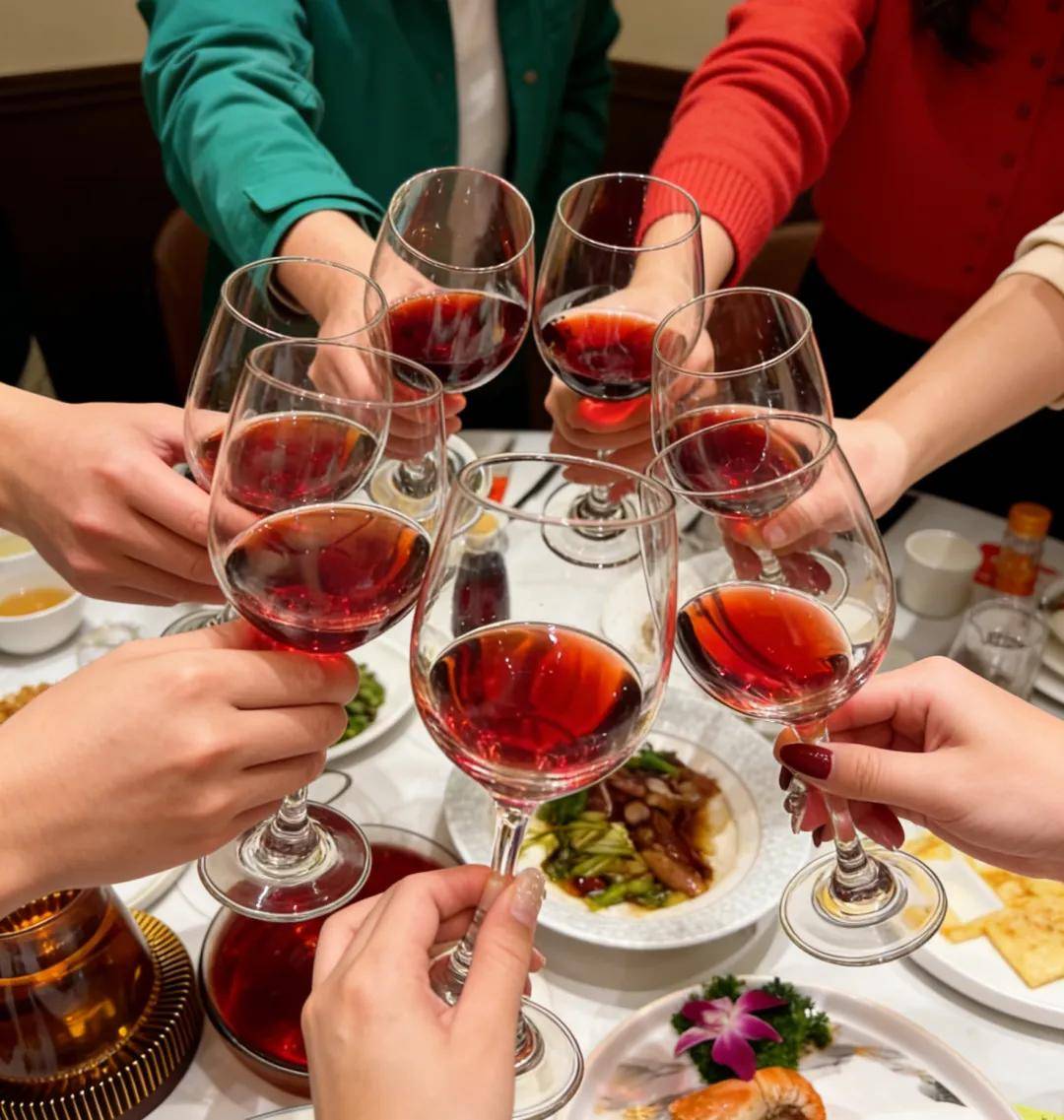
福建“尾牙”市场调查:数量缩减、规格降低,有宴会低度酒唱主角
Sou Hu Cai Jing· 2026-01-28 10:51
Group 1 - The number of year-end banquets (尾牙宴) in Fujian is significantly decreasing, with many hotels reporting no bookings at all [2][5] - The scale and standards of these banquets are shrinking, with many companies opting not to hold them or reducing their scale and specifications [4][5] - The impact of the "limit on alcohol" policy has exacerbated the situation, leading to a reported 50% reduction in corporate year-end events [2][5] Group 2 - There is a notable shift in the types of alcoholic beverages being purchased for these events, with a preference for lower-cost options and an increase in the popularity of craft beers and low-alcohol beverages [6][8] - Companies are increasingly focusing on cost-effectiveness, with many opting for cheaper wines and spirits, and a significant drop in the procurement of mid to high-end products [6][9] - The changing preferences reflect a broader trend where companies prioritize practicality over extravagance, favoring a more relaxed dining experience [9]

肖竹青解读:“名酒价格下滑”
Sou Hu Cai Jing· 2025-07-21 09:42
Group 1 - The core viewpoint is that the decline in premium liquor prices is driven by a collapse in consumer confidence due to economic cycles, rather than just inventory or channel issues [5][9] - The price of liquor has shown a year-on-year decline of 2.0% in the first half of the year, with specific brands like Moutai experiencing significant price sensitivity among consumers [1][5] - The concept of "substitutability" is eroding the premium price tier, as consumers find alternatives that serve the same social purpose at lower prices, leading to a domino effect in price reductions across brands [5][7] Group 2 - Moutai's status as a "social currency" has become a protective barrier, reinforcing its position as a luxury item even during economic downturns, similar to how high-end brands may increase prices during recessions [5][9] - Other brands struggle to replicate Moutai's market position, as they can only compete on price, which is inherently linked to price declines [7][9] - The long-tail effect of consumer tightening is beginning, with previously expanding markets now disappearing, leading to a lasting change in consumer behavior that may hinder future price increases [7][10] Group 3 - The restructuring of the pricing system indicates a shift from maintaining high-end images to achieving a balance between volume and price, as consumers seek perceived value [10] - The essence of the decline in premium liquor prices reflects a breakdown in the "middle-class consumption belief," where consumers are now more price-sensitive and willing to forgo premium options for cheaper alternatives [10]

白酒,还能喝吗?
虎嗅APP· 2025-07-11 09:33
Core Viewpoint - The article discusses the transformation of the Chinese liquor market, particularly the shift from high-end baijiu to more accessible options, reflecting changing consumer preferences and social dynamics [3][4][5]. Group 1: Market Trends - The baijiu market has seen a significant shift from high-end products to more affordable options, with a growing preference for light and accessible "light bottle" baijiu [4][5]. - The high-end baijiu segment remains strong, but many non-leading brands have seen their prices drop significantly, leading to uncertainty in their value [4][5]. - Predictions indicate that by the second half of 2025, light bottle baijiu priced between 50-100 RMB and mid-range baijiu priced between 250-450 RMB will become the most popular segments [4]. Group 2: Consumer Preferences - There is a notable change in consumer behavior, with a focus on the enjoyment of baijiu itself rather than its status as a social currency, as seen in past business gatherings [3][4]. - Younger consumers are increasingly favoring lower-alcohol options and are less interested in high-end baijiu, leading to a shift in marketing strategies among liquor companies [10][11]. - The article highlights the emergence of new products targeting younger demographics, such as flavored and lower-alcohol baijiu, which align with contemporary lifestyle preferences [10][11]. Group 3: Regional Brands and Innovations - Regional brands like Mingguang liquor have shown impressive growth, with revenue projections increasing from under 300 million RMB in 2021 to over 1 billion RMB by 2024 following a merger [7][8]. - The article emphasizes the unique characteristics of certain regional liquors, such as Jinmen sorghum and Li Du sorghum, which cater to niche markets and have distinct flavor profiles [6][7]. - The article notes that many high-end brands struggle to penetrate lower-tier markets effectively, while regional brands excel in producing mid-range products that resonate well with local consumers [10].