
云菜

Search documents
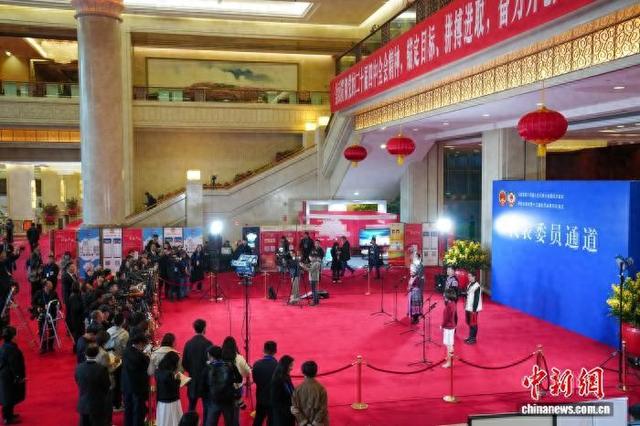
云品“亮相”云南两会 人大代表“晒单”话振兴
Xin Lang Cai Jing· 2026-01-28 12:34
Core Viewpoint - Yunnan province is leveraging its unique geographical and climatic advantages to enhance its agricultural industry, focusing on highland specialty agriculture and aiming for significant growth by 2025 [3]. Group 1: Vegetable Industry - The vegetable planting area in Yunnan's Yanshan County has exceeded 10,000 acres, with plans to reach 860,000 acres and a production of 970,000 tons by 2025, including 200,000 tons for the Guangdong-Hong Kong-Macao Greater Bay Area, generating an output value of 800 million yuan [3][4]. - Infrastructure improvements, particularly in water resources, have been suggested to overcome previous limitations, leading to increased investment and a rise in annual output value to over 50 million yuan [3][4]. Group 2: Fruit Industry - Huaping County has transformed from a coal-dependent economy to a leading mango production area, with 459,000 acres of mango cultivation, accounting for the highest in the country [4]. - Approximately 25% of local households are engaged in mango farming, achieving an employment rate of over 85% for former coal workers [4][6]. Group 3: Coffee Industry - Yunnan is recognized as China's main coffee production area, contributing over 98% of the national output, with aspirations to transition from a production province to a strong industrial province [7]. - Innovations in coffee production, including a self-developed intelligent production line and preservation technology, have significantly improved quality and shelf life [7]. Group 4: Tea Industry - The sustainable development of Yunnan's tea and medicinal plant industries relies on the protection of forest resources, with efforts underway to establish a database for ancient tea tree resources [8]. - The implementation of protective regulations and advanced monitoring techniques aims to shift the industry from reliance on natural conditions to scientific management [8].

联农带农兴业 稳收增收富民
Xin Lang Cai Jing· 2026-01-17 20:47
Core Viewpoint - The article highlights the transformation of farmers in Yunnan from traditional roles to essential partners in the modern agricultural industry, driven by innovative benefit-sharing mechanisms and institutional reforms [1][2]. Group 1: Benefit-Linked Mechanisms - Yunnan has implemented the "Double Binding" mechanism, which connects leading enterprises with cooperatives and cooperatives with farmers, ensuring stable income for farmers as the industry grows [1][2]. - The "3582" benefit-sharing model allows farmers to receive 80% of profits, while cooperatives and village collectives receive 3% and 5% respectively, significantly improving village income and community development [2]. Group 2: Agricultural Development and Financial Support - By the third quarter of 2025, Yunnan had 9,716 agricultural leading enterprises and 67,000 farmer cooperatives, with a total investment of 258 billion yuan in agricultural support, providing a solid financial foundation for farmers [2]. - The province's financial products for poverty alleviation rank among the best in the country, facilitating farmers' integration into the agricultural value chain [2]. Group 3: Diverse Development Strategies - Yunnan's regions are adopting tailored strategies for different industries, ensuring farmers can find stable income sources across various agricultural sectors [3]. - The "622" model in Honghe has transformed former transport workers into blueberry growers, doubling their income and creating local employment opportunities [3]. Group 4: Multi-Source Income Models - The "Agricultural-Photovoltaic Complementation" model in Chuxiong allows farmers to earn income from land rent, labor, and additional economic benefits, promoting sustainable agricultural practices [4]. - The "721" benefit-sharing mechanism in Zhaotong has integrated over 5,200 households into the industry, generating significant employment and income growth [4]. Group 5: Value Chain Enhancement - The growth of the agricultural processing industry in Yunnan has increased the ratio of agricultural processing value to total agricultural output to 2.5:1, allowing farmers to share in the profits from value-added processing [5]. - The establishment of a cold chain logistics system has reduced post-harvest losses, further increasing farmers' incomes, while brand development has enhanced product value, benefiting farmers directly [5].
从“昔日马帮铃响”到“今日坦途如歌”——云南交通巨变纪事
Xin Hua She· 2025-12-01 00:38
Core Viewpoint - Yunnan has made significant progress in infrastructure development over the past decade, enhancing its transportation network to support economic growth and better serve national strategies [3][5][19]. Transportation Infrastructure Development - Since 2015, Yunnan has focused on building a modern comprehensive transportation system, including highways, railways, and air routes, creating a network that connects the region to the world [3][11]. - As of now, Yunnan's total road mileage has reached 340,000 kilometers, with over 10,000 kilometers of expressways [7][11]. - The railway network has also expanded, with a total operational mileage exceeding 5,200 kilometers, including over 1,200 kilometers of high-speed rail [7][11]. - Yunnan has 15 operational airports, with 186 domestic and international air routes, including 31 connecting to South and Southeast Asia [9][11]. Economic Impact - Improved transportation has facilitated the movement of agricultural products, allowing farmers to sell goods nationwide, thus enhancing local economies [12][15]. - The establishment of rural roads and logistics systems has significantly reduced transportation costs, saving approximately 72 million yuan in 2024 [15][16]. - The completion of the Lijiang to Shangri-La railway has integrated previously isolated regions into the national market, boosting local industries [15][16]. International Connectivity - Yunnan's infrastructure improvements have established it as a key player in international trade, with the completion of highways connecting to neighboring countries [20][22]. - The China-Laos Railway has facilitated cross-border trade, with over 7 million tons of goods transported since its opening, enhancing economic cooperation with Southeast Asia [22][24]. - The province has hosted significant investment events, with a total investment of 13.6 billion yuan in projects signed during the South Asia Expo, reflecting growing international interest [24].

上半年云南对RCEP国家出口额达663.6亿元 同比增长7.2%
Sou Hu Cai Jing· 2025-07-24 12:54
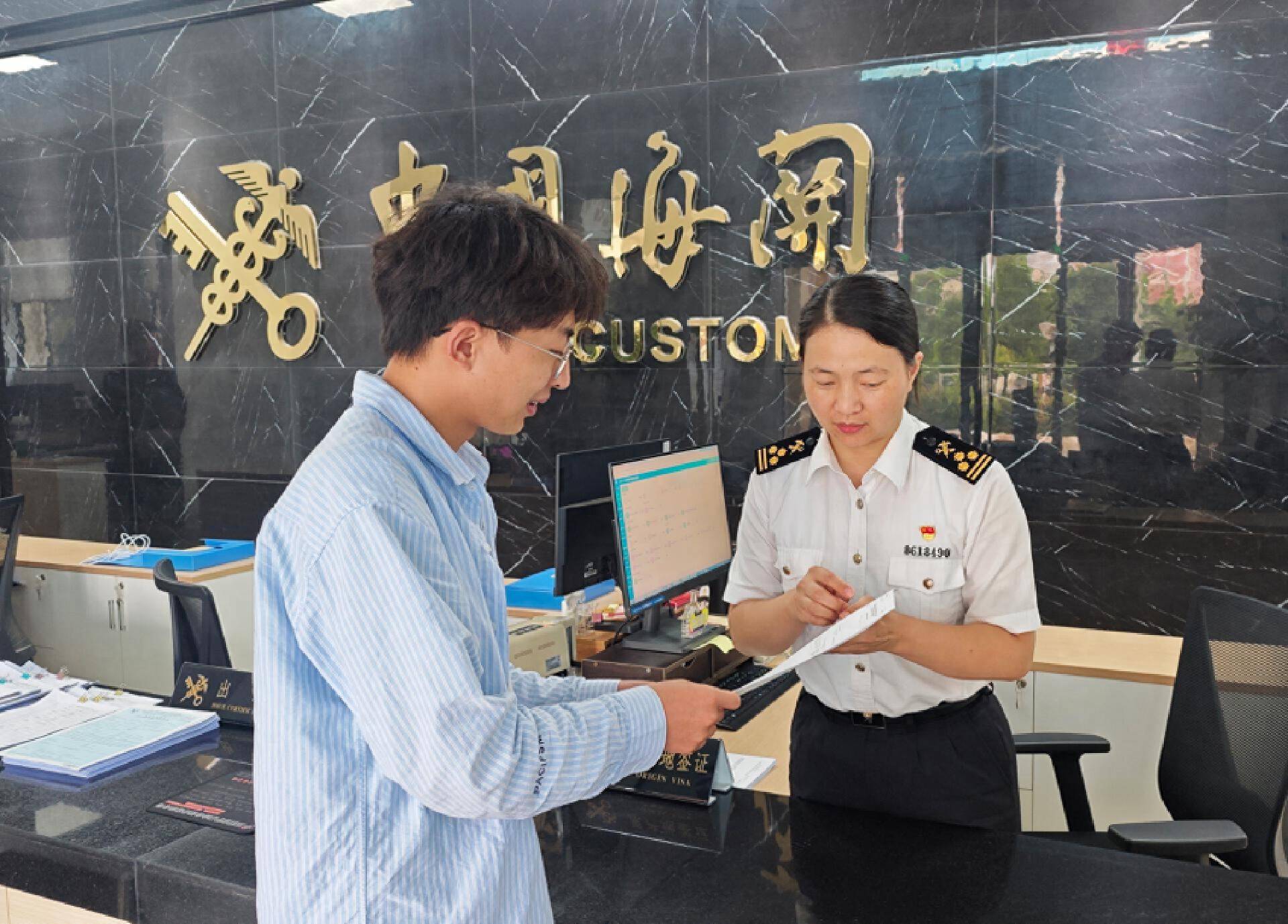
Group 1 - The core viewpoint of the article highlights the significant growth in the issuance of preferential certificates of origin by Kunming Customs for goods exported to RCEP member countries, with a total of 52,600 certificates issued in the first half of the year, valued at 9.191 billion yuan, representing year-on-year increases of 5% and 11% respectively [1][4] - The agricultural products account for 64% of the total export value, allowing for a tariff reduction of approximately 1.47 million yuan in the importing countries [1][4] - The RCEP policy has enabled local products from Yunnan, such as "Yunhua," "Yunguo," and "Yuncai," to enter markets in Vietnam, Thailand, and Singapore at lower costs and faster speeds, creating a "golden pathway" for local enterprises [3][4] Group 2 - Kunming Customs has implemented measures to enhance the international competitiveness of enterprises, including surveys and direct engagement to understand the application of origin certificates and address any issues faced by businesses [4] - The customs authority has optimized the certificate issuance process through technology, such as the "intelligent document review" system, enabling 24/7 processing of certificates and promoting self-service options for businesses [4] - The total export value from Yunnan to RCEP countries reached 66.36 billion yuan in the first half of the year, reflecting a year-on-year growth of 7.2%, indicating the accelerating flow of benefits from the free trade agreement [4]
平安银行:金融活水精准滴灌“三农”
Quan Jing Wang· 2025-04-28 07:52
Core Viewpoint - The recent notification from the National Financial Supervision Administration emphasizes the importance of enhancing financial services for agriculture, rural areas, and farmers, with a focus on supporting poverty alleviation and rural revitalization efforts [1] Group 1: Financial Support for Agriculture - Ping An Bank has been actively involved in supporting agricultural technology enterprises and enhancing financial services for the agricultural sector, with an agricultural loan balance of 118.1 billion yuan as of March, reflecting a growth of 3.28% [1] - The bank provided a 2 million yuan "Science and Technology Innovation Loan" to Chongqing Zhenxi Agricultural Technology Group, enabling the company to purchase advanced agricultural machinery and improve production efficiency [2] - In Yunnan, Ping An Bank offered 2 million yuan in credit support to a vegetable supply company and 1.09 million yuan to a flower company, addressing their funding needs and contributing to local employment and economic development [3] Group 2: Expansion of Financial Services - Ping An Bank has established nine "Inclusive Financial Party Building Promotion Stations" to enhance financial services in rural areas, facilitating collaboration with local farmers and businesses [4] - The bank's Guangzhou branch has initiated the establishment of inclusive financial promotion stations in rural areas to bridge the service gap, with successful loan approvals facilitated through these stations [5] - Plans are in place to establish an additional ten promotion stations in the coming year to further strengthen financial services for rural revitalization and economic development [5]
