
农光互补

Search documents
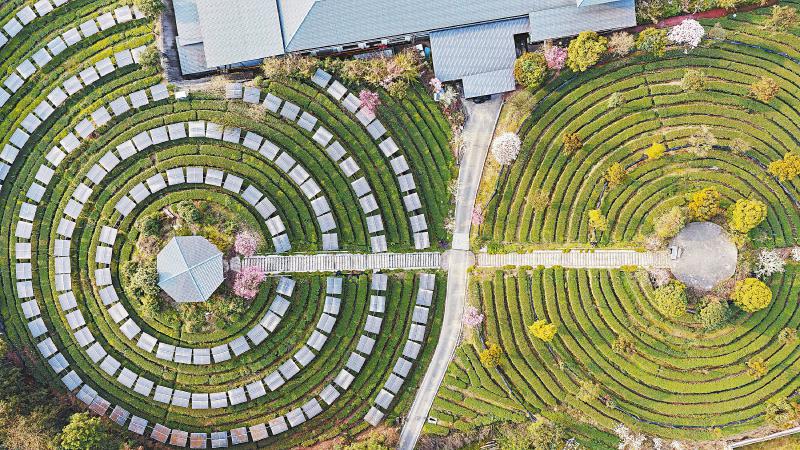
板上发电 板下种茶
Xin Lang Cai Jing· 2026-02-27 22:32
Core Viewpoint - The article highlights the innovative "photovoltaic+" model implemented in Yibin City, which combines clean energy generation with traditional tea cultivation, showcasing a unique approach to sustainable agriculture and energy production [2] Group 1: Company Initiatives - Sichuan Zaobai Jian Tea Industry Co., Ltd. has established an ecological early tea base in the Dayanling Scenic Area, integrating solar panels with tea cultivation [2] - The "tea-light complementary" and "agriculture-light complementary" projects represent a new model for combining clean energy with local pillar industries [2] Group 2: Industry Trends - The integration of photovoltaic systems in agricultural practices is part of a broader trend towards sustainable energy solutions in the agricultural sector [2] - This model not only enhances energy efficiency but also promotes the growth of traditional industries like tea, indicating a shift towards more sustainable agricultural practices [2]

春节见闻⑰ | 滇南新春行:好风好光好风光 澜沧碧波谱华章
申万宏源研究· 2026-02-22 06:43
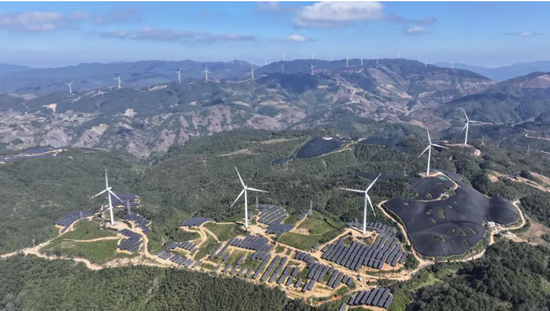
Core Viewpoint - The article emphasizes the rapid development of green energy in Yunnan, showcasing how renewable resources like wind and solar power are integrated with local agriculture and tourism, creating a sustainable economic model that benefits both the environment and local communities [3][12]. Group 1: Green Energy Development - Yunnan is rich in renewable energy resources, including hydropower, wind, and solar energy, which are crucial for ensuring energy supply and promoting economic growth [3][9]. - The province has implemented various models of "agriculture + renewable energy," such as "solar power and agriculture" and "tea and solar power," leading to over 10 million kilowatts of installed capacity and an annual power generation exceeding 130 billion kilowatt-hours [5][6]. - The integration of renewable energy projects with local agricultural practices has resulted in enhanced productivity and environmental benefits, exemplified by the "1+1>2" collaborative development approach [4][5]. Group 2: Regional Highlights - The article highlights the energy corridor in Pu'er, where dense energy infrastructure supports the development of renewable projects, including distributed solar power initiatives that coexist with local agriculture [4][6]. - Jinghong, located along the Lancang River, is a key hub for hydropower, with the river basin expected to have a total installed capacity exceeding 32 million kilowatts, contributing significantly to national energy supply [8][9]. - The prosperity of local markets, such as the night market in Jinghong, is directly linked to the stable electricity supply from upstream hydropower stations, illustrating the importance of clean energy in supporting local economies [12][13].
【申万宏源研究春节见闻】滇南新春行:好风好光好风光 澜沧碧波谱华章
Xin Lang Cai Jing· 2026-02-22 05:37
Core Insights - The article emphasizes the rapid development of green energy in Yunnan, showcasing the integration of renewable energy with local agriculture and tourism, particularly in the regions of Puer and Jinghong [1][3][28] Group 1: Green Energy Development - Yunnan is rich in renewable energy resources, including hydropower, wind, and solar energy, which are crucial for energy supply and economic growth [1][3] - The province has implemented various models of "agriculture + renewable energy," such as "solar power and tea cultivation," leading to over 10 million kilowatts of installed capacity and an annual electricity generation exceeding 13 billion kilowatt-hours [3][17] - The integration of renewable energy projects with local industries is seen as a strong driver for sustainable development in Puer, which is known for its tea and coffee production [3][17] Group 2: Infrastructure and Economic Impact - The infrastructure for energy in Yunnan is highly developed, with dense power facilities along major highways, indicating a robust energy supply network [2][16] - The Jinghong hydropower station plays a vital role in the local economy, providing not only electricity but also supporting navigation, flood control, and tourism [6][23] - The growth of modern service industries in Jinghong is significantly supported by stable electricity supply from hydropower, which is essential for local businesses and tourism [24][28] Group 3: Cultural and Economic Synergy - The article highlights the cultural richness of Yunnan, which, combined with its natural beauty and energy resources, attracts tourism and enhances local economic activities [1][15] - The synergy between green energy and local cultural practices is evident in the thriving night markets and tourism activities that rely on reliable energy sources [24][28] - The narrative illustrates how the development of clean energy not only supports economic growth but also enriches the cultural landscape of the region, creating a vibrant community [28]

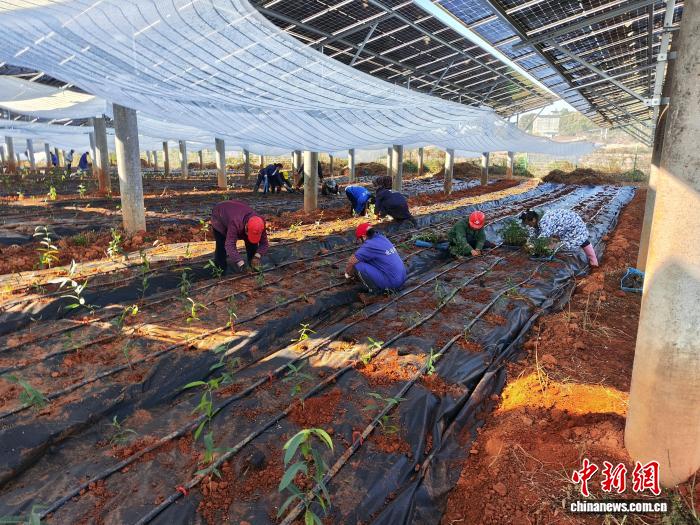
(新春走基层)板上发电、板下种药 农光互补让村民“借光”生财
Zhong Guo Xin Wen Wang· 2026-02-16 07:33
Core Insights - The article discusses a successful "agriculture-photovoltaics complementary" project in Jishui County, Jiangxi Province, which combines solar power generation with the cultivation of medicinal herbs, specifically the local herb "Shan Xiang Yuan" [1][2]. Group 1: Project Overview - The project involves the installation of over 174,000 solar panels that generate approximately 110 million kilowatt-hours of electricity annually, yielding over 40 million yuan in revenue [3][4]. - The project has transformed previously underutilized land into productive agricultural space, allowing for the cultivation of high-demand medicinal herbs while simultaneously generating solar energy [2][3]. Group 2: Economic Impact - The cultivation of Shan Xiang Yuan can yield an annual income of 10,000 yuan per acre, which is five times higher than traditional crops, with a stable market price of 30 to 32 yuan per kilogram [3][4]. - The project has created significant income opportunities for local villagers, with an average annual increase of 5,000 yuan per household, benefiting around 80 households [4][5]. Group 3: Community Engagement - The project has facilitated land leasing, labor opportunities, and skill training for villagers, contributing to a collective annual dividend of 240,000 yuan for the village [4]. - Local farmer Zhu Xingchang has become a model for success, using his earnings from the project to invest in further solar initiatives and diversify agricultural practices [5].
“蓝板板”扎根黄土 光伏赋能乡村振兴
Zhong Guo Fa Zhan Wang· 2026-02-02 07:49
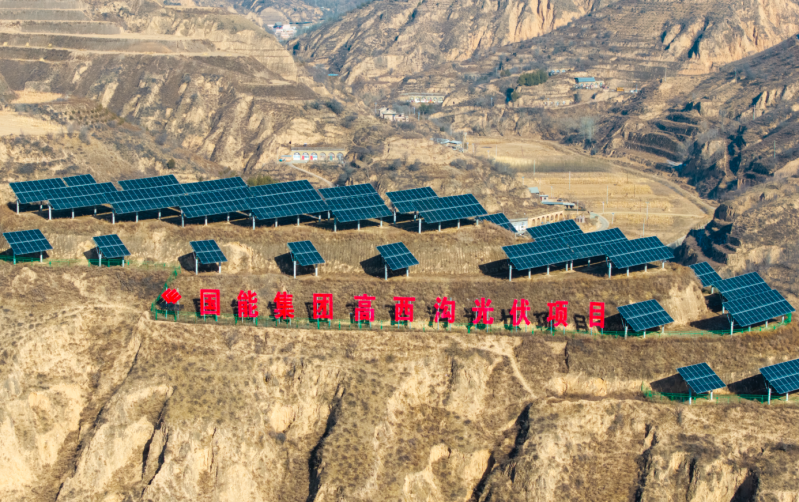
Core Insights - The article highlights the positive impact of solar photovoltaic (PV) projects implemented by the State Energy Group in rural areas, particularly in the villages of Yangjiagou and Gaoxigou, leading to improved living standards for local residents [1][5][6] Group 1: Project Overview - The State Energy Group has invested 38 million yuan in three major solar projects: "Gaoxigou Agricultural-Photovoltaic Complementarity," "Yangjiagou Pastoral-Photovoltaic Complementarity," and "Thousand Villages Photovoltaic Comprehensive Demonstration" [5] - These projects have established a total of 7.2 megawatts of solar power stations, covering four townships and five administrative villages [5] - The projects utilize a cycle mechanism of "power generation on panels, agriculture and livestock underneath, and profit feedback," which has directly increased the annual income of five village collectives by over 150,000 yuan [5] Group 2: Economic Benefits - Local residents have reported significant financial benefits from the solar panels, with individuals receiving annual dividends and support for medical expenses [3][5] - For example, one elderly resident mentioned receiving 3,200 yuan in dividends for her family of eight, along with an additional 3,200 yuan for medical insurance [3] - The collective income generated from the solar projects is used for community improvements, such as environmental sanitation and maintenance of water supply systems [5] Group 3: Social Impact - The solar projects have not only improved economic conditions but also contributed to ecological benefits and poverty alleviation, serving as a replicable model for reducing poverty in ecologically fragile areas [5][6] - The initiative reflects the commitment of the State Energy Group to corporate social responsibility, translating government support into tangible benefits for the local population [6]
科技农业绘出新风景
Xin Lang Cai Jing· 2026-01-25 18:15
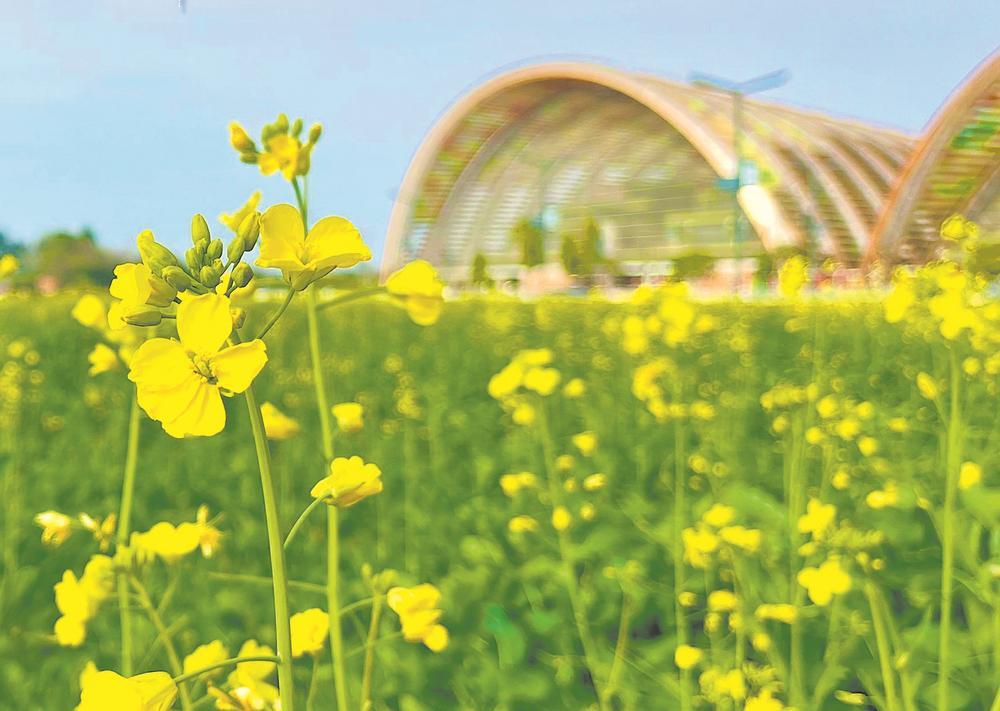
Core Insights - The article highlights the transformative impact of agricultural technology in Chengdu, showcasing how innovations are redefining traditional farming practices and enhancing food diversity in winter [4][6][7]. Group 1: Agricultural Innovations - Chengdu's agricultural landscape is evolving with the introduction of "black technology," allowing for year-round production of crops like strawberries and oilseed rape, even in winter [4][6][7]. - The use of advanced techniques such as double haploid induction and controlled environment agriculture has led to the development of cold-resistant, early-blooming crop varieties [4][7][8]. - Facilities like vertical farms and smart greenhouses are enabling the cultivation of crops without reliance on traditional seasonal constraints, thus ensuring a steady supply of fresh produce [9][12]. Group 2: Seafood Production in Xinjiang - Xinjiang is emerging as a significant player in the seafood industry, producing species like salmon and shrimp through innovative inland aquaculture techniques [10][11]. - The use of saline-alkaline water for aquaculture has been optimized to create environments suitable for marine species, showcasing a breakthrough in resource utilization [10][11]. - Advanced closed-loop water recycling systems are being implemented to ensure sustainable and efficient fish farming practices in arid regions [11][12]. Group 3: Solar-Agriculture Integration - The "agriculture-photovoltaics" model is gaining traction, where solar panels not only generate electricity but also create favorable microclimates for crop growth beneath them [13][14]. - This dual-use approach is enhancing agricultural productivity in arid regions by improving soil conditions and reducing water evaporation [13][14]. - Projects like "fishing-solar" and "pasture-solar" are demonstrating the potential for synergistic benefits, leading to increased yields and diversified income streams for farmers [14][15]. Group 4: Global Agricultural Technology Trends - The global agricultural sector is witnessing a shift towards data-driven practices, moving away from traditional methods to more scientific approaches [16][17]. - Technologies such as IoT, AI, and autonomous machinery are being integrated into farming operations worldwide, enhancing efficiency and sustainability [16][17]. - China's advancements in agricultural technology are not only improving domestic production but also contributing to global agricultural practices, showcasing a blend of local innovation and international collaboration [17].
联农带农兴业 稳收增收富民
Xin Lang Cai Jing· 2026-01-17 20:47
Core Viewpoint - The article highlights the transformation of farmers in Yunnan from traditional roles to essential partners in the modern agricultural industry, driven by innovative benefit-sharing mechanisms and institutional reforms [1][2]. Group 1: Benefit-Linked Mechanisms - Yunnan has implemented the "Double Binding" mechanism, which connects leading enterprises with cooperatives and cooperatives with farmers, ensuring stable income for farmers as the industry grows [1][2]. - The "3582" benefit-sharing model allows farmers to receive 80% of profits, while cooperatives and village collectives receive 3% and 5% respectively, significantly improving village income and community development [2]. Group 2: Agricultural Development and Financial Support - By the third quarter of 2025, Yunnan had 9,716 agricultural leading enterprises and 67,000 farmer cooperatives, with a total investment of 258 billion yuan in agricultural support, providing a solid financial foundation for farmers [2]. - The province's financial products for poverty alleviation rank among the best in the country, facilitating farmers' integration into the agricultural value chain [2]. Group 3: Diverse Development Strategies - Yunnan's regions are adopting tailored strategies for different industries, ensuring farmers can find stable income sources across various agricultural sectors [3]. - The "622" model in Honghe has transformed former transport workers into blueberry growers, doubling their income and creating local employment opportunities [3]. Group 4: Multi-Source Income Models - The "Agricultural-Photovoltaic Complementation" model in Chuxiong allows farmers to earn income from land rent, labor, and additional economic benefits, promoting sustainable agricultural practices [4]. - The "721" benefit-sharing mechanism in Zhaotong has integrated over 5,200 households into the industry, generating significant employment and income growth [4]. Group 5: Value Chain Enhancement - The growth of the agricultural processing industry in Yunnan has increased the ratio of agricultural processing value to total agricultural output to 2.5:1, allowing farmers to share in the profits from value-added processing [5]. - The establishment of a cold chain logistics system has reduced post-harvest losses, further increasing farmers' incomes, while brand development has enhanced product value, benefiting farmers directly [5].
在沙地里“追风逐日”:从“金色沙海”到“绿色蓝海”
Zhong Guo Xin Wen Wang· 2026-01-14 08:13
Core Insights - The transformation of the Keshiketeng Banner from a desert area to a green landscape is attributed to the integration of photovoltaic (PV) technology with ecological restoration efforts [2][3] Group 1: Ecological Restoration and Renewable Energy - The region's vast desert and arid land are being utilized for solar energy generation, referred to as "planting the sun" in the desert [3] - The installation of PV panels not only generates electricity but also stabilizes the soil by reducing wind speed and preventing erosion, allowing for the cultivation of drought-resistant plants [3][4] - The "shade effect" of the PV panels can reduce surface water evaporation by 20% to 30% [4] Group 2: Project Development and Economic Impact - In 2023, a development agreement was signed for a wind and solar integration project with a total capacity of 3 million kilowatts, including 1.4 million kilowatts of wind power and 1.6 million kilowatts of solar power [4] - The first phase includes a 300,000-kilowatt solar project and a 200,000-kilowatt wind project, with plans to complete sand control over 135,000 acres by 2024 [4] - The "agriculture-solar complementary" model is being developed, utilizing the land between PV panels to grow high-quality forage, expected to produce 7,000 tons of dry grass annually [4] Group 3: Community Benefits and Wildlife Conservation - Compensation for land acquisition in the region amounts to 6.1 million yuan, benefiting local herders significantly [5] - Local employment opportunities are created through the PV project, with workers earning approximately 300 yuan per day [5] - The installation of bird-friendly structures on power lines has improved the habitat for local bird species, promoting ecological balance [6]
山东潍坊:农光互补“绿生金”
Xin Hua She· 2025-11-02 02:57
Core Insights - The integration of solar energy and ecological farming is being effectively implemented in Weifang City, Shandong Province, with significant economic benefits reported by local farms [1][2][3] Group 1: Solar Energy and Ecological Farming - The Ligan Breeding Farm in Weifang has installed a distributed solar power system with a capacity of 10 megawatts, generating over 4 million yuan in revenue from solar energy while achieving a net income of over 700,000 yuan from duck farming in 2024 [1] - The "Agriculture-Solar Complementarity" model is being adopted in Changle County, with five solar power stations established, totaling nearly 60 megawatts and generating over 28 million yuan annually [2] - The Huating Youran Livestock Company utilizes its dairy barn roof space to install an 11-megawatt solar power system, achieving a monthly electricity savings of approximately 400,000 yuan while maintaining optimal temperature conditions for the cows [2] Group 2: Solar Capacity and Energy Transition - As of August 2023, Weifang City has a total installed solar capacity of 12.579 million kilowatts, significantly contributing to the local green and low-carbon energy transition [3]
驻奥克兰总领馆经商处考察塔图阿努伊光伏电站项目
Shang Wu Bu Wang Zhan· 2025-10-31 16:40
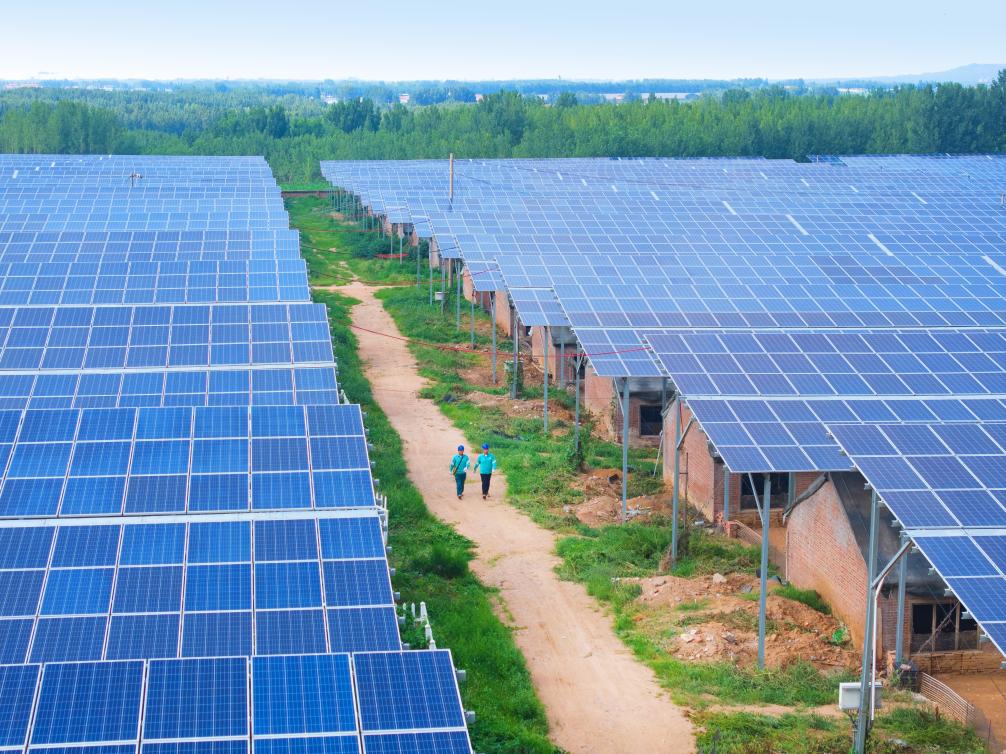
Core Insights - The Tatuanui photovoltaic power station project is a significant investment by Chinese companies in New Zealand, focusing on green energy and sustainable development [2][4] Group 1: Project Overview - The project has a total installed capacity of 11 megawatts (MWdc) and utilizes 18,000 high-efficiency bifacial solar panels [4] - It employs a single-axis tracking system to enhance energy generation efficiency [4] - Upon operation, the project is expected to meet the annual electricity needs of approximately 2,500 households [4] Group 2: Environmental Impact - The project aims to reduce carbon dioxide emissions by approximately 18,600 tons, contributing to New Zealand's goal of achieving net-zero emissions by 2050 [4] Group 3: Compliance and Management - The Chinese consulate officials emphasized the importance of compliance in overseas operations and the need for high-quality project execution [2]
