
氟唑帕利

Search documents
恒瑞快换届了,董事长孙飘扬任期已满
Xin Lang Cai Jing· 2026-02-03 12:52
Core Viewpoint - The board of directors of Heng Rui Medicine has announced a postponement of the board election, extending the terms of the current board members and senior management until February 1, 2026, to ensure governance stability and avoid disruptions in research and commercialization processes [1][7][16]. Group 1: Board and Management Changes - The current board of directors, including key executives such as Chairman Sun Piaoyang and President Dai Hongbin, will continue their roles until the new board is elected [3][12]. - The postponement of the board election may be influenced by factors such as strategic continuity, shareholder opinion coordination, and candidate selection [7][16]. - As of February 3, 2023, Heng Rui Medicine's A-share price was 57.47 yuan, with a market capitalization of 381.44 billion yuan, while its Hong Kong stock price was 67 HKD, with a market capitalization of 444.69 billion HKD [7][16]. Group 2: Financial Performance and Business Development - In the first three quarters of 2024 and 2025, Heng Rui Medicine reported revenues of 27.985 billion yuan and 23.188 billion yuan, representing year-on-year growth of 22.63% and 14.85%, respectively [8][17]. - The net profits for the same periods were 6.337 billion yuan and 5.751 billion yuan, with year-on-year increases of 47.28% and 24.50% [8][17]. - The company achieved significant revenue from its innovative drug business, with sales and licensing income of 9.561 billion yuan in the first half of 2025, accounting for 60.66% of total revenue [9][18]. Group 3: Market Position and Competitive Landscape - Despite strong growth, Heng Rui Medicine faces challenges from competitors, particularly in the innovative drug sector, where it must contend with similar products from other companies [10][21]. - The company’s overseas revenue was approximately 716 million yuan in 2024, constituting only 2.86% of total revenue, highlighting a significant gap compared to competitors like BeiGene, which had over 60% of its revenue from international markets [9][18]. - The oncology segment remains the largest revenue source for Heng Rui Medicine, generating approximately 14.587 billion yuan in 2024, with a gross margin of 92.57% [19][20].

2026年中国合成致死药物行业市场全景评估及投资趋势预测报告
Sou Hu Cai Jing· 2025-12-26 03:12
Core Insights - Synthetic lethality drugs specifically target cancer cells while sparing normal cells, showing remarkable potential in cancer treatment and gaining importance in precision oncology [1][4][13] - The global synthetic lethality drug market is projected to reach $4.3 billion in 2024 and $4.8 billion in 2025, with the Chinese market expected to grow from 3.6 billion yuan in 2024 to 4.6 billion yuan in 2025 [1][4][13] - PARP inhibitors, a successful example of synthetic lethality, have seen global sales reach $3.072 billion in 2024, with an expected increase to $3.4 billion in 2025 [1][4][13] Market Overview - The global synthetic lethality drug market is expected to grow significantly, with a forecasted size of $4.3 billion in 2024 and $4.8 billion in 2025 [4][13] - The Chinese synthetic lethality drug market is also on the rise, projected to reach 3.6 billion yuan in 2024 and 4.6 billion yuan in 2025 [4][13] PARP Inhibitors - The first PARP inhibitor, Olaparib, has become a blockbuster drug in oncology, achieving nearly 9.3% growth in sales after 10 years on the market [1][4][13] - Global sales of PARP inhibitors are expected to reach $3.072 billion in 2024 and $3.4 billion in 2025 [1][4][13] Industry Definition and Mechanism - Synthetic lethality refers to a situation where mutations in two non-lethal genes do not affect cell survival, but simultaneous mutations lead to cell death [3][7] - The concept of synthetic lethality has been recognized in cancer cells, allowing for targeted therapies that selectively eliminate cancer cells while protecting normal tissues [3][7] Policy and Industry Chain - The industry is supported by various national policies aimed at enhancing cancer precision treatment and synthetic lethality drug development, including guidelines and reform measures [3][9] - The industry chain includes upstream biological raw materials, midstream drug development, and downstream clinical applications in hospitals and research institutions [3][9] Competitive Landscape - Since the approval of Olaparib in 2014, several other PARP inhibitors have entered the market, including Niraparib, Rucaparib, and Talazoparib, expanding treatment options for cancer patients [5][15] - The competitive landscape is evolving, with major pharmaceutical companies exploring new synthetic lethality targets, indicating a growing interest in this therapeutic approach [5][15]
恒瑞医药卵巢癌治疗药物氟唑帕利FZOCUS-1研究,载入全球肿瘤学顶刊《CA》
Xin Lang Ke Ji· 2025-12-15 06:05
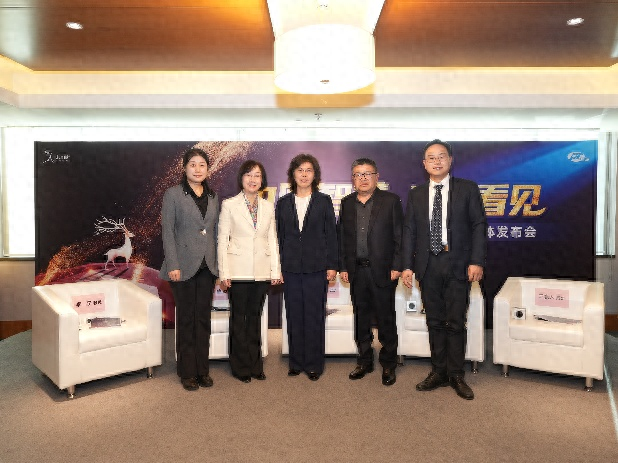
Core Insights - The FZOCUS-1 study has been published in the prestigious journal "CA: A Cancer Journal for Clinicians," marking a significant milestone for clinical oncology research in China [1][2] - This study is the first clinical research in the field of gynecological oncology conducted by Chinese researchers to be featured in this top-tier journal [1] Study Overview - FZOCUS-1 is a randomized, double-blind, placebo-controlled Phase III clinical trial conducted over six years across 54 centers in China, involving 674 patients [1] - The study evaluates the efficacy and safety of the first domestically developed PARP inhibitor, Furazlopar, either alone or in combination with the anti-angiogenic drug Apatinib, for first-line maintenance treatment of advanced ovarian cancer [1] Key Findings - Patients receiving Furazlopar monotherapy achieved a median progression-free survival (PFS) of 29.9 months, showing a statistically significant difference compared to the placebo group [1] - In the subgroup of patients with BRCA mutations, the median PFS increased dramatically from 16.6 months in the placebo group to 47.8 months with Furazlopar monotherapy, significantly reducing the risk of disease progression or death [1] - The study confirmed that the use of PARP inhibitors alone can achieve ideal efficacy in HRD-positive populations, avoiding the side effects and economic burden associated with combination therapies [1] Industry Impact - The successful publication of the FZOCUS-1 study is seen as a vital contribution of "Chinese data" and "Chinese wisdom" to global ovarian cancer treatment practices [2] - The results reflect the commitment of the company, Heng Rui Medicine, to innovation and addressing global clinical challenges through independent research and development [2] - Furazlopar has been included in the medical insurance catalog, significantly improving drug accessibility for Chinese ovarian cancer patients [2]

卵巢癌FZOCUS-1研究登顶全球肿瘤学顶级期刊
Huan Qiu Wang· 2025-12-15 03:38
Core Viewpoint - The FZOCUS-1 study has been published in the prestigious journal "CA: A Cancer Journal for Clinicians," marking a significant milestone for Chinese clinical oncology research and demonstrating China's leadership in gynecological oncology research on a global scale [1][6]. Group 1: Study Overview - The FZOCUS-1 study is a randomized, double-blind, placebo-controlled Phase III clinical trial conducted over six years across 54 centers in China, involving 674 patients [4]. - The study aims to evaluate the efficacy and safety of the first domestically developed PARP inhibitor, Fluorouracil, either alone or in combination with the anti-angiogenic drug Apatinib, for first-line maintenance treatment of advanced ovarian cancer [4]. Group 2: Clinical Context - Ovarian cancer, known as the "king of gynecological cancers," is characterized by late-stage diagnosis, high recurrence rates, and poor long-term prognosis, with less than 30% five-year survival rate for advanced cases [3]. - Traditional treatment methods have limited effectiveness, with up to 70% of patients facing recurrence within two years, leading to a cycle of treatment and relapse [3]. Group 3: Implications and Accessibility - The successful publication of the FZOCUS-1 study provides critical evidence for clinical practice in advanced ovarian cancer, contributing both breakthrough advancements and precision treatment options [4][6]. - The PARP inhibitor Fluorouracil has been included in the medical insurance directory, significantly improving drug accessibility for Chinese ovarian cancer patients [6].
Cancer Cell:邵志敏/江一舟团队等利用AI辅助分型,提高乳腺癌治疗效果
生物世界· 2025-12-06 04:05
Core Viewpoint - The study highlights the potential of AI-assisted molecular subtyping to enhance treatment efficacy in HR+/HER2- breast cancer, particularly for the newly identified subtypes SNF2 and SNF4 [4][22]. Group 1: Research Background - HR+/HER2- breast cancer accounts for approximately two-thirds of all breast cancer cases, with limited treatment options available after resistance to CDK4/6 inhibitors [3][4]. - The study published in Cancer Cell on December 4, 2025, by researchers from Fudan University, introduces a new approach to classify HR+/HER2- breast cancer into four subtypes using AI [3][4]. Group 2: AI Subtyping Methodology - The research team utilized multi-omics data and a similarity network fusion (SNF) algorithm to classify HR+/HER2- breast cancer into four new subtypes: SNF1, SNF2, SNF3, and SNF4 [8][11]. - An AI model was developed to predict these subtypes accurately from routine H&E stained pathology slides, making clinical application feasible without expensive multi-omics testing [11][21]. Group 3: LINUX Trial Design - The LINUX trial is a multi-center, randomized controlled Phase II study involving 105 HR+/HER2- advanced breast cancer patients who are resistant to CDK4/6 inhibitors [13][14]. - Patients were categorized based on their SNF subtype and randomly assigned to either a precision treatment group or a standard treatment group [13][14]. Group 4: Treatment Protocols - Treatment regimens were tailored to each subtype: - SNF1: Everolimus + endocrine therapy - SNF2: Camrelizumab + Famitinib + chemotherapy - SNF3: Olaparib + chemotherapy - SNF4: Apatinib + chemotherapy [14]. Group 5: Trial Results - The trial demonstrated significant efficacy, with objective response rates (ORR) for the precision treatment group compared to the control group as follows: - SNF1: 10% vs 0% - SNF2: 65% vs 30% - SNF3: 40% vs 30% - SNF4: 70% vs 20% [17]. - Notably, the probability of effective treatment for SNF2 and SNF4 was 86.7% and 97.6%, respectively, indicating successful patient selection for specific therapies [19]. Group 6: Safety and Clinical Implications - The safety profile of the precision treatment group was comparable to the standard treatment group, with a 37% incidence of grade 3-4 treatment-related adverse events [19]. - The LINUX trial results provide strong evidence for new treatment strategies in HR+/HER2- advanced breast cancer, particularly identifying SNF2 as an "immune hot tumor" type [22][24]. Group 7: Future Outlook - The success of the LINUX trial validates the feasibility of using low-cost pathology and AI for clinical precision subtyping and treatment guidance [21]. - This research paves the way for personalized treatment approaches in breast cancer, aiming for a "one patient, one plan" strategy in precision medicine [24].

新股前瞻|布局稀缺抗癌赛道,英派药业IPO故事有多少看点?
智通财经网· 2025-10-06 08:33
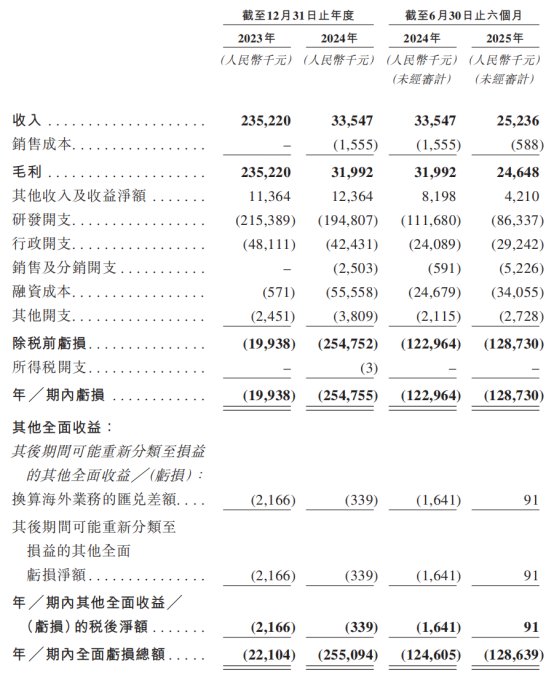
Core Viewpoint - Nanjing Inpai Pharmaceutical Co., Ltd. has submitted an application for listing on the Hong Kong Stock Exchange, marking its entry into the innovative drug sector focused on synthetic lethality mechanisms for cancer treatment [1] Company Overview - Established in 2009, Inpai Pharmaceutical is a commercial-stage biotechnology company specializing in precision cancer therapies based on synthetic lethality [1] - The company is one of only three globally that possesses both commercial-stage PARP1/2 inhibitors and clinical-stage next-generation PARP1 selective inhibitors [1][7] Financial Performance - In 2023, 2024, and the first half of 2025, the company recorded losses of approximately RMB 199 million, RMB 255 million, and RMB 129 million, respectively, primarily due to high R&D expenditures [2][3] - As of June 30, 2025, the company had cash and cash equivalents of RMB 21 million, indicating a tightening cash flow situation [2] Product Development and Commercialization - The core product, Senaparib, received approval in January 2025 for first-line maintenance treatment of ovarian cancer in China, showing the largest progression-free survival benefit among its peers [3][4] - As of June 30, 2025, Senaparib has been launched in 27 provinces in China and is available in over 200 direct-to-patient pharmacies and more than 600 medical institutions [4] - The product is expected to be included in the National Medical Insurance Drug List in early 2026, enhancing its market penetration [4] Market Potential and Competitive Landscape - The synthetic lethality mechanism is gaining recognition in clinical settings, with significant potential for market expansion due to its targeted approach and ability to overcome drug resistance [6][9] - The global market for synthetic lethality drugs is projected to reach USD 8.7 billion by 2029, while the small molecule targeted tumor drug market is expected to reach USD 105.8 billion in the same period [9] - Inpai Pharmaceutical has established a leading position in the synthetic lethality space, with a diverse pipeline that includes one commercial-stage drug, four clinical-stage drugs, and seven pre-IND drugs [7][9] Challenges and Future Outlook - The competitive landscape is intensifying, with nearly 40 PARP inhibitors in clinical development, highlighting the need for Inpai to maintain its competitive edge [7][9] - Despite the challenges, the rapid commercialization of Senaparib and its clinical advantages position the company for potential revenue growth and market success [10]
需求旺盛!国产创新药,从“吞金巨兽”变成了“现金奶牛”!
Sou Hu Cai Jing· 2025-09-15 03:19
Core Viewpoint - The Chinese innovative drug sector has shown remarkable performance in the capital market this year, driven by record-high business development (BD) amounts for overseas expansion and a rapid growth in domestic revenue, indicating a shift from a "cash-burning" model to a "cash cow" model [1][2]. Group 1: Domestic Demand - The demand for high-quality innovative drugs in China is continuously being released, with A-share innovative drug companies achieving a revenue of 28.69 billion yuan in the first half of the year, a year-on-year increase of approximately 42% [2]. - Leading companies like Heng Rui Medicine reported a 14.5% increase in innovative drug sales revenue to 7.57 billion yuan, primarily from the domestic market [2]. - Other companies such as Bai Jie Shen Zhou and Yi Fan Medicine also reported significant revenue growth, with Bai Jie Shen Zhou's flagship product achieving a 36.5% increase in sales [3]. Group 2: Policy Support - The Chinese government has been actively supporting the development of innovative drugs, with 149 innovative drugs included in the national medical insurance directory since 2018 [4]. - The National Healthcare Security Administration has indicated that by May 2025, the cumulative payment for negotiated drugs will reach 410 billion yuan, driving related drug sales to exceed 600 billion yuan [4]. - New policies are being introduced to address pricing and reimbursement challenges for innovative drugs, including the establishment of a commercial health insurance directory for innovative drugs [5]. Group 3: Research and Development Investment - Despite revenue growth, many innovative drug companies are increasing their R&D investments, creating a positive cycle of revenue growth leading to increased R&D and a rich pipeline [7]. - Heng Rui Medicine invested 3.87 billion yuan in R&D, with over 100 innovative products in clinical development [7]. - The overall trend indicates that companies are focusing on building a robust pipeline to sustain future revenue growth [7]. Group 4: Global Positioning - China currently holds nearly 30% of the global drug R&D market share, with a significant number of first-in-class drug pipelines [8]. - The country has become an important source of global pharmaceutical innovation, with a notable increase in technology licensing and overseas expansion [8]. - The past years of investment during the "innovation drug bubble" period are expected to yield significant results in the coming years [8].

从“吞金巨兽”到“现金奶牛” 中国创新药内需旺盛
Zheng Quan Shi Bao· 2025-09-14 22:16
Core Insights - The Chinese innovative drug sector has shown remarkable performance in the capital market this year, driven by record-high business development (BD) amounts for overseas expansion and a rapid growth in domestic revenue, indicating a shift from a "cash-burning" model to a "cash cow" model [1][2] Domestic Demand - There is a strong and growing domestic demand for high-quality innovative drugs, with A-share innovative drug companies achieving a revenue of 28.69 billion yuan in the first half of the year, a year-on-year increase of approximately 42%, while H-share companies reported 42.13 billion yuan, up about 10% [2] - Leading companies like Heng Rui Medicine reported a 14.5% increase in innovative drug sales revenue to 7.57 billion yuan, primarily from the domestic market, with several drugs contributing to this growth due to expanded indications [2][3] Revenue Growth and Market Dynamics - Innovative drugs from companies like Bai Jie Shen Zhou and Yi Fan Medicine have seen significant sales growth, with Bai Jie Shen Zhou's flagship product achieving 1.19 billion yuan in sales, a 36.5% increase, and Yi Fan's products growing by 169.57% [3] - The Chinese innovative drug industry is in a rapid development phase, benefiting from both domestic insurance market expansion and overseas market opportunities, leading to a trend towards profitability [3] Policy Support - The Chinese government has been actively supporting the development of innovative drugs, with 149 innovative drugs included in the national insurance catalog since 2018, significantly improving the accessibility of new and effective medications [4] - Companies like Jingxin Pharmaceutical and Bei Da Pharmaceutical have reported early signs of revenue growth from drugs that have recently been included in the insurance catalog, demonstrating the positive impact of policy support [4] Future Outlook - The year 2025 is anticipated to be a turning point for revenue growth among innovative drug companies, with 80% of A-share and H-share companies expected to see significant revenue increases following insurance negotiations [5] - The introduction of a commercial health insurance catalog for innovative drugs is expected to alleviate the financial burden on patients and enhance the market for innovative drugs [5][6] R&D Investment - Despite revenue growth, many innovative drug companies are increasing their R&D investments, creating a positive cycle of revenue growth leading to increased R&D and a rich pipeline of future products [7] - Companies like Heng Rui Medicine and Bai Jie Shen Zhou are significantly investing in R&D, with Heng Rui reporting 3.87 billion yuan in R&D spending and over 100 innovative products in clinical development [7] Global Positioning - China is becoming a significant player in global drug development, holding nearly 30% of the global market share, with a notable number of first-in-class drug pipelines and technology licensing agreements [8] - The past years of investment in innovative drug development are expected to yield substantial results around 2025, although caution is advised regarding potential future investment slowdowns [8]
从“吞金巨兽”到“现金奶牛”中国创新药内需旺盛
Zheng Quan Shi Bao· 2025-09-14 17:58
Core Viewpoint - The Chinese innovative pharmaceutical sector has shown remarkable performance in the capital market this year, driven by record-high business development (BD) amounts for overseas expansion and a rapid growth in domestic revenue, indicating a shift from a "cash-burning" model to a "cash cow" model for innovative drugs [1] Domestic Demand - The demand for high-quality innovative drugs in China is significantly increasing, with A-share innovative drug companies reporting a revenue of 28.69 billion yuan in the first half of the year, a year-on-year growth of approximately 42%, while H-share companies reported 42.13 billion yuan, a growth of about 10% [2] - Leading companies like Heng Rui Medicine reported a 14.5% increase in innovative drug sales revenue to 7.57 billion yuan, primarily from the domestic market, with several drugs contributing to this growth due to expanded indications [2][3] - Other companies such as BeiGene and Yifan Pharmaceutical also reported substantial revenue growth from their innovative products, indicating a robust domestic market for innovative drugs [3] Policy Support - The Chinese government has been actively supporting the development of innovative drugs through policy reforms, with 149 innovative drugs included in the national medical insurance directory since 2018, significantly improving the accessibility of new drugs [4] - The introduction of commercial health insurance for innovative drugs is expected to alleviate the financial burden on patients and enhance the market for innovative drugs [5][6] Research and Development Investment - Despite the growth in revenue, many innovative drug companies are increasing their R&D investments, creating a positive cycle of revenue growth leading to increased R&D and a rich pipeline of future products [7] - Companies like Heng Rui Medicine and BeiGene are significantly investing in R&D, with substantial portions of their revenue allocated to developing new drugs [7][8] Global Positioning - China is becoming a significant player in global drug development, holding nearly 30% of the global market share, with a notable increase in first-in-class drug pipelines and technology licensing [8] - The past years of investment during the "innovation drug bubble" period are expected to yield significant results in the coming years, particularly around 2025 [8]
恒瑞医药创新药助力中期赚45亿 投39亿研发自研管线数全球第二
Chang Jiang Shang Bao· 2025-08-25 00:38
Core Viewpoint - Heng Rui Medicine has achieved record high operating performance driven by its innovative drugs, with significant revenue and profit growth in the first half of 2025 [1][4]. Financial Performance - In the first half of 2025, Heng Rui Medicine reported revenue of 15.761 billion yuan, a year-on-year increase of 15.88%, and a net profit attributable to shareholders of 4.450 billion yuan, up 29.67% [1][4]. - The company has maintained a three-year trend of increasing both revenue and net profit since the mid-2023 [2]. - The revenue from innovative drug sales and licensing reached 9.561 billion yuan, accounting for 60.66% of total revenue [2][7]. - Quarterly performance showed revenue of 7.206 billion yuan and 8.556 billion yuan for Q1 and Q2 respectively, with year-on-year growth of 20.14% and 12.53% [5][6]. Innovation and R&D - Heng Rui Medicine has significantly increased its R&D investment, totaling 3.871 billion yuan in the first half of 2025, which is 24.56% of its revenue [2][10]. - The company ranks second globally in the number of self-developed drug pipelines [3][12]. - Heng Rui has submitted five new drug applications in the first half of 2025 and has over 100 self-innovated products in clinical development [10]. Licensing and International Expansion - The company has achieved notable success in international markets, receiving upfront payments of 200 million USD from Merck Sharp & Dohme and 75 million USD from IDEAYA, contributing to revenue growth [2][7]. - Innovative drug licensing has become a regular business for Heng Rui, significantly impacting its revenue structure [7]. Market Position and Future Outlook - Heng Rui Medicine aims to establish itself as a leading innovative pharmaceutical company rooted in China with a highly differentiated product matrix [10]. - The company is focused on addressing unmet medical needs across various therapeutic areas, including oncology, metabolic diseases, and immunology [12].