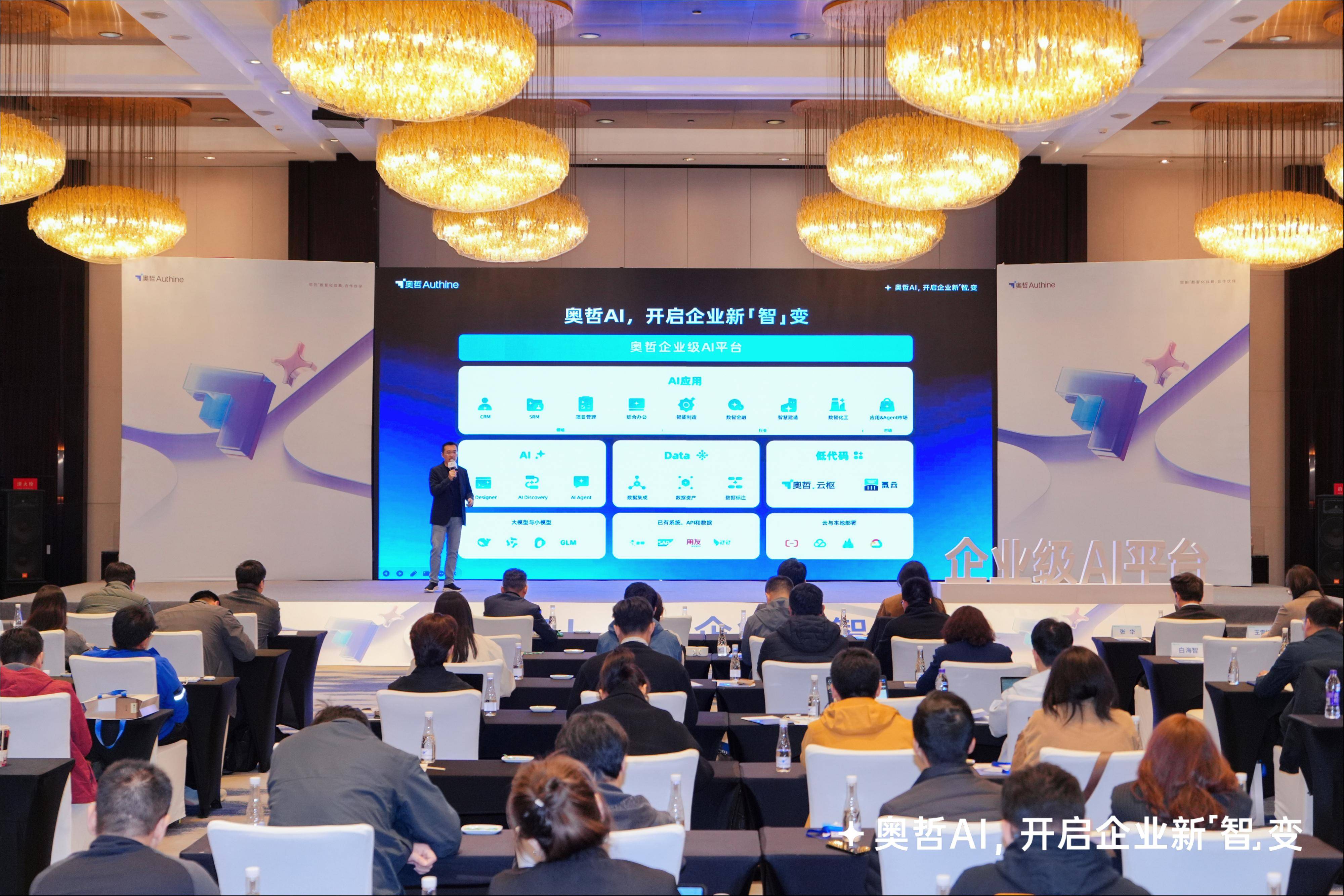
企业级AI平台

Search documents
“造船远航”时代已来,解码京企“出海”逻辑
Xin Jing Bao· 2025-12-31 06:10
Core Insights - Chinese enterprises are accelerating their globalization efforts, transitioning in foreign trade towards quality, efficiency, and innovation-driven models [1] - Beijing is emerging as an international technology innovation center, enhancing competitiveness in smart technology, green trade, and digital services through institutional innovation and reform [1][2] - The number of unicorn companies in China has reached 409, accounting for nearly 30% of the global total, with Beijing housing 115 of these, valued at $594.9 billion [1] Group 1: Globalization Strategies - Beijing enterprises are shifting from "product output" to "ecosystem output," exemplified by Xiaomi's integration of hardware, software, and services in overseas markets [1] - JD Group is exporting its mature supply chain and logistics solutions to assist in the digital transformation of local businesses in Southeast Asia, showcasing the global empowerment value of the "Chinese supply chain ecosystem" [1] - Liard has expanded its overseas business significantly, with a 40% year-on-year growth in its overseas smart display business in the first half of 2022 [5][6] Group 2: Ecosystem Development - Liard's global strategy has evolved from "China screen" to "world window," with a focus on project, brand, and ecosystem exports [6] - Kunlun Wanwei has successfully entered overseas markets through a matrix of gaming and social applications, now focusing on artificial intelligence to build a global AI ecosystem [6] - Fourth Paradigm is establishing an industry AI application ecosystem globally, following a path of technology validation and benchmark establishment [7] Group 3: Policy and Future Outlook - The Beijing Municipal Economic and Information Bureau aims to establish a comprehensive service system for enterprises going abroad by 2028, linking over 100 international organizations and establishing 20 overseas service stations [9] - The dual drive of policy support and platform ecosystem will enable Beijing enterprises to expand into global markets more robustly and efficiently, enhancing both the quantity and quality of outbound enterprises [10] - The evolution of Beijing enterprises' globalization strategies reflects a transition from "borrowing boats to go to sea" to "building ships for long voyages," embedding technology standards and business models into the global value chain [10]


独家对话奥哲CEO徐平俊:“AI+数据+低代码”成为构建AI原生企业最佳路径
Sou Hu Cai Jing· 2025-10-22 10:55
Core Insights - The recent release of the State Council's opinion on implementing "AI+" actions indicates a shift from AI technology being a novelty to becoming practical and essential for businesses [3] - Companies' ability to apply AI technology will be a decisive factor in seizing future development opportunities, while AI technology providers face the challenge of transitioning from selling tools and services to selling outcomes [3][4] - The need for businesses to address challenges such as scenario selection, technology implementation, and ROI measurement will be critical for the commercialization and scalability of enterprise AI applications [3][4] Company Overview - Aozhe, founded during the late information age, initially focused on BPM to help businesses optimize processes and improve operational efficiency [4] - In the digital age, Aozhe shifted towards low-code platforms to enable businesses to respond quickly to market changes, achieving recognition as a leading low-code software vendor [4] - Aozhe's founder, Xu Pingjun, emphasized that understanding business needs is the core value of digital services, a capability that large models currently cannot replace [4][6] Strategic Developments - On October 17, Aozhe announced a strategic upgrade and launched an enterprise-level AI platform, proposing a closed-loop model of "AI + Data + Low-Code" [4][19] - This new strategy aims to address the challenges of integrating single-point capabilities and closing business logic loops in enterprise AI applications [4][19] Industry Insights - Xu Pingjun believes that AI technology will expand market growth by solving past challenges and creating new scenarios, while also enhancing the ability to meet personalized business needs [6][15] - The software industry is shifting towards value delivery and outcome delivery, with a consensus that AI should directly deliver results [15][18] Platform Features - Aozhe's enterprise-level AI platform is designed to facilitate the transition from digitalization to intelligentization, leveraging AI's native development capabilities [19][21] - The platform consists of three layers: AI model integration, a closed-loop business engine, and native AI application development across various industries [21][24] - Aozhe's platform aims to provide a seamless integration of AI, data, and low-code capabilities, allowing businesses to achieve better results at lower costs [27][28] Market Positioning - Aozhe's enterprise-level AI platform is positioned as a core product, with a focus on delivering personalized solutions and integrating various AI capabilities [26][27] - The platform differentiates itself by achieving business closure, supporting high levels of customization, and simplifying the use of AI through model selection and adaptation [27][28] Future Directions - Aozhe aims to become a leader in the enterprise-level AI platform market, building on its previous successes in BPM and low-code [46][47] - The company plans to help businesses transition from digitalization to intelligentization, ultimately enabling them to become AI-native enterprises [47]