生态输出

Search documents
“造船远航”时代已来,解码京企“出海”逻辑
Xin Jing Bao· 2025-12-31 06:10
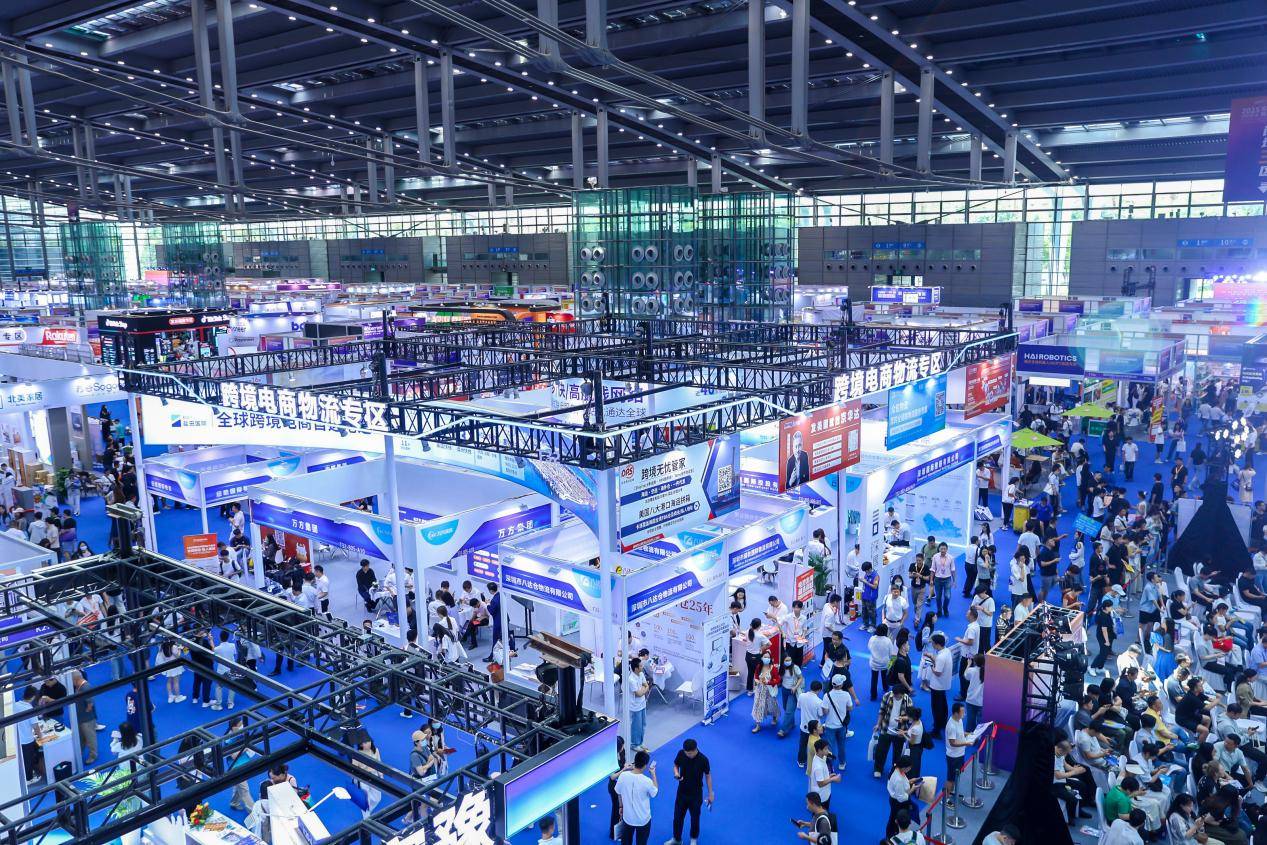
Core Insights - Chinese enterprises are accelerating their globalization efforts, transitioning in foreign trade towards quality, efficiency, and innovation-driven models [1] - Beijing is emerging as an international technology innovation center, enhancing competitiveness in smart technology, green trade, and digital services through institutional innovation and reform [1][2] - The number of unicorn companies in China has reached 409, accounting for nearly 30% of the global total, with Beijing housing 115 of these, valued at $594.9 billion [1] Group 1: Globalization Strategies - Beijing enterprises are shifting from "product output" to "ecosystem output," exemplified by Xiaomi's integration of hardware, software, and services in overseas markets [1] - JD Group is exporting its mature supply chain and logistics solutions to assist in the digital transformation of local businesses in Southeast Asia, showcasing the global empowerment value of the "Chinese supply chain ecosystem" [1] - Liard has expanded its overseas business significantly, with a 40% year-on-year growth in its overseas smart display business in the first half of 2022 [5][6] Group 2: Ecosystem Development - Liard's global strategy has evolved from "China screen" to "world window," with a focus on project, brand, and ecosystem exports [6] - Kunlun Wanwei has successfully entered overseas markets through a matrix of gaming and social applications, now focusing on artificial intelligence to build a global AI ecosystem [6] - Fourth Paradigm is establishing an industry AI application ecosystem globally, following a path of technology validation and benchmark establishment [7] Group 3: Policy and Future Outlook - The Beijing Municipal Economic and Information Bureau aims to establish a comprehensive service system for enterprises going abroad by 2028, linking over 100 international organizations and establishing 20 overseas service stations [9] - The dual drive of policy support and platform ecosystem will enable Beijing enterprises to expand into global markets more robustly and efficiently, enhancing both the quantity and quality of outbound enterprises [10] - The evolution of Beijing enterprises' globalization strategies reflects a transition from "borrowing boats to go to sea" to "building ships for long voyages," embedding technology standards and business models into the global value chain [10]


“引领者”蜕变 盘点2025中国汽车行业关键词
Zhong Guo Jing Ying Bao· 2025-12-29 17:15
Core Insights - The Chinese automotive industry is undergoing a profound structural transformation in 2025, shifting from price competition to value competition, driven by market forces rather than policies, and evolving from a "follower" to a "leader" on the global stage [1] Group 1: Price Competition - The price war in the automotive sector has cooled down, marking a transition from vicious competition to rational competition, with average industry profit margins at 4.5% and 55% of dealers facing losses [4] - Regulatory measures, including a self-discipline agreement among major car manufacturers and compliance guidelines from the State Administration for Market Regulation, are promoting a market order focused on quality and value [4] Group 2: New Energy Vehicles - In 2025, new energy vehicles (NEVs) achieved a domestic market share of 53.6% from January to November, marking a significant shift to market-driven growth [6] - The consensus of "oil and electricity at the same price" has emerged, with Chinese brands leveraging core technologies to dominate the domestic NEV market [6] Group 3: Intelligent Driving - 2025 is recognized as the year of large-scale popularization of intelligent driving, with L2-level assistance penetration reaching 64% and L3-level models being trialed in designated areas [8][9] - The cost of hardware for intelligent driving has decreased by approximately 50%, facilitating broader access to advanced driving features [9] Group 4: Supply Chain and Payment Terms - A "payment revolution" is underway, with major car manufacturers committing to reduce payment cycles for small suppliers to within 60 days, addressing long-standing issues in the supply chain [10] - This initiative aims to restore credit systems within the supply chain and foster a collaborative ecosystem, moving from a zero-sum game to a win-win situation [10] Group 5: Export Growth - Chinese automotive exports are expected to exceed 6.8 million units in 2025, maintaining the top position globally for the third consecutive year, with NEV exports doubling to 2.315 million units [13] - The export model has evolved from simple product trade to localized industry chain and technology ecosystem output, enhancing China's role as a global technology solution provider [13] Group 6: Charging Infrastructure - By the end of November 2025, the total number of electric vehicle charging facilities in China reached 19.322 million, a 52% increase year-on-year [15] - The introduction of integrated solar-storage-charging stations is transforming NEVs into flexible distributed energy storage units, enhancing the synergy between energy and transportation [15] Group 7: Safety Standards - Safety has become a central theme in the industry, with new regulations addressing issues related to intelligent driving and battery safety, including the strictest global standards for battery thermal runaway [18] - The focus on safety is pushing the industry to prioritize technical upgrades and ensure that safety is a fundamental aspect of development [18] Group 8: Domestic Brands - Chinese automotive brands have achieved a historic milestone, with a market share of 70% in passenger vehicles, becoming a key driver of market growth [20] - These brands are breaking the monopoly of joint ventures in mature markets, reshaping the global automotive competitive landscape [20] Group 9: Industry Consolidation - The automotive market is experiencing a bifurcation, with a significant concentration of resources towards leading companies as weaker brands exit the market [22] - This marks the end of the first round of industry reshuffling, indicating a transition to a more mature and regulated market [22] Group 10: Value Reconstruction - The industry is moving towards high-quality development, shifting focus from scale expansion to technological innovation, global layout, and user experience [24] - The collaboration across the supply chain and the increase in domestic chip production are strengthening the foundation for a self-controlled industry ecosystem [24]
全球电商风向标:深圳跨境电商盛会开幕,万商云集共谋出海新局
Sou Hu Cai Jing· 2025-06-19 09:13
Core Insights - The 8th Global Cross-Border E-Commerce Festival and the 10th Shenzhen International Cross-Border E-Commerce Trade Expo commenced, attracting over 36,000 professional visitors on the first day, showcasing a microcosm of global trade [1][4]. Industry Overview - The expo served as a platform to display the strength of "Made in China," featuring over 40 specialized industrial zones, highlighting the breadth and depth of the Chinese supply chain [4]. - Professional purchasing groups from over 30 countries, including Germany, France, South Korea, and Japan, participated in the event, seeking collaboration opportunities and weaving a new network for global trade [4]. Technological Advancements - The application of cutting-edge technologies such as AI-driven product selection, blockchain-enabled product traceability, and efficient smart logistics systems were prominent at the expo, illustrating the digital transformation wave in cross-border e-commerce [6]. - Exhibiting companies showcased digital platforms and comprehensive compliance solutions that inject strong momentum into global trade [6]. Company Highlights - WOOT CN, represented by its China President and co-founder Susie, emphasized their collaboration with over 40,000 sellers over the past nine years, achieving over 100,000 successful cases [8]. - WOOT CN plans to focus on "two centers and one platform" strategy, enhancing its advertising platform to support Chinese brands in going global [8]. Market Trends - The project director of WOOT CN, Wilson, noted a significant shift in China's outbound strategy from "product output" to "ecosystem output," marking the end of the single-point breakthrough era [11]. - The marketing head of WOOT CN, John, discussed strategies to shorten the new product promotion cycle using WOOT BD and advertising, emphasizing the importance of quality products and advertising [13]. Strategic Developments - The establishment of the Global Cross-Border E-Commerce Association and the launch of the National Cross-Border E-Commerce Association's Industry Outbound Alliance signify a transition from a fragmented approach to a collaborative strategy in cross-border e-commerce [21]. - This alliance aims to create a "group outbound" system, empowering the entire supply chain from source to brand building, thus activating the potential of China's industrial clusters [21]. Regional Impact - Shenzhen has emerged as a core engine for global cross-border e-commerce development, housing 120,000 cross-border e-commerce sellers and hosting 80% of the top 20 global cross-border e-commerce platforms [23]. - The city's cross-border e-commerce import and export value is projected to exceed 372 billion yuan in 2024, marking three consecutive years of national leadership in this sector [23].