依若高速

Search documents
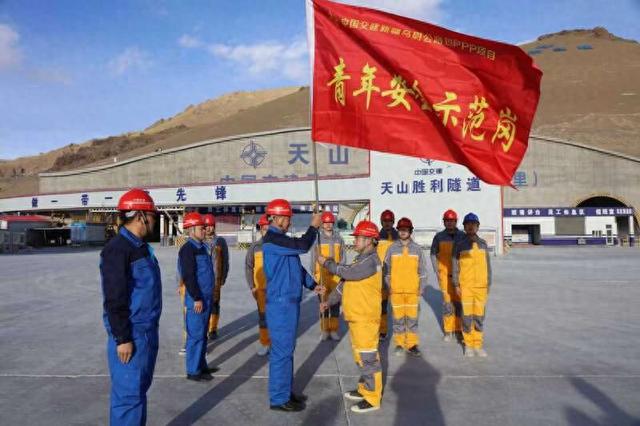
天山南北,青春为路
Zhong Guo Qing Nian Bao· 2025-12-26 08:51
Core Points - The G0711 line Urumqi to Yili Expressway project, built by China Communications Construction Company (CCCC), has officially opened, significantly improving transportation in Xinjiang by connecting five major highways and creating a comprehensive north-south traffic network [1][7] - The project showcases the dedication and innovation of CCCC's youth teams, who have worked in challenging conditions to contribute to the Belt and Road Initiative [1][3] Group 1: Project Overview - The G0711 line is part of a larger network that includes the Urumqi-Yili, Yili-San, San-Ruo, Yili-Ya, and Yili-Qi desert roads, enhancing connectivity across Xinjiang [1] - The completion of these roads has reduced travel time from Urumqi to Korla to 3 hours and from Ruoqiang to Korla to just over 4 hours, clarifying the "six horizontal and six vertical" traffic framework in Xinjiang [7] Group 2: Construction Challenges - The construction faced extreme conditions, including a "no water, no electricity, no signal" environment in the desert, where workers had to measure and build under harsh weather, including sandstorms [3] - The team overcame significant engineering challenges, such as the 22.13 km Tian Shan Victory Tunnel, which involved complex geological conditions and required innovative construction methods, including the "three tunnels and four shafts" technique [3] Group 3: Community Impact - Youth teams have also provided essential services during adverse weather, such as clearing snow for stranded vehicles and establishing "Silk Road Rest Stations" equipped with oxygen machines and first aid kits, demonstrating their commitment to community safety [4] - Their efforts have created a "life harbor" in the Gobi Desert, emphasizing the human aspect of infrastructure development [4]


【砥砺奋进七十载 天山南北谱华章】天堑织网变通途
Yang Shi Wang· 2025-09-14 11:57
Core Points - Xinjiang has accelerated the construction of a modern comprehensive transportation network since the 18th National Congress of the Communist Party, transforming previously isolated areas into accessible regions [1][2] - The Uwei Expressway is nearing completion, expected to be operational in just over two months, enhancing connectivity between northern and southern Xinjiang [1] - New industrial parks and cold chain bases are being established along the expressway, indicating economic development in previously underserved areas [1] - The region has seen significant improvements in transportation infrastructure, including the first high-altitude airport in Xinjiang and the completion of the world's first desert-ring railway [1][2] Transportation Infrastructure - Xinjiang's railway operating mileage has reached 9,557 kilometers, covering over 80% of county-level administrative regions [2] - The region boasts 28 airports, the highest number in the country, with 628 operational flight routes [2] - The total length of highways in Xinjiang has reached 231,900 kilometers, with expressways connecting all prefecture-level cities [2] - Rural roads are improving access to local agricultural products, facilitating their distribution to major markets [2]
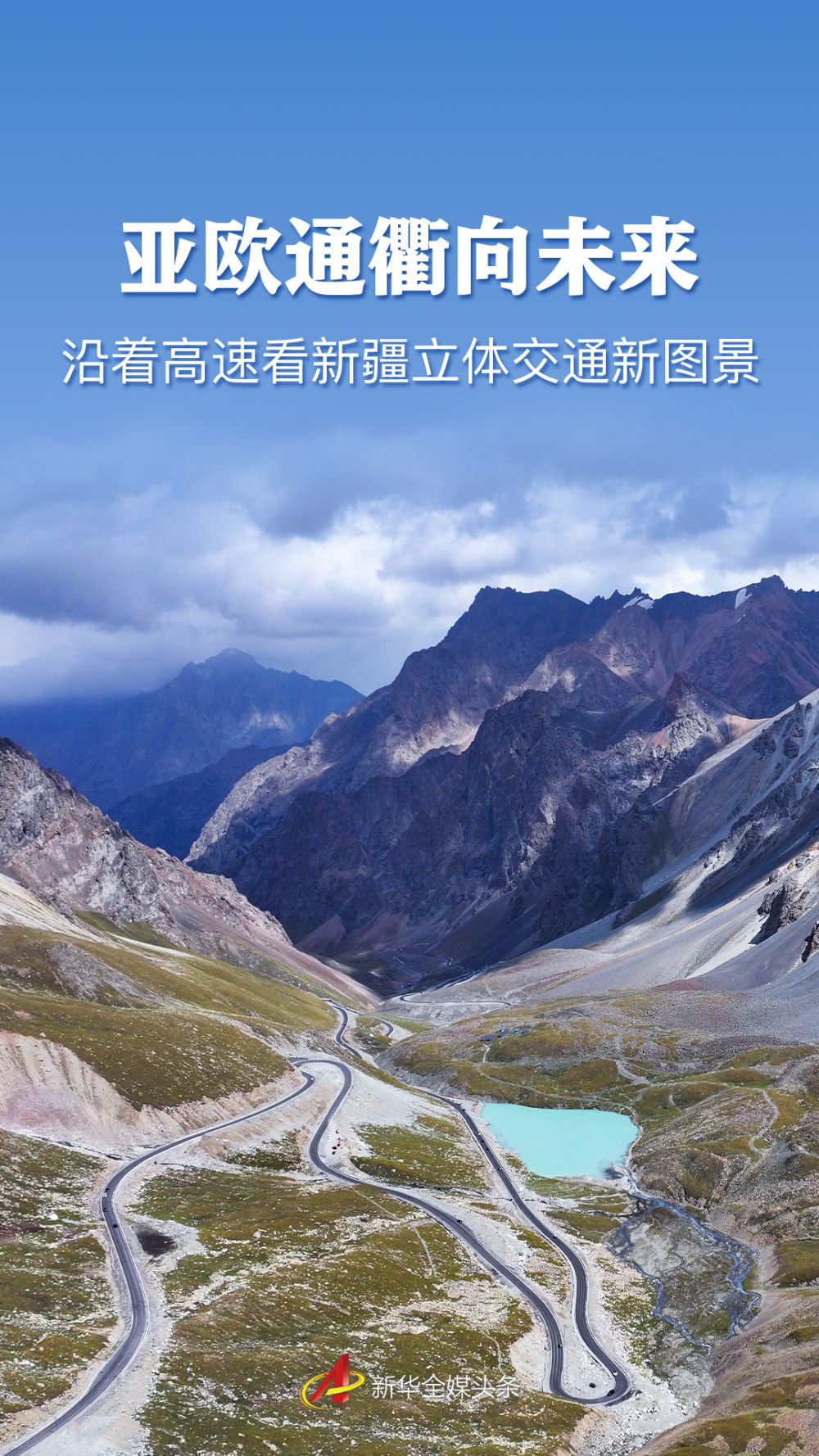
亚欧通衢向未来——沿着高速看新疆立体交通新图景
Xin Hua She· 2025-06-29 01:42
Core Points - The article emphasizes the development of modern transportation infrastructure in Xinjiang, which is transforming the region into a key hub for the Belt and Road Initiative, enhancing connectivity between Asia and Europe [3][8][10] - Xinjiang has seen a significant increase in tourism, with 90.34 million domestic and international visitors from January to May this year, showcasing its growing importance as a travel destination [3] - The completion of major highways, such as the Urumqi to Yili Highway, is expected to drastically reduce travel times, enhancing logistics and trade efficiency in the region [5][10] Transportation Infrastructure Development - The Urumqi to Yili Highway, featuring the Tianshan Victory Tunnel, will reduce travel time from 12 hours to 3 hours, significantly improving transportation efficiency [5][10] - The G30 Lianhuo Expressway serves as a crucial land route connecting Central Asia and Europe, while the G7 Jingxin Expressway strengthens ties with North China, shortening the distance from Urumqi to Beijing by 1,300 kilometers [8] - Xinjiang's road network has expanded to 230,000 kilometers by the end of 2024, with over 12,000 kilometers of expressways, ensuring all eligible villages have access to paved roads and public transport [10] Economic Impact - The improved transportation infrastructure has led to reduced logistics costs, with local businesses reporting significant savings and increased efficiency in product delivery [7][8] - The region's GDP grew by 9.1% in 2024, driven by enhanced transportation networks that facilitate trade and tourism [12] - The establishment of cold chain logistics and modern transport routes has improved the quality and marketability of local agricultural products, such as grapes from Turpan [12][14] International Connectivity - Xinjiang's transportation network supports the operation of the China-Europe Railway Express, with 16,414 trains operating in 2024, marking a 14% increase year-on-year [12][16] - The Urumqi International Airport has expanded its capacity to handle 48 million passengers and 550,000 tons of cargo annually, enhancing air connectivity with international markets [17][19] - The region is actively developing new international routes, such as the Urumqi to Chimkent route, to facilitate cultural and economic exchanges with neighboring countries [19] Future Prospects - Xinjiang's "14th Five-Year" transportation plan aims to enhance internal connectivity and streamline access to and from the region, with ongoing projects to further develop the transportation infrastructure [28] - The region is witnessing a surge in investment and interest from businesses looking to leverage improved logistics for trade with Central Asia and Europe, targeting a trade volume of over $4 billion [25][28]