信记号普洱

Search documents
八马茶叶“高端茶第一股”的幻灭:上市逾百天跌幅超6成
Sou Hu Cai Jing· 2026-02-11 04:12
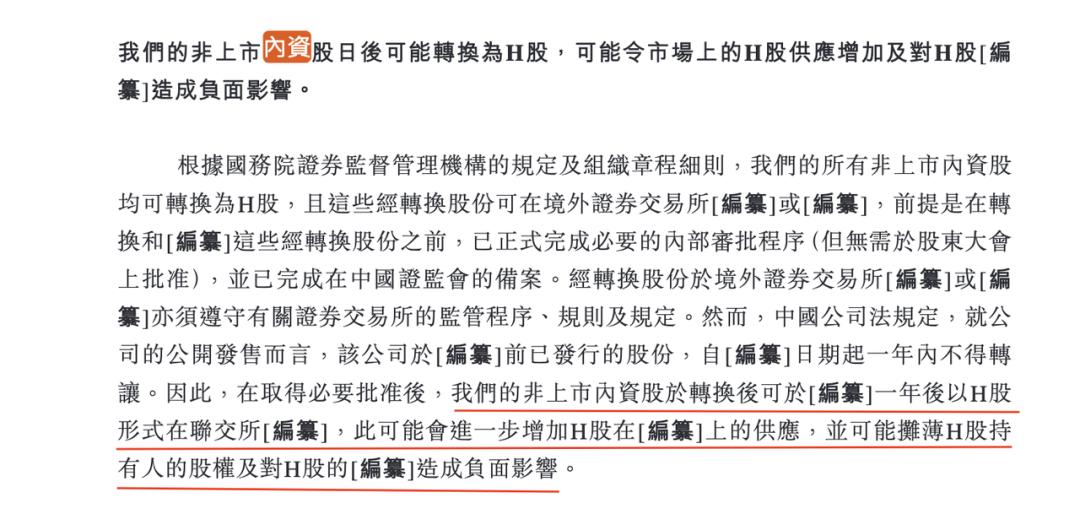
加盟红利消退,高端叙事承压。 文/每日财报 南黎 头顶 "高端中国茶第一股" 光环的八马茶业在港交所敲钟,上市首日股价暴涨 86.7%,市值逼近百亿港元。然而,这场由狭小流通盘催生的股价狂欢并未持 续,自去年10月31日H 股全流通计划的披露以来市场恐慌,截止2月9日,股价收盘29.5元,跌幅超过六成,市值缩水至25亿。 与市值持续缩水一致的是,公司增也是疲态尽显,2024 年营收增速仅有0.99%,到2025 年上半年营收、净利润已经双双下滑。 情绪退潮后的增长降速 2025年10月28日,历经十三年IPO长跑的八马茶业终于在香港联交所敲钟,头顶"高端中国茶第一股"的光环登陆资本市场。上市首日,其股价大幅高开,收 盘较50港元的发行价暴涨86.7%,市值一度逼近百亿港元。 八马茶业上市初期的股价狂飙,与港股市场结构密切相关。根据其招股书,公司上市后仅有约5300万股H股可公开交易,其中超过4400万股因锁定期限制无 法流通,这意味着在实行T+0制度的市场上,初期真正可自由交易的股份不足900万股。 2022年至2024年,公司营业收入从18.18亿元缓慢增长至21.43亿元,增速呈现断崖式下滑:2023年尚 ...

年度复盘丨2025年零售圈十大IPO事件
Sou Hu Cai Jing· 2026-01-08 03:57
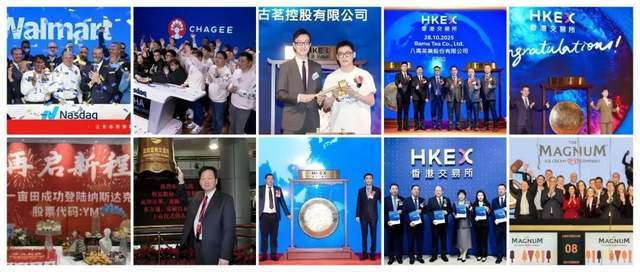
Group 1: IPO Trends in Hong Kong - In 2025, Hong Kong saw a surge in IPOs from retail and consumer companies, with over 23 listings by the end of November, making it the leading sector for IPOs [2][3] - Notable companies that went public include Mixue Group, Shuhang Ayi, and Bama Tea, with Mixue Group setting a record with a frozen capital scale of HKD 1.84 trillion [2] - Despite the IPO excitement, market volatility is evident, with companies like Bama Tea experiencing significant stock price drops shortly after their listings [2][3] Group 2: Performance of Key Companies - Mixue Group reported a closing price increase of over 40% on its first trading day, achieving a market capitalization exceeding HKD 100 billion [2] - Bama Tea's stock price fell dramatically, reaching around HKD 30 by December 30, 2025, reflecting a "roller coaster" performance since its IPO [2][19] - The financial performance of these companies shows mixed results, with Mixue Group achieving a net profit of CNY 3.5 billion in the first nine months of 2024, a 42.3% increase year-on-year [10] Group 3: Market Dynamics and Challenges - The retail and consumer sector in Hong Kong is characterized by a strong IPO presence but lower fundraising amounts compared to other sectors, with the retail sector raising HKD 36.9 billion, ranking fourth overall [3] - The competitive landscape for new beverage brands is intensifying, with many companies facing challenges such as declining same-store sales and increased competition [14][20] - The overall market for tea beverages is highly fragmented, with the top five brands holding only about 5.6% market share, indicating significant competition and challenges for brand differentiation [20] Group 4: Strategic Moves by Major Players - Walmart's transition from the NYSE to NASDAQ marks a significant strategic shift towards a technology-driven retail model, with a stock price increase of 1.32% on its first day on NASDAQ [6][7] - The company aims to enhance its market valuation by aligning itself with technology-focused retail giants like Amazon, leveraging automation and AI in its operations [6][7] - Other companies, such as Anjuke Foods and Haitian Flavor, are also pursuing dual listings to enhance their capital structure and market presence [21][25] Group 5: Future Outlook - The IPO market in Hong Kong is expected to remain active, with projections of 180-200 listings in 2026, potentially raising HKD 350 billion [41][43] - However, the increasing focus on profitability and growth metrics may pose challenges for retail and consumer companies seeking to go public [43] - Regulatory concerns regarding the quality of IPO applications have been raised, indicating a need for companies to demonstrate strong financial health and growth potential [43]

上市两月,八马茶业狠狠摔了一跤
3 6 Ke· 2025-12-26 12:24
Core Viewpoint - The stock price of Baima Tea has experienced extreme volatility, initially soaring by 86.7% on its first trading day, reaching a high of 115 HKD, before plummeting to a low of 32.06 HKD within two months, indicating a significant valuation correction in the market [1][4]. Group 1: Stock Performance and Market Dynamics - The initial surge in Baima Tea's stock price was largely due to the scarcity of freely tradable shares, with only about 890,000 shares available for trading post-IPO, leading to high volatility in the stock price [2][3]. - Following the company's application for "H-share full circulation," which would convert approximately 37.57% of its domestic shares into tradable H-shares, the stock price dropped over 50% from its peak [4][5]. - The total market capitalization of Baima Tea has decreased by 15 billion HKD, representing a 72% drop from its highest point, reflecting a significant loss of investor confidence [4][5]. Group 2: Business Fundamentals and Growth Concerns - Baima Tea's revenue growth has slowed significantly, with projections showing an increase from 18.18 billion RMB in 2022 to only 21.43 billion RMB in 2024, and a mere 1% growth expected in 2024 [7][8]. - The company's net profit for the first half of 2025 fell by 17.8% year-on-year, highlighting a concerning trend in profitability [7][8]. - The average selling price of Baima Tea's high-end brand "Xinjihao" has decreased from 901 RMB per kilogram in 2022 to 715 RMB in the first half of 2025, indicating weakening demand for premium products [7][8]. Group 3: Industry Challenges and Brand Positioning - The tea industry is characterized by its non-standardized nature, making it difficult for companies like Baima Tea to achieve stable and predictable growth [9][10]. - Baima Tea's high sales expense ratio, exceeding 30%, combined with a gross margin of around 55%, suggests that the company relies heavily on marketing to maintain its brand presence rather than on strong brand loyalty [13][14]. - The company's production model, which relies on custom procurement rather than direct production, undermines its ability to establish a strong brand premium, as most products are sourced externally [15][16].