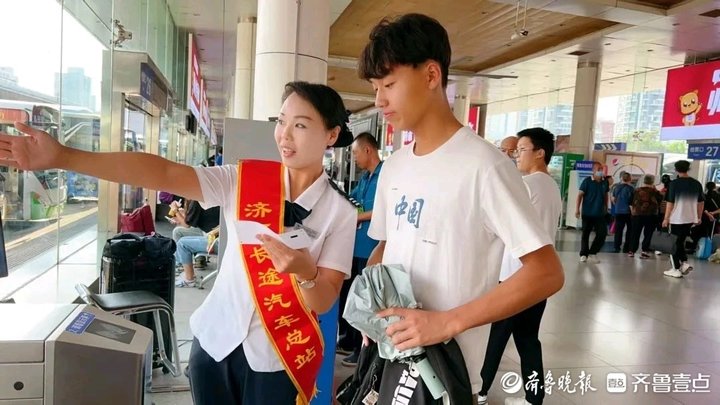
公交运输服务

Search documents
假期运送乘客 83.68 万人次,镇江公交圆满完成 2026 年春节运输保障
Yang Zi Wan Bao Wang· 2026-02-26 04:20
Core Insights - The public transportation system in Zhenjiang successfully managed the transportation needs during the 2026 Spring Festival, providing safe, efficient, and warm services to citizens and tourists [1] Group 1: Safety Measures - Zhenjiang public transport prioritized safety during the Spring Festival by implementing upgraded control measures, conducting dynamic risk assessments, and performing comprehensive inspections of personnel, vehicles, and routes [2] - A total of 122 vehicles were repaired, and 14 vehicles were rescued during the holiday period, ensuring operational safety [2] Group 2: Capacity Optimization - To accommodate increased passenger flow, Zhenjiang public transport increased capacity by 10% during the Spring Festival, reducing waiting times for passengers [4] - The system transported a total of 836,800 passengers during the holiday, averaging 93,000 passengers per day, with a year-on-year increase of 19.23% [4] Group 3: Cultural and Tourism Integration - Zhenjiang public transport launched customized routes to enhance the integration of public transport with local tourism and culture, operating 341 special trips during the Spring Festival and transporting 17,200 tourists [6] - The initiative aimed to create a comprehensive service system that combines transportation, culture, and consumption [6] Group 4: Volunteer Services - Zhenjiang public transport organized various volunteer activities to ensure a safe and comfortable travel experience for citizens, with over 200 volunteers contributing more than 1,000 hours of service during the Spring Festival [7] - Volunteers assisted passengers with mobility challenges and provided information on routes and schedules, enhancing the overall travel experience [7]


“八站两场”新格局首迎春运模式
Xin Lang Cai Jing· 2026-02-02 22:11
Group 1 - The core viewpoint of the article highlights the expected increase in passenger traffic during the 2026 Spring Festival travel season, with 39.7 million travelers anticipated at eight major train stations, representing a year-on-year increase of approximately 2.2% [1][2] - The two major airports in Beijing are projected to handle 14.26 million passengers during the same period [1] - Various measures will be implemented to ensure smooth travel for passengers, including extended subway hours, preferential dispatching for ride-hailing services, and additional bus services during peak times [2][4] Group 2 - The Beijing Subway will increase temporary train services on key routes connecting major train stations and popular tourist areas during the holiday period [3] - The Daxing Airport Line will adopt a holiday operation schedule from February 11 to 14 and February 21 to 24, increasing hourly capacity by 26% [3] - The Beijing Public Transport Group will enhance night-time connections and adjust bus services on 100 routes serving the eight major train stations to ensure smooth operations [4]
深圳春运预计发送旅客1700万人次,地铁将延长运营时间
Nan Fang Du Shi Bao· 2026-02-02 14:53
Core Viewpoint - The 2026 Spring Festival travel season in Shenzhen is expected to see a total passenger volume of 17 million, with significant increases in rail and air travel, while road travel is projected to decline sharply [1][2]. Passenger Volume Forecast - The total passenger volume during the Spring Festival is projected to reach 17 million, with rail travel accounting for 12.1 million (up 4%), air travel for 4.1 million (up 5%), road travel for 500,000 (down 57%), and waterway travel for 300,000 (up 9%) [1]. - Daily traffic on highways is expected to reach approximately 3.2 million vehicle trips, with a year-on-year increase of 2% [1]. Travel Characteristics - Rail and air travel remain the primary modes of transportation, with a combined total of 16.2 million passengers, representing over 95% of the total [2]. - The peak return travel period is anticipated to be from February 20 to 24, with significant pressure on transport hubs, particularly Shenzhen North Station [2]. Transportation Capacity Enhancements - Daily rail capacity will increase to an average of 976 train pairs, up 124 pairs from last year, with a total capacity of 720,000 passengers [3]. - Shenzhen Airport is expected to handle over 1,296 flights daily, an increase of 7 flights, with an outbound capacity of 120,000 passengers [3]. - The city will deploy approximately 5,800 operational buses and 74 passenger ships, with a total capacity exceeding 250,000 seats [3]. Public Transport Adjustments - The metro system will extend operating hours to 24:00 during peak travel days, with increased service on key routes and hubs [3]. - Public bus services will also extend operating hours for 11 routes connecting to the metro and introduce 68 holiday special lines [4]. Service Improvements - Enhanced intermodal transport services will be implemented to improve transfer efficiency, including increased ticketing and security check facilities [5]. - Special services for vulnerable groups, such as the elderly and disabled, will be established at major transport hubs [6]. Emergency Preparedness - Emergency response plans will be refined to address potential severe weather and other disruptions, with 600 emergency buses and drivers on standby [6]. - A total of 65 emergency waiting points will be set up to accommodate up to 150,000 passengers during peak times [6]. Complaint Handling and Oversight - A system for monitoring and addressing passenger complaints will be established, with a focus on preventing unfair practices in the transport sector [7].
创新高!春运进出京客流预计达1.1亿人次
Xin Lang Cai Jing· 2026-01-30 22:49
Core Insights - The 2026 Spring Festival travel season will last for 40 days, from February 2 to March 13, with an expected total passenger flow of 110 million, setting a new historical record [1] Group 1: Passenger Flow Trends - The overall passenger flow during the Spring Festival is expected to show a pattern of "increasing total volume, scattered before the festival, and concentrated after" [3] - Daily average passenger flow in and out of Beijing is projected to be approximately 2.83 million, with over 50% of travelers using private vehicles [3] - The peak passenger flow is anticipated on February 23 (the seventh day of the lunar new year), reaching 3.94 million, a 3.4% increase compared to the peak in 2025 [3][4] Group 2: Transportation Pressure Points - Key transportation hubs such as "Eight Stations and Two Airports," highways, and public transport stations will face significant pressure due to increased passenger flow [4] - Beijing South Station is expected to exceed 400,000 passengers on peak days, with additional pressure on the subway system after the holiday [4] Group 3: Traffic Management Strategies - The transportation department will implement tailored passenger transfer plans for key stations, utilizing a collaborative approach with rail and aviation sectors [5] - Measures include extending operating hours for major subway lines during peak days and increasing bus services to train stations [5] - Real-time monitoring of passenger flow will be conducted, with additional temporary services introduced as needed to ensure smooth transportation [6]
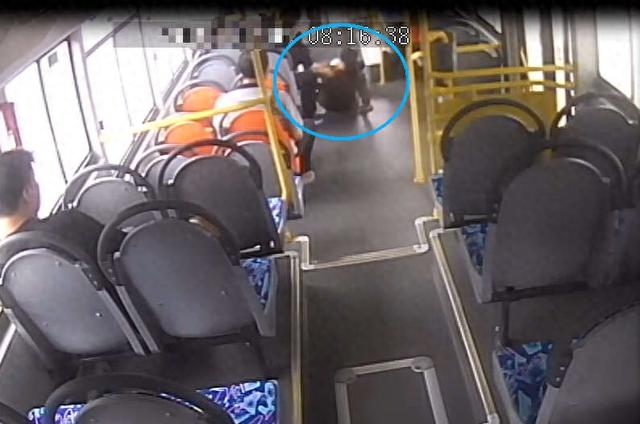
公交车关门两秒即启动致乘客摔伤 法院判公交公司担80%责任
Xin Lang Cai Jing· 2025-12-29 14:07
Core Viewpoint - A public transportation liability case in Beijing highlights the responsibilities of both the bus company and passengers regarding safety during transit [1][4]. Group 1: Incident Details - The incident occurred when a passenger, Zhao, boarded a bus and the driver closed the doors and started the vehicle within two seconds without checking if passengers were stable [2][3]. - Zhao attempted to grab the handrail but lost balance and fell, resulting in a fractured bone and medical expenses exceeding 40,000 yuan [3]. Group 2: Court Ruling - The court ruled that the bus company was 80% liable for the incident, ordering them to compensate Zhao over 70,000 yuan for medical and other related expenses [1][2]. - The court noted that the bus driver failed to ensure passenger safety before starting the vehicle, which was a significant factor in the accident [3]. Group 3: Legal Implications - According to the Civil Code, carriers are strictly liable for passenger injuries unless the injury is due to the passenger's intentional actions or gross negligence [4]. - The case emphasizes the need for bus drivers to ensure passengers are secure before moving and for passengers to take reasonable precautions for their safety [4].
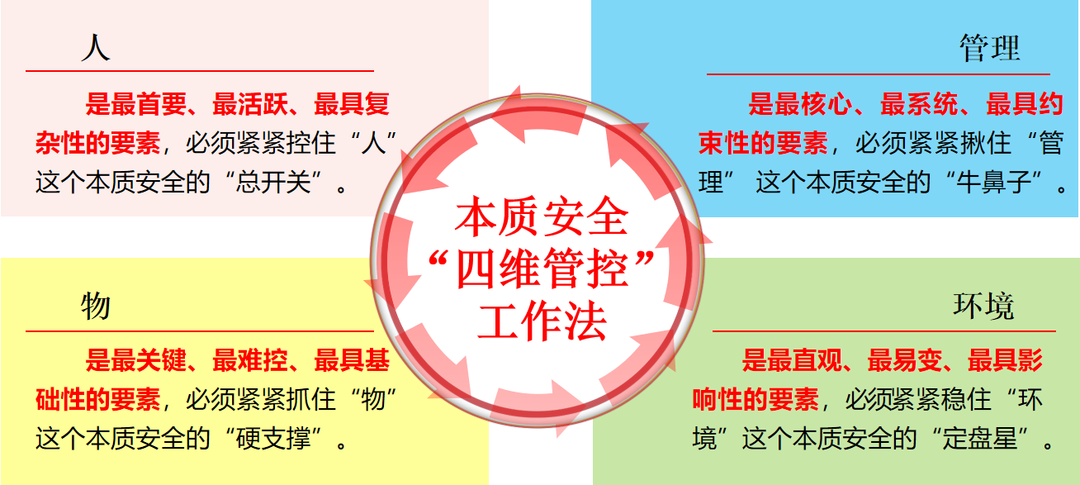
智者勇进 接续奋进新江苏|践行本质安全“四维管控” 打造人民满意“幸福公交”
Yang Zi Wan Bao Wang· 2025-12-28 03:41
Core Viewpoint - Huai'an Public Transport Group has implemented the "Four-Dimensional Control" work method to enhance safety management, focusing on the four essential elements of safety: people, objects, environment, and management, aiming to create a "happy public transport" system that meets the needs of the public [2][10]. Implementation Background - The urgent need to deeply learn and implement General Secretary Xi Jinping's important discourse on safety production, which provides fundamental guidance for safety management [4]. - The necessity for transportation enterprises to effectively address long-standing safety management issues, including personnel control gaps and passive fault detection [5]. - Huai'an Public Transport faced challenges in safety management, necessitating an innovative approach to break through existing difficulties [6]. Main Practices - The "Four-Dimensional Control" work method focuses on the four elements of safety: people, objects, environment, and management, employing a systematic approach to enhance safety management [8]. - Strengthening the human element by ensuring various aspects of safety, including psychological and habitual safety [8]. - Protecting the state of equipment through rigorous inspections and maintenance [8]. - Optimizing the operational environment to ensure safety across different settings [8]. - Enhancing management effectiveness through standardization and emergency preparedness [8]. Work Achievements - Innovation in safety management has led to a modernized system that can be replicated across the industry, providing a new model for safety governance [10]. - Over five years, the implementation of the work method has saved nearly 200 million yuan in insurance and accident costs, significantly reducing operational expenses [10]. - Huai'an Public Transport has received numerous accolades, including 252 national and provincial honors, and has attracted over 2,000 professionals from various regions for knowledge exchange [10].
新媒体赋能公交企业政工工作与形象传播融合
Qi Lu Wan Bao· 2025-11-14 14:37
Core Viewpoint - The rise of new media technology presents challenges for corporate public opinion guidance, necessitating a shift in how companies engage with employees and the public to enhance brand reputation and ensure effective communication [1][2]. Group 1: Research Background - China has entered a stage of high-quality development in the new media industry, with short video users reaching 1.031 billion, accounting for 95.8% of internet users, making new media a primary channel for information acquisition and interaction [2]. - Shibei Bus, a major public transport company in Qingdao, has over 1,600 employees and 25 routes, serving as both a transportation artery and a representation of urban civilization [2]. - Despite establishing new media platforms like WeChat and Douyin, Shibei Bus faces challenges in aligning internal political work with employee interests and external image promotion [2]. Group 2: Pain Points in Integration - Internal political work primarily consists of policy document sharing, lacking engaging formats like short videos that resonate with younger employees [4]. - External image promotion focuses on practical information, failing to adequately highlight positive employee stories and achievements, which could enhance the company's overall image [4][5]. Group 3: Practical Paths for Integration - Shibei Bus aims to create a system that integrates internal cohesion and external communication, focusing on content co-creation, channel collaboration, interactive engagement, and team support [6]. - The company plans to develop engaging content by telling employee stories and involving a team of political workers, young employees, and media reporters to highlight positive narratives [6][7]. - Initiatives include cultural presentations and activities that align with employee interests and operational needs, enhancing participation and engagement [6]. Group 4: Outcomes and Future Directions - The integration efforts have led to a 30% increase in employee suggestions and a 25% rise in innovative cases, with participation in training rising from 30% to 75% [7]. - The company has amplified its social image, achieving over 10,000 positive media mentions, establishing "Qingdao Bus" as a key brand in public transport services [7]. - Future plans involve further leveraging new media technologies and exploring collaborations with other state-owned enterprises to deepen the integration of political content, corporate image, and urban culture [7].
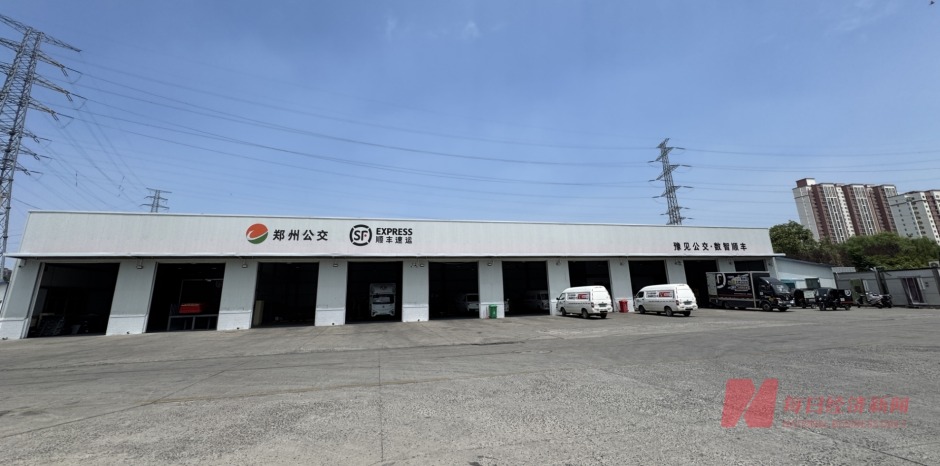
“白天载客晚上拉货”?郑州公交回应:与顺丰确有合作
Xin Lang Cai Jing· 2025-07-23 09:59
Core Viewpoint - The collaboration between Zhengzhou Public Transport Group and SF Express aims to explore a new model of "public transport + logistics + ecology" to enhance operational efficiency and revenue generation for public transport services [2][4]. Group 1: Collaboration Details - Zhengzhou Public Transport and SF Express have signed a strategic cooperation agreement, focusing on utilizing excess capacity of public transport vehicles during off-peak hours and at night for logistics purposes [2][3]. - The partnership will involve transforming certain bus stations into multifunctional logistics hubs, integrating public transport and logistics services [2][3]. - SF Express plans to implement automated sorting equipment and intelligent warehouse management systems at these bus stations [2]. Group 2: Implementation and Progress - Currently, 38 bus stations are under discussion for collaboration, with the logistics sorting center at Fogang bus station already in operation [3]. - SF Express has requested 280 personnel from Zhengzhou Public Transport for shared labor needs and has proposed a demand for over 50 vehicles for logistics operations [3]. - The initiative is part of a broader trend where various cities are exploring the integration of public transport and logistics to alleviate operational pressures on public transport companies [4]. Group 3: Industry Context - The public transport sector is facing significant operational pressures, with government subsidies insufficient to cover costs, prompting the need for innovative revenue-generating strategies [3][4]. - Other cities, such as Nanjing and Beijing, have initiated similar projects to combine public transport with logistics, indicating a growing trend in the industry [4].

“白天载客晚上拉货”? 郑州公交集团:网传图片为假 但这事儿确实要做
Mei Ri Jing Ji Xin Wen· 2025-07-21 11:31
Core Viewpoint - The Zhengzhou Public Transport Group is collaborating with SF Express to explore a new model of "public transport + logistics + ecology," despite initial misinformation circulating online about their operations [1][4][7]. Group 1: Collaboration Details - A strategic cooperation agreement was signed on July 1, 2023, between Zhengzhou Public Transport Group and SF Express, focusing on resource integration and upgrading public services [1][5]. - The logistics sorting and transfer center at the Foga Bus Station has already handled over 500 tons of express deliveries, indicating successful initial outcomes [4][6]. - The partnership aims to enhance operational efficiency, reduce logistics costs, and improve the utilization of public transport resources [6][7]. Group 2: Operational Insights - The Foga Bus Station has been transformed into a sorting station for SF Express, utilizing existing facilities due to reduced maintenance needs from the electrification of vehicles [5][6]. - Currently, there are 90 staff members at the sorting center, with SF Express operating a fleet of various delivery vehicles [6][8]. - The collaboration is expected to create job opportunities, with SF Express requesting 280 personnel from Zhengzhou Public Transport Group [6][7]. Group 3: Strategic Rationale - The partnership is a response to national policies promoting the integration of transportation and modern logistics, addressing financial pressures faced by public transport companies [7][8]. - The collaboration is designed to diversify revenue streams for public transport, reduce reliance on government subsidies, and enhance service competitiveness [7][8]. - Zhengzhou Public Transport Group operates a comprehensive network with 5,218 vehicles and 361 routes, providing a strong foundation for this partnership [8]. Group 4: Future Prospects - The strategic agreement is framework-based, with further details to be refined as initial cooperation progresses [10]. - Zhengzhou Public Transport Group is open to collaborating with other qualified companies, aiming for a win-win situation through resource sharing and innovation [10].
地铁延至0点后,开通景区摆渡公交,济南多举措保障假期出行
Qi Lu Wan Bao Wang· 2025-05-31 04:32
Core Viewpoint - Jinan has implemented a series of measures to ensure smooth travel and a pleasant experience for citizens and tourists during the dual holiday of Dragon Boat Festival and Children's Day, focusing on transportation guarantees, convenience services, and emergency response [1]. Transportation Guarantees - Jinan has enhanced traffic efficiency around scenic spots and transportation hubs, increasing bus service frequency on routes passing through key tourist areas like "Tianxia Diyi Quan" [3]. - New bus routes, such as the 555 shuttle service around Qianfo Mountain, have been introduced to facilitate tourist access [3]. - The metro service has extended operating hours past midnight and optimized train schedules to improve transport capacity [5]. - Road passenger transport has prepared in advance by pre-selling tickets 20 days prior to the holiday and ensuring all ticketing windows are open during peak times [5]. - Taxi services have been efficiently coordinated in popular areas, with designated "dispatch sentinels" to meet travel demands [5]. Convenience Services - The metro has introduced "Love Reservation" services and equipped stations with "Qianxin Treasure Boxes" containing emergency supplies [7]. - Bus services have prioritized convenience for military personnel and healthcare workers, offering special services and discounts for students [8]. - The transportation enforcement department has adopted a service-oriented approach, integrating service into the enforcement process [8]. Emergency Response Mechanism - Jinan has established a comprehensive emergency response system to monitor passenger flow and adjust services accordingly [10]. - Provisions are in place for rapid deployment of additional drivers and vehicles in response to unexpected surges in passenger numbers [10]. - A 24-hour hotline for taxi services ensures quick response to complaints and operational issues, maintaining passenger rights [10].