
军用芯片

Search documents
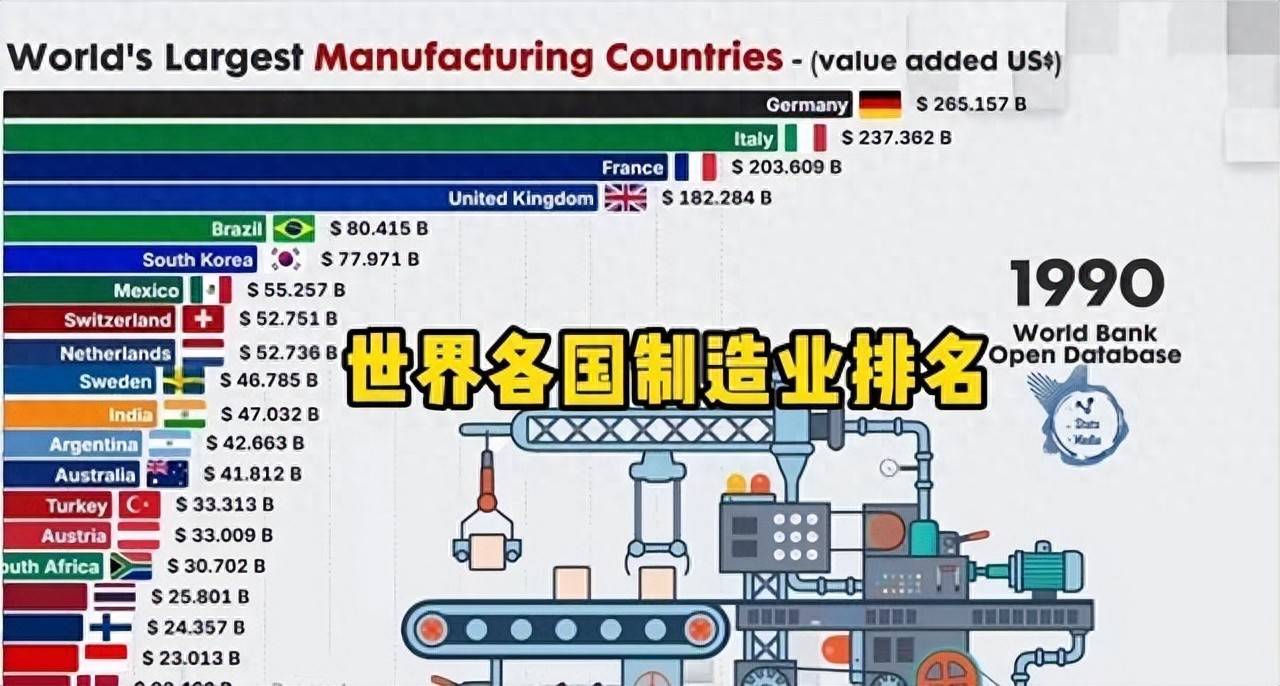
全球制造四分天下:美国、欧盟各占17%,日韩占8%,中国呢?
Sou Hu Cai Jing· 2026-02-27 04:33
欧洲,这个曾经的工业革命发源地,曾因深厚的历史积淀和各国独特的优势一度占据全球经济中心。英国以纺织业见长,德国以机械制造闻名,法国则以奢 侈品驰名。然而,战后废墟上崛起的欧洲,依靠外部援助才勉力恢复,经济的复苏之路缓慢而艰难。进入20世纪50年代,欧洲才开始勉强站稳脚跟。到了90 年代中后期,德国的汽车工业和机床技术依然强劲,法国在飞机和核电领域依然占有一席之地,意大利的时尚和机械制造业也在世界舞台上占有一席之地。 然而,进入21世纪,欧洲的挑战愈加严峻。人工成本飙升,人口老化,年轻人不再愿意从事制造业,福利制度使得许多人更愿意领救济,而非去工厂工作。 再加上外部因素的影响,欧洲的经济疲软不振,制造业的生存环境变得更加艰难。尽管欧盟的整体份额有所保持,但每个成员国的贡献都在不断下降,经济 的复苏越来越依赖少数几个大国的推动。 回到日本,20世纪80年代,制造业的日本曾风光无限,汽车和电子产品一度席卷全球市场。然而,1985年一项协议导致日元迅速升值,使得日本出口的竞争 力骤然下滑。接下来的90年代,日本的经济泡沫破裂,国家经济至今未能恢复元气。诸多丑闻接连曝光,钢铁业的财务危机不断加剧,曾经引以为傲的工匠 精 ...

特发信息(000070.SZ):公司不涉及军用芯片的研发
Ge Long Hui· 2025-08-19 07:15
格隆汇8月19日丨特发信息(000070.SZ)在互动平台表示,公司不涉及军用芯片的研发。 ...

国防与航空航天行业近况更新
2025-03-04 16:20
Summary of Defense and Aerospace Industry Conference Call Industry Overview - The defense industry is expected to recover in 2025, driven by new technologies such as special robots, which are boosting market sentiment. The recovery of military orders is highly certain in the final year of the 14th Five-Year Plan, particularly in missile, unmanned equipment, and information technology sectors, which show significant elasticity. Attention is drawn to "military +" concept companies, such as those integrating military with AI and robotics [1][2][4]. Key Points and Arguments - **Market Sentiment and Recovery**: The military sector has shown positive performance recently, driven by various factors including capital strategies and increased geopolitical uncertainties. The expectation of order recovery in 2025 supports the sector's growth [2]. - **Optimism Among Suppliers**: Many military supply companies are optimistic about order recovery, with expectations to return to peak levels seen in 2022 or 2023. This change in sentiment is significant and may lead to some companies exceeding their previous scales [5]. - **Missile Sector Recovery**: The missile sector is witnessing a revival after being impacted by anti-corruption measures. Orders for mature models are gradually being issued, and low-cost precision-guided munitions are accelerating in development. Companies with features like new materials, AI, or robotics in missile production are recommended for attention [7]. - **Special Robots Development**: Special robots are leading in commercial applications such as power inspection and bomb disposal. Military robots are expected to undergo qualitative leaps during the 14th Five-Year Plan, with AI enhancing their tactical value. The deployment of robotic dogs is anticipated to increase significantly in the latter half of the plan [8]. - **Military Chip Market Outlook**: The military chip market is expected to show significant elasticity over the next three years, with improved demand and inventory cycles. Companies in this sector are optimistic about future orders and overall outlook for 2025 [3][9]. - **Unmanned Equipment Growth**: The demand for military drones is strong, with a golden development period expected during the 15th Five-Year Plan. Orders for medium and small military drones are likely to be delivered in 2025, significantly boosting related companies' revenues [3][16]. - **AI Integration in Military**: The application of AI in the military sector is gradually being implemented, with initiatives from state-owned enterprises to enhance AI capabilities. This trend is expected to reshape future battlefields and break traditional monopolies held by established military corporations [27][28]. Additional Important Insights - **Investment Strategy Adjustments**: In 2025, investment strategies have shifted to focus on sectors with greater elasticity, such as missiles, unmanned equipment, and information technology. The emphasis is on companies with "military +" concepts that can leverage multiple growth trends [4][6]. - **Emerging Industries**: New industries such as AI, robotics, and low-altitude economy are highlighted for their high growth potential and ability to achieve higher valuation premiums [6][17]. - **3D Printing and New Materials**: The 3D printing sector is seeing growth, particularly in aerospace applications, with expectations for significant increases in order volumes in 2025. The military materials sector is also expected to experience explosive growth, particularly in carbon fiber and ceramic composite materials [12][13]. - **Low Altitude Economy**: The low-altitude economy is set to focus on new infrastructure projects, including communication, navigation, and meteorological systems, with a push towards standardization and operational demonstration [17]. - **Aerospace Engine Sector**: The aerospace engine industry is recovering from previous supply chain issues, with expectations for improved delivery and performance in 2025. Key companies in this sector are recommended for investment due to their low valuations and growth potential [19][20]. Conclusion - The overall outlook for the military sector in 2025 is positive, with significant investment opportunities arising from the completion of the 14th Five-Year Plan and the anticipated recovery of military orders. The "military +" direction, particularly in AI and robotics, is expected to perform well [30].