刀郎演唱会

Search documents
万亿元消费城市之争,中部不再“缺位”
Mei Ri Jing Ji Xin Wen· 2026-01-14 02:01
Core Viewpoint - Wuhan is positioning itself as a competitive consumer city, aiming to achieve a retail sales target of over 1.07 trillion yuan by 2027, with a projected GDP growth of around 6% in 2025, marking the highest growth rate in four years [1][2]. Group 1: Economic Growth and Consumer Market - Wuhan's retail sales of consumer goods are expected to exceed 900 billion yuan in 2025, reflecting a growth of approximately 5% [1]. - The city aims to reach a retail sales target of over 1.07 trillion yuan by 2027, indicating a significant step towards becoming a trillion-yuan consumer city [1][2]. - In 2024, Wuhan's retail sales reached approximately 793.2 billion yuan, showcasing a strong recovery and growth trajectory [2]. Group 2: Emerging Consumer Trends - The rise of "internet celebrity" products, such as the "garlic bird" plush toy, has helped Wuhan gain visibility in the consumer market, achieving over 1 million yuan in sales in a single month [3]. - The cherry blossom season in Wuhan has attracted over 1 million visitors, with a 16.8% increase in attendance compared to the previous year, indicating a growing trend in tourism-related consumption [4]. - The integration of cultural and tourism events, such as the cherry blossom marathon, has created new outdoor consumption scenarios, enhancing the city's appeal [4]. Group 3: Tourism and External Consumer Attraction - In 2025, 77.33% of visitors to the East Lake Cherry Blossom Garden were from outside Wuhan, generating direct consumption of 120 million yuan and a total consumption effect of nearly 300 million yuan [7]. - During the National Day and Mid-Autumn Festival in 2025, Wuhan received approximately 34.6 million tourists, achieving a tourism revenue of 21.7 billion yuan, with a year-on-year growth of 16.35% [7]. - Wuhan's tourism performance in 2024 included 360 million visitors and a revenue of 420 billion yuan, significantly surpassing that of Hangzhou and Nanjing [8]. Group 4: Local Consumption and Economic Structure - Despite strong tourism figures, local consumer spending remains lower than that of Nanjing and Hangzhou, with per capita spending in Wuhan at 39,600 yuan compared to 44,600 yuan and 53,000 yuan respectively [13]. - The per capita disposable income in Wuhan is 59,700 yuan, lagging behind Nanjing and Hangzhou, which are 75,200 yuan and 76,800 yuan respectively [13]. - The digital transformation in Wuhan's manufacturing sector has led to a 9.51% increase in online retail sales, reaching approximately 268.1 billion yuan in the first eight months of 2025 [10]. Group 5: Future Opportunities and Challenges - Wuhan's geographical advantage as a transportation hub allows it to attract consumers from surrounding provinces, enhancing its role as a new product and scene development center [9]. - The city is focusing on the development of the new energy vehicle industry, leveraging its historical strengths in manufacturing to capture emerging market opportunities [14]. - There is potential for growth in high-tech sectors such as low-altitude economy and artificial intelligence, which could drive new consumer products and high-net-worth demographics [14].
【艺评】既要有“回忆杀”,也要多些新IP
Xin Lang Cai Jing· 2025-12-27 18:42
Group 1 - The concert market is experiencing a "nostalgia trend," with classic IPs like the idol group "F4" attracting significant attention and ticket sales [1] - Various nostalgic concerts have emerged this year, including performances related to classic shows and themes, appealing to a wide audience and achieving positive market responses [1] - The music theater market is also growing, with projections indicating 19,700 performances and ticket revenue of 1.807 billion yuan by 2025, highlighting the dominance of classic IPs in this sector [1] Group 2 - The appeal of classic IPs is driven by a desire for certainty and security among audiences, particularly those aged 35 and above, who are willing to spend on nostalgic experiences [2] - While classic IPs are popular, there is a caution against over-reliance on them without innovation, as this could lead to audience fatigue and diminished value [2] - Original IPs are rising in prominence, with successful new works in the music theater space, indicating a shift towards innovation alongside classic content [2][3] Group 3 - Original IPs face challenges such as low budgets and limited recognition, which restrict their growth potential in a market favoring established classics [3] - The industry must balance the preservation of classic IPs with the cultivation of original works to ensure a sustainable ecosystem that supports both [3] - The goal is to create a symbiotic relationship between classic and original IPs, fostering long-term prosperity in the live performance sector [3]
一把钞票换一次「脱序」:一个东亚人一生中的三个小时|深氪
36氪· 2025-07-27 09:33
Core Viewpoint - The article discusses the evolving landscape of concert attendance in China, highlighting the increasing diversity of the audience and the economic impact of concerts on local economies. It emphasizes the emotional and social significance of attending concerts, which has transformed from a niche interest to a mainstream cultural phenomenon. Group 1: Audience Diversity and Experience - The audience for concerts has become more diverse, including older adults, minors, and various demographic groups, indicating a shift from a youth-centric view of concert-goers [10][12][54]. - Concerts provide a unique escape from daily life, allowing attendees to experience intense joy and connection with others, as described by attendees who feel a sense of community and shared happiness [5][15][40]. - The emotional impact of concerts is profound, with attendees often reflecting on personal stories and connections during performances, leading to moments of nostalgia and emotional release [42][81]. Group 2: Economic Impact and Market Dynamics - The ticketing platform, Damai, has seen significant revenue growth, with projected revenues of 2.28 billion, 14.8 billion, and 20.57 billion RMB over three fiscal years, indicating a booming concert market [14]. - The concert industry is not only about ticket sales; it generates substantial ancillary revenue, with a reported 1:4.8 ratio of ticket revenue to local economic impact, meaning every 1 RMB spent on tickets generates 4.8 RMB in local spending [78][79]. - The presence of scalpers (黄牛) has become a notable aspect of the ticketing landscape, with varying levels of pricing based on the scalper's position in the supply chain, affecting the overall market dynamics [31][32][34]. Group 3: Cultural Significance and Future Trends - The article highlights the cultural significance of concerts, particularly for the younger generation who grew up with specific artists, suggesting that musical preferences formed in youth can have lasting impacts on individuals [80]. - Local governments are increasingly supporting concert economies, recognizing their potential to boost tourism and local business, as seen in cities like Taiyuan, which has implemented policies to enhance concert experiences [68][79]. - The trend of integrating concert experiences with consumer products and services, such as bundled ticket and travel packages, reflects a growing recognition of the concert experience as a comprehensive entertainment offering [76].

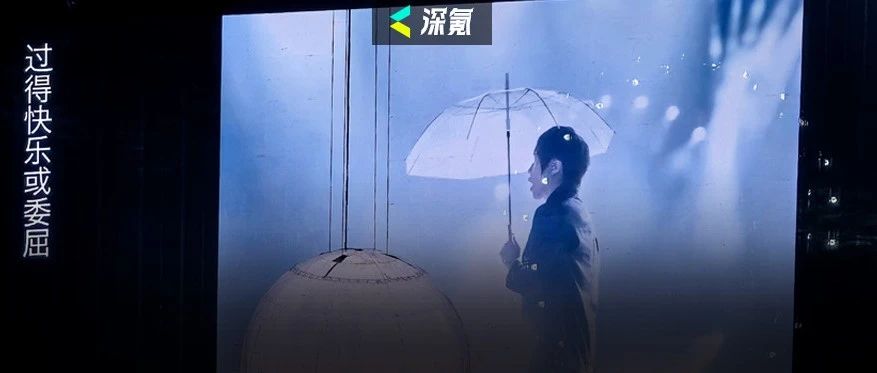
刀郎演唱会官宣三城,二三线城市不服,三四线城市炸锅了
Sou Hu Cai Jing· 2025-07-24 01:15
Core Viewpoint - The announcement of Dao Lang's concert in three lower-tier cities has sparked significant reactions, highlighting a shift in concert locations away from major cities to smaller ones [3][4][10]. Group 1: Concert Locations - Dao Lang's company officially announced concerts in Chongqing, Linyi, and Dalian, bypassing major provincial capitals [3][4]. - The choice of Linyi, a third-tier city, has caused frustration among larger cities like Xi'an, Taiyuan, and Zhengzhou, which have been vying for similar events [4][10]. - The concert in Chongqing is particularly notable as it coincides with Dao Lang's birthday, expected to draw a large crowd [12][14]. Group 2: Audience Reactions - Social media erupted with surprise and excitement over Linyi hosting Dao Lang, as it is generally considered a less prominent city [10][16]. - Fans expressed disbelief that a smaller city could secure a concert from such a well-known artist, especially when larger cities like Qingdao are still waiting for their turn [8][10]. - The announcement has left major cities in Northeast China, like Harbin, feeling overlooked, as they had previously invited Dao Lang multiple times [14][16]. Group 3: Future Implications - This trend suggests a potential shift in the concert industry, where smaller cities may become more prominent venues for major artists [16]. - The unexpected success of Linyi in attracting Dao Lang could encourage other artists to consider similar locations for future performances [10][16].