匹克球装备

Search documents
“老头乐”匹克球,对年轻人来说刚刚好
3 6 Ke· 2025-11-04 00:28
Core Insights - Pickleball is gaining popularity in the U.S. but struggles to achieve the same level of recognition in China, where it is still considered a niche sport [11][17][23] - The sport was originally designed to be less intense, making it more accessible for beginners and older adults, which may contribute to its slower adoption among younger demographics [5][23] - The growth of pickleball in the U.S. has been fueled by celebrity endorsements and the establishment of professional leagues, which has not yet occurred in China [14][15][17] Group 1: Popularity and Market Dynamics - Pickleball has seen a tenfold increase in players in the U.S. over two years, growing from under 5 million to over 50 million [11][12] - The global pickleball equipment market is projected to grow from $1.61 billion in 2024 to $3.1 billion by 2032, with a CAGR of 10.3% [14] - In the U.S., 26,000 tennis courts have been converted to pickleball courts since 2020, indicating a shift in recreational preferences [14] Group 2: Challenges in China - In China, pickleball is still a small market, with only 4% of Li Ning's revenue coming from niche sports, including pickleball [17] - The number of dedicated pickleball courts in Beijing is limited, with fewer than 100 available, most of which are repurposed from other sports facilities [21] - Despite a surge in sales during events like the Tmall 618, pickleball remains a niche sport compared to more established sports like badminton and table tennis [17][21] Group 3: Social Aspects and User Engagement - Pickleball is perceived as a social sport, attracting players of varying skill levels, which may enhance its appeal among casual participants [23][24] - However, the sport faces challenges in retaining players as many find it difficult to establish regular playing partners, limiting long-term engagement [26][27] - The cost of playing pickleball can be perceived as high, particularly in urban areas, which may deter some potential players despite the sport's low entry barriers [27][28]


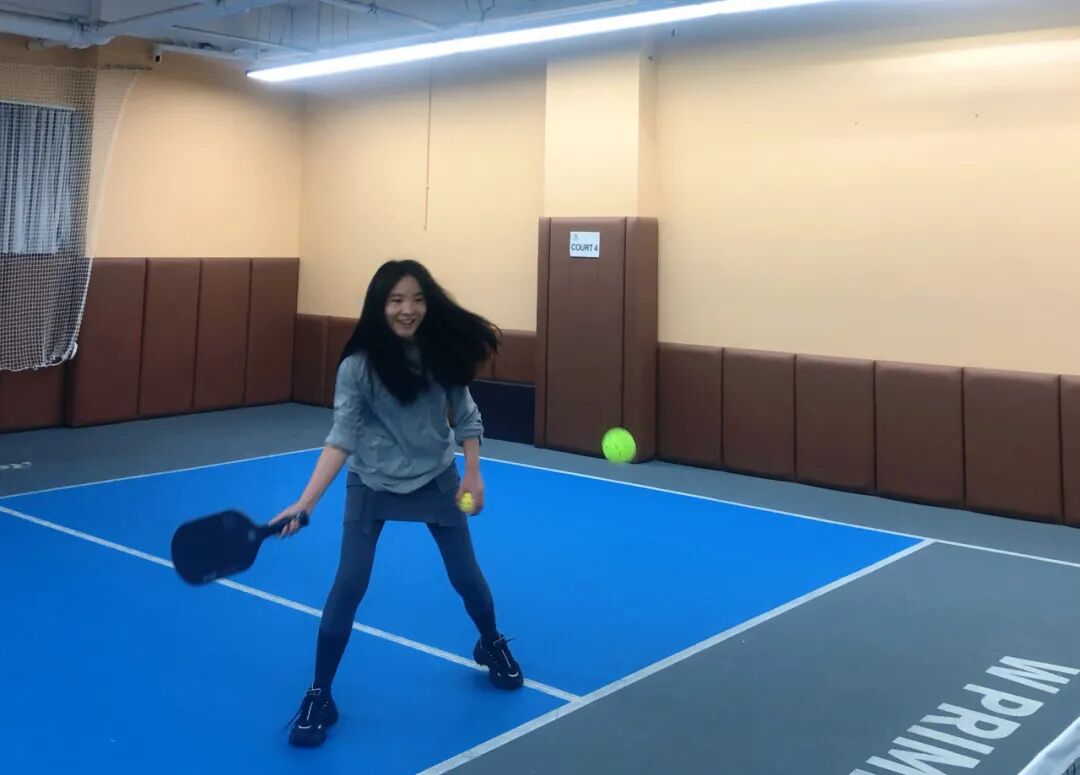
告别羽毛球自由,中产迷上匹克球
Hu Xiu· 2025-10-13 13:28
Core Viewpoint - The rise of pickleball and squash in urban China is attributed to the increasing costs of traditional sports like badminton and tennis, leading to a shift towards more affordable and accessible alternatives [4][5][6]. Group 1: Market Trends - The cost of badminton courts in major cities has surged, with peak hours in Beijing reaching 200 yuan for two hours [2][4]. - Pickleball courts are being introduced in existing tennis facilities, allowing for higher utilization rates and lower costs for participants [4]. - The price of entry-level pickleball equipment ranges from 100 to 200 yuan, significantly lower than professional badminton rackets which can exceed 1,000 yuan [5]. Group 2: Social Dynamics - Pickleball is becoming a new social activity for various age groups, bridging generational gaps and providing a platform for interaction [8][10]. - The sport's low entry barrier and friendly atmosphere make it appealing for those who may feel intimidated by traditional sports [15][16]. - Participants report that pickleball serves as a remedy for modern loneliness, fostering connections among urban dwellers [11][42]. Group 3: Growth Statistics - Sales of pickleball equipment on platforms like Tmall surged by 1,100% during the 2025 "618" shopping festival [30]. - Over 20,000 people in Guangdong Province regularly play pickleball, with Shanghai reporting 130 courts as of April 2025 [31]. - The establishment of a structured competition system, including national tournaments, indicates the sport's rapid institutional growth [31]. Group 4: Cultural Impact - Pickleball is perceived as a low-pressure, enjoyable activity that contrasts with the competitive nature of traditional sports [48][49]. - The sport encourages a sense of community and shared experience, allowing individuals to connect beyond their professional identities [48][52]. - It provides a platform for social interaction that is less formal than traditional gatherings, enhancing the quality of connections among participants [24][42].
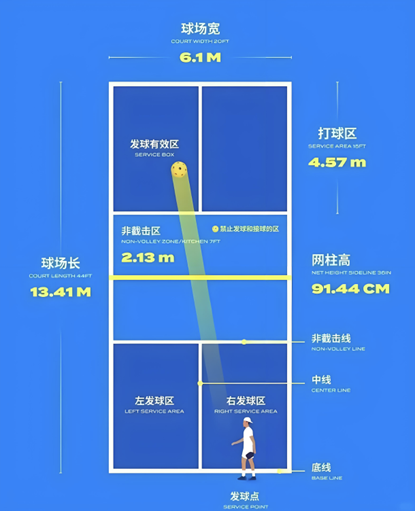
小众运动项目火“出圈”,激活体育消费大有可为
证券时报· 2025-07-20 13:58
Core Viewpoint - The article highlights the rising popularity of pickleball as a potential breakout sport, driven by its accessibility and the overflow of demand from traditional sports like tennis [1][4]. Group 1: Emerging Sports and Consumer Trends - Pickleball has seen a significant increase in interest, with social media discussions reaching 140 million views on one platform and over 380 million on another [4]. - Sales data indicates that during the "6·18" shopping festival, sales of pickleball equipment on Tmall surged by over 1100% [4]. - The rise of niche sports like pickleball, rock climbing, and disc golf reflects a shift in consumer preferences, particularly among younger generations seeking new sports experiences [4][5]. Group 2: Impact of Social Media - Social media plays a crucial role in promoting niche sports, enhancing participation through shared experiences and related content [8]. - The social attributes of sports like pickleball drive engagement, with many participants motivated by social interaction and sharing on platforms [8]. Group 3: Distinction Between Mainstream and Niche Sports - Mainstream sports have a broader audience and larger market size, benefiting from international promotion and high fan loyalty [6]. - Niche sports cater to more specific demographics, often requiring unique resources and reflecting localized cultural preferences [6][9]. Group 4: Economic Contributions of Sports - Niche sports often attract high-net-worth individuals, contributing significantly to overall sports consumption despite their smaller participant base [9]. - Mainstream sports, due to their larger participation numbers, create substantial market scales, particularly in sports education and training sectors [9]. Group 5: Role of Sports Events in Consumption - Sports events are essential for driving consumption, with policies increasingly focusing on leveraging sports activities to stimulate economic growth [11][12]. - Local community events can effectively integrate with consumer preferences, often providing a more cost-effective means of promoting sports compared to high-profile international events [12]. Group 6: Importance of Leisure Time - The availability of leisure time is deemed more critical than income for driving sports consumption, emphasizing the need for policies that ensure people have time to engage in sports [14]. - Initiatives to promote sports participation, such as public fitness programs and consumer subsidies, are vital for sustaining growth in sports consumption [14].