
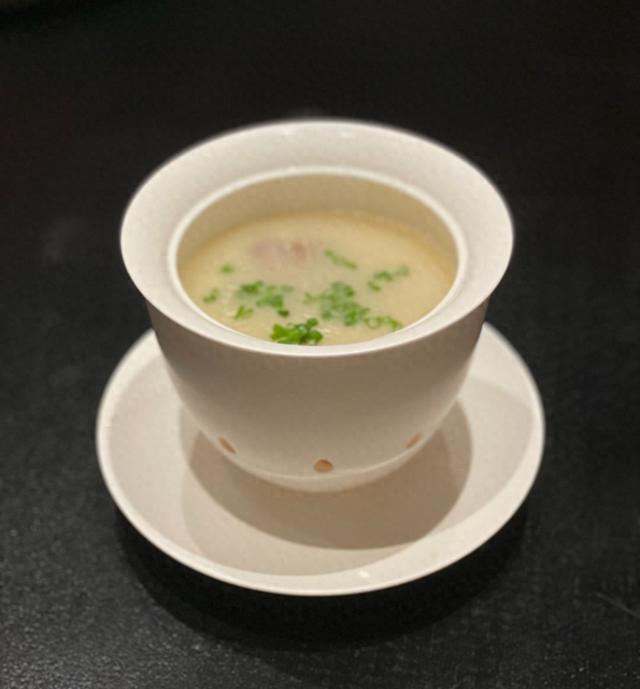
千岛湖鱼头汤

Search documents
大闸蟹之外的鲜灵滋味
Xin Lang Cai Jing· 2025-12-26 14:10
Group 1 - The article highlights the rich variety of seafood available during the autumn and winter seasons, emphasizing the unique flavors of different fish from various regions in China, such as the large yellow croaker from Ningde and the pufferfish from Lianyungang [1][7][19] - The large yellow croaker, particularly from the Ningde area, is noted for its exceptional taste due to the unique marine environment and innovative farming methods, making it a favored choice for local cuisine [1][3] - The article discusses various cooking methods for the large yellow croaker, with steaming being the preferred method to preserve its natural flavor, and suggests a combination with lamb for an enhanced taste experience [1][3] Group 2 - The article mentions the popularity of Cangshu lamb in Jiangnan, particularly in Suzhou, where it is celebrated for its tenderness and flavor, often prepared in a rich lamb soup with yellow croaker [3][5] - The culinary creativity at Lingyan Mountain House is highlighted, showcasing dishes that combine dried fish with fresh yellow croaker, enhancing flavors while reducing fishy taste [5] - The article notes the significance of seasonal seafood in the diets of people in Taizhou, with various fish and shellfish being integral to local culinary traditions throughout the year [14][15] Group 3 - The article emphasizes the quality of fish heads from Qiandao Lake and their popularity in Shanghai, where they are often used in hearty soups, appealing to local tastes [7][9] - It mentions the high market share of caviar from sturgeon in Qiandao Lake, which has become more accessible, allowing consumers to enjoy luxury seafood at a lower price point [10] - The article describes the unique culinary offerings in Jiangsu and Zhejiang, highlighting the regional specialties and the cultural significance of seafood in local cuisine [19][22]

叮咚买菜启动“寻味中国”计划 打造地道食材供应链
Zheng Quan Ri Bao Wang· 2025-09-15 09:20
Core Insights - The article highlights the strategic expansion of Dingdong Maicai's "Taste of China" initiative, focusing on sourcing and promoting local delicacies and ingredients across the nation [1][4] - The company has signed over 30 million yuan in direct procurement orders for the Yangtze River Delta hairy crabs, indicating a significant investment in regional specialties [1] - Dingdong Maicai aims to enhance its supply chain and product offerings by introducing unique regional products, such as the Qinghai-Tibet Plateau hairy crabs, which challenge traditional perceptions of crab sourcing [2][3] Group 1 - Dingdong Maicai's "Taste of China" plan is a key component of its "Good Products" strategy, which currently includes nearly 300 SKUs across various categories, including fruits, vegetables, and snacks [1][3] - The Yangtze River Delta hairy crabs are expected to see a doubling in sales compared to last year, showcasing the growth potential of regional specialty products in the national market [1] - The company has established a direct procurement model in the Qinghai-Tibet Plateau, ensuring high-quality crabs that are free from feed and drugs, with a low-density farming approach [2] Group 2 - The "Taste of China" initiative aims to bring local ingredients to a wider audience, enhancing consumer choices while providing branding opportunities for local farmers [4] - Dingdong Maicai's strategy emphasizes the importance of sourcing directly from producers and maintaining quality control, differentiating itself from competitors focused on price and efficiency [4] - The company has successfully promoted regional vegetables, such as Gobi vegetables, achieving over 10 million units sold, indicating a strong consumer interest in local flavors [3]

叮咚买菜官宣“寻味中国”计划,打造全国地道食材与风味地图
Yang Zi Wan Bao Wang· 2025-09-15 01:22
Core Insights - The article highlights the launch of a direct procurement order exceeding 30 million yuan by Dingdong Maicai during the crab-catching ceremony in Dongying, Shandong, as part of its "Taste of China" initiative aimed at promoting local ingredients and flavors [1] - Dingdong Maicai is focusing on upgrading the supply chain for the Yellow River crabs, which are recognized for their unique taste and early market entry compared to other regions, indicating strong growth potential for regional specialty products [1] - The company is expanding its reach by creating a "crab matrix" that includes various regional crabs, ensuring a year-round supply of diverse flavors to consumers [1][2] Company Strategy - Dingdong Maicai is collaborating closely with suppliers to establish standardized farming and direct procurement plans, leveraging cold chain logistics and real-time quality control to ensure stable output of regional flavors [2] - The strategy aims to bring lesser-known local ingredients to a broader market, enhancing the visibility and sales of these products, as evidenced by the significant sales of Gobi vegetables [2] - The company's "4G strategy" emphasizes the importance of high-quality products, focusing on sourcing, selection, direct procurement, and quality control to differentiate itself in a competitive market [3] Market Impact - The initiative not only enriches consumer meal options but also provides opportunities for local agricultural products to gain national exposure and branding [3] - By controlling product characteristics and quality from the source, Dingdong Maicai aims to enhance consumer experience with authentic flavors and cultural value [3]