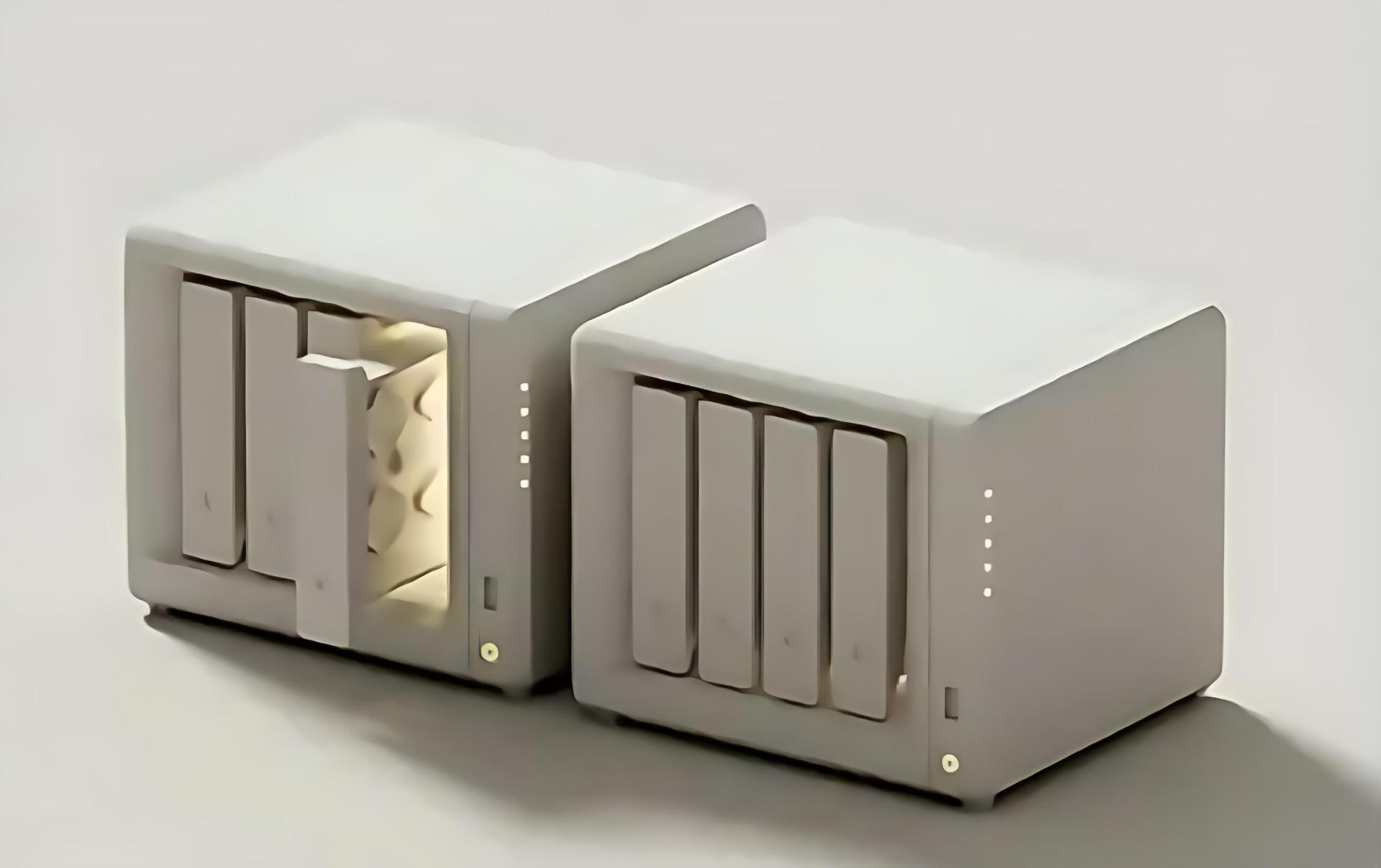
华为家庭存储

Search documents
华为家庭存储图库同步模式正式上线,支持直接使用家庭存储照片、视频
Xin Lang Cai Jing· 2026-01-27 12:24
Core Viewpoint - Huawei has officially launched the synchronization feature for its home storage device's gallery, enhancing user experience with seamless backup capabilities across devices running HarmonyOS [1][9]. Group 1: New Features - The home storage device has completed the adaptation for HarmonyOS 6, introducing new functionalities such as seamless gallery backup with HarmonyOS NEXT devices including phones, tablets, and computers [4][12]. - Users can now choose to back up cloud albums to cloud space or only to home storage via the Huawei Gallery App, along with features for cleaning and merging duplicate photos and files [4][12]. Group 2: Product Specifications - Huawei launched its first HarmonyOS home data center, the Huawei Home Storage, in 2022, offering storage options of 4TB, 8TB, 16TB, and a no-disk version [6][14]. - The home storage device supports custom configurations, allowing for a maximum storage capacity of 40TB (20TB + 20TB) [6][14].


图说研报 | NAS存储的投资机会
Xin Lang Cai Jing· 2025-12-19 01:29
Core Insights - The article discusses the evolution and market potential of Network-Attached Storage (NAS) systems, highlighting their advantages over traditional storage methods and the growing demand for consumer-grade NAS solutions. Group 1: NAS Overview - NAS serves as a central hub for data storage, processing, and management, supporting multiple users and concurrent services [23] - Compared to traditional Direct-Attached Storage (DAS), NAS offers better data security and ease of access across multiple devices [20][21] - The global NAS market is projected to grow from $36.3 billion in 2023 to $91.2 billion by 2028, with a CAGR of 20.2% [61] Group 2: Market Dynamics - The consumer-grade NAS market is expanding rapidly, driven by the increasing need for data storage solutions among households and small businesses [40][55] - In 2024, enterprise users are expected to account for 45% of the global NAS storage market, while consumer applications will also see significant growth [28] - The rise of data "hoarding" among users, particularly those aged 19-45, is contributing to the demand for NAS solutions [48] Group 3: Competitive Landscape - Companies like UGREEN and QNAP are gaining market share in the consumer NAS segment, focusing on affordability and user-friendly features [116][120] - The entry of major players like Xiaomi into the NAS market is expected to lower educational costs and further stimulate market growth [126] - Traditional enterprise NAS brands are now extending their product lines to cater to consumer needs, enhancing their market presence [89][90] Group 4: Challenges and Opportunities - The NAS market faces challenges related to initial investment costs and the need for performance improvements to meet user demands [70][74] - Innovations in NAS technology, particularly in AI integration and data management, are essential for unlocking new application scenarios and driving future growth [80][84] - The market is characterized by a diverse range of players, with both established brands and new entrants competing for consumer attention [84][109]

华为鸿蒙电脑家庭存储文档同步体验官活动今启招募,PC 升级 HarmonyOS 6 用户优先入选
Xin Lang Cai Jing· 2025-12-17 14:21
Group 1 - The core activity is the recruitment for the HarmonyOS 6 document synchronization experience officer, which runs from December 17, 2025, to December 31, 2025 [22][26] - The recruitment is open to all users, with a preference for those who have upgraded their Huawei home storage to HarmonyOS 6 and are willing to provide feedback [26][31] - Participants must complete a questionnaire by December 31, 2025, and will be selected based on their responses [10][35] Group 2 - The new features of Huawei's home storage include seamless backup of photo galleries with devices running HarmonyOS NEXT and the ability to clean up duplicate files [19][42] - Huawei launched its first HarmonyOS home data center in 2022, offering storage options of 4TB, 16TB, and a no-disk version, with a maximum configuration supporting up to 40TB [42]

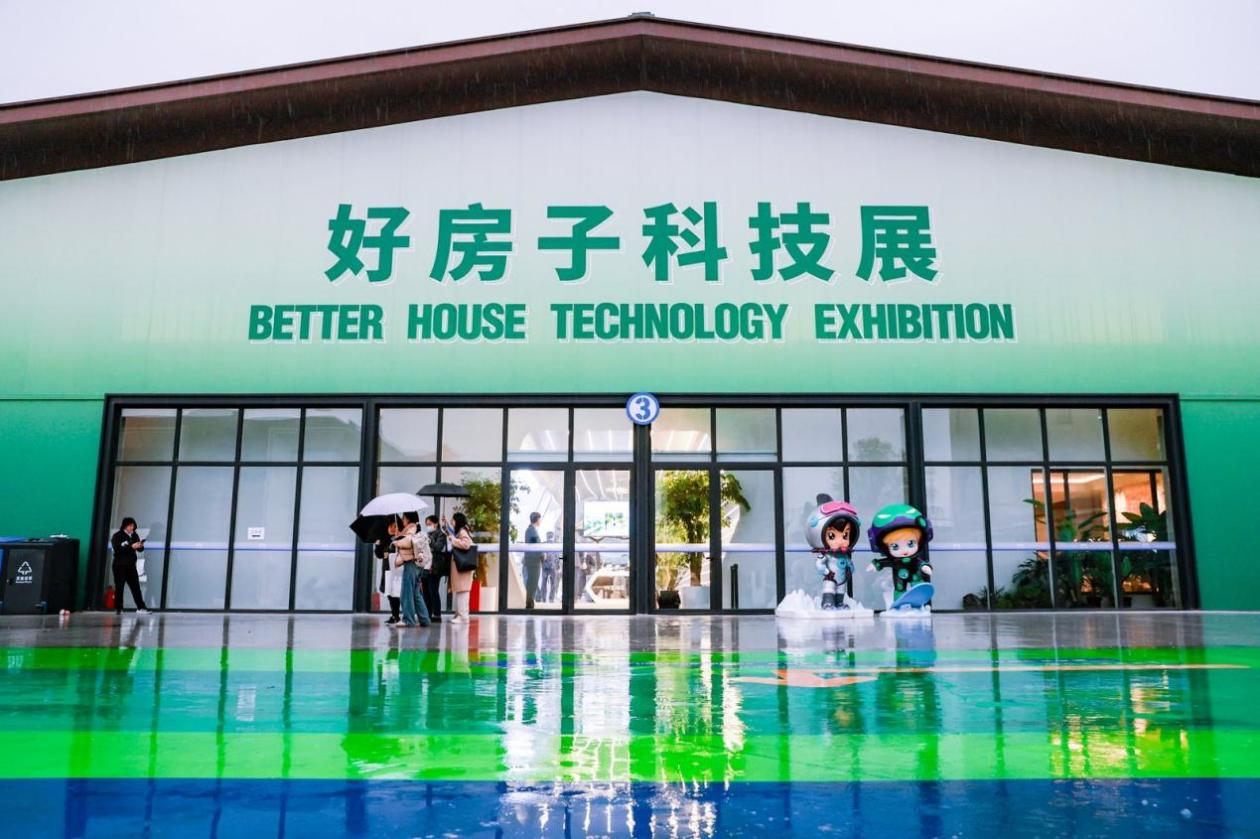
当向往照进现实:好房子科技展解锁都市人居的理想答案
Huan Qiu Wang· 2025-11-10 11:06
Core Insights - The article highlights the gap between the ideal of a quality life and the mundane challenges faced by urban dwellers, emphasizing the potential of smart home technology to bridge this divide [1] - The "Good House Technology Exhibition" in Beijing marks a shift from advocating the concept of "good houses" to a standardized and systematic approach to their development [1][12] - Huawei's HarmonyOS Smart Home is showcased as a key player in providing comprehensive smart solutions across various housing types, illustrating what constitutes a "good house" [1][12] Group 1: Exhibition Highlights - The exhibition features 18 real-life model rooms and ten thematic exhibition areas, showcasing various housing solutions that embody the core standards of safety, comfort, sustainability, and intelligence [3] - Huawei's HarmonyOS Smart Home acts as the "invisible force" behind these solutions, providing a central system for rapid device interaction and local data processing to ensure privacy [3][5] - The technology addresses real pain points, such as instant repair requests and proactive service reminders, exemplifying the essence of a smart lifestyle where technology operates seamlessly in the background [5] Group 2: Targeted Solutions - In the "New Youth Good House" area, Huawei demonstrates how smart technology can enhance small living spaces, catering to the needs of younger generations seeking convenience [6] - The system offers personalized experiences, such as adjusting lighting and ambiance for gaming or studying, showcasing its adaptability to individual lifestyles [8] - For elderly residents, Huawei's solutions provide safety features like fall detection and kitchen monitoring, ensuring a secure living environment while respecting privacy [9][11] Group 3: Evolving Standards - The Ministry of Housing and Urban-Rural Development has integrated "smart" into the core standards of "good houses," indicating a shift in consumer expectations towards smart home technology as a necessity [12] - The concept of a "space as a living entity" is introduced, where homes can intuitively respond to the needs of their inhabitants, enhancing overall quality of life [12][13] - The exhibition reflects a broader consensus among developers and consumers that the competitive edge of housing now lies in its intelligence, health, and emotional resonance rather than just location or layout [15]
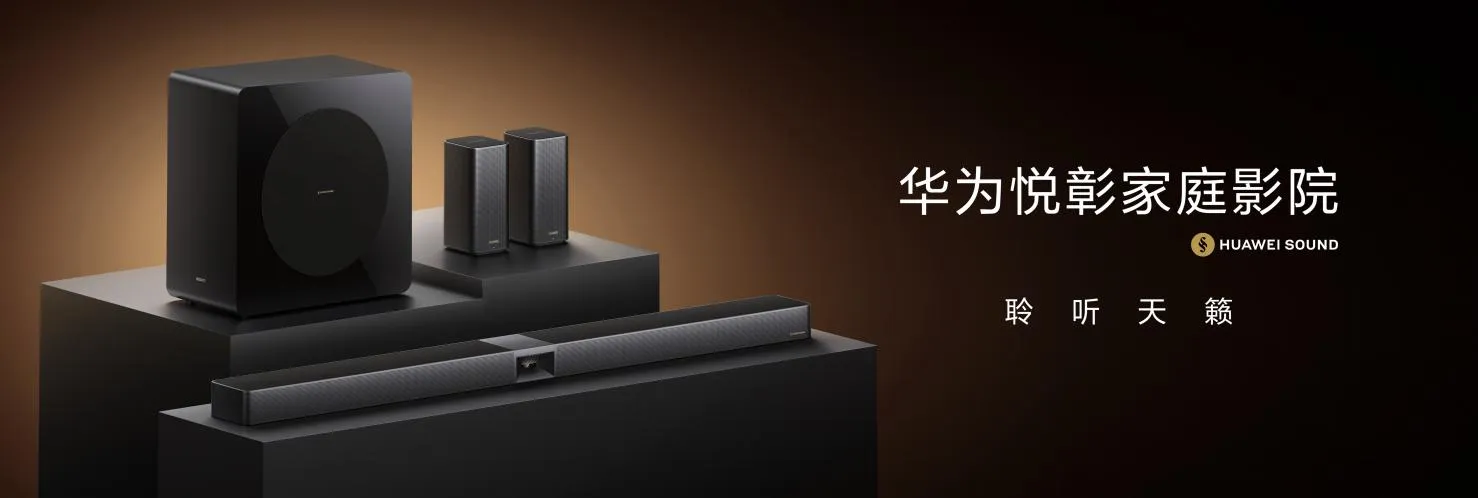
三大声学技术为核心,华为悦彰家庭影院探索家庭沉浸式影音路径
Cai Jing Wang· 2025-11-06 10:31
Core Insights - Huawei's new audio brand, HUAWEI Sound, showcases its technological achievements in audio, emphasizing the integration of technology and art in the audio field [1][2] - The HUAWEI Sound Theatre, the brand's first high-end home theater system, features advanced acoustic technologies and aims to enhance user experience from "hearing" to "immersion" [1][2][13] Technological Advancements - Huawei has invested over a decade in audio technology, establishing a strong core advantage through dedicated research and development [2] - The HUAWEI Sound Theatre incorporates three core acoustic technologies: 7.1.4 starry sound field, whale fin subwoofer, and 3D spatial audio algorithm, which collectively enhance the immersive audio experience [4][7][10] Product Design and Aesthetics - The design of the HUAWEI Sound Theatre emphasizes minimalist geometric aesthetics, ensuring it complements modern home decor while delivering professional sound quality [2][11] - The soundbar's slim profile (57mm) allows it to fit seamlessly under screens without obstructing the viewing experience [2] Immersive Audio Experience - The 7.1.4 starry sound field creates a three-dimensional sound space with precise sound localization, enhancing clarity in various audio scenarios [4] - The whale fin subwoofer delivers powerful low-frequency performance, with a peak power of 250W and a frequency response down to 22Hz, ensuring impactful sound effects [7] - The 3D spatial audio algorithm transforms two-channel audio sources into immersive surround sound, improving the listening experience for standard audio content [10] Ecosystem Integration - The HUAWEI Sound Theatre serves as a central component of a comprehensive home entertainment ecosystem, integrating seamlessly with Huawei's smart screens and storage devices [11][12] - The system allows for easy operation and control through Huawei's smart screen remote, enhancing user convenience and accessibility [11] Market Positioning - The HUAWEI Sound Theatre represents a shift in home entertainment consumption from basic audio output to immersive experiences, setting a new standard in the industry [13] - The product is positioned to appeal not only to audio enthusiasts but also to everyday consumers seeking enhanced entertainment experiences [13]
小米NAS,能搅动绿联华为极空间统治的轻NAS市场吗?
3 6 Ke· 2025-07-18 12:54
Core Viewpoint - Xiaomi is set to launch its NAS product aimed at the consumer and light enterprise market, with production testing starting in early October and a release planned before New Year's [1][4]. Group 1: Market Context - The Chinese home NAS market is projected to grow from 712 million yuan in 2023 to 9.619 billion yuan by the end of the year, indicating a significant demand increase driven by cloud computing and big data [3]. - Xiaomi's NAS is positioned to cater to users who require easy-to-use storage solutions, contrasting with more complex NAS systems that may not be suitable for novice users [3][4]. Group 2: Product Features and Positioning - Xiaomi NAS aims to provide a user-friendly experience, focusing on integrating with various devices such as smartphones, PCs, and TVs, while also serving as a family media center [7]. - The product is expected to be priced between 999 yuan and 1999 yuan, making it more accessible compared to competitors like Huawei, which starts at 2399 yuan [7][16]. Group 3: Competitive Landscape - Xiaomi's NAS will compete with established brands like Huawei, QNAP, and Synology, which have already made significant inroads into the NAS market [9][16]. - The success of Xiaomi's NAS will depend on its ability to offer a "no-sense experience" and leverage its ecosystem to provide unique user value, particularly in AI-driven functionalities [10][15]. Group 4: Challenges and Considerations - There are concerns regarding Xiaomi's software and hardware integration capabilities, which could impact consumer perception and acceptance of the new NAS product [3][16]. - The competitive landscape is evolving, with companies like Ugreen successfully targeting entry-level NAS users, highlighting the need for Xiaomi to differentiate its offering effectively [10][16].