双十一

Search documents
陈春花:不是努力不够,是时代变了,增长需要新逻辑
Jing Ji Guan Cha Bao· 2026-01-15 04:32
Core Insights - The article emphasizes that the traditional logic of competition is shifting towards a symbiotic relationship in business, driven by changes in consumer expectations and technological advancements [1][2]. Group 1: Shift in Growth Logic - The growth logic in the AI era has transitioned from a "win-lose" competition to a "co-creation" symbiosis [2]. - Companies now face competition not just from direct industry rivals but also from unexpected sectors, leading to increased uncertainty in the market [2][3]. - Consumer expectations have evolved from merely seeking products to desiring experiences and emotional connections, necessitating a shift in how businesses approach their offerings [2][3]. Group 2: New Dimensions for Growth - Companies must shift from merely meeting existing customer needs to creating new demands through collaboration with customers and partners [5]. - The focus has moved from "digging for certainties" to "exploring possibilities," leveraging digital technologies to redefine industry value and create new customer experiences [6][7]. - Strategic space for companies is no longer confined to traditional industry boundaries; instead, it is about building value ecosystems through partnerships [9][10]. Group 3: Strategic Transformation - The strategic approach has evolved from competitive strategies focused on defeating rivals to symbiotic strategies aimed at mutual growth with partners [12][13]. - Successful companies are those that build strong symbiotic relationships, as seen in the case of a beverage company that maintains stable pricing with suppliers and empowers franchisees [13]. Group 4: Key Elements of Symbiotic Relationships - Creating customer value is the foundation of building symbiotic relationships, requiring companies to seek partners that complement their capabilities [15][16]. - Technological advancements are crucial for facilitating efficient collaboration and establishing trust among partners [17][18]. - The essence of symbiosis lies in value creation and sharing, ensuring that all participants benefit from the relationship [20][21]. Group 5: Future-Oriented Business Characteristics - Companies that adapt to these shifts will exhibit characteristics such as focusing on ecosystem collaboration rather than competition and prioritizing customer needs over internal efficiencies [22][23]. - The article encourages businesses to explore new opportunities in the AI era by embracing a mindset of symbiosis and collaboration [24][25].

我很怀念那个全民都为“双十一”狂欢的时代
3 6 Ke· 2025-11-10 12:25
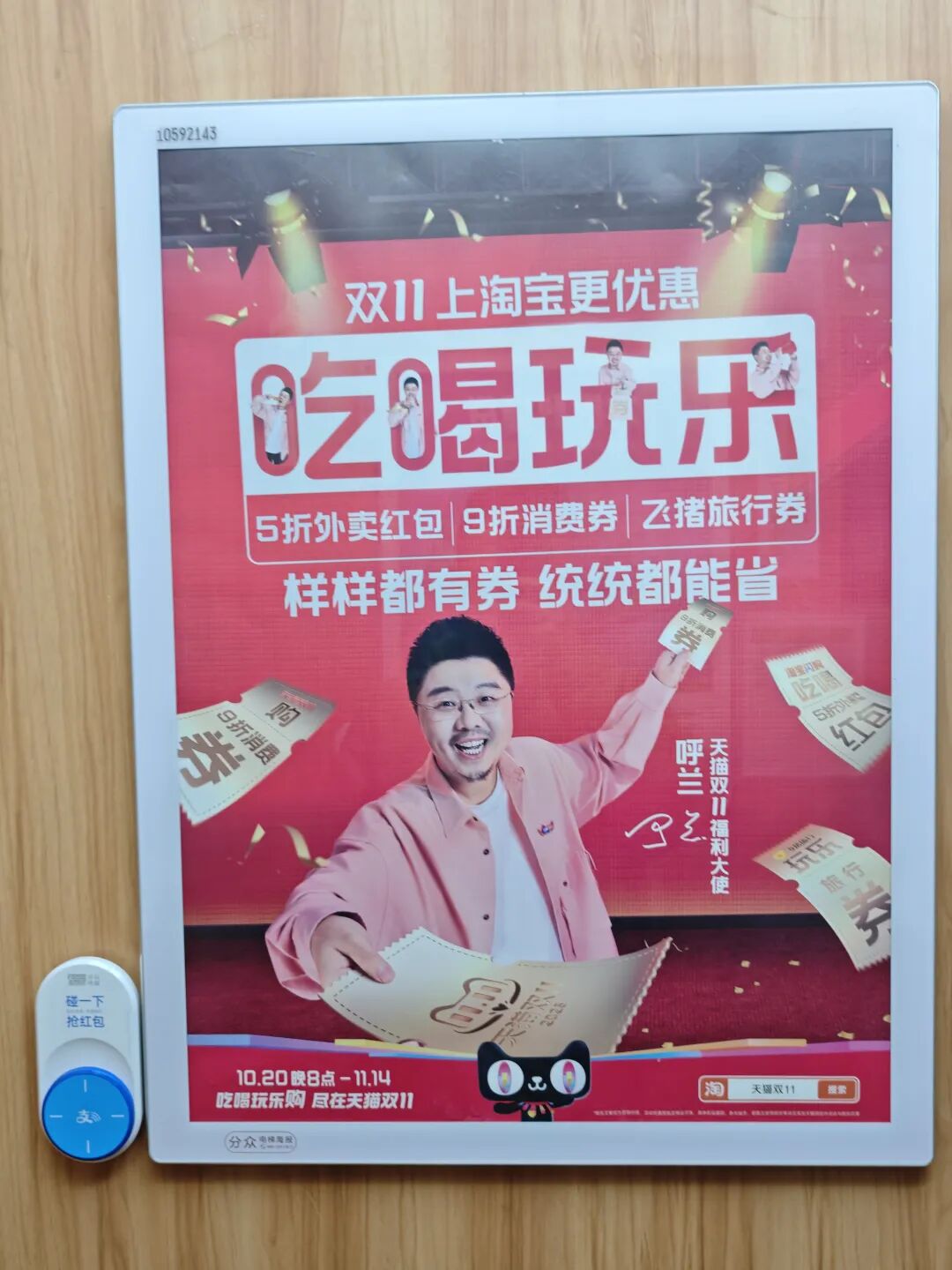
Core Insights - The article reflects on the evolution of the e-commerce landscape in China from 2015 to 2025, highlighting the shift from a booming growth phase to a more competitive and saturated market environment [1][2][4][52]. Group 1: Historical Context - In 2015, the e-commerce environment was characterized by rapid growth, with Alibaba dominating the market, holding nearly 80% of the e-commerce share [22]. - The number of internet users in China increased from 668 million in 2015 to approximately 1.108 billion in 2025, indicating a significant expansion of the digital consumer base [11][15]. - The excitement surrounding events like "Double Eleven" was palpable, with consumers actively engaging in shopping sprees during promotional events [2][3]. Group 2: Current Market Dynamics - The current e-commerce landscape is marked by intense competition, with platforms like Pinduoduo and Douyin emerging as significant players, disrupting traditional market dynamics [20][23][28]. - The competition has shifted from merely attracting users to retaining their attention, leading to a focus on innovative marketing strategies such as live streaming and extended promotional periods [34][36]. - The concept of "Double Eleven" has evolved from a unique shopping event to a more normalized promotional period, losing some of its initial excitement and urgency [50][52]. Group 3: Future Outlook - The article suggests that the e-commerce sector is approaching a saturation point, where the growth of internet users will stabilize, and competition will become increasingly challenging [41][42]. - Future strategies will likely involve more sophisticated methods of attracting consumer attention, such as integrating short dramas and other engaging content into shopping experiences [46]. - The competitive landscape will continue to evolve, with companies needing to adapt to changing consumer behaviors and preferences to maintain relevance in the market [54][55].


张勇,履新港交所
Sou Hu Cai Jing· 2025-08-02 12:43
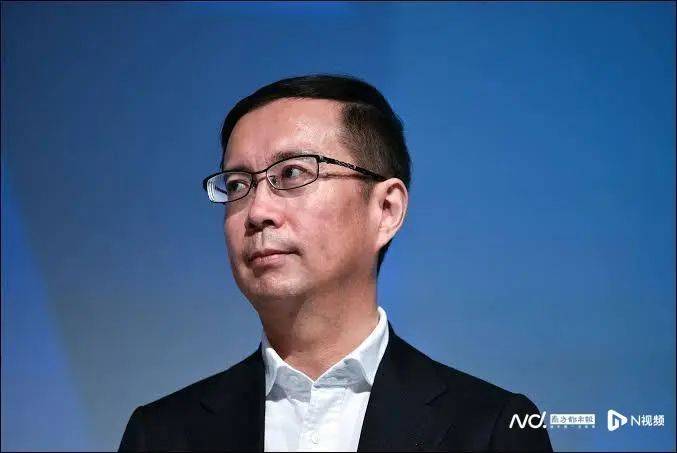
Core Viewpoint - The Hong Kong Stock Exchange (HKEX) has appointed Zhang Yong, former chairman of Alibaba Group, to its China Business Advisory Committee, enhancing its strategic capabilities in connecting China with the global market [1][3]. Group 1: Appointment Details - Zhang Yong has been appointed as the latest member of the China Business Advisory Committee under HKEX, which was established in 2021 [1][3]. - The committee will now have nine members, with Zhang Yichen, CEO of CITIC Capital Holdings, serving as the chairman [3]. - Other notable members include former HKEX chairman Laura Cha and several industry experts with deep knowledge of the Chinese market [3]. Group 2: Zhang Yong's Background - Zhang Yong, aged 53, graduated from Shanghai University of Finance and Economics in 1995 and has worked at major firms like Arthur Andersen and PwC [3][4]. - He joined Alibaba Group in 2007 and held various significant positions, including CEO from 2015 until his retirement in 2023 [4][5]. - During his tenure at Alibaba, he was instrumental in creating the "Double Eleven" shopping festival and leading the company through significant technological transitions [5]. Group 3: Post-Alibaba Activities - After retiring from Alibaba, Zhang Yong was honored with the title of "Meritorious Alibaba Person" and received a commitment of $1 billion to establish a future-oriented technology fund [5]. - He currently serves as a managing partner at Chen Yi Fund and as an independent non-executive director at Hysan Development Company [5].
阿里前掌门张勇履新港交所,加入港交所中国业务咨询委员会
Nan Fang Du Shi Bao· 2025-08-01 10:27
Core Viewpoint - The Hong Kong Stock Exchange (HKEX) has appointed Zhang Yong, former chairman of Alibaba Group, as a new member of its China Business Advisory Committee, enhancing the committee's expertise in Chinese markets and financial systems [1][3]. Group 1: Appointment Details - Zhang Yong's appointment increases the committee's membership to nine, with Zhang Yichen, CEO of CITIC Capital Holdings, serving as the chairman [3]. - The China Business Advisory Committee was established in 2021 to provide insights to the HKEX board from seasoned industry experts familiar with the Chinese market [3]. Group 2: Zhang Yong's Background - Zhang Yong, aged 53, graduated from Shanghai University of Finance and Economics in 1995 and has worked at Andersen and PwC before joining Alibaba [4]. - He joined Alibaba in 2007 and held several key positions, including CFO of Taobao, General Manager of Tmall, COO of Alibaba Group, and Chairman of Cainiao Network [4][5]. - Zhang served as CEO of Alibaba Group from 2015 and became chairman in 2019, stepping down in 2023 [5]. Group 3: Achievements and Recognition - During his 16 years at Alibaba, Zhang Yong was instrumental in creating the "Double Eleven" shopping festival and driving the digital transformation of brand enterprises [5]. - Upon his retirement, Alibaba honored him with the title of "Meritorious Alibaba Person" and pledged to invest $1 billion to support his future technology fund [5].