
可拉伸柔性电极

Search documents
顶层战略加码,医保政策护航,脑机接口:热度持续高涨,谁是核心概念股?
市值风云· 2026-03-20 10:16
Core Viewpoint - The article emphasizes the rising importance of brain-computer interfaces (BCI) in the investment landscape, driven by policy support and technological advancements, marking it as a key area for investors in the upcoming years [3][4]. Policy and Market Dynamics - The Chinese government has included BCI in its "14th Five-Year Plan" as one of the six key future industries, indicating strong policy backing [3]. - The National Healthcare Security Administration has integrated BCI into the medical insurance system, establishing a preliminary commercial closed loop [5]. Technological Advancements - Significant breakthroughs in invasive and semi-invasive BCI technologies have been achieved, with domestic teams making progress that rivals international leaders [6][7]. - A notable development includes the creation of high-throughput, stretchable flexible electrodes, which address issues faced by traditional electrodes during dynamic brain movements [8]. Clinical Applications and Trials - Clinical trials have shown promising results, with a semi-invasive BCI system improving hand function in patients with spinal cord injuries [9]. - Neuralink has made strides in its invasive BCI technology, achieving FDA breakthrough device designation for its brain chip implants [10]. Non-Invasive Applications - Non-invasive BCIs are gaining traction in rehabilitation and consumer electronics, with a focus on their ease of use and portability [11]. - Domestic research teams have developed non-invasive solutions that are cost-effective and show high product viability [11]. Capital Market Trends - The investment landscape for BCI is heating up, with nearly 30 financing rounds completed in the sector this year, totaling over 5 billion yuan [16]. - Companies like BrainCo have raised significant funds and are preparing for IPOs, indicating strong market interest [16][17].


脑机接口重大突破来了!这家公司登顶Nature子刊后,刚融资3亿
创业邦· 2026-02-13 14:13
Core Viewpoint - The article discusses the recent A+ round financing of Zhiran Medical, a company specializing in invasive flexible electrode brain-machine interfaces, which raised 300 million RMB to advance clinical trials and product iterations [4][6]. Financing Overview - Zhiran Medical completed its A+ round financing on February 11, 2026, raising 300 million RMB, led by Zhongke Chuangxing, with participation from various investors including Legend Capital and IDG Capital [4][5]. - The company has a history of financing rounds, including over 300 million RMB in its A round in July 2025 and undisclosed amounts in earlier rounds [5]. Technological Advancements - The company has developed a new type of stretchable flexible electrode that addresses the core issues of traditional electrodes, such as displacement and detachment in the brain, allowing for precise and stable neural signal collection [4][15]. - This innovative technology significantly reduces mechanical damage to brain tissue, with the required stretching force being only 1/100 of that needed for traditional linear electrodes [15][12]. Product and Market Strategy - Zhiran Medical's core product is an invasive flexible brain-machine interface platform, which includes flexible electrodes, hardware systems, software, and decoding algorithms [11]. - The company aims to meet clinical needs by developing products that assist patients with paralysis, blindness, and neurological disorders [6][9]. Clinical Applications and Collaborations - The company has initiated collaborations with hospitals for clinical implantation surgeries, including a successful ultra-thin flexible deep electrode implantation in November 2024 [24]. - Zhiran Medical's digital EEG machine, capable of 1024-channel signal collection, received market approval in May 2025, catering to diverse clinical and research needs [20][21]. Production Capabilities - The company has established its own production facility for clinical-grade flexible electrodes, with a cleanroom area of nearly 2000 square meters, achieving mass production capabilities [24]. - The electrode implantation robot developed by Zhiran Medical enhances precision and efficiency in surgical procedures, reducing the time for single electrode implantation to under 30 seconds [18][19]. Future Outlook - Zhiran Medical plans to accelerate the clinical rollout of its products, with large-scale registration of over 100-channel invasive brain-machine interface products expected to start in 2026 [26]. - The long-term vision of the company is to bridge the gap between humans and machines, ultimately enhancing human brain functions [26].
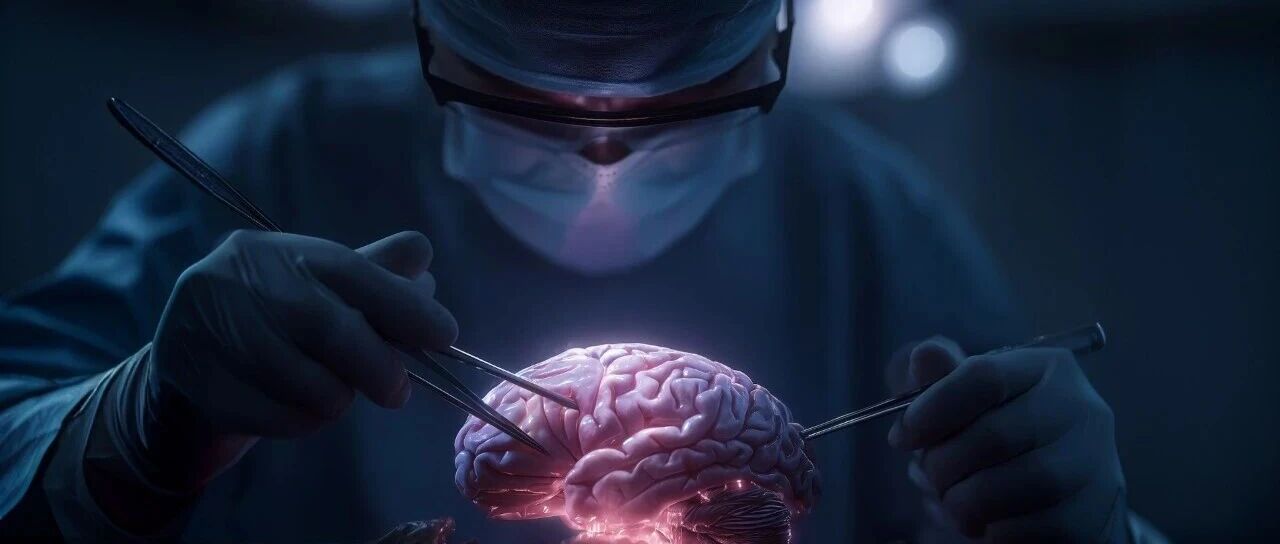
未知机构:智冉医疗解决脑机接口安全性难题脑机接口作为顶层战略稳步推进2月-20260211
未知机构· 2026-02-11 02:15
Summary of Conference Call Notes Company and Industry Involved - The focus is on **智冉医疗 (Zhirun Medical)** and the **brain-computer interface (BCI)** industry, which is recognized as a key future industry in China's "十四五" (14th Five-Year Plan) [1][2]. Core Points and Arguments - **Technological Advancement**: Zhirun Medical has developed a **high-throughput, stretchable flexible electrode** that addresses critical issues of traditional flexible electrodes, such as displacement and detachment during dynamic brain movements. This innovation provides a foundational solution for the long-term stability of implanted brain-computer interfaces [2]. - **Publication and Recognition**: The breakthrough was published in **Nature Electronics** on February 5, highlighting its significance in the field [2]. - **Competitive Positioning**: Zhirun Medical's technology is positioned to rival or even surpass **Neuralink**, founded by Elon Musk. Neuralink has reported that up to **85%** of flexible electrode threads detached from a patient's brain tissue weeks after implantation [2]. - **Operational Capabilities**: Zhirun Medical possesses an **electrode implantation surgical robot** and a micro-nano processing workshop, enabling the production of stretchable flexible electrodes with up to **1024 channels**. This capability enhances their technical and engineering parameters compared to competitors [2]. Other Important but Potentially Overlooked Content - **Industry Beneficiaries**: The conference notes mention several companies that could benefit from advancements in the brain-computer interface industry, including **创新医疗 (Innovative Medical)**, **心玮医疗 (Xinwei Medical)**, **乐普医疗 (Lepu Medical)**, **爱朋医疗 (Aipeng Medical)**, **博拓生物 (Botuo Bio)**, **诚益通 (Chengyitong)**, and **倍益康 (Beiyikang)**. Additionally, companies involved in the brain-computer interface and exoskeleton integration, such as **翔宇医疗 (Xiangyu Medical)**, are also highlighted [2].
「智冉医疗」再获3亿元A+轮融资,2026计划启动规模化注册临床试验|早起看早期
36氪· 2026-02-11 00:13
Group 1 - The core viewpoint of the article is that Zhiran Medical, a company specializing in invasive brain-machine interfaces, has successfully secured a 300 million yuan A+ round of financing, indicating strong investor confidence in its capabilities [3][4] - The funding will primarily be used to advance large-scale clinical trials and iterate on high-throughput flexible brain-machine interface products, accelerating the clinical application of invasive brain-machine interface technology [4] - The founder and CEO of Zhiran Medical, Song Qi, emphasizes the company's commitment to invasive brain-machine interfaces, highlighting the team's deep technical expertise and the potential for efficient human-machine information exchange [4][5] Group 2 - Zhiran Medical has developed a high-throughput "stretchable flexible electrode" that can dynamically follow the brain's movements, ensuring long-term stability within brain tissue and reducing mechanical damage compared to traditional linear electrodes [5][7] - The company has also made significant progress in the fields of neural chips, decoding algorithms, and electrode implantation robots, establishing a nearly 2000 square meter clinical-grade micro-nano processing workshop and GMP-standard assembly workshop for full-chain control of clinical-grade products [7] - By 2025, Zhiran Medical plans to complete clinical implants of its high-throughput invasive brain-machine interface products, with a large-scale registration clinical trial set to begin in 2026 [7][8] Group 3 - The invasive brain-machine interface technology is positioned as a key future industry in China's "14th Five-Year Plan," with various regions establishing special funds worth billions to support its development [8] - The National Healthcare Security Administration plans to include multiple services related to brain-machine interfaces as independent billing items, reflecting a strong commitment to supporting the industry's growth [8]

智冉医疗:侵入式脑机接口技术重磅突破!破解Neuralink掉 “线” 难题 | 红杉Family
红杉汇· 2026-02-11 00:03
Core Insights - The article highlights a breakthrough in the field of invasive brain-machine interfaces (BMIs) achieved by a research team led by Fang Ying from Zhiren Medical, which successfully developed a high-throughput, stretchable flexible electrode that addresses the core challenges of traditional flexible electrodes in dynamic brain movements [2][12]. Group 1: Technological Advancements - The newly developed stretchable flexible electrode overcomes the limitations of traditional linear electrodes, which struggle to maintain stability during brain movements, thus providing a foundational solution for the long-term stability of invasive BMIs [2][4]. - The innovative design of the stretchable electrode allows it to dynamically adapt to the brain's pulsations and movements, ensuring long-term stability within the brain tissue [6][9]. - The research team demonstrated that the stretchable flexible electrode could achieve long-term stable recordings of neuronal activity in non-human primates, marking a significant milestone for clinical applications of invasive BMIs [8][12]. Group 2: Market Position and Future Implications - Zhiren Medical is positioned to lead the invasive BMI sector, with its breakthrough technology aligning with national strategic plans, thereby facilitating the transition from laboratory research to large-scale clinical applications [12][13]. - The advancements in invasive BMIs are expected to integrate seamlessly into everyday life, enhancing human-machine interactions in dynamic environments, such as extreme sports, without the risk of device displacement or brain injury [12][13]. - As the technology matures, China is poised to gain a significant competitive edge in the global invasive BMI market, leveraging its technological advancements to influence industry development [13].
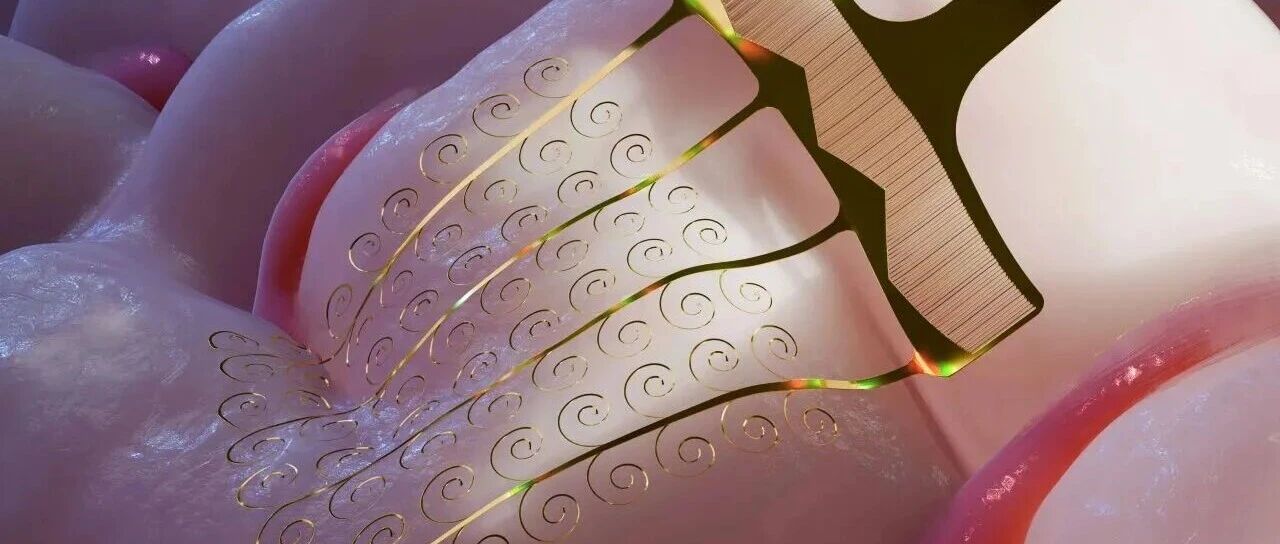
【太平洋科技-每日观点&资讯】(2026-02-10)
远峰电子· 2026-02-09 12:30
Market Overview - Major indices showed positive performance with ChiNext Index up by 2.98%, STAR 50 by 2.51%, Shenzhen Component Index by 2.17%, Shanghai Composite Index by 1.41%, and North Exchange 50 by 1.36% [1] Domestic News - Saiwu Technology announced the completion of the acquisition of Jinlan Nano, aiming to integrate its material R&D and formulation advantages with Jinlan's brand influence and channel network to enhance the market promotion of high-value automotive functional films [1] - A Chinese team successfully developed a high-speed thin-film lithium niobate electro-optic modulator covering near-infrared to mid-infrared bands, achieving signal transmission rates exceeding 200 Gbps and 170 Gbps in O-U and 2-micron bands, respectively [1] - Chipmaker Xinjiun released a new generation of integrated multi-mode communication chip IM3610, achieving full-mode integration of 4G, 5G terrestrial networks, and low-orbit satellite communication, supporting the 3GPP Release 19 standards [1] Overseas News - Hanmi Semiconductor plans to launch a wide-type TC bonding machine for HBM5 and HBM6 production in the second half of this year, with a goal to mass-produce 16-layer and above HBM by 2029 [2] - Intel and AMD have notified Chinese customers about CPU supply shortages, warning that delivery times for some products may extend up to six months [2] - Memory prices have surged by 80%-90% compared to Q4 2025, with DRAM, NAND, and HBM reaching historical highs, and DRAM profit margins expected to exceed HBM [2] - Murata reported a significant increase in orders for capacitors used in AI servers, with total orders reaching 500.7 billion yen, up 11.5% year-on-year, and capacitor orders alone surged by 29.4% to 268.1 billion yen [2] AI Insights - Xiaohongshu is developing an AI video editing product called OpenStoryline, which utilizes natural language commands for automated editing, currently in the testing phase [3] - SenseNova-SI-1.3, an open-source spatial intelligence model by SenseTime, shows significant improvements in core tasks and surpasses previous versions in performance evaluations [3] - AI agents have taken over 80% of enterprise database creation tasks, indicating a transformative impact of AI in infrastructure management [3] - Waymo has introduced a world model based on DeepMind Genie 3, capable of generating realistic and interactive 3D environments for autonomous driving simulations [3] Industry Tracking - Dawn Aerospace's Aurora has been upgraded to a rocket-powered suborbital spaceplane, showcasing rapid testing capabilities and innovation with plans for 15 test flights between 2023 and 2025 [3] - Jingu Co., Ltd. has made significant breakthroughs in its embodied intelligence division, securing multiple mass production orders for robot structural components developed from proprietary materials [3] - Zhirun Medical has developed a flexible electrode that addresses key challenges in brain-machine interface technology, enhancing long-term stability for invasive applications [3] - Owens Corning has launched the SUSTAINA LOOP series of 100% recycled glass fibers, designed to improve the circular economy in the composite materials industry [3]





重大突破!脑机接口不“掉线”,中国团队破解Neuralink的电极之困
机器人大讲堂· 2026-02-09 09:00
Core Viewpoint - The article discusses a breakthrough in the development of a stretchable flexible electrode for brain-machine interfaces, which addresses the challenges faced by traditional electrodes in dynamic brain environments [2][7][10]. Group 1: Technology Breakthrough - A research team led by Fang Ying has developed a stretchable flexible electrode that combines high-throughput signal acquisition with biomechanical compliance, overcoming the limitations of traditional linear electrodes [2][10]. - The new design utilizes a reconfigurable spiral array that allows the electrode to adapt to the brain's movements, significantly reducing mechanical stress on soft brain tissue [10][11]. - The electrode has been successfully tested in monkeys, achieving stable signal acquisition from 1024 channels and demonstrating long-term compatibility with brain tissue [12][14]. Group 2: Application and Validation - The electrode was implanted in a monkey's brain, allowing for the collection of over 700 cortical neuron activities, with no significant signal degradation observed after 22 weeks [14]. - The research team successfully decoded the monkey's movement intentions using the electrode, indicating its potential for assisting patients with motor function disabilities [16][17]. Group 3: Company Background and Commercialization - The technology is backed by Zhiren Medical, founded in April 2022, focusing on the development of invasive flexible brain-machine interface platforms [18][20]. - Zhiren Medical has raised over 500 million yuan in funding, with plans to advance clinical trials and establish a mass production system [20]. - The company has developed a complete system for hardware, software, decoding algorithms, and automated implantation robots, with patents granted in China and the U.S. [20]. Group 4: Industry Context and Future Prospects - The advancement aligns with the accelerating global brain-machine interface industry, with competitors like Neuralink planning large-scale production by 2026 [24]. - The Chinese government has included brain-machine interfaces in its "14th Five-Year Plan," supporting the industry's growth and development [24][25]. - The market for brain-machine interfaces in China is projected to reach 10 to 14 billion yuan by 2030, with over 200 companies currently operating in the sector [24].
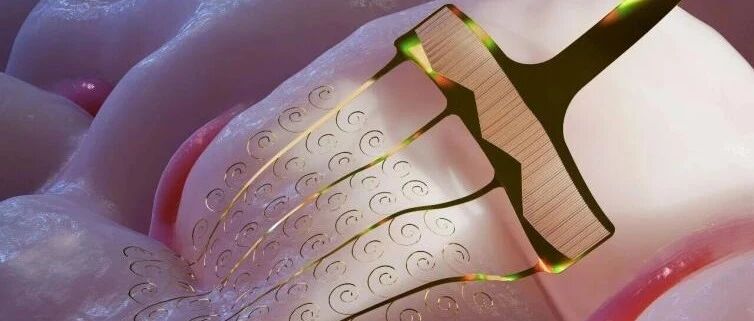
中国团队研制新型可拉伸柔性电极,破解脑机接口核心难题
Ke Ji Ri Bao· 2026-02-09 07:07
Core Insights - A research team led by Fang Ying from Beijing Brain Science and Brain-like Research Institute has developed a new type of high-throughput, stretchable flexible electrode that addresses the challenges of traditional flexible electrodes in brain-machine interface (BMI) technology, particularly in dynamic brain movements [1][2][3] - The new stretchable electrode architecture can dynamically follow brain movements with a required stretching force that is only 1/100th of that needed for Neuralink's linear electrodes, significantly reducing mechanical damage to brain tissue and minimizing immune responses [2][3] Group 1 - The new flexible electrode technology provides a foundational solution for the long-term stability of invasive brain-machine interfaces, overcoming issues of electrode displacement and inflammation caused by brain tissue movement [2][3] - Research conducted on macaques demonstrated that the stretchable flexible electrode could achieve long-term stable recordings in the brain, successfully capturing 257 single-neuron signals with a 256-channel implant and high-quality neural signals with a 1024-channel implant [2][3] Group 2 - This innovative technology is expected to address key obstacles for the clinical application of invasive brain-machine interfaces in China, potentially allowing the country to gain a competitive edge in the global market [3] - The advancement in this technology is anticipated to enhance the performance of brain-machine interfaces, contributing to the overall development of the industry and improving public health through cutting-edge technology [3]
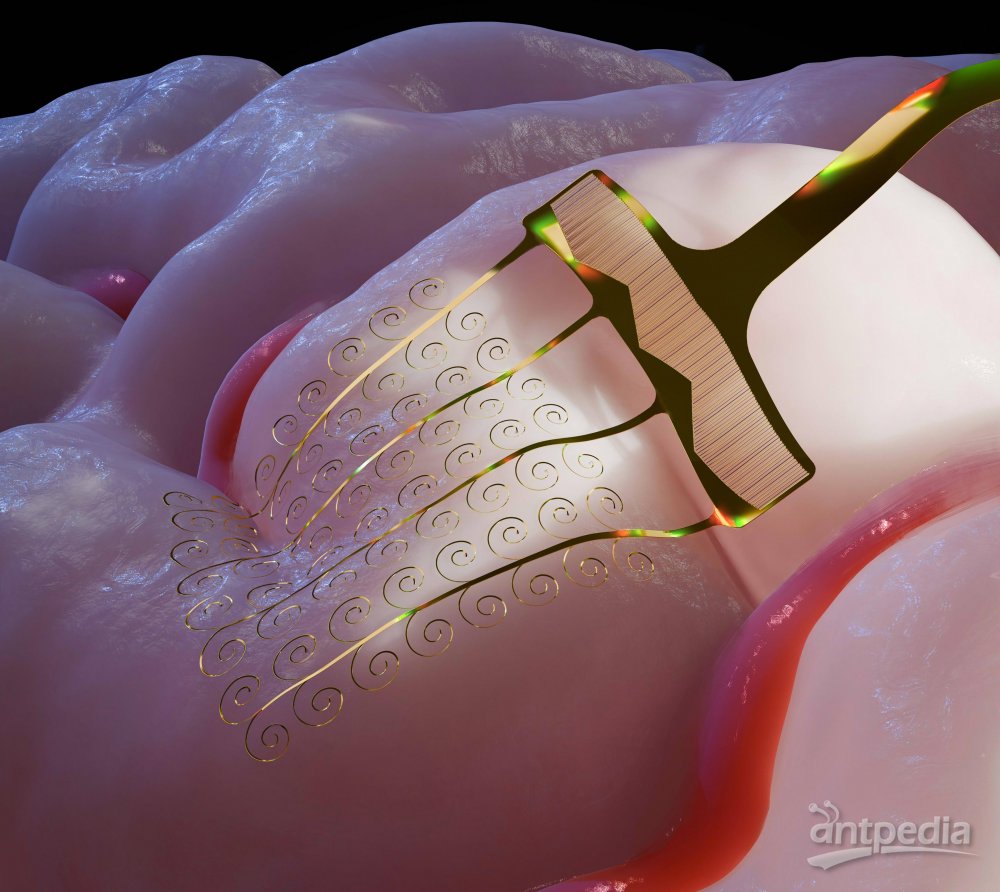
海淀企业脑机接口技术取得重要突破
Xin Jing Bao· 2026-02-09 01:22
Core Viewpoint - A significant breakthrough has been achieved in the field of invasive brain-machine interfaces in China, with the development of a highly flexible electrode that addresses key challenges in the technology [1] Group 1: Technological Advancements - The research team led by Fang Ying has successfully developed a high-throughput signal acquisition and biomechanically compliant stretchable electrode, solving the issues of traditional flexible electrodes that are prone to displacement and detachment [1] - This breakthrough has been published in the international journal "Nature Electronics" on February 5 [1] Group 2: Clinical Implications - The new technology effectively addresses core issues related to the implantation of bioelectronic devices in the brain, including minimizing displacement due to significant brain movement and reducing inflammatory responses [1] - The research demonstrates a comprehensive approach from flexible electrode design to implantation methods, showcasing its potential to enhance brain-machine interface performance [1] Group 3: Future Directions - The CEO of Zhiren Medical, Song Qi, stated that the company will continue to focus on core technology development and clinical transformation, aiming to benefit patients with neurological diseases and contribute to China's strategic advancement in this field [1]
新型可拉伸柔性电极破解脑机接口核心难题
Ke Ji Ri Bao· 2026-02-09 00:50
Core Insights - A research team led by Fang Ying, a senior researcher at the Beijing Brain Science and Brain-like Research Institute and founder of Zhiran Medical, has developed a new type of stretchable flexible electrode that addresses the issues of traditional flexible electrodes displacing and detaching during dynamic brain movements, providing a foundational solution for the long-term stability of invasive brain-machine interfaces [1][2] Group 1: Technology Development - The new stretchable electrode architecture can dynamically follow brain movements and requires only 1/100 of the force needed by Neuralink's linear electrodes, significantly reducing mechanical damage to brain tissue and minimizing immune responses and glial scars caused by traditional linear electrodes [2] - Research conducted on macaques demonstrated that the stretchable flexible electrode can achieve long-term stable recordings in the brain, successfully capturing 257 single-neuron signals with a 256-channel implant and large-scale, high-quality neuronal signals with a 1024-channel implant [2] Group 2: Industry Implications - The development of this ultra-flexible neural electrode array technology addresses core issues related to the implantation of bioelectronic devices in the brain, effectively solving problems of electrode displacement and inflammation caused by significant brain movement, while also significantly reducing implantation damage to brain tissue and shortening surgical operation time [2] - This advancement is seen as a potential game-changer for the invasive brain-machine interface industry, which is considered the ultimate direction for high-bandwidth human-machine interaction, especially following the challenges faced by companies like Neuralink [1][2]