台式麻辣锅

Search documents
元旦营收超去年同期,多家餐企开启“备战年夜饭”模式
Bei Ke Cai Jing· 2026-01-04 12:12
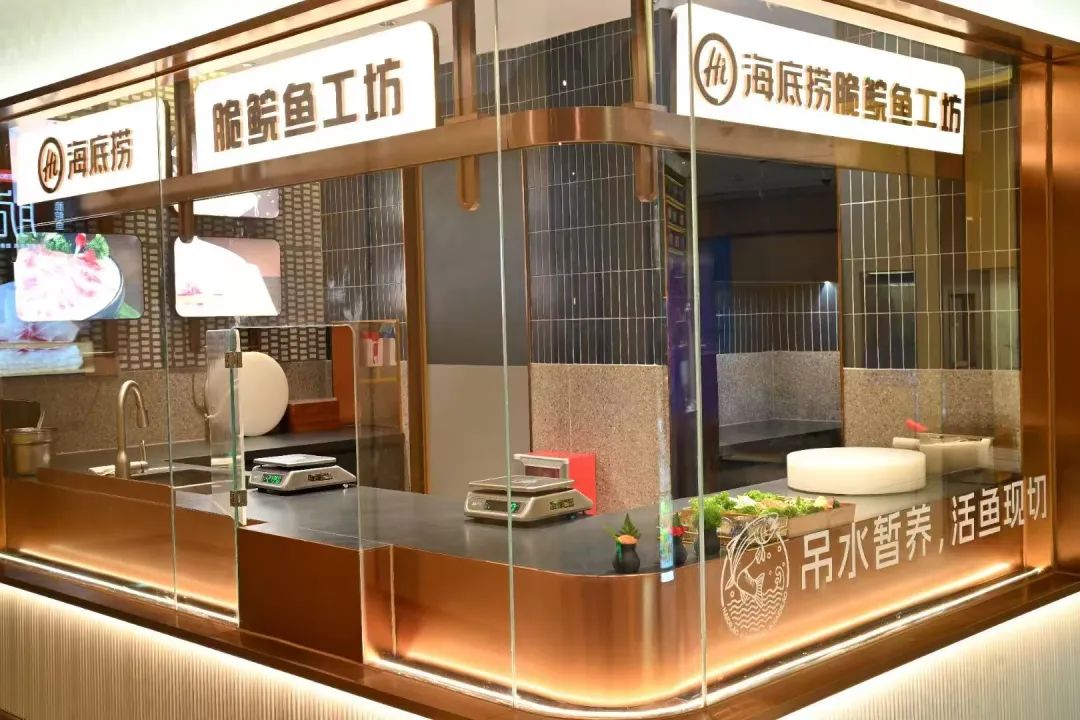
Core Insights - The restaurant industry in Beijing experienced significant revenue growth during the New Year holiday, with many establishments reporting long queues and high customer turnout [1][2][3] Group 1: Performance of Traditional Brands - Traditional brands like Huaitian Group's restaurants, including Tongheju and Tongchun Garden, saw strong demand, with revenue surpassing the previous year's figures during the holiday [2] - The restaurant near Shichahai, Gu Lou Ma Kai, reported over 10% revenue growth on New Year's Day, with all dining rooms fully booked [2] - Classic dishes such as Mao's Braised Pork and Dong'an Chicken were highly popular, leading to long queues at takeaway windows [2] Group 2: Popular Dining Spots - Popular dining areas like Guijie saw a 49% increase in customer traffic for Hu Da restaurant during the holiday, with an average wait time of about 4 hours [3] - The restaurant recorded over 4,800 tables of reservations on New Year's Day, indicating high demand [3] - Spicy cuisine, particularly from brands like Fei Dashi, also thrived, with peak wait times reaching 1,500 tables on New Year's Eve [3] Group 3: Nighttime Consumption Trends - Nighttime dining saw a notable increase, with Haidilao serving over 4.5 million customers nationwide during the holiday [6][10] - The late-night dining trend was particularly strong, with many restaurants experiencing peak hours extending into the early morning [6] - Other hotpot brands like Zizhu and Xiaobai also reported significant revenue growth, with Zizhu's total revenue exceeding 20 million yuan during the holiday [10] Group 4: Preparations for Upcoming Festivals - Many restaurants are now focusing on the upcoming Spring Festival, with traditional brands fully booked for New Year's Eve dinners [11] - Several brands have launched "home delivery" New Year's Eve meal boxes, with significant pre-orders already recorded [11] - The variety of meal boxes offered has expanded, catering to different family sizes and preferences, indicating a shift towards convenience in festive dining [11]


火锅巨头们狂卷“鲜切”主题店
3 6 Ke· 2025-06-12 08:30
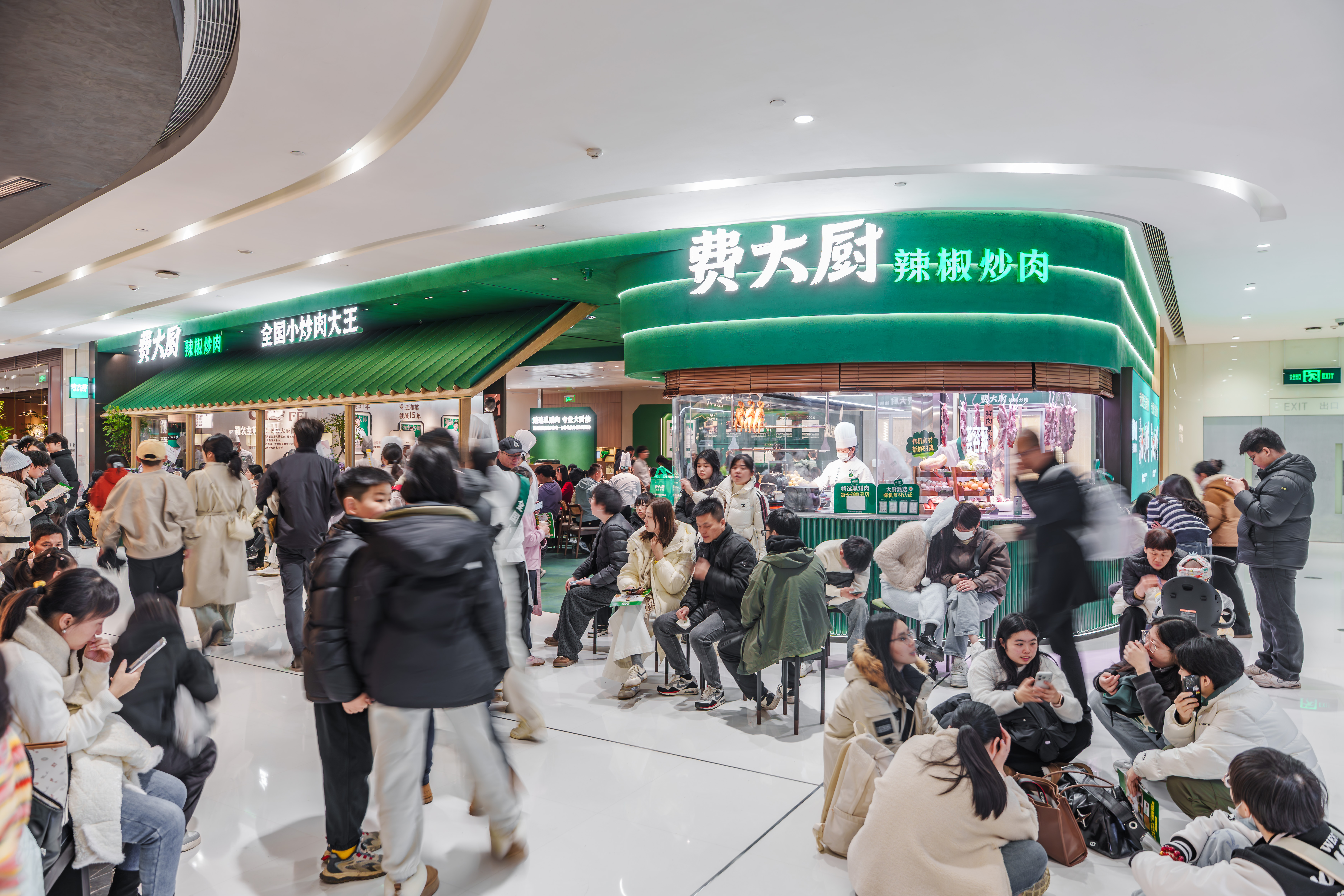
Core Viewpoint - Haidilao is innovating by launching themed restaurants, such as the new "Crispy Fish" concept in Guangzhou, to differentiate itself in a saturated market [1][2][4]. Group 1: Thematic Store Launches - Haidilao has opened a "Crispy Fish Fresh Cut Theme Store" in Guangzhou, marking a significant departure from its traditional offerings [2]. - The new store features a glass fish tank and a visible kitchen where chefs prepare dishes on-site, enhancing customer experience [2][11]. - The introduction of regional specialties like "Crispy Fish" from Zhongshan aims to expand the brand's reach beyond local markets [4][6]. Group 2: Market Trends and Challenges - The overall market growth for the hot pot industry is slowing, with a projected increase of only 5.6% in 2024 compared to 19.9% in 2023 [7]. - The number of hot pot restaurants peaked in November but has since declined, indicating a competitive and saturated market [7][9]. - Haidilao's strategy of localized menu adjustments and thematic innovations is a response to changing consumer demands and market conditions [10][13]. Group 3: Innovation and Differentiation - Haidilao's approach emphasizes fresh ingredients and regional flavors, with a focus on local supply chains to create unique offerings [9][10]. - The company has launched multiple themed stores across 24 cities, with a total of 42 fresh-cut kitchen theme stores, showcasing its commitment to innovation [6][12]. - Other brands in the industry, such as Banlu and Coucou, are also exploring unique offerings and localized themes to stand out in the competitive landscape [15][18]. Group 4: Future Directions - Haidilao plans to expand the successful "Crispy Fish" concept to more locations if the initial response is positive, indicating a potential nationwide rollout [4][12]. - The company is leveraging data and customer feedback to continuously adapt its menu and offerings, ensuring relevance in a dynamic market [10][13]. - The trend towards "fire pot +" models, integrating different dining experiences, is becoming more prevalent among major brands [19][20].