
唐装

Search documents
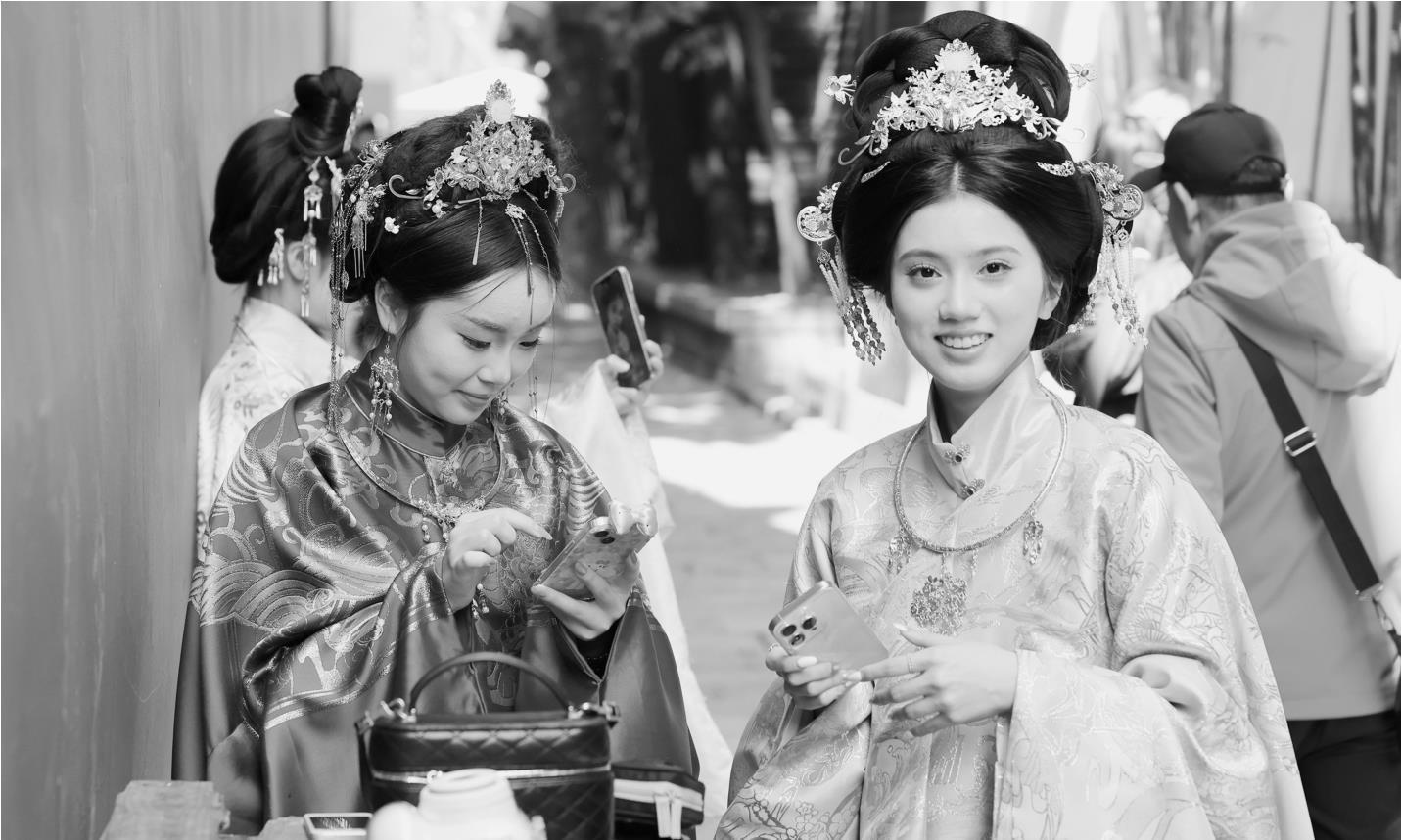
“穿”出来的国潮年味
Xin Lang Cai Jing· 2026-02-22 22:03
Group 1 - The article highlights the vibrant festive atmosphere in traditional districts of Fuzhou, such as Upper Xiang and Sanfang Qixiang, during the Spring Festival [3] - Tourists are seen wearing traditional attire like Hanfu and Tang suits, engaging in activities such as taking photos and participating in group tours [3] - Cultural performances, including Hanfu parades and Guochao dance flash mobs, are showcased, adding elegance and romance to the New Year celebrations [3]

恶意退货、“买真退假” 网购乱象怎么管?
Xin Lang Cai Jing· 2026-01-12 00:26
Core Viewpoint - The rise of malicious returns in e-commerce, particularly in the clothing sector, is causing significant challenges for merchants, leading to increased operational costs and potential losses [2][6][11] Group 1: Malicious Returns Impact on Merchants - Merchants are facing difficulties with malicious returns, where items are returned after being worn or damaged, leading to financial losses [3][6] - A case study highlighted a merchant who experienced a high return rate, with items returned after being used for performances, resulting in unsellable goods [3][4] - The operational costs associated with returns, including logistics and handling, are increasing, which could lead to price hikes for consumers or threaten the viability of small businesses [6][11] Group 2: Legal and Regulatory Framework - Current laws, including the Civil Code and the upcoming Consumer Rights Protection Law, emphasize the principle of good faith, aiming to prevent the abuse of return policies by consumers [8][14] - Legal experts suggest that consumers who exploit return policies for profit may face legal consequences, including compensation for damages [8][14] - There is a call for improved regulatory measures to balance consumer rights with merchant protections, potentially through a consumer credit system to identify repeat offenders [13][14] Group 3: Merchant Strategies to Combat Returns - Merchants are adopting strategies such as using oversized tags to deter consumers from trying on items and returning them, although this may affect customer experience [10][12] - The effectiveness of these measures is still under evaluation, as they may lead to reduced sales and increased costs for merchants [12][13] - Experts recommend that merchants document the condition of items before shipping to strengthen their position in disputes over returns [9][14]
国风国潮持续升温
Jing Ji Ri Bao· 2025-06-12 22:06
Core Insights - The rise of "Guofeng" (national style) and "Guochao" (national trend) among the younger generation, particularly the "post-00s," reflects their desire for cultural identity and personal expression [1][2] - The sales of Guofeng products have shown remarkable growth across various categories, including clothing, home decor, and cultural education items, indicating a strong market trend [1][2] Clothing Sector - The sales volume of Tang suits has increased by 291% year-on-year, making it the fastest-growing item [1] - Men's vests and middle-aged women's clothing have also seen growth exceeding 200%, highlighting the diverse offerings in Guochao apparel [1] - The rural market contributed 56.2% of the total sales volume, indicating the penetration of Guochao clothing into lower-tier markets [1] Home Decor Sector - Sales of home decor items featuring Guofeng elements, such as paper-cut lamps, vases, and hangings, have increased by over 10 times year-on-year [1] - Guochao home decor has become a popular choice for young people, serving as a medium for personal expression [1] - The highest consumption of Guochao home decor is observed in Guangdong, Beijing, and Sichuan provinces [1] Cultural Education Products - The sales volume of cultural education items like badges, gel pens, and ink pads has also surged by over 10 times year-on-year, symbolizing the cultural confidence of the "post-00s" [1] - Practical and culturally resonant products such as pencil cases, diaries, and DIY paper-cutting kits are particularly favored by young consumers [1][2] Market Outlook - The preference for practical and culturally significant products among rural users suggests continued growth in the Guofeng and Guochao market, especially with the expansion of e-commerce and logistics networks [2] - The consumption of Guofeng and Guochao products is expected to evolve from traditional clothing to encompass a wider range of consumer goods, becoming an integral part of daily life for young people [2]