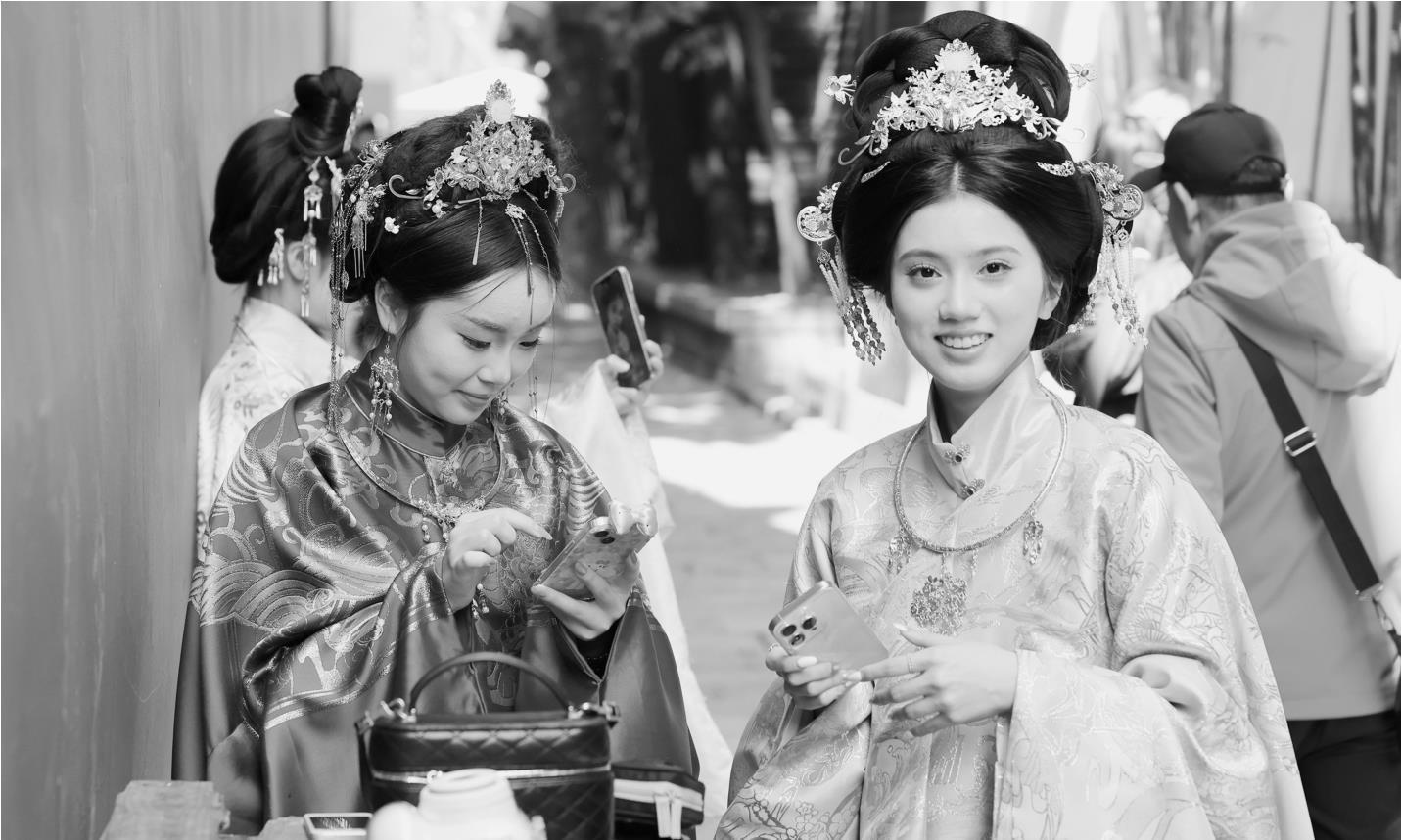
簪花

Search documents
“穿”出来的国潮年味
Xin Lang Cai Jing· 2026-02-22 22:03
Group 1 - The article highlights the vibrant festive atmosphere in traditional districts of Fuzhou, such as Upper Xiang and Sanfang Qixiang, during the Spring Festival [3] - Tourists are seen wearing traditional attire like Hanfu and Tang suits, engaging in activities such as taking photos and participating in group tours [3] - Cultural performances, including Hanfu parades and Guochao dance flash mobs, are showcased, adding elegance and romance to the New Year celebrations [3]

有预感,过年这5个行业,将大赚特赚
Sou Hu Cai Jing· 2026-02-08 08:05
Group 1 - The article highlights five lucrative sectors during the Chinese New Year, indicating that while some people feel financially constrained, there are opportunities for profit in various industries [1] - Traditional cultural activities, once considered outdated, have become popular during the Spring Festival, with performances like lion dances and folk dances being heavily booked by businesses and malls [3] - The demand for handmade items and experiences is rising, with consumers preferring to create their own decorations rather than purchasing ready-made products, reflecting a trend towards experiential consumption [4] Group 2 - Young consumers, particularly those born in the 1990s and 2000s, are increasingly willing to spend on cute and trendy decorations, which are affordable and visually appealing [6] - Simple interactive games for children, such as duck fishing, are generating significant revenue for vendors during the holiday season, with some earning thousands of yuan daily [6] - Street food sales have surged during the festival, with local delicacies and visually appealing snacks being particularly popular, indicating a shift towards experiential and visually engaging food options [8] Group 3 - The Chinese New Year is not only a peak consumption period but also a time for many to explore new income opportunities, suggesting a vibrant market for innovative business ideas [10]

86.4%受访青年感觉体验非遗的年轻人越来越多
Zhong Guo Qing Nian Bao· 2025-12-01 00:02
Core Insights - The increasing popularity of intangible cultural heritage (ICH) among young people is evident, with 86.4% of surveyed youth noting a rise in awareness and experience of ICH in their surroundings [1][3][10] - Young individuals are advocating for the integration of traditional culture with modern expressions, emphasizing the importance of maintaining cultural essence while innovating [5][9] Group 1: Youth Engagement with ICH - A significant 59.3% of surveyed youth suggest preserving the original cultural core while innovating the presentation forms of ICH [5][9] - The top three innovative forms attracting young people include ICH combined with street dance (59.8%), social games like script killing (57.5%), and cross-industry collaborations with beauty (56.3%) [3][5] - 45.4% of respondents recommend incorporating youth aesthetics to invigorate ICH [9] Group 2: Innovation and Modernization - The fourth-generation inheritor of sugar painting, Wang Qiyang, emphasizes the need for innovation in traditional crafts while retaining their original essence [4][5] - Wang has modified sugar painting techniques to cater to contemporary tastes, achieving a sweetness level that appeals to modern consumers [5] - 56.9% of surveyed youth suggest lowering the learning threshold for traditional skills to make them more accessible [5] Group 3: Integration into Daily Life - 52.2% of respondents express a desire for ICH to be naturally integrated into daily life scenarios [5] - There is a call for local cultural tourism departments to focus on unique local ICH characteristics to create distinctive IPs that attract visitors [8] - The importance of creating usable products from ICH elements, such as canvas bags featuring traditional patterns, is highlighted as a way to enhance everyday engagement with ICH [6][7]
到2027年,我国将形成3个万亿级消费领域
Ren Min Wang· 2025-11-28 06:42
Core Viewpoint - The implementation plan aims to enhance the adaptability of supply and demand in consumer goods, targeting significant optimization of the supply structure by 2027, with the formation of three trillion-level consumption fields and ten hundred-billion-level consumption hotspots [1][2]. Group 1: Key Consumption Fields - The three trillion-level consumption fields identified include elderly products, smart connected vehicles, and consumer electronics [4]. - The elderly products market is projected to grow from 2.6 trillion yuan in 2014 to 5.4 trillion yuan by 2024, with a compound annual growth rate of 7.3%, highlighting the importance of the silver economy [4]. Group 2: Emerging Consumption Hotspots - The ten hundred-billion-level consumption hotspots encompass baby products, smart wearable devices, cosmetics, fitness equipment, outdoor products, pet food, civilian drones, trendy toys, jewelry, and national trend clothing, all showing strong growth momentum and development potential [4]. - The rise of health-conscious living and the concept of national fitness have led to increased demand for outdoor products and fitness equipment, while the IP economy aligns with the consumption preferences of younger demographics, driving the popularity of trendy toy products globally [4]. Group 3: Strategic Focus - The plan emphasizes supply-side structural reforms, accelerating brand leadership, standard upgrades, and the application of new technologies to stimulate the multiplier effect and structural dividends of China's vast domestic market [1][3]. - The multi-faceted and layered approach to consumption hotspots is expected to significantly enhance the resilience and vitality of the domestic consumption market, providing solid support for the construction of a new development pattern [3].
“3个万亿级和10个千亿级消费热点” 有哪些,工信部回应
2 1 Shi Ji Jing Ji Bao Dao· 2025-11-27 06:42
Core Insights - The document outlines a plan to enhance the adaptability of supply and demand in consumer goods, aiming for significant structural optimization by 2027, with the creation of three trillion-level consumption sectors and ten hundred-billion-level consumption hotspots [1][5]. Group 1: Trillion-Level Consumption Sectors - The three trillion-level consumption sectors identified include elderly products, smart connected vehicles, and consumer electronics, reflecting a comprehensive assessment of consumption trends, industrial foundations, and technological changes [1][2]. Group 2: Hundred-Billion-Level Consumption Hotspots - The ten hundred-billion-level consumption hotspots encompass baby and children's products, smart wearable devices, cosmetics, fitness equipment, outdoor products, pet food and supplies, civilian drones, trendy toys, jewelry, and national trend clothing, all showing strong growth momentum and significant development potential [2][4]. Group 3: Market Dynamics and Growth Potential - The elderly products market is projected to grow from 2.6 trillion yuan in 2014 to 5.4 trillion yuan by 2024, with a compound annual growth rate of 7.3%, highlighting the importance of the silver economy [1][2]. - The implementation plan aims to stimulate the domestic consumption market's resilience and vitality, potentially generating several trillion yuan in new consumption markets by 2027 through supply-side structural reforms [5]. - The strategy includes optimizing existing products by enhancing quality and cultural elements, as well as creating new products and services to meet emerging consumer needs, such as smart home ecosystems and solutions for the elderly [5].
“3个万亿级和10个千亿级消费热点” 有哪些,工信部回应
21世纪经济报道· 2025-11-27 06:34
Core Viewpoint - The article discusses a joint implementation plan by several Chinese government departments aimed at enhancing the adaptability of consumer goods supply and demand, with a target to optimize the supply structure by 2027, creating three trillion-level consumption sectors and ten hundred-billion-level consumption hotspots [1][2]. Group 1: Trillion-Level Consumption Sectors - The three trillion-level consumption sectors identified include elderly products, smart connected vehicles, and consumer electronics, reflecting a comprehensive assessment of consumption trends, industrial foundations, and technological changes [1]. - The market for elderly products is projected to grow from 2.6 trillion yuan in 2014 to 5.4 trillion yuan by 2024, with a compound annual growth rate of 7.3%, highlighting the significance of the silver economy [1]. Group 2: Hundred-Billion-Level Consumption Hotspots - The ten hundred-billion-level consumption hotspots encompass baby and children’s products, smart wearable devices, cosmetics, fitness equipment, outdoor products, pet food and supplies, civilian drones, trendy toys, jewelry, and national trend clothing, all showing strong growth momentum and development potential [2]. - The rise of health-conscious lifestyles and the concept of national fitness have led to increased demand for outdoor products and fitness equipment, while the IP economy aligns with the consumption preferences of younger demographics, driving the popularity of trendy toy products globally [2][4]. Group 3: Implementation Strategy - The implementation plan focuses on supply-side structural reforms, accelerating brand leadership, standard upgrades, and the application of new technologies, aiming to stimulate the multiplier effect and structural dividends of China's vast domestic market, potentially generating trillions of yuan in new consumption markets by 2027 [4]. - The strategy includes both "stock optimization" through enhancing product quality and cultural content, and "incremental creation" by developing new products and services tailored to emerging demographics and needs, such as smart home ecosystems and solutions for the elderly economy [4].

工信部回应:“3个万亿级和10个千亿级消费热点” 有哪些?
2 1 Shi Ji Jing Ji Bao Dao· 2025-11-27 04:31
Core Insights - The implementation plan aims to enhance the adaptability of supply and demand in consumer goods, targeting significant optimization of the supply structure by 2027, with the goal of creating three trillion-level consumption sectors and ten hundred-billion-level consumption hotspots [1][4]. Group 1: Trillion-Level Consumption Sectors - The three trillion-level consumption sectors identified include elderly products, intelligent connected vehicles, and consumer electronics, reflecting a comprehensive assessment of consumption trends, industrial foundations, and technological changes [1][2]. - The elderly products market is projected to grow from 2.6 trillion yuan in 2014 to 5.4 trillion yuan by 2024, with a compound annual growth rate of 7.3%, highlighting the importance of the silver economy [1]. Group 2: Hundred-Billion-Level Consumption Hotspots - The ten hundred-billion-level consumption hotspots encompass baby and children's products, smart wearable devices, cosmetics, fitness equipment, outdoor products, pet food and supplies, civilian drones, trendy toys, jewelry, and national trend clothing, all showing strong growth momentum and significant development potential [2][4]. - The rise of health-conscious lifestyles and the concept of national fitness have led to increased demand for outdoor products and fitness equipment, while the IP economy aligns with the consumption preferences of younger demographics, driving the popularity of trendy products globally [4]. Group 3: Market Dynamics and Growth Opportunities - The implementation plan focuses on supply-side structural reforms, accelerating brand leadership, standard upgrades, and the application of new technologies, which are expected to stimulate the multiplier effect and structural dividends of China's vast domestic market, potentially generating trillions of yuan in new consumption markets by 2027 [4][5]. - There are two main growth avenues: "stock optimization" through enhancing product quality and cultural elements, and "incremental creation" by developing new products and services tailored to emerging demographics and needs, such as smart home ecosystems and solutions for the elderly [5].
哪些重点领域在2027年有望形成万亿元规模?工信部回应
Xin Jing Bao· 2025-11-27 03:52
Core Insights - The implementation plan aims to enhance the adaptability of supply and demand in consumer goods, focusing on supply-side structural reforms to stimulate China's vast domestic market, potentially creating a new consumption market worth trillions by 2027 [1][2] Group 1: Key Areas of Focus - The plan emphasizes "stock optimization" through improved product quality, cultural enrichment, and the integration of smart and green elements, leading to a "value leap" in traditional consumer goods [1] - Examples of successful domestic products include Hanfu, floral hairpins, national style cosmetics, and "new Chinese-style" home decor, which have gained popularity both domestically and internationally [1] Group 2: Growth Projections - By 2027, the plan targets the formation of three trillion-level consumption sectors and ten billion-level consumption hotspots, based on comprehensive assessments of consumption trends, industrial foundations, and technological changes [2] - Trillion-level consumption sectors include elderly products, smart connected vehicles, and consumer electronics, with the elderly products market projected to grow from 2.6 trillion in 2014 to 5.4 trillion by 2024, reflecting a compound annual growth rate of 7.3% [2] - Billion-level consumption hotspots encompass baby products, smart wearable devices, cosmetics, fitness equipment, outdoor products, pet supplies, civilian drones, trendy toys, jewelry, and national trend clothing, showcasing strong growth momentum and development potential [2]
2025“水韵江苏·家门口享非遗”遍访江苏十三城
Xin Hua Ri Bao· 2025-11-17 23:29
Core Viewpoint - The "Water Rhythm Jiangsu: Enjoying Intangible Cultural Heritage at Your Doorstep" event aims to promote local intangible cultural heritage (ICH) by making it accessible and engaging for the public, enhancing cultural consumption and community interaction [1][2][3] Group 1: Event Highlights - The event features a variety of local ICH projects, including traditional crafts and foods, showcased through static exhibitions, live demonstrations, performances, and market experiences [1][2] - Notable interactions include young participants engaging with ICH artisans, such as a girl learning to make traditional clay figurines, highlighting the significance of hands-on experiences [1] - The event has successfully attracted younger audiences, who are not only consumers but also innovators, as seen with a young artisan promoting a traditional pastry through modern design [2] Group 2: Economic Impact - The event has generated over 3 million yuan in sales from ICH markets, contributing to a total local sales boost of approximately 200 million yuan [3] - It has facilitated nearly 400 regular ICH activities across various regions, integrating ICH into modern life and meeting the growing cultural consumption demands of the public [3] - The provincial cultural and tourism department emphasizes the importance of resource integration and new scene creation to enhance public engagement with ICH [3]
多省非遗汇聚武汉:“老技艺”变身“新时尚”
Zhong Guo Xin Wen Wang· 2025-09-14 06:23
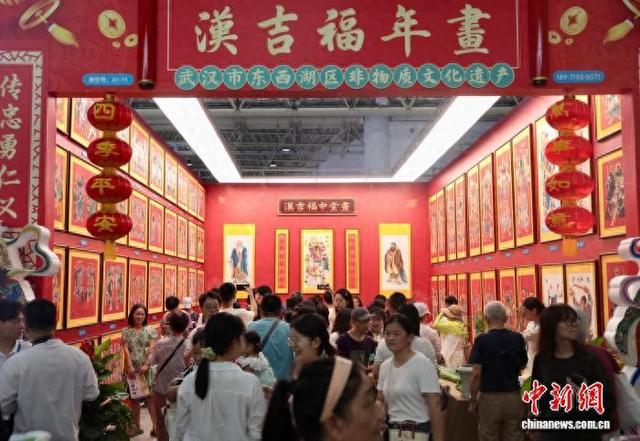
Core Insights - The 2025 China Cultural Tourism Industry Expo was held in Wuhan from September 12 to 14, showcasing various intangible cultural heritage (ICH) items, which became a highlight of the event [1]. Group 1: Event Overview - The expo featured vibrant displays of Hanji Fu New Year paintings, characterized by bright colors and a blend of traditional and modern aesthetics, attracting significant visitor interest [1]. - The event included various ICH exhibits from different provinces, such as Han embroidery and creative products like "cloth tigers" and "mud dogs" from Henan, appealing to younger audiences [3][5]. Group 2: Cultural Heritage Highlights - The Hanji Fu New Year painting technique has a history dating back to the Qing Dynasty and has been passed down for over a century, showcasing innovation by incorporating fashionable elements into traditional designs [3]. - The Shandong exhibition featured the ancient "Luban Lock," which has been recognized as a provincial intangible cultural heritage item, allowing visitors to engage with its historical significance through interactive experiences [5]. Group 3: Interactive Experiences - The expo included a special "Non-Heritage Cultural Creative Goods Warehouse" focusing on various non-heritage creative brands, offering hands-on activities such as traditional incense making and lacquer gourd crafting, enhancing visitor engagement with ICH [7].