四大家鱼

Search documents
“巩固好已经取得的成果”
Ren Min Ri Bao· 2025-11-27 22:30
Core Points - The article emphasizes the importance of the Yangtze River's ten-year fishing ban, which aims to restore the river's ecological balance and biodiversity, marking a significant shift in the relationship between humans and nature [2][14][18] - The ban has led to a notable recovery of aquatic species, including an increase in the population of the Yangtze River dolphin and other native fish species, indicating positive ecological changes [3][4][11] - The article highlights the socioeconomic impact of the fishing ban on local fishermen, who have transitioned to alternative livelihoods, supported by government policies and training programs [7][9][10] Summary by Sections Ecological Recovery - The Yangtze River's biodiversity has improved significantly, with the population of the Yangtze dolphin increasing to 1,249 in 2022, up by 237 from 2017 [3] - Key species such as the Yangtze sturgeon and other native fish have shown signs of recovery, with the population of the Yangtze knife fish increasing to four times its pre-ban levels [4] - The aquatic biological integrity index has improved, with the Yangtze River and Poyang Lake moving up two levels from the "no fish" status [4] Habitat Restoration - Efforts to restore aquatic habitats have included the removal of 342 small hydropower stations on the Chishui River, enhancing water connectivity [5] - The introduction of natural restoration concepts aims to create diverse habitats for various fish species, improving their breeding conditions [5] Species Protection - The article discusses the ongoing efforts to protect endangered species through artificial breeding and release programs, with over 1 million Chinese sturgeons released in recent years [6] - The focus on full lifecycle protection of species is crucial for restoring aquatic ecosystems [6] Socioeconomic Transition - The fishing ban has affected 231,000 fishermen, prompting government initiatives to ensure their transition to new livelihoods, such as eco-tourism and aquaculture [7][9] - Training programs and financial support have been implemented to assist fishermen in adapting to new economic activities, with some achieving significant income from crab farming [9][10] Policy and Enforcement - The article highlights the need for strict enforcement against illegal fishing activities, as the ban's success faces challenges from poaching [12][13] - Future policies will focus on enhancing biodiversity monitoring and implementing targeted ecological management strategies [14][18]
“假日经济”驱动,苏州市场水产品供销两旺
Su Zhou Ri Bao· 2025-10-04 00:45
Group 1 - The "holiday economy" has significantly boosted the sales of aquatic products such as fish, shrimp, and crabs, with a notable increase in consumer enthusiasm despite slight price rises [1] - Market data indicates that since October 1, the average daily trading volume of aquatic products has stabilized at around 1,300 tons, representing an over 20% increase compared to the same period last year [1] - High-end seafood, including king crabs and lobsters, is experiencing booming sales, driven by rising consumer demand for high-quality and nutritious food [1] Group 2 - The supply of crabs at the South Ring Bridge market is expected to reach 150 tons today, doubling the daily supply before the holiday [2] - The most popular crab sizes are 3 taels for female crabs and 4 taels for male crabs, with stable prices despite increased sales [2] - The wholesale price for 3 to 3.5 tael female crabs is approximately 150 yuan per kilogram, while 4 to 4.5 tael male crabs are priced at 101 yuan per kilogram [2]
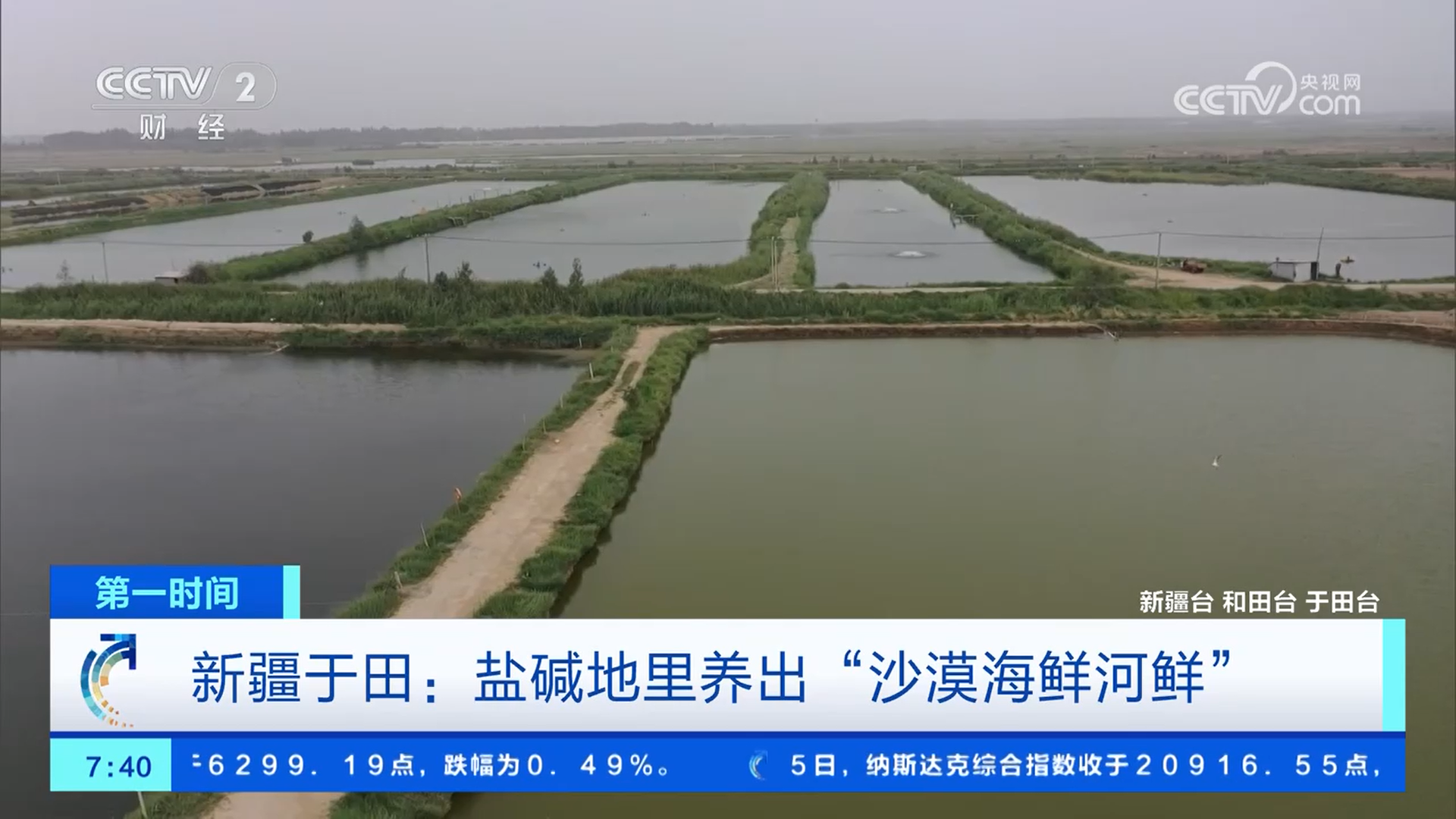
盐碱地里养海鲜 柳树林下养金蝉 因地制宜、科学种养助增收
Yang Shi Wang· 2025-08-06 03:28
Group 1 - The innovative "seafood river fresh land farming" model in Yutian County, Xinjiang, allows local residents to consume seafood and river products cultivated in saline-alkali land [1] - The aquaculture base in Yutian County is located in the core area of a 100,000-acre saline-alkali land management project and is the largest aquatic production base in the Hotan region, producing over 800 tons of four major fish species, 15 tons of South American white shrimp, and 10 tons of Chinese mitten crabs annually through technical cooperation with research institutions [3] Group 2 - The peak season for cicada harvesting is currently underway in Anqiu City, Shandong, where thousands of cicadas are served daily in local restaurants, primarily sourced from artificial breeding [4] - In a cicada breeding base in Huiqu Town, Anqiu City, cicadas emerge from the soil at night and climb trees, showcasing a unique breeding environment [6] - The harvested cicadas are cleaned, frozen, and sold at approximately one yuan each to nearby restaurants or shipped to buyers outside the region, with the cicada farming integrated with vegetable cultivation to achieve dual income [8]