
土特产品

Search documents
发展壮大县域富民产业
Xin Lang Cai Jing· 2026-02-13 22:47
Core Viewpoint - The development of county-level wealth-generating industries is essential for increasing farmers' income and revitalizing rural areas, focusing on local specialties to create a diverse industrial ecosystem that benefits the local population [1][2]. Group 1: County-Level Economic Importance - Counties occupy approximately 90% of China's land area and contribute nearly 40% to the national economic scale with about 52% of the population [2]. - By the end of 2025, various agricultural departments plan to support the establishment of 260 characteristic industrial clusters, 400 modern agricultural parks, and 1,909 strong agricultural towns [2]. Group 2: Characteristics of County-Level Wealth-Generating Industries - The government plays a leading role in guiding industry registration and layout, promoting orderly and differentiated development [3]. - A complete industrial chain has been established, focusing on the entire process from research and development to sales, creating a "farm to table" ecosystem [3]. - Farmers' participation is emphasized through the establishment of wealth-generating industry unions, allowing them to engage in various stages of the industrial chain [3]. Group 3: Challenges and Solutions - Current challenges include small, scattered, and weak industrial organizations, short value chains, and inadequate benefit-sharing mechanisms [3]. - Strategies to address these issues include transforming from "small and weak" to "large and strong" organizations, shifting from "selling raw materials" to "selling products," and enhancing benefit connections [3][4]. Group 4: Extending the Industrial Chain - There is a push to guide capital into rural areas, promoting modern family farms and cooperatives, and extending industries into high-value-added sectors like deep processing and brand marketing [4]. - The integration of county-level leading enterprises with agricultural departments aims to strengthen weak points in the industrial chain and enhance product value [4]. Group 5: Strengthening Benefit Connections - The role of county-level leading enterprises is crucial, with increased support for cooperative enterprises in terms of land, loans, and taxes [4]. - Various benefit-sharing models, such as guaranteed returns and profit-sharing, are promoted to ensure farmers benefit from high-value-added processes [4].
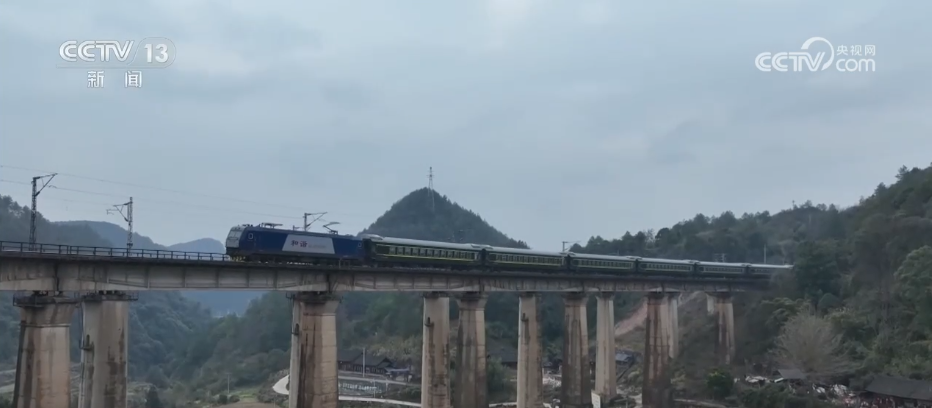
串联百余个少数民族村寨 “幸福慢车”满载“烟火气”跑出乡村振兴新活力
Yang Shi Wang· 2026-02-09 07:06
Group 1 - The core idea of the news is the operation of the "New Year Goods Market" on the slow train, which facilitates local villagers in selling their agricultural products and handicrafts to urban passengers during the Spring Festival [1][9][12] - The 5640 slow train operates daily from Guiyang to Tongren, connecting over 100 ethnic minority villages along the route, serving as a convenient transportation option for villagers [5][12] - The upgraded theme carriage "Lively Chinese New Year · Tasting Qiandongnan" features local products such as vegetables, poultry, and handicrafts, enhancing the festive atmosphere for passengers [9][12] Group 2 - Since its inception in 1997, the 5640 and 5639 trains have provided a vital transportation service for villagers, with an increasing number of villagers utilizing the train to sell goods since 2019 [12] - The initiative of transforming the train into a "mobile market" has gained popularity, allowing villagers to conveniently travel and sell their products while also enjoying cultural performances during the journey [9][12]

郴州市苏仙区良田镇毛古子土特产店(个体工商户)成立 注册资本10万人民币
Sou Hu Cai Jing· 2025-10-17 05:47
Core Points - A new individual business named Mao Guzi Specialty Store has been established in Liangtian Town, Suxian District, Chenzhou City, with a registered capital of 100,000 RMB [1] - The legal representative of the store is Liao Ping, and its business scope includes food production, food sales, and online food sales [1] - The store is also involved in the initial processing of edible agricultural products, sales of agricultural and sideline products, and general internet sales, excluding items that require special permits [1]
第四届江苏对口支援协作合作地区特色商品交易会开幕
Xin Hua Ri Bao· 2025-09-26 21:15
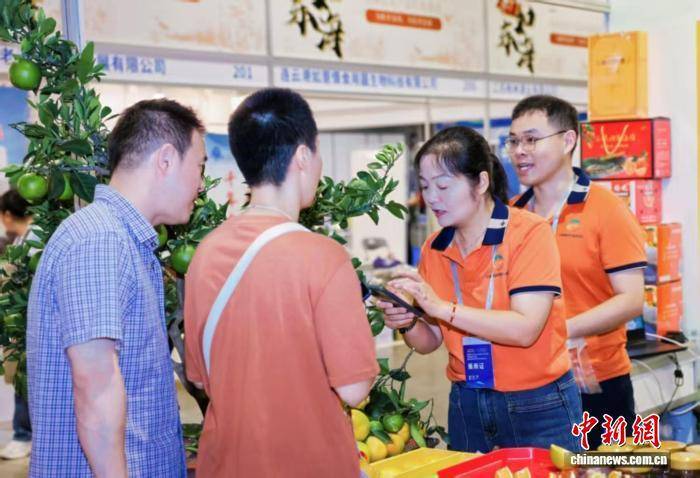
Core Points - The "Fourth Jiangsu Support Cooperation Regional Specialty Product Trade Fair and Regional Cooperation Assistance Special Docking Event" opened in Nanjing on September 26, focusing on "Collaborative Win-Win Development and Consumer Empowerment for Revitalization" [1] - The event was hosted by Suhao Holding Group and attracted over 200 enterprises from 15 provinces and cities, including regions supported by Jiangsu, showcasing a break in inter-provincial pairing relationships for market-oriented consumer assistance [1] - More than 2,000 categories of products were exhibited, including local specialties, green food, and leisure food [1] - Over 1,000 professional buyers from various sectors, including agricultural markets, supermarkets, e-commerce, and state-owned enterprises, attended the event for negotiations [1] - During the production and sales docking meeting, participating enterprises from Tibet, Qinghai, Xinjiang, and Shaanxi signed contracts with Jiangsu purchasing companies, exceeding 130 million yuan [1]
江苏对口支援协作合作地区特色商品交易会开幕
Sou Hu Cai Jing· 2025-09-26 15:01
Core Points - The fourth Jiangsu counterpart support cooperation regional characteristic commodity trade fair opened in Nanjing, focusing on "collaboration for development and consumption empowerment for revitalization" [1] - The event aims to implement the National Development and Reform Commission's "2025 Consumption Assistance Autumn Action" and the Ministry of Agriculture and Rural Affairs' initiatives for promoting consumption, employment, and rural cultural tourism integration [1] Group 1 - The fair gathered over 200 enterprises from 15 provinces, including key regions like Tibet, Xinjiang, Qinghai, and Shaanxi, breaking previous limitations on East-West cooperation [3] - The exhibition featured over 2,000 categories of products, including specialty products, green food, leisure food, beverages, fresh fruits, and dairy products [3] - The event served as a platform for trade and cultural exchange between Jiangsu and counterpart regions, with over 1,000 professional purchasing units from Jiangsu attending [3] Group 2 - During the production and sales matchmaking session, enterprises from Tibet, Qinghai, Xinjiang, and Shaanxi signed contracts worth over 130 million yuan with Jiangsu purchasing companies [3] - The fair included performances showcasing local culture, such as Qinghai's Zha Mu Nieqin singing and Xinjiang's ethnic dance, attracting many visitors [3] - Special zones were set up to display unique professional skills, and live-streaming promotions were conducted to help local products enter the Jiangsu market [4]
抓住“凉资源” 带火“热”经济 夏日经济活力持续释放
Yang Shi Wang· 2025-07-08 07:57
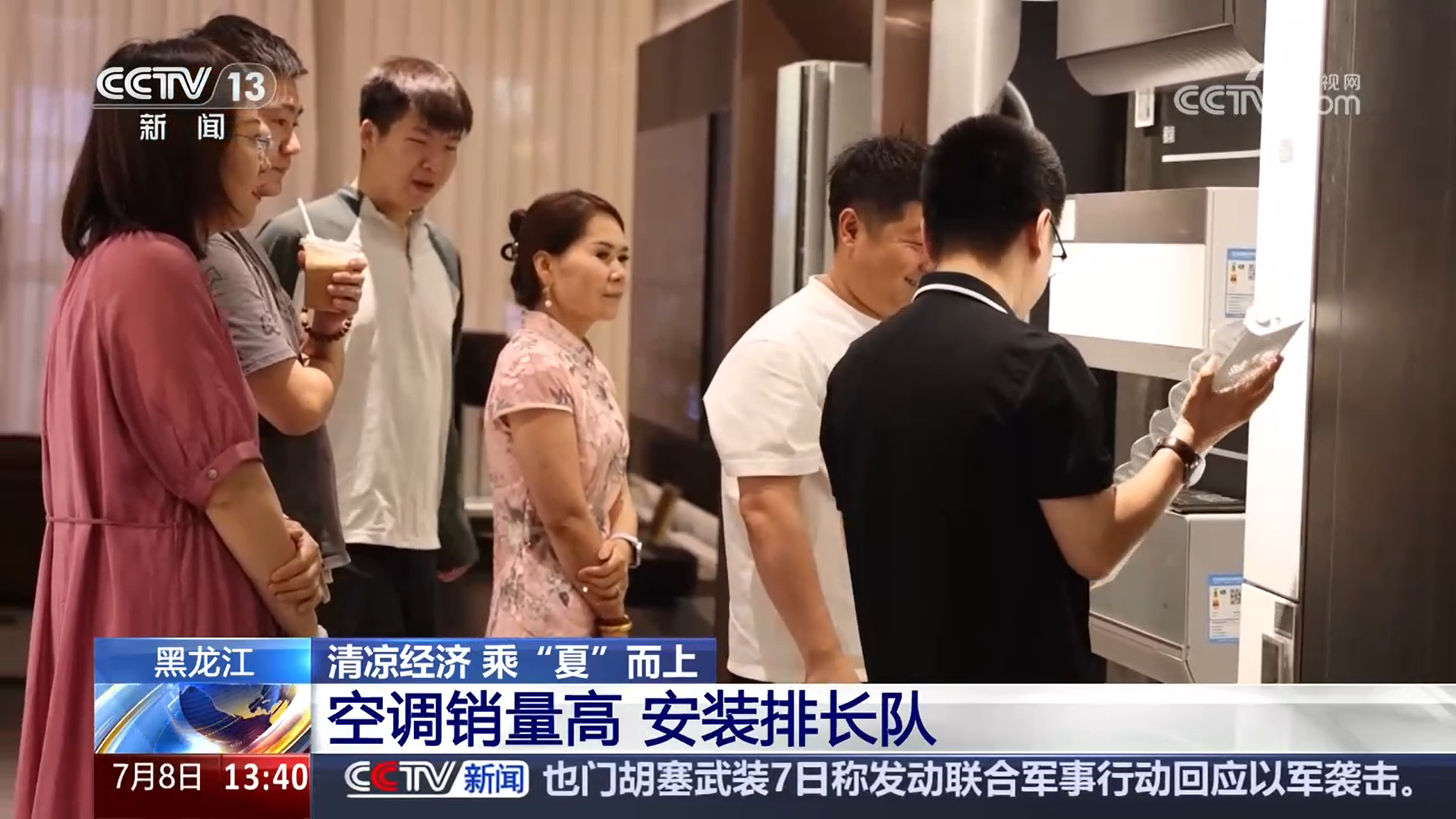
Group 1 - The sales of cooling products are rapidly increasing due to high summer temperatures, contributing to the vitality of the summer economy [1] - In Harbin, Heilongjiang Province, air conditioner sales have surged, with installation services experiencing long wait times, extending to the end of July [2][4] - The ice production facility in Bengbu, Anhui, is operating at full capacity, producing approximately 70 tons of ice daily to meet the increased demand during the heatwave [5][7] Group 2 - The "cooling economy" in Hunan is thriving as temperatures approach 40°C, stimulating local consumption [8] - Indoor ice-themed amusement parks in Hunan have become popular summer destinations, attracting visitors with unique experiences [10] - In Xiaotang Village, Hunan, the average summer temperature is only 26°C, drawing tourists and boosting local economic activities through various businesses [12]
农产品直播,“上新”更要上心
Zhong Guo Jing Ji Wang· 2025-03-16 22:49
Core Viewpoint - The article highlights the challenges and opportunities in the live-streaming e-commerce sector for agricultural products, emphasizing the need for regulatory measures and industry standards to protect consumer rights and enhance product quality [1][2]. Group 1: Industry Challenges - Consumers have reported issues with products purchased through live-streaming, including discrepancies between product descriptions and actual items received, lack of essential labeling, and damage during transportation [1]. - The current state of the industry is characterized by disorder, necessitating a shift away from "wild growth" towards a more regulated market environment [1]. Group 2: Regulatory Measures - The National Market Supervision Administration plans to establish regulatory guidelines for live-streaming e-commerce, focusing on long-term mechanisms to standardize trading behaviors and enhance product quality [1]. - Measures such as special inspections and strict penalties for false advertising are intended to maintain fair competition and improve the quality of online products, including local specialties [1]. Group 3: Industry Development Strategies - There is a push for the integration of traditional agricultural bases with live-streaming e-commerce and digital technology to create a smart e-commerce industry chain [2]. - Suggestions include extending the agricultural product supply chain and enhancing product value through better production systems and regional branding [2]. Group 4: Talent Development - The live-streaming sector requires more trained hosts who understand agricultural products, marketing, and regulations, with ongoing training initiatives being implemented to cultivate a skilled workforce [2]. - The government's focus on enhancing the "local specialty" narrative aims to empower the live-streaming e-commerce industry, thereby broadening income channels for farmers and supporting rural revitalization [2].
