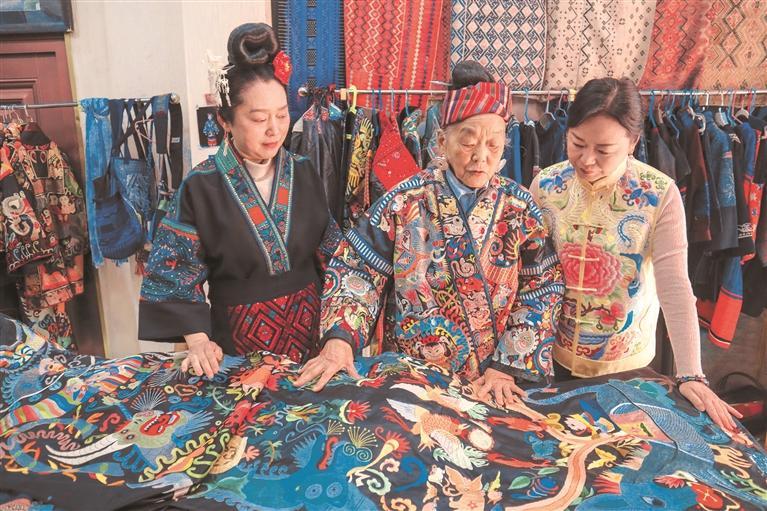
苗绣

Search documents
新春走基层|十八洞“长大”了
Xin Lang Cai Jing· 2026-02-23 06:21
Core Insights - The article discusses the development and collaborative efforts of the "Shibadong" area in Hunan Province, focusing on the implementation of the "Shibadong Rural Revitalization Plan (2023-2035)" which aims for integrated development among the villages in the region [1][4]. Group 1: Development Plans - The "Shibadong" area has seen significant growth, with a new revitalization plan that emphasizes integrated development among Shibadong village and its neighboring villages [1]. - The plan encourages resource sharing and collaborative industrial growth among the villages, aiming for a comprehensive approach to rural revitalization [1][4]. Group 2: Collaborative Efforts - Village leaders emphasize the importance of cooperation for mutual benefit, with initiatives to enhance tourism and cultural heritage as key strategies for economic development [2][3]. - The establishment of a non-material cultural heritage exhibition team and plans for new facilities like performance squares and parking lots are part of the strategy to attract visitors and enhance local culture [3]. Group 3: Industry Development - The article highlights the development of the Miao embroidery industry, which has gained new operational space and automated production capabilities, indicating a positive outlook for the industry [3]. - The focus on "one village, one product" and complementary industries is crucial for the overall economic strategy of the region, as discussed by various village leaders [4]. Group 4: Community Engagement - The article notes the community's active participation in cultural activities, such as the Miao New Year celebrations, which foster unity and collective aspirations for prosperity [4]. - The emphasis on not leaving anyone behind in the pursuit of common prosperity reflects the commitment to inclusive growth in the region [4].
十八洞“长大”了(新春走基层)
Ren Min Ri Bao· 2026-02-23 05:33
Core Insights - The article discusses the development and collaborative efforts in the rural revitalization of the Shibadong area, highlighting the integration of resources and industries among neighboring villages [1][2][4]. Group 1: Development Plans - The "Shibadong Rural Revitalization Plan (2023-2035)" has been introduced, focusing on integrated development among Shibadong Village and its surrounding villages [1]. - The plan emphasizes resource sharing, joint planning, and mutual industrial growth among the five merged villages [1]. Group 2: Collaborative Efforts - The local leaders emphasize the importance of cooperation for mutual benefits, with a focus on enhancing tourism and cultural heritage [2][3]. - The establishment of a non-material cultural heritage exhibition team and the development of night courses are part of the strategy to attract visitors and generate income [3]. Group 3: Industry Development - The article mentions the establishment of a new base for the Miao embroidery industry, which is expected to enhance production capabilities and market reach [3]. - The integration of various industries, such as tourism and cultural heritage, is seen as a way to create a more sustainable economic model for the region [4]. Group 4: Community Engagement - The article highlights community activities, such as the Miao New Year celebration, which fosters unity and collaboration among the villages [4]. - The leaders express a commitment to ensuring that no village is left behind in the pursuit of common prosperity [4].
人民日报头版关注 | 十八洞“长大”了(新春走基层)
Xin Lang Cai Jing· 2026-02-23 05:20
Group 1 - The core focus of the article is on the collaborative efforts of the villages in the十八洞 area to achieve comprehensive rural revitalization through integrated development and resource sharing [2][4] - The 2023-2035 revitalization plan for the十八洞 area emphasizes the need for regional cooperation and mutual prosperity among the eight villages, which have been consolidated into five [2] - The local leaders are actively discussing strategies to enhance tourism and cultural heritage, with initiatives such as developing night courses and building performance squares to leverage unique local resources [3] Group 2 - The article highlights the importance of tailored strategies for each village, focusing on their unique strengths while promoting collective growth [4] - The establishment of new production facilities, such as the苗绣 industry base, is seen as a significant step towards expanding economic opportunities and enhancing local industries [3] - The community is engaged in cultural activities, such as the苗年 festival, which fosters unity and collective aspirations for a prosperous future [4]

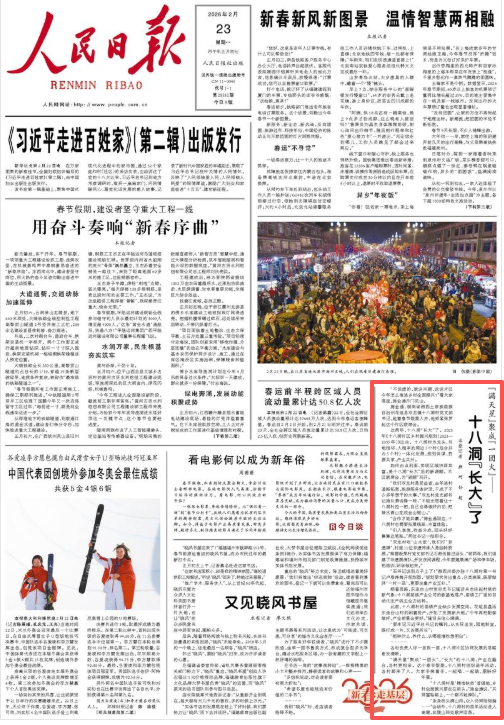
“满天星”聚成“一团火”——十八洞“长大”了
Ren Min Ri Bao· 2026-02-23 02:11
Core Insights - The article discusses the development and collaborative efforts in the rural revitalization of the Shibadong area in Hunan Province, emphasizing the integration of resources and industries among neighboring villages [1][2][4]. Group 1: Development Plans - The "Shibadong Area Rural Revitalization Plan (2023-2035)" has been introduced, focusing on integrated development among Shibadong Village and its surrounding villages [1]. - The plan aims for resource sharing and collaborative growth, with Shibadong Village as the leading entity [1]. Group 2: Collaborative Efforts - The area is focusing on achieving regional coordinated development, with village leaders discussing strategies to enhance local industries and tourism [2]. - There is a strong emphasis on cooperation among villages to ensure mutual benefits, with each village encouraged to develop its unique strengths [2][3]. Group 3: Industry Development - The introduction of new facilities, such as a performance square and parking lot for cultural exhibitions, is planned to enhance local tourism and cultural heritage [3]. - The establishment of a new base for the Miao embroidery industry is expected to boost local production and economic prospects [3]. Group 4: Community Engagement - The article highlights community activities, such as the Miao New Year celebration, which fosters unity and collaboration among the villages [4]. - The leaders express a commitment to ensuring that no village is left behind in the pursuit of common prosperity [4].
新春走基层丨“满天星”聚成“一团火” 十八洞“长大”了
Ren Min Ri Bao· 2026-02-23 00:19
Core Insights - The article discusses the development and collaborative efforts in the rural revitalization of the Shibadong area, led by the Shibadong Village and its surrounding communities, focusing on integrated growth and resource sharing [1][2]. Group 1: Development Plans - The "Shibadong Rural Revitalization Plan (2023-2035)" has been introduced, aiming for integrated development among Shibadong Village and its neighboring villages [1]. - The plan emphasizes collaboration, resource sharing, and mutual growth among the villages, with Shibadong Village as the leading entity [1]. Group 2: Collaborative Efforts - The local leaders are focused on achieving regional cooperation for shared prosperity, with discussions on enhancing tourism and local resources [2]. - The integration of local cultural heritage, such as the "non-heritage" initiatives, is seen as a unique resource for attracting visitors and generating income [3]. Group 3: Industry Development - The establishment of new facilities, such as the embroidery production line in the Miaoxiu industry, is expected to enhance local economic prospects [3]. - The focus on "one village, one product" and complementary industries is highlighted as a strategy for sustainable development [3][4]. Group 4: Community Engagement - The article notes the importance of community activities, such as the Miao New Year celebrations, in fostering unity and collaboration among the villages [4]. - The leaders emphasize the need for practical approaches tailored to local conditions to ensure that no community is left behind in the path to common prosperity [4].
[新春走基层]八旬“苗绣奶奶”也想开直播
Xin Lang Cai Jing· 2026-02-20 22:46
Core Viewpoint - The article highlights the revival and commercialization of traditional Miao embroidery and crafts through modern platforms like live streaming, showcasing the intergenerational transfer of skills and the integration of cultural heritage into contemporary commerce [2][3][4]. Group 1: Traditional Craft and Heritage - Pan Yuzhen, an 80-year-old representative inheritor of Miao embroidery, actively engages in promoting her craft alongside her daughters, emphasizing the importance of passing down traditional skills to the younger generation [2][5]. - The Miao embroidery and related crafts are being showcased at the Kaili Miao and Dong Cultural Park, where over 800 merchants present more than 6,000 products, including embroidery, wax dyeing, and silver jewelry [4]. Group 2: Modern Commercialization - The introduction of live streaming has significantly boosted sales for local artisans, with merchants like Yang Changying reporting substantial online orders, indicating a shift in how traditional crafts are marketed [3][4]. - Since the opening of the cultural park on February 4, daily visitor numbers have exceeded 50,000, demonstrating the growing interest in traditional crafts and the effectiveness of modern marketing strategies [3][4]. Group 3: Community and Government Support - The local government has played a crucial role in facilitating this cultural revival by optimizing the venue and ensuring a conducive environment for commerce, thereby enhancing the visibility and sales of traditional crafts [4]. - The collaboration between the government and local merchants has created a vibrant marketplace that attracts both tourists and locals, fostering a sense of community around the preservation of cultural heritage [4].
非遗贺岁让中国年增添传统韵味 多彩庆祝活动点亮新春文化盛宴
Yang Shi Wang· 2026-02-14 07:05
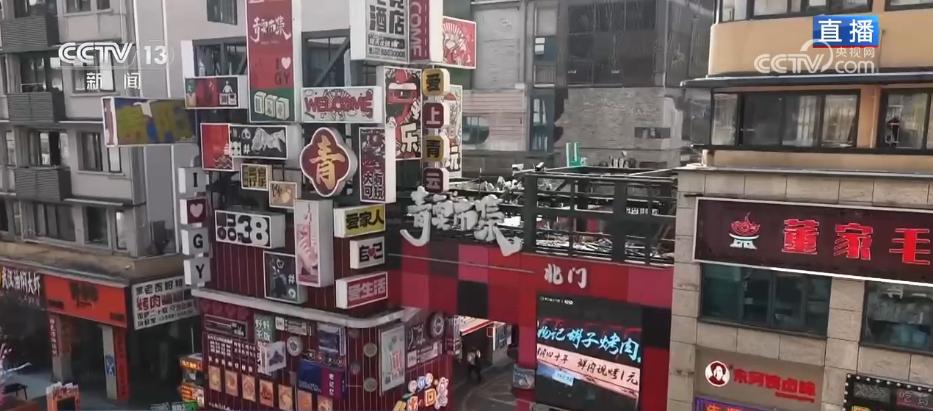
Group 1 - The core theme of the articles revolves around the cultural significance and popularity of traditional folk performances, specifically the Yingge dance in Guangdong and the non-material cultural heritage showcased in Guiyang's Qingyun Market [1][5][10] - Yingge dance, with over 300 years of history, is recognized as a national intangible cultural heritage and serves as a vital expression of local culture and community spirit during the New Year celebrations [1][2] - The Qingyun Market in Guiyang has transformed into a vibrant cultural and tourism hub, featuring various traditional foods and performances, including the Shiqian Mask Dance, which is also a provincial intangible cultural heritage [8][10] Group 2 - The Yingge dance combines elements of dance, martial arts, and opera, and is characterized by its dynamic movements and strong community engagement, reflecting a spirit of unity and resilience among the youth [2][4] - Qingyun Market has successfully integrated intangible cultural heritage with modern consumer culture, resulting in the establishment of 44 intangible heritage brands and 119 cultural retail brands, showcasing the potential for cultural and creative industries [16] - The market features unique crafts such as the Mawei embroidery and Guizhou paper-cutting, highlighting the diversity and complexity of local traditional arts, which are essential for preserving cultural identity [12][14]
培育特色会展IP 推动产业融合发展
Xin Lang Cai Jing· 2026-02-11 22:53
Core Insights - The "Hulu Tide New Year Festival" in Guiyang successfully integrated food, cultural creativity, and technology, attracting a younger audience with diverse offerings [1][2] - The event aimed to address the homogenization of traditional New Year festivals by providing differentiated experiences that cater to the leisure shopping needs of young consumers [1][2] Group 1: Event Overview - The festival lasted for 10 days and was held at the Guiyang International Convention and Exhibition Center, featuring over 200 brands showcasing products such as specialty coffee, craft beer, cultural creations, and agricultural products [2] - The event included a non-heritage cultural exhibition area, highlighting traditional crafts like Miao embroidery and wax dyeing, which were innovatively designed to appeal to younger audiences [2] Group 2: Market Trends and Consumer Insights - Research conducted prior to the festival indicated that young consumers are interested not only in traditional agricultural products but also in digital products and cultural items [2] - The introduction of brands like DJI and Sony was aimed at meeting the consumption preferences of the younger demographic [2] Group 3: Future Initiatives - The "Hulu" IP is set to expand with a series of events such as the "Hulu Beer Festival," "Hulu Music Festival," and "Hulu Coffee Festival," focusing on the "Five Exquisite" sectors of Guiyang [3] - The government and market collaboration is emphasized to promote industry synergy and support the development of quality brands through resource integration [3][4] Group 4: Strategic Goals - The trial area plans to continue nurturing quality exhibition enterprises and events, encouraging the creation of more youthful and distinctive exhibition IPs to drive consumption upgrades [4] - The aim is to build an industrial ecosystem that supports complementary operations and resource sharing, facilitating high-quality development in sectors like the "Five Exquisite" [4]
视频丨地铁读书、线上看戏、自习练琴 公共文化服务“上新”了
Yang Shi Xin Wen Ke Hu Duan· 2026-02-10 01:24
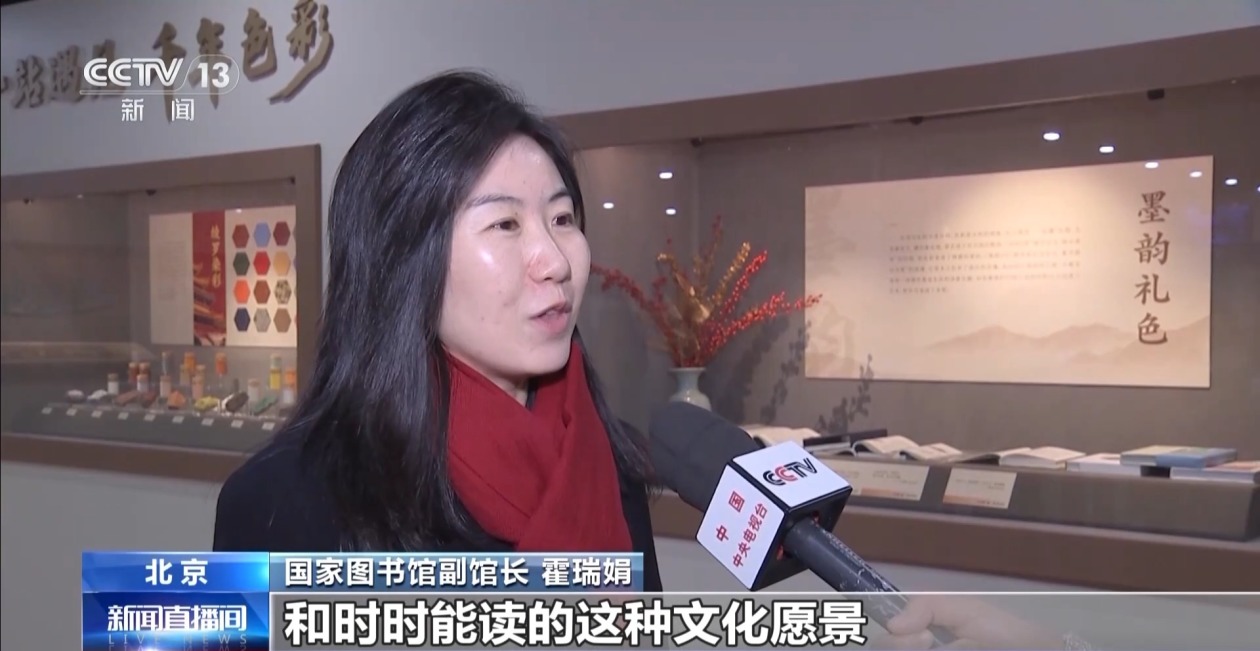
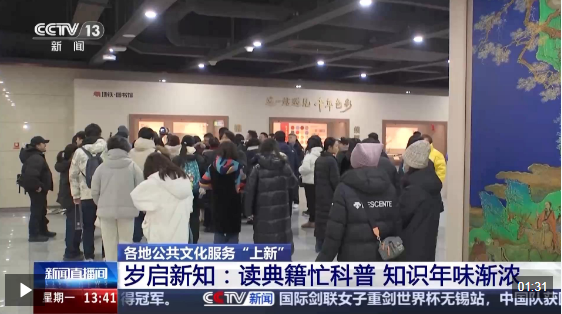
Core Viewpoint - The article highlights the increasing cultural activities and public services in various regions as the Spring Festival approaches, emphasizing the integration of traditional culture and modern technology to enhance public engagement in cultural learning and appreciation [4][6][11]. Group 1: Cultural Activities - The Beijing Metro's National Library Station launched a themed reading activity titled "Encountering a Thousand Years of Color," featuring selected books and traditional Chinese color art installations, allowing travelers to engage with cultural content while waiting [4]. - Gansu Science and Technology Museum introduced a series of themed science activities for children, such as "How Animals See the World" and "Magical Energy Sources," promoting interactive learning experiences [8]. - The cultural and tourism department's initiative has led to 499 state-owned art troupes establishing online platforms for performances, providing diverse viewing options for audiences, especially during the festive season [9]. Group 2: Public Cultural Services - The "Cultural Cloud" platform in Jiyuan, Henan, allows villagers to order cultural services like opera and dance through a mobile app, transforming public cultural offerings from a broad approach to a more targeted service model [14]. - In Hangzhou, cultural centers have opened free art study rooms for community members to practice skills like calligraphy and music, with 90% of cultural centers in Zhejiang province offering such facilities [12]. - The sales of traditional Miao embroidery in Guizhou have surged, with local governments leveraging big data to enhance the non-heritage industry, showcasing the blend of tradition and technology [11].
地铁读书、线上看戏、自习练琴 公共文化服务“上新”了
Xin Lang Cai Jing· 2026-02-09 10:02
Group 1 - The article highlights the increasing cultural flavor in public cultural services as the Spring Festival approaches, with various activities promoting reading and scientific knowledge [1] - The National Library of China has launched a themed reading activity at the National Library Station on the Beijing-Kowloon Metro Line, featuring selected books and traditional Chinese color art installations [1][3] - The "Cultural Cloud" platform in Jiyuan, Henan, allows villagers to order cultural services like opera and dance, transforming public cultural offerings from a broad approach to a more targeted one [11] Group 2 - Gansu Science and Technology Museum is hosting a series of themed science activities for children, including interactive experiences that teach scientific concepts [5] - The integration of online and offline performances has led to 499 state-owned art troupes in China establishing online platforms for cultural performances, enhancing accessibility [6] - In Guizhou, the sales of traditional Miao embroidery have surged, supported by local government initiatives that incorporate big data into the non-heritage industry [8] Group 3 - Public cultural services are increasingly being tailored to meet community needs, with art self-study rooms and cultural stations offering free access to artistic learning [9] - In Hangzhou, 90% of cultural centers have established art self-study rooms, providing quality spaces for artistic practice and community engagement [9]