
地热供暖

Search documents
“三桶油”去年赚超3100亿元
第一财经· 2026-03-30 09:50
Core Viewpoint - The financial performance of China's three major oil companies, known as "Three Barrels of Oil," has declined in 2025 due to falling international oil prices, but future prospects remain optimistic as analysts adjust target prices upward for these companies [3][4][6]. Group 1: Financial Performance - In 2025, China National Petroleum Corporation (CNPC) reported revenue of 2.86 trillion yuan, a decrease of 2.5% year-on-year, and a net profit attributable to shareholders of 157.3 billion yuan, down 4.5% [3]. - China Petroleum & Chemical Corporation (Sinopec) achieved revenue of 2.783583 trillion yuan, a decline of 9.46%, and a net profit of 31.809 billion yuan, down 36.78% [4]. - China National Offshore Oil Corporation (CNOOC) reported revenue of 398.22 billion yuan, a decrease of 5.3%, and a net profit of 122.082 billion yuan, down 11.5% [4]. Group 2: Operational Highlights - CNPC's oil and gas equivalent production reached 1.8419 billion barrels, an increase of 2.5%, while renewable energy generation rose to 7.93 billion kWh, up 68.0% [3]. - CNOOC's management indicated that despite a 14.6% drop in Brent oil prices, their net profit decline was less severe, showcasing strong operational performance [5]. - Sinopec's management noted challenges in refining and chemical operations but highlighted stable upstream business performance and sufficient inventory to support operations [5]. Group 3: Market Outlook - Analysts from UBS and Goldman Sachs have raised their profit forecasts for the three companies for 2026, with increases of 13%, 16%, and 0.4% for CNPC, CNOOC, and Sinopec, respectively [6]. - Following the rise in oil prices due to geopolitical tensions, the stock prices of the three companies have reached new highs, with CNPC and Sinopec hitting 13.69 yuan and 8.11 yuan per share, respectively, and CNOOC surpassing 40 yuan per share [5].





从“烧煤炉”到“地暖屋”:陕西小镇迎来绿色暖冬
Zhong Guo Xin Wen Wang· 2026-02-25 10:27
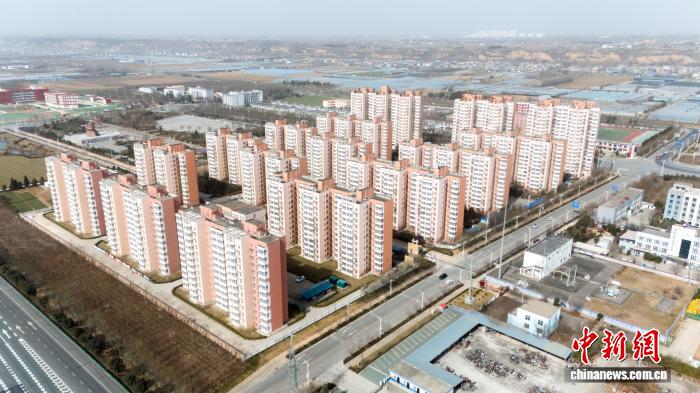
Core Viewpoint - The geothermal heating project by Changqing Oilfield in Yangling, Shaanxi, has successfully transitioned local residents from decentralized heating methods to a centralized, clean heating system, enhancing comfort and environmental sustainability [1][3]. Group 1: Project Overview - The geothermal heating project officially commenced operations on December 15, 2025, and has been running smoothly for a month, providing stable heating to over 2,000 residents in the Rougu Center community [3]. - The project utilizes geothermal energy extracted from 2,900 meters underground, creating a closed-loop system that conserves water by reinjecting used water back underground [3]. Group 2: Environmental Impact - The project is estimated to save over 930 tons of standard coal annually and reduce carbon dioxide emissions by more than 2,450 tons, significantly decreasing the discharge of pollutants such as dust and sulfur dioxide [3]. - This initiative contributes to the transformation of the regional energy structure and aids in air quality improvement, aligning with broader environmental goals [3]. Group 3: Community Benefits - The heating system covers a total area of 137,000 square meters, benefiting not only residential areas but also local government offices, health clinics, and schools, thereby enhancing public service and community welfare [5]. - Residents express increased happiness and satisfaction due to the warmth provided by the new heating system, highlighting its positive impact on daily life and community well-being [5].
万象更“新” 无限可“能”——探访中国新能源项目建设运营一线
Zhong Guo Hua Gong Bao· 2026-02-10 05:29
Core Insights - The article highlights the rapid development of various green energy projects across China, emphasizing the country's commitment to transforming its energy landscape and promoting sustainable development during the Lunar New Year celebrations [1][2]. Group 1: Biomass Gasification Project - The "Donghua Furnace," a biomass gasification device developed by Donghua Engineering Technology Co., is successfully operational, utilizing agricultural waste to produce synthesis gas, which can significantly reduce carbon emissions by 70% to 90% compared to fossil fuels [4][5]. - The project aims to enhance the value of agricultural waste and contribute to local economic development while promoting ecological protection [6][7]. - The team is focused on continuous optimization of the gasification process, with confidence in the technology's applicability and replicability [7]. Group 2: Hydrogen Production Project - A hydrogen production project in Panzhihua, based on "concentrated solar water splitting" technology, is set to launch its commercial production line by December 2025, with an expected annual hydrogen output of approximately 200 tons [8][10]. - The innovative technology allows for a significant increase in hydrogen production efficiency, achieving a production rate that exceeds current laboratory benchmarks by over 100 times [9]. - The project has garnered interest from various government and corporate entities, indicating strong market potential for green hydrogen applications in industries such as metallurgy and chemicals [11]. Group 3: Geothermal Heating in Xiong'an - Xiong'an New Area has implemented geothermal heating across its urban areas, significantly reducing coal usage and CO2 emissions, with one heating season replacing 4,847 tons of standard coal and reducing CO2 emissions by 11,636 tons [14]. - The geothermal energy system utilizes a "direct extraction and reinjection" method, ensuring optimal energy utilization and minimal environmental impact [15]. - The area is developing into a comprehensive energy hub, integrating geothermal, solar, and smart energy systems to provide efficient energy services [16]. Group 4: Controlled Nuclear Fusion Research - New Hope Group is advancing in controlled nuclear fusion research, aiming to make fusion energy a viable and clean energy source within the next two decades [18][19]. - The group has achieved significant milestones with its "Xuanlong-50U" fusion device, positioning itself among the leading facilities globally [19][20]. - The long-term vision includes developing fusion energy as a key to future human civilization and addressing energy demands sustainably [20].

万象更“新” 无限可“能” ——探访中国新能源项目建设运营一线
Zhong Guo Hua Gong Bao· 2026-02-10 03:22
Group 1: Biomass Gasification Project - The "Donghua Furnace" is a biomass gasification core device developed by Donghua Engineering Technology Co., which successfully produced synthesis gas from agricultural waste [4][5] - The gasification process can reduce carbon emissions by 70% to 90% compared to fossil fuels, producing high-value green chemicals and sustainable aviation fuel [4][5] - The project aims to enhance the value of agricultural waste and promote local economic development while reducing reliance on coal [6][7] Group 2: Hydrogen Production Project - The "Hydrogen Boat" project in Panzhihua is set to launch the world's first commercial production line based on "concentrated solar water electrolysis" technology, with an expected annual hydrogen output of 200 tons by December 2025 [8][9] - This innovative technology allows for a direct energy conversion from solar to hydrogen, significantly improving production efficiency [9][10] - The project has attracted interest from multiple government and corporate entities, indicating strong market potential for green hydrogen applications in industries such as metallurgy and chemicals [11][12] Group 3: Geothermal Heating in Xiong'an - Xiong'an New Area has implemented geothermal heating, replacing traditional coal heating and significantly reducing carbon emissions [15][16] - The geothermal energy system utilizes underground heat sources, achieving a heating area of 2.6 million square meters and reducing CO2 emissions by 14,140 tons annually [16][17] - The integration of geothermal heating with solar energy and smart grid technology aims to create a near-zero carbon energy microgrid [17][18] Group 4: Controlled Nuclear Fusion Research - New Hope Group is advancing controlled nuclear fusion technology, with the goal of making it a viable energy source within the next 20 years [19][20] - The team has achieved significant milestones, including the world's first megampere-level hydrogen-boron fusion discharge, positioning them at the forefront of global fusion research [20][21] - The initiative emphasizes the importance of talent development and collaboration with various research institutions to support the long-term goals of fusion energy commercialization [21]

万象更“新” 无限可“能” ——探访中国新能源项目建设运营一线 | 2026新春走基层
Zhong Guo Hua Gong Bao· 2026-02-10 03:09
Group 1: Biomass Gasification Project - The "Donghua Furnace," developed by Donghua Engineering Technology Co., is a biomass gasification device that successfully converts agricultural waste into synthesis gas, significantly reducing carbon emissions by 70% to 90% compared to fossil fuels [4][6] - The project aims to enhance the value of agricultural waste and promote local economic development while ensuring ecological protection [6][7] - The team is focused on continuous optimization of the gasification process and aims to replicate the technology in other regions [7] Group 2: Hydrogen Production Project - The "Hydrogen Boat" project in Panzhihua, utilizing "concentrated solar water splitting" technology, is set to produce approximately 200 tons of hydrogen annually by December 2025 [8][10] - The technology boasts a hydrogen production efficiency significantly higher than current global standards, with a cost projection of 8 to 12 yuan per kilogram for large-scale production [10][11] - The project has garnered interest from multiple government entities and enterprises, indicating strong market potential for green hydrogen applications in industries such as metallurgy and chemicals [9][12] Group 3: Geothermal Heating in Xiong'an - Xiong'an New Area has implemented geothermal heating, replacing traditional coal heating and achieving significant reductions in carbon emissions, with one heating season replacing 4,847 tons of standard coal [15][16] - The geothermal system utilizes underground heat sources and has expanded to cover the entire urban area, with over 100 geothermal stations operational [16][19] - The integration of geothermal energy with other renewable sources is being explored to create a smart energy microgrid, enhancing energy efficiency and sustainability [18][19] Group 4: Controlled Nuclear Fusion Research - New Hope Group has made significant advancements in controlled nuclear fusion, with the "Xuanlong-50U" device achieving several world-first milestones in fusion technology [22][23] - The project aims to make fusion energy a viable and clean energy source within the next two decades, addressing the growing global energy demand [21][22] - The team emphasizes the importance of talent development and collaboration with various research institutions to support the long-term goals of fusion energy commercialization [23]
中国石化地热供暖能力达1.2亿平方米 较“十三五”末实现翻番
Xin Hua Wang· 2026-01-14 08:13
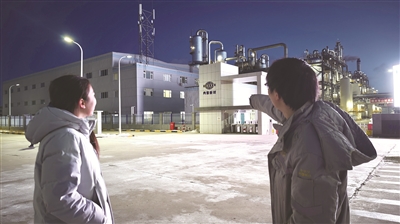
Core Insights - China Petroleum & Chemical Corporation (Sinopec) announced that its geothermal heating capacity has reached 12 million square meters, doubling since the end of the 13th Five-Year Plan, serving over 1.2 million households across 11 provinces and municipalities [1] Group 1: Geothermal Heating Capacity - The geothermal heating capacity of Sinopec has reached 12 million square meters, which is a significant increase compared to the end of the 13th Five-Year Plan [1] - The service area includes major regions such as Beijing, Tianjin, Shaanxi, Hebei, Henan, Shandong, Shanxi, and Hubei, covering over 70 cities and counties [1] Group 2: Environmental Impact - The geothermal heating initiative can replace nearly 2.3 million tons of standard coal annually, resulting in a reduction of over 5.9 million tons of carbon dioxide emissions [1] - This initiative plays a crucial role in China's energy structure adjustment, energy conservation, and environmental improvement [1] Group 3: Technological Advancements - Sinopec is focusing on "smart" heating production to enhance the precision of geothermal heating, including real-time data collection, temperature control, and issue monitoring [1] - The company has developed six core technology systems and has over 130 technology patents [1] Group 4: Industry Leadership - Sinopec is recognized as the largest geothermal energy development and utilization enterprise in China, having established the first "smokeless city" for geothermal heating in Xiong County [1] - The heating area in the Xiong'an New Area has exceeded 12 million square meters, positioning it as a global model for geothermal utilization [1] - The completion of the Fushen Hot 1 well marks a significant step in exploring high-temperature geothermal power generation in southern China [1]
山东钻成华东地区温度最高水热型地热井
Da Zhong Ri Bao· 2026-01-10 01:20
Core Insights - The discovery of the "Donggao Hot 1" geothermal well marks a significant breakthrough in high-temperature geothermal resource exploration in the Yellow River basin of Shandong Province, with a well bottom temperature of 162°C and a water flow rate of 101.3 cubic meters per hour [1][2] Group 1: Geothermal Resource Development - The high-temperature geothermal resource identified is classified as "water-thermal type," with a temperature exceeding 150°C, allowing for direct geothermal power generation [1] - The total area of the identified high-temperature geothermal field is nearly 40 square kilometers, with an estimated total heat storage equivalent to approximately 478 million tons of standard coal [2] - The annual potential reduction in carbon emissions from large-scale development of this geothermal resource is estimated to be around 184,300 tons, contributing significantly to energy conservation and emission reduction efforts [2] Group 2: Economic and Social Benefits - The geothermal resource can provide an annual economic benefit of approximately 450 million yuan, benefiting around 180,000 urban and rural residents [2] - If fully utilized for power generation, the geothermal resource could produce about 25,200 kWh daily, sufficient to meet the daily electricity needs of nearly 10,000 people [2] - The project supports multiple applications, including green power generation, industrial steam production, urban heating, and agricultural use, enhancing its overall societal impact [2][3]
国内首个百万平米级油田特色多热源耦合供暖示范项目投用
Zhong Guo Neng Yuan Wang· 2025-12-29 02:39
Core Viewpoint - The implementation of clean and environmentally friendly geothermal heating in the Beijing-Tianjin-Hebei region is highlighted, with over 200,000 households benefiting from this initiative, particularly through the Renqiu West New City geothermal heating demonstration project [1][2] Group 1: Project Overview - The Renqiu West New City geothermal heating project is the first large-scale oilfield characteristic multi-heat source coupling heating demonstration project in China, covering a total heating area of 2.69 million square meters [1] - The average indoor heating temperature is maintained above 22 degrees Celsius, contributing to a reduction of 70,000 tons of carbon dioxide emissions annually, equivalent to the afforestation area of approximately 2,000 hectares [1] Group 2: Resource Utilization - Geothermal and waste heat are important members of renewable energy, providing a clean energy source with minimal pollution [1] - The North China Oilfield is focused on creating a "geothermal + waste heat" clean heating model, integrating production wells, heat exchange stations, and oilfield pipelines to utilize multiple geothermal resources and oilfield waste heat [1][2] Group 3: Strategic Alignment - The North China Oilfield is committed to the national "dual carbon" strategy, actively utilizing deep geothermal resources and exploring successful models for the development and utilization of oilfield waste heat resources [2] - The oilfield has developed a series of geothermal development technologies that emphasize "heat extraction without water consumption and equal-layer reinjection," enhancing energy efficiency and utilization [2]
西藏那曲地热供暖覆盖145万平方米,居民告别烧煤取暖
Xin Hua She· 2025-12-17 02:00
Group 1 - The average heating season in Naqu, Tibet lasts for 7 months, with an average annual temperature close to zero degrees Celsius, making heating a significant aspect of living quality [1] - The implementation of geothermal centralized heating has allowed residents to maintain indoor temperatures around 20 degrees Celsius without burning coal, resulting in cost savings [1] - The government subsidy reduces the heating cost to 13 yuan per square meter for the heating season, alleviating the financial burden on residents [1] Group 2 - The "Naqu City Southern New Town Clean Energy Centralized Heating Pilot Project" is one of seven pilot projects aimed at promoting green and low-carbon heating solutions [1] - The geothermal resource in Tibet is characterized by high water temperature and sufficient heat, with a focus on protecting underground heat reservoirs and avoiding corrosion of municipal pipelines [2] - The development of geothermal resources is environmentally significant, achieving zero pollution and zero emissions compared to traditional coal energy [2] - The Naqu Ecological Environment Bureau has actively promoted clean energy applications, resulting in the elimination of 313 coal-fired boilers to improve urban living conditions [2] - Geothermal resources in Naqu have high development value, with potential applications in electricity generation, agriculture, and aquaculture, providing stable heat sources for greenhouses and livestock facilities [2]
“十五五”小众能源十大看点:分布式天然气、生物质能、地热供暖……
Zhong Guo Dian Li Bao· 2025-12-11 06:23
Core Viewpoint - Niche energy sources in China, including distributed natural gas, biomass energy, geothermal energy, and ocean energy, are gaining strategic importance in the context of the "dual carbon" goals and the critical period of the 14th Five-Year Plan, potentially becoming significant supplements to mainstream energy sources and supporting energy security and ecological protection [1] Group 1: Distributed Natural Gas - Distributed natural gas can provide multi-energy supply with a comprehensive energy utilization rate exceeding 70%, but its development is constrained by high costs and dependence on external sources [3] - The cost of gas-electricity integration ranges from 0.59 to 0.72 yuan per kilowatt-hour, significantly higher than mainstream energy sources [3] - Policy incentives, such as the revised "Natural Gas Utilization Management Measures" and the peak production plan for gas peak-shaving power stations, are expected to drive the growth of distributed natural gas [3] Group 2: Biomass Energy - Biomass energy, derived from organic waste, has a low utilization rate of 11.8% in China, but is expected to accelerate development due to renewable energy replacement actions [5] - By the end of 2024, biomass power generation capacity is projected to reach 45.99 million kilowatts, with an annual generation exceeding 208.3 billion kilowatt-hours [5] - The development of biomass energy should focus on integrating it into renewable energy strategies and expanding applications in hydrogen production and cellulose ethanol [5] Group 3: Biomass Power Generation - Biomass power generation includes agricultural, forestry, and waste biomass, with installed capacities of 17.09 million kilowatts, 27.38 million kilowatts, and 2.52 million kilowatts respectively by 2024 [7] - The sector faces challenges such as subsidy reductions, unstable fuel supply chains, and low efficiency [7] - Solutions include promoting new technologies, standardizing operations, and exploring new profit models [7] Group 4: Biomass Co-firing - Biomass co-firing is identified as a key method for reducing carbon emissions in coal power plants, with projects demonstrating significant CO2 reduction [10] - The annual biomass resource generation in China exceeds 9 billion tons, and a 60% recovery rate could meet energy needs [10] - The integration of biomass energy with carbon capture technology is recognized as a core path to carbon neutrality [10] Group 5: Geothermal Heating - Geothermal heating is positioned as a crucial clean heating solution for northern cities, with a projected heating area of nearly 900 million square meters by 2025 [12] - Currently, 95% of heating relies on fossil fuels, contributing to significant carbon emissions [12] - Geothermal energy can be integrated with other renewable sources to create demonstration projects that reduce dependency on single resources [12] Group 6: Geothermal Power Generation - China's geothermal power generation capacity is currently only 61.47 megawatts, ranking 19th globally [14] - The development is hindered by economic factors, resource concentration in less developed areas, and inadequate policies [14] - To catch up, efforts should focus on technology breakthroughs, cost reduction, and policy improvements [14] Group 7: Hot Dry Rock Power Generation - Hot dry rock resources in China are substantial, with a potential to meet energy needs for 4,000 years [16] - The technology is still in the early stages of commercialization, facing challenges in extraction and cost [16] - If breakthroughs are achieved during the 14th Five-Year Plan, hot dry rock power could become a disruptive energy source [16] Group 8: Ocean Energy - Ocean energy, including tidal and wave energy, has a potential development capacity of 650 million kilowatts [18] - Recent advancements have positioned China as a leader in ocean energy technology [18] - The sector is still in the demonstration phase, with high costs and technical challenges to overcome [18] Group 9: Integrated Development - The integration of ocean energy with other sectors, such as desalination and offshore oil and gas platforms, is being promoted [21] - Successful pilot projects have demonstrated the potential for cost reduction and resource efficiency [21] - The focus during the 14th Five-Year Plan should be on developing large-scale demonstration projects to drive industry growth [21] Group 10: Combustible Ice - Combustible ice resources in the South China Sea are equivalent to 65 billion tons of oil, with potential for over 130 years of supply [23] - The main challenges include high extraction costs and ecological protection [23] - A technological breakthrough in extraction could significantly enhance the prospects for combustible ice as a marine energy source [23]