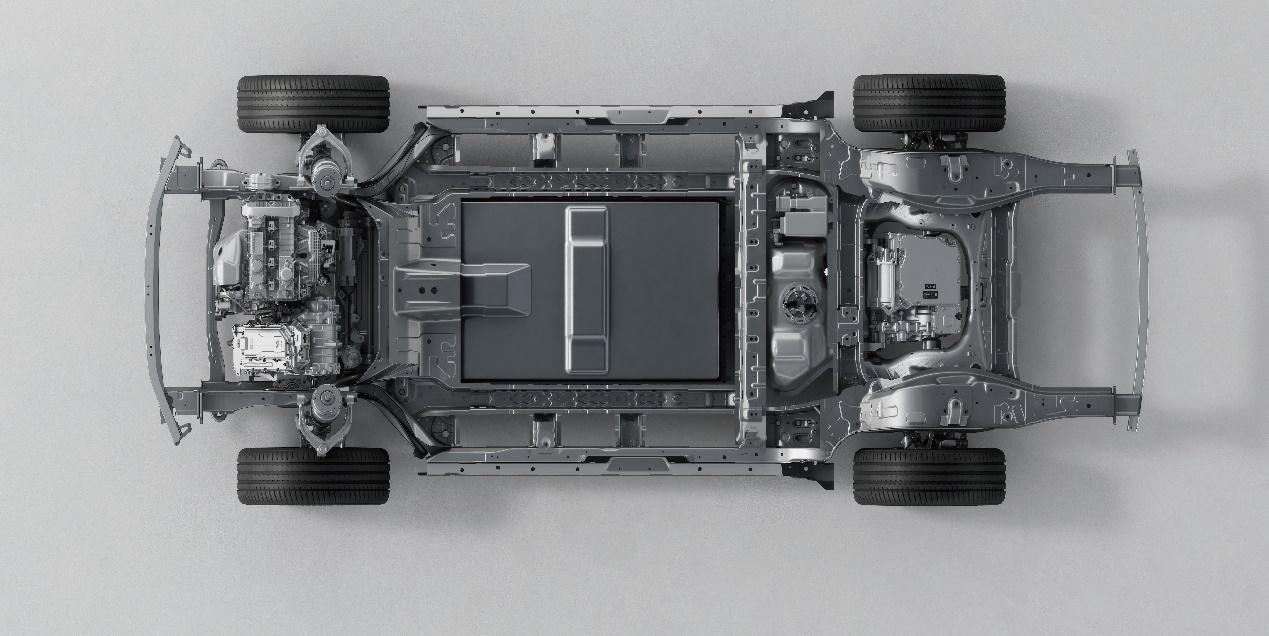
增程式混动汽车

Search documents
为什么增程车很少用2.0T?
Zhong Guo Zhi Liang Xin Wen Wang· 2025-09-26 07:50
Core Viewpoint - The shift from 2.0T engines to 1.5T engines in range-extended electric vehicles (REEVs) is driven by the need for efficiency, cost-effectiveness, and the evolving role of the engine as a generator rather than a primary power source [1][5][17] Engine Role in REEVs - In REEVs, the engine functions primarily as a generator to produce electricity, while the electric motor drives the wheels, making the engine's role fundamentally different from traditional vehicles [5][6] - The focus on a strong electric drive system reduces the necessity for a powerful 2.0T engine, as the 1.5T engine can efficiently meet the power requirements for typical driving conditions [3][17] Efficiency and Cost Considerations - The 1.5T engine is favored due to its higher thermal efficiency, with many achieving over 40%, compared to most 2.0T engines which remain below 38% [8][11] - The smaller size and weight of the 1.5T engine allow for better vehicle layout, optimizing space for batteries and electric motors, which enhances overall performance and range [10][11] Market Trends and Consumer Preferences - Major REEV models like Li Auto's L series and Aito's M series predominantly use 1.5T engines, reflecting a strategic choice based on technology, cost, and efficiency [6][11] - As battery technology improves, the reliance on the engine for power generation decreases, further solidifying the 1.5T engine's position as the optimal choice for most consumers [17] Performance and Application - While 2.0T engines can provide higher power output, their advantages are often unnecessary for everyday driving, as demonstrated by the performance metrics of vehicles like the Li L9 [13][15] - The increasing battery capacity in modern REEVs means that the need for a larger engine is diminishing, aligning with consumer demands for lower operating costs and quieter driving experiences [17]


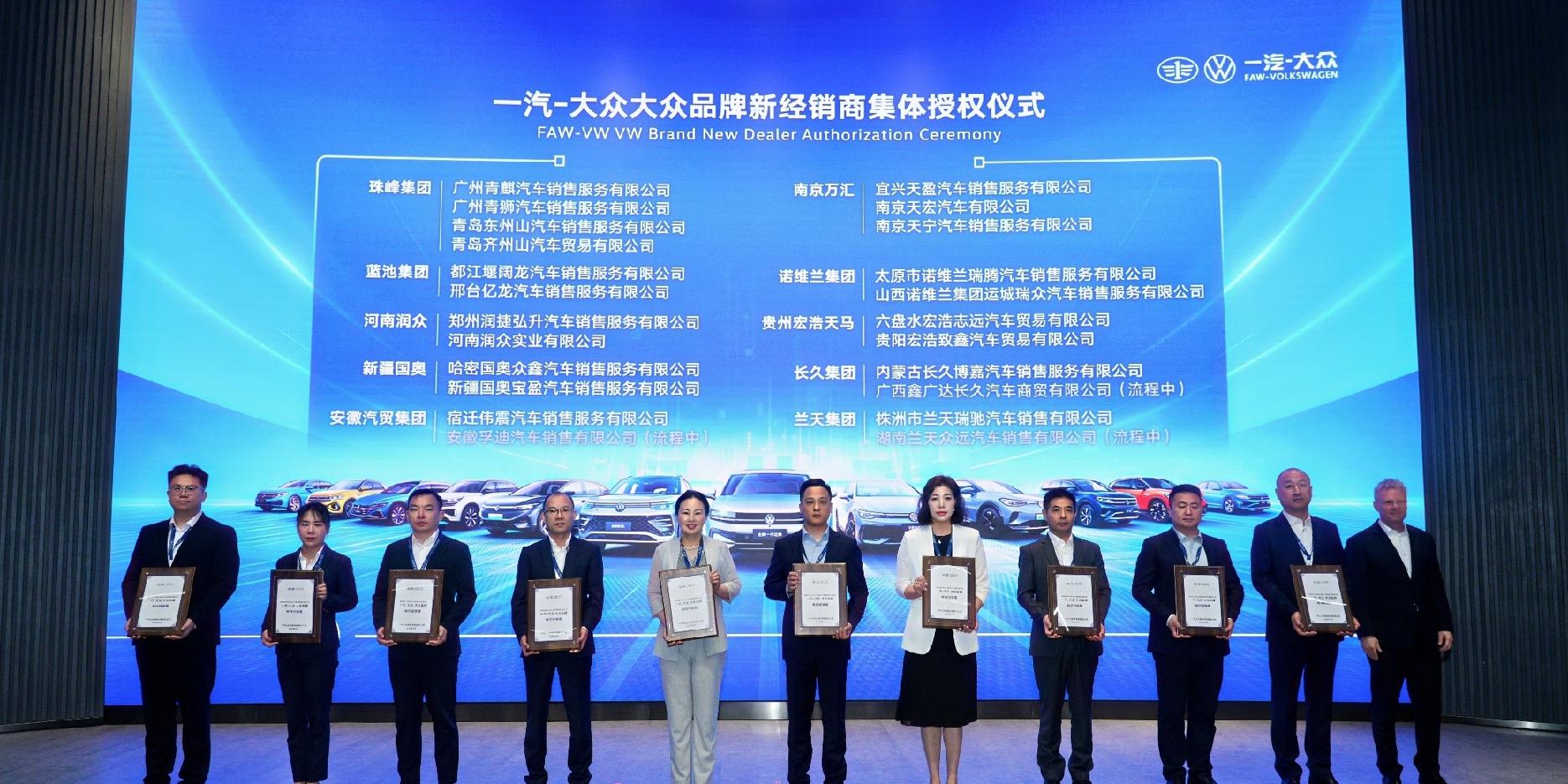
“百店千家” 行动提速,一汽-大众大众品牌75家新经销商集中签约
Jing Ji Guan Cha Wang· 2025-06-25 11:47
Group 1 - The core viewpoint of the news is that FAW-Volkswagen is enhancing its dealership network through a concentrated authorization signing event, marking a significant step in its "Hundred Stores, Thousand Families" initiative [3][4] - 75 new dealers were awarded centralized authorization, including over 20 dealers with more than 10 years of partnership with the brand, indicating strong market confidence in the brand's product strength and development prospects [3] - The new dealerships will cover 68 cities and counties across the country, aiming to provide high-quality car purchasing and professional services to local consumers [3] Group 2 - FAW-Volkswagen is innovating its channel strategy by introducing a "lightweight" dealership model, encouraging dealers to reduce hardware investment while maintaining high service standards [3][4] - The company plans to complete an organizational restructuring by the end of May 2025, establishing a three-tier structure to enhance business collaboration and response speed [4] - Starting in 2026, FAW-Volkswagen will launch 10 new vehicles across various segments, including 5 pure electric, 2 plug-in hybrids, 2 range-extended hybrids, and 1 fuel model, accelerating its transition to electric and intelligent vehicles [4]