
太空烤箱

Search documents
太空年夜饭 丰盛得超乎想象
Si Chuan Ri Bao· 2026-02-16 21:58
Core Viewpoint - The article highlights a unique New Year's Eve dinner held by Chinese astronauts aboard the Chinese space station, showcasing the achievements of China's manned space program and the cultural significance of the event [1]. Group 1: Event Description - On February 16, during the Chinese New Year's Eve, astronauts celebrated with a special dinner in a microgravity environment approximately 400 kilometers above Earth [1]. - The astronauts presented a variety of traditional dishes, including shrimp dumplings, pork and dried vegetable dumplings, and beef dumplings, creating a festive atmosphere [1]. - The dinner featured a rich assortment of foods symbolizing good fortune and family reunion, such as braised pork, bamboo shoots with meat, five-spice beef, and a cake baked in space, marking a first for Chinese astronauts [1]. Group 2: Cultural Significance - The dinner was not just a meal but a representation of human warmth and cultural traditions, bridging the gap between Earth and space [1]. - The astronauts' joyful presentation and the variety of dishes reflected the essence of Chinese New Year celebrations, emphasizing themes of abundance and togetherness [1]. - The event underscored the remarkable achievements of China's manned space program, showcasing the ability to enjoy traditional customs even in space [1].
中国航天上热搜,网友点赞“很硬核、有温度、有盼头”——中国航天值得更多期待
Ren Min Ri Bao Hai Wai Ban· 2025-12-08 10:03
Core Viewpoint - China's recent advancements in space exploration, including the successful launch of the Shenzhou-22 spacecraft and the introduction of new technologies in the Chinese space station, have generated significant public interest and excitement about the future of China's space endeavors [1][2][3]. Group 1: Shenzhou-22 Launch and Space Station Developments - The Shenzhou-22 spacecraft was successfully launched on November 25, 2023, and docked with the Tianhe core module of the Chinese space station [1]. - The Shenzhou-22 will serve as the return vehicle for the crew of Shenzhou-21, following a series of recent space missions that have included the successful return of the Shenzhou-20 crew [1][5]. - The Shenzhou-22 mission is notable for being China's first emergency launch, executed within 16 days due to an incident involving the Shenzhou-20 spacecraft [3][4]. Group 2: Innovations in Space Cooking - The introduction of a new "space oven" on the Chinese space station allows astronauts to cook and bake food in orbit, marking a significant enhancement in the quality of life for astronauts [2][3]. - The space oven operates without smoke, adhering to the space station's emission standards, and has been tested for reliability [3]. - The variety of food available to astronauts has expanded to over 190 types, with a 10-day meal cycle that includes fresh vegetables and meats [3]. Group 3: Lunar Research and Findings - The Chang'e-6 mission has revealed that lunar soil on the far side of the moon exhibits unique properties, including increased stickiness compared to samples from the near side [6]. - Research indicates that the stickiness is due to specific particle interactions, including friction, van der Waals forces, and electrostatic forces, which enhance the cohesive properties of the lunar soil [6]. - This research provides critical insights for future lunar exploration missions, particularly regarding landing stability and dust management [6]. Group 4: Future Space Exploration Plans - During the 14th Five-Year Plan, China aims to launch four scientific satellites focused on exploring fundamental questions about the universe, including the origins of life and the search for habitable exoplanets [7][8]. - The planned satellites include the "Hongmeng Project," which will investigate the early universe, and the "Kua Fu II," which will study the sun from unique vantage points [8]. - These missions are expected to contribute significantly to humanity's understanding of cosmic phenomena and the potential for finding a "second Earth" [8].
中国航天值得更多期待
Ren Min Ri Bao Hai Wai Ban· 2025-11-27 22:48
Core Viewpoint - The successful launch of the Shenzhou-22 spacecraft marks China's first emergency mission in manned spaceflight, showcasing the country's rapid response capabilities in space exploration [4][6][7]. Group 1: Shenzhou-22 Launch - On November 25, the Shenzhou-22 spacecraft was successfully launched and docked with the Tianhe core module of the Chinese space station [4][6]. - The Shenzhou-22 will serve as a return vehicle for the Shenzhou-21 astronaut crew, following the successful docking at 15:50 on the same day [4][6]. - This mission is part of a series of recent advancements in China's space program, including the successful operation of a new space oven that allows astronauts to cook in space [5][6]. Group 2: Emergency Response and Backup Mechanism - The emergency launch was initiated due to a minor collision that caused a crack in the window of the Shenzhou-20 spacecraft, prompting a backup plan to ensure astronaut safety [6][7]. - Since the Shenzhou-12 mission, China has adopted a "one launch, one backup" strategy for manned spacecraft, allowing for rapid transition to launch status in case of emergencies [7]. - The Shenzhou-22 spacecraft features significant upgrades, including an improved instrument system and a more user-friendly interface [7]. Group 3: Recent Developments in Space Exploration - The recent launch and advancements have generated significant public interest, with many expressing excitement over the developments in China's space program [4][5]. - The introduction of a space oven has enhanced the quality of life for astronauts, allowing them to enjoy freshly cooked meals in space [5][6]. - The ongoing research into lunar soil properties from the Chang'e-6 mission has revealed unique characteristics that could impact future lunar exploration [8][9]. Group 4: Future Space Missions - During the 14th Five-Year Plan, China plans to launch four scientific satellites aimed at exploring fundamental questions about the universe, including the origins of life and the search for Earth-like planets [10][11]. - The planned satellites include the "Hongmeng Plan," which aims to study the early universe, and the "Kua Fu II," which will observe the sun from its poles [10][11]. - These missions are expected to contribute significantly to humanity's understanding of the cosmos and the potential for finding a second Earth [10][11].

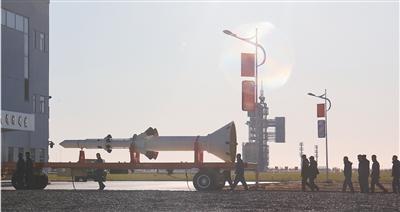
“太空烤箱”又能营业了!神舟二十二号“太空快递”成功派送
Yang Shi Wang· 2025-11-25 11:59
Group 1 - The Shenzhou-22 spacecraft is primarily a cargo mission, carrying supplies such as food, medicine, and fresh fruits and vegetables, rather than transporting astronauts [1][4] - The mission includes a variety of food options tailored to the astronauts' preferences, including Sichuan and Shandong flavors, and features items like chicken wings, steak, and cake [1][4] - The spacecraft has undergone several technical improvements, enhancing human-machine interaction, comfort, and payload capacity, which supports the operation of the space station [3][7] Group 2 - The cargo is secured in a practical manner using soft packaging and a large bag that fits the shape of the seats, ensuring balance during the flight [6][7] - The mission is characterized as a manned spacecraft in an unmanned state, with the goal of maintaining the center of mass and other characteristics within specified limits [7]
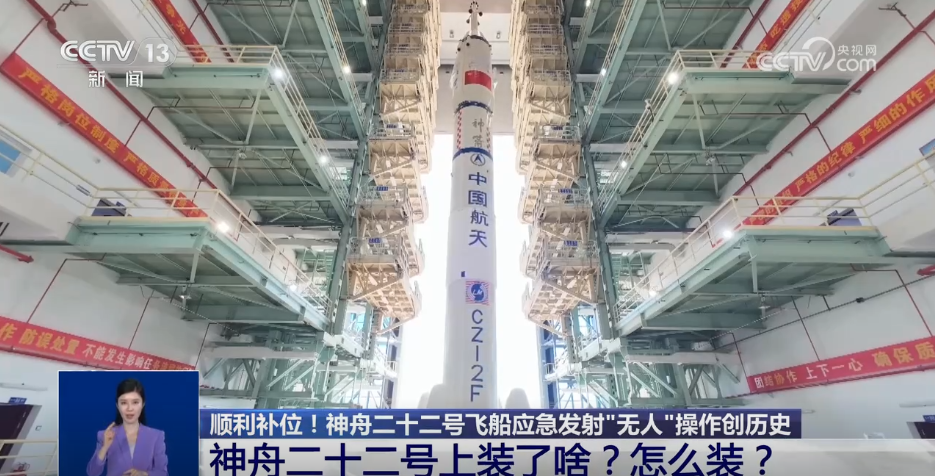
太空烧烤摊正式营业!中国航天员在空间站吃上烤鸡翅了!
Huan Qiu Wang Zi Xun· 2025-11-04 01:50
Core Insights - The introduction of a space oven on the Chinese space station has allowed astronauts to enjoy barbecued food, marking a significant advancement in space cuisine [1][2] - The variety of food available to astronauts has expanded to over 190 types, enhancing their dining experience during missions [1] - The evolution of space food from basic rations to gourmet options reflects China's technological advancements and commitment to improving astronaut welfare [1] Summary by Categories Technological Advancements - The space oven represents a breakthrough in space food technology, enabling the preparation of various grilled foods such as chicken wings, skewers, and steaks [1] - The success of this initiative is attributed to precise control of the environmental system and stable support from the energy system for high-power equipment [1] Astronaut Welfare - The focus on providing enjoyable meals for astronauts emphasizes the importance of their quality of life during missions, beyond just completing scientific tasks [2] - The diverse menu includes main dishes, desserts, and snacks, ensuring that astronauts have a varied and satisfying diet [1] National Pride and Innovation - The ability to prepare and enjoy barbecued food in space symbolizes China's self-reliance and innovative spirit in the aerospace sector [2] - The initiative has garnered positive public sentiment, showcasing the achievements of China's space program [2]
中国空间站“太空厨房”上新“烤箱” 航天员食品实现在轨烹饪烘焙
Xin Hua She· 2025-11-03 16:05
Core Points - The Chinese space station has successfully introduced a new "oven" for in-orbit cooking, allowing astronauts to prepare baked foods like chicken wings and steak for the first time [2][3] - The introduction of the "oven" is part of an effort to enhance the living conditions of astronauts in space, with over 190 types of food now available and a 10-day meal cycle implemented [2][3] Group 1 - The new "oven" allows astronauts to cook and bake in space, with a specific process for preparing food that includes a 28-minute heating time for chicken wings [2] - The oven features advanced technologies for smoke-free operation and has been rigorously tested to ensure it can operate reliably for 500 cycles [2][3] - The variety of food available to astronauts has significantly increased, with the ability to cook fresh vegetables, nuts, cakes, and meats in orbit [2][3] Group 2 - The development of the "space kitchen" reflects ongoing innovations in space food technology, improving the quality and nutritional value of meals for astronauts [3] - Research on plant cultivation in microgravity has led to successful growth of various vegetables, providing astronauts with fresh produce during missions [3] - Special meal preparations are planned for traditional Chinese festivals, enhancing the cultural experience for astronauts in space [3]