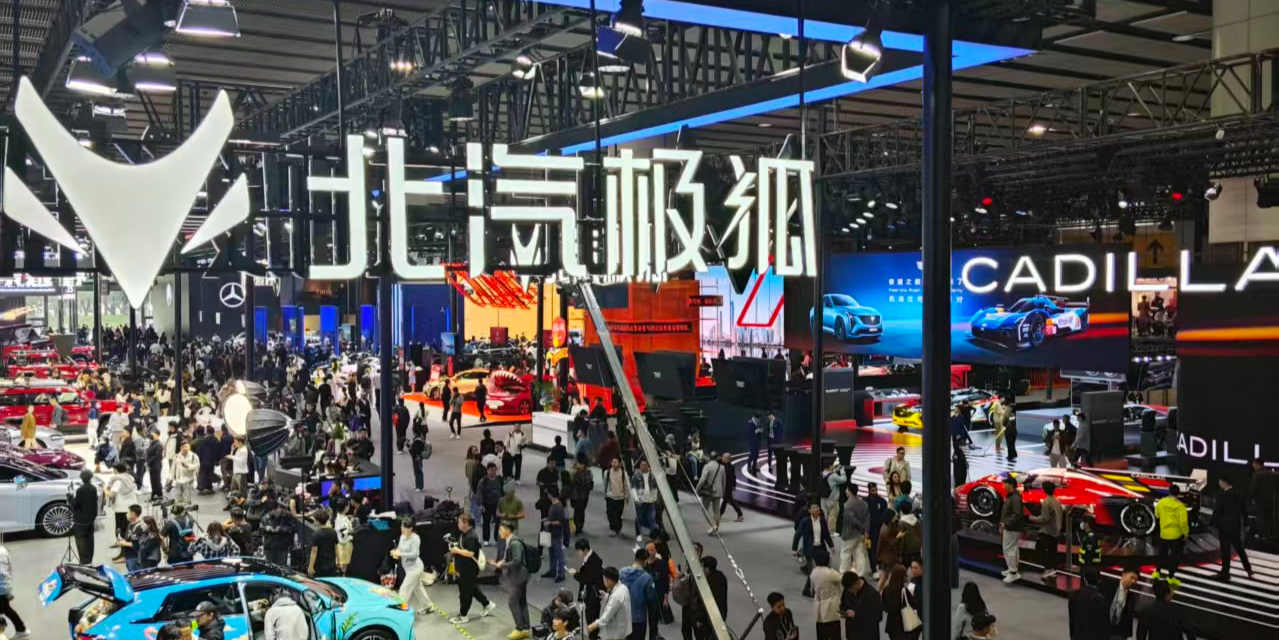
奔驰电动SUV EQE B260

Search documents
车市年终“翘尾”失败,2026年市场承压
3 6 Ke· 2025-12-15 03:41
Core Viewpoint - The automotive market in 2026 is expected to face significant pressure due to the lack of specific national subsidies and the introduction of a 50% purchase tax on new energy vehicles, leading to a cooling market environment [1][3][7]. Group 1: Market Conditions - The automotive market is experiencing a downturn, with November retail sales of passenger vehicles at 2.225 million units, a year-on-year decline of 8.1% and a month-on-month decline of 1.1% [3][4]. - The decline in sales is attributed to the exhaustion of local subsidies and the cancellation of high-interest financing options, which has led to a lack of consumer confidence [1][3][7]. - The expectation of a year-end sales surge has not materialized, with dealers reporting a significant drop in customer traffic compared to previous years [1][4][5]. Group 2: Subsidy Policies - The central government's vehicle replacement subsidy is set to continue until December 31, 2025, but many local subsidies have already been depleted, impacting consumer purchasing behavior [1][5]. - The introduction of a 50% purchase tax on new energy vehicles starting January 1, 2026, is expected to further strain the market, with industry experts predicting a challenging year ahead [1][3][7]. - Some regions are still offering local subsidies to stimulate sales, with reports of increased customer traffic in areas where such incentives are available [6][10]. Group 3: Company Responses - In response to the market conditions, various automakers are implementing their own discount policies, including covering the additional purchase tax for customers who order vehicles before the end of 2025 [2][9]. - Companies like Dongfeng Honda and Lynk & Co are optimistic about maintaining stable sales in the fuel vehicle segment and expect growth in hybrid and plug-in hybrid models [8][9]. - Automakers are developing strategies to adapt to changing policies, including monitoring local subsidy dynamics and adjusting product offerings to meet consumer demand [9][10]. Group 4: Future Outlook - Despite the challenges, there are potential growth points for the automotive market, including government support for rural consumption and the continued growth of export markets [10]. - The automotive industry is encouraged to diversify into after-sales services and other business areas to mitigate the impact of declining new vehicle sales [10].
车市年终“翘尾”失败 2026年市场承压
经济观察报· 2025-12-14 04:51
Core Viewpoint - The automotive market in 2026 is expected to face significant pressure due to the cancellation of subsidies and the introduction of a 50% purchase tax on new energy vehicles [1][4][12]. Group 1: Market Conditions - The automotive market is experiencing a downturn, with retail sales in November dropping to 2.225 million units, a year-on-year decrease of 8.1% [6]. - The cancellation of local subsidies has led to a significant decline in consumer activity, with many dealerships reporting a lack of customers compared to previous years [2][7]. - The expectation of a year-end sales surge has not materialized, as dealers report disappointing sales figures [6][12]. Group 2: Subsidy Policies - The central government's vehicle replacement subsidy is set to continue until December 31, 2025, but many local subsidies have already been exhausted [2][8]. - The introduction of a 50% purchase tax on new energy vehicles starting in 2026 is anticipated to further strain the market [4][12]. - Despite the challenges, some regions are still implementing local subsidies to stimulate sales, with examples of cash incentives being offered in various cities [9][14]. Group 3: Company Responses - In response to the market conditions, many automakers are introducing their own incentives, such as covering the additional purchase tax for customers who order vehicles before the end of 2025 [3][12]. - Companies like Dongfeng Honda and Lynk & Co are optimistic about maintaining stable sales through strategic product offerings and adapting to policy changes [12][13]. - Automakers are focusing on enhancing their product value and aligning their strategies with local market demands to navigate the upcoming challenges [13][14].

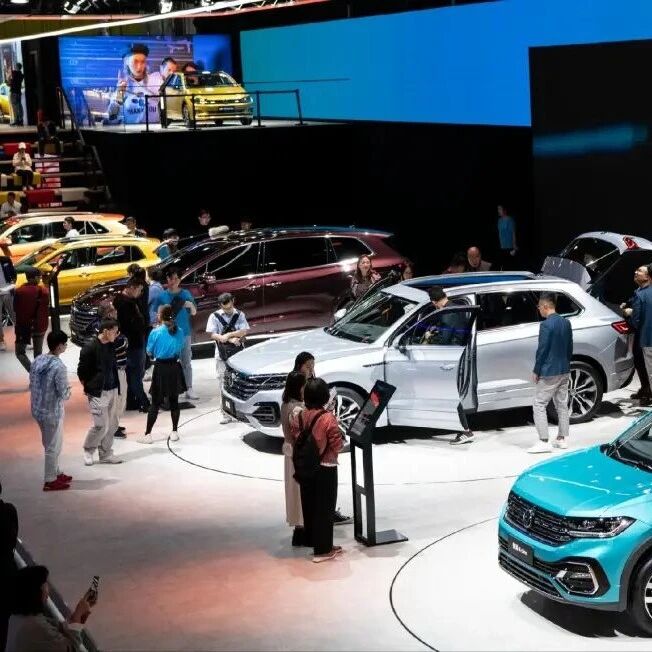
车市年终翘尾失败 2026年市场承压
Jing Ji Guan Cha Wang· 2025-12-14 03:10
Group 1 - The automotive market is experiencing a significant slowdown as various regions exhaust their vehicle trade-in subsidies, leading to a lack of consumer activity in dealerships [2][4] - The cancellation of national and local subsidies, along with the introduction of a 50% purchase tax on new energy vehicles starting next year, has negatively impacted market expectations for year-end sales [2][4] - In November, retail sales of passenger vehicles dropped to 2.225 million units, a year-on-year decrease of 8.1%, with fuel vehicles seeing a 22% decline [4][5] Group 2 - Car manufacturers are implementing their own discount policies to stimulate sales, including covering the increased purchase tax for vehicles ordered before the subsidy deadline [3][8] - The China Automobile Dealers Association reported that the overall survival status of dealers is expected to worsen in the coming year, indicating a lack of confidence in the market [4][8] - The 2025 vehicle trade-in subsidy is projected to exceed 180 billion yuan, with a significant portion allocated to automotive subsidies, suggesting potential growth in the market despite current challenges [8][11] Group 3 - Some automakers remain optimistic about the 2026 market, anticipating stable demand for fuel vehicles and growth in hybrid and plug-in models [9][10] - Companies are developing strategies to adapt to policy changes, including monitoring local subsidy dynamics and adjusting product offerings to meet consumer needs [10][11] - There is potential for new growth points in the market, particularly through rural consumption initiatives and the expansion of services related to used cars and aftermarket activities [11]