
广汽传祺GS8

Search documents
车市年终“翘尾”失败,2026年市场承压
3 6 Ke· 2025-12-15 03:41
Core Viewpoint - The automotive market in 2026 is expected to face significant pressure due to the lack of specific national subsidies and the introduction of a 50% purchase tax on new energy vehicles, leading to a cooling market environment [1][3][7]. Group 1: Market Conditions - The automotive market is experiencing a downturn, with November retail sales of passenger vehicles at 2.225 million units, a year-on-year decline of 8.1% and a month-on-month decline of 1.1% [3][4]. - The decline in sales is attributed to the exhaustion of local subsidies and the cancellation of high-interest financing options, which has led to a lack of consumer confidence [1][3][7]. - The expectation of a year-end sales surge has not materialized, with dealers reporting a significant drop in customer traffic compared to previous years [1][4][5]. Group 2: Subsidy Policies - The central government's vehicle replacement subsidy is set to continue until December 31, 2025, but many local subsidies have already been depleted, impacting consumer purchasing behavior [1][5]. - The introduction of a 50% purchase tax on new energy vehicles starting January 1, 2026, is expected to further strain the market, with industry experts predicting a challenging year ahead [1][3][7]. - Some regions are still offering local subsidies to stimulate sales, with reports of increased customer traffic in areas where such incentives are available [6][10]. Group 3: Company Responses - In response to the market conditions, various automakers are implementing their own discount policies, including covering the additional purchase tax for customers who order vehicles before the end of 2025 [2][9]. - Companies like Dongfeng Honda and Lynk & Co are optimistic about maintaining stable sales in the fuel vehicle segment and expect growth in hybrid and plug-in hybrid models [8][9]. - Automakers are developing strategies to adapt to changing policies, including monitoring local subsidy dynamics and adjusting product offerings to meet consumer demand [9][10]. Group 4: Future Outlook - Despite the challenges, there are potential growth points for the automotive market, including government support for rural consumption and the continued growth of export markets [10]. - The automotive industry is encouraged to diversify into after-sales services and other business areas to mitigate the impact of declining new vehicle sales [10].
车市年终“翘尾”失败 2026年市场承压
经济观察报· 2025-12-14 04:51
Core Viewpoint - The automotive market in 2026 is expected to face significant pressure due to the cancellation of subsidies and the introduction of a 50% purchase tax on new energy vehicles [1][4][12]. Group 1: Market Conditions - The automotive market is experiencing a downturn, with retail sales in November dropping to 2.225 million units, a year-on-year decrease of 8.1% [6]. - The cancellation of local subsidies has led to a significant decline in consumer activity, with many dealerships reporting a lack of customers compared to previous years [2][7]. - The expectation of a year-end sales surge has not materialized, as dealers report disappointing sales figures [6][12]. Group 2: Subsidy Policies - The central government's vehicle replacement subsidy is set to continue until December 31, 2025, but many local subsidies have already been exhausted [2][8]. - The introduction of a 50% purchase tax on new energy vehicles starting in 2026 is anticipated to further strain the market [4][12]. - Despite the challenges, some regions are still implementing local subsidies to stimulate sales, with examples of cash incentives being offered in various cities [9][14]. Group 3: Company Responses - In response to the market conditions, many automakers are introducing their own incentives, such as covering the additional purchase tax for customers who order vehicles before the end of 2025 [3][12]. - Companies like Dongfeng Honda and Lynk & Co are optimistic about maintaining stable sales through strategic product offerings and adapting to policy changes [12][13]. - Automakers are focusing on enhancing their product value and aligning their strategies with local market demands to navigate the upcoming challenges [13][14].

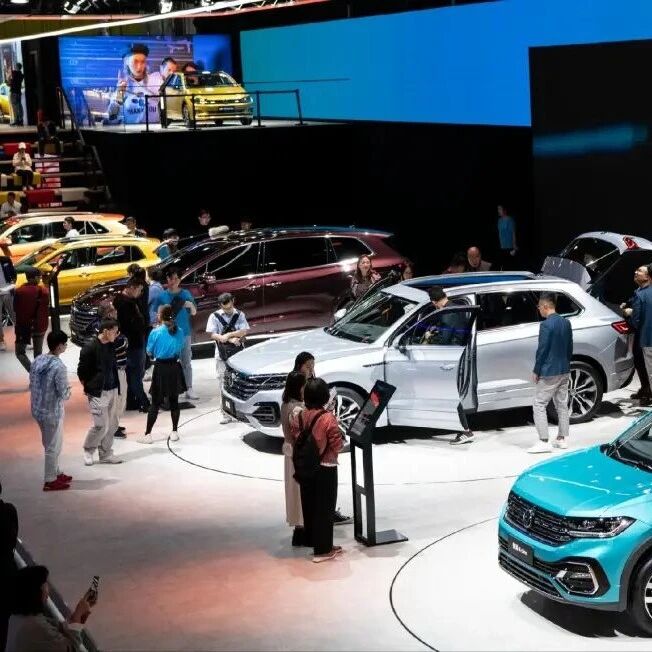
车市年终翘尾失败 2026年市场承压
Jing Ji Guan Cha Wang· 2025-12-14 03:10
Group 1 - The automotive market is experiencing a significant slowdown as various regions exhaust their vehicle trade-in subsidies, leading to a lack of consumer activity in dealerships [2][4] - The cancellation of national and local subsidies, along with the introduction of a 50% purchase tax on new energy vehicles starting next year, has negatively impacted market expectations for year-end sales [2][4] - In November, retail sales of passenger vehicles dropped to 2.225 million units, a year-on-year decrease of 8.1%, with fuel vehicles seeing a 22% decline [4][5] Group 2 - Car manufacturers are implementing their own discount policies to stimulate sales, including covering the increased purchase tax for vehicles ordered before the subsidy deadline [3][8] - The China Automobile Dealers Association reported that the overall survival status of dealers is expected to worsen in the coming year, indicating a lack of confidence in the market [4][8] - The 2025 vehicle trade-in subsidy is projected to exceed 180 billion yuan, with a significant portion allocated to automotive subsidies, suggesting potential growth in the market despite current challenges [8][11] Group 3 - Some automakers remain optimistic about the 2026 market, anticipating stable demand for fuel vehicles and growth in hybrid and plug-in models [9][10] - Companies are developing strategies to adapt to policy changes, including monitoring local subsidy dynamics and adjusting product offerings to meet consumer needs [10][11] - There is potential for new growth points in the market, particularly through rural consumption initiatives and the expansion of services related to used cars and aftermarket activities [11]
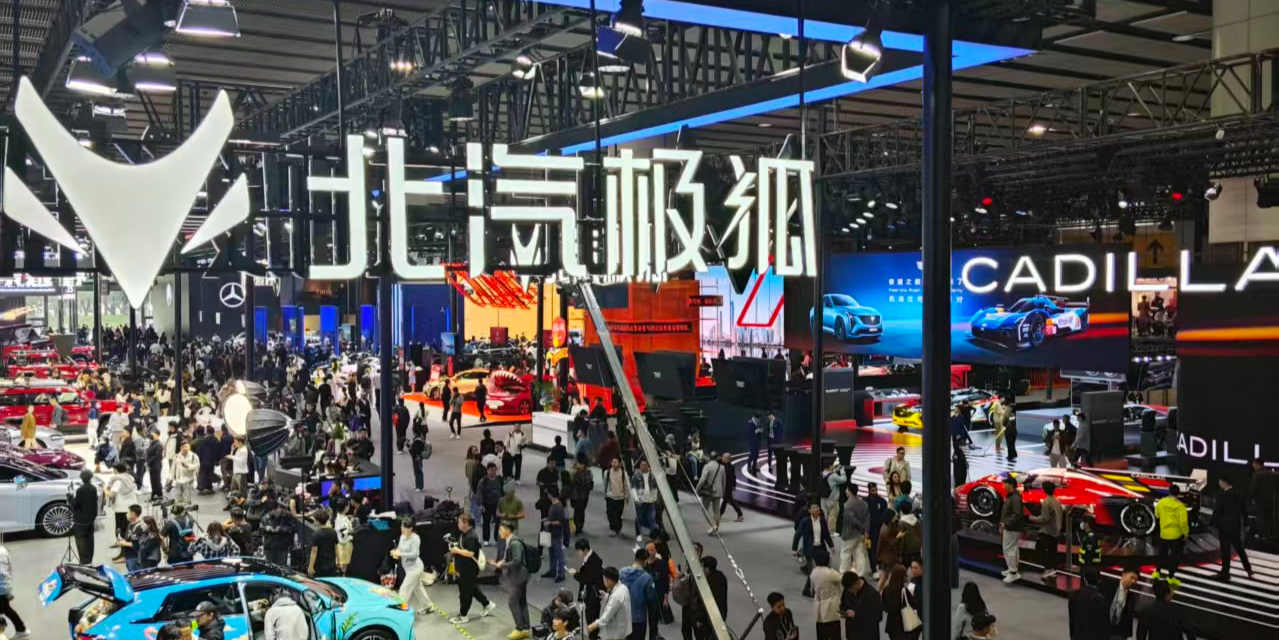
消失的车市翘尾
Jing Ji Guan Cha Wang· 2025-12-12 14:22
Core Viewpoint - The automotive market is experiencing a significant downturn due to the exhaustion of various subsidy programs, leading to a lack of consumer enthusiasm and lower sales performance as the year ends [1][3][7]. Group 1: Market Conditions - The automotive market has cooled significantly, with many dealerships reporting low customer traffic and sales, contrasting sharply with previous years' year-end buying frenzies [1][3]. - In November, the national retail sales of passenger vehicles reached 2.225 million units, a year-on-year decline of 8.1% and a month-on-month decline of 1.1% [3][4]. - The decline in sales is attributed to the cancellation of national and local subsidies, as well as the anticipated introduction of a 50% purchase tax on new energy vehicles starting next year [1][3][7]. Group 2: Subsidy Policies - The central government has allocated automotive replacement subsidies until December 31, 2025, but many local governments have exhausted their funds early, leading to a pause in subsidies [1][5]. - The total subsidy budget for 2025 is set to double to 300 billion yuan, with a significant portion allocated for automotive subsidies, expected to exceed 180 billion yuan [5][7]. - Local governments are implementing their own subsidy programs to stimulate market activity, with some regions offering cash incentives for vehicle purchases [6][9]. Group 3: Industry Responses - In response to the market downturn, many automakers are introducing their own incentives, such as covering the increased purchase tax for customers who order vehicles before the end of 2025 but receive them later [2][8]. - Some companies, like Dongfeng Honda and Lynk & Co, remain optimistic about maintaining stable sales in the fuel vehicle segment and anticipate growth in hybrid and plug-in hybrid models [8][9]. - Automakers are developing strategies to adapt to changing policies and consumer demands, focusing on enhancing product offerings and ensuring compliance with local subsidy regulations [9].
地方车展揽客,车企抛出“一口价”拉销量
Xin Jing Bao· 2025-10-04 11:11
Core Insights - The automotive industry is experiencing a surge in consumer interest during the Golden Week, driven by attractive promotional offers and subsidies [1][4][5] - Major car exhibitions in regions like Tianjin and surrounding areas are witnessing high foot traffic and sales activity, with various brands offering significant cash discounts and promotional packages [2][4] Group 1: Promotional Strategies - Car manufacturers are implementing various promotional strategies such as "one-price" offers, low down payments, and cash discounts to stimulate sales during the Golden Week [2][3] - Specific examples include GAC Toyota's "one-price" starting at 129,800 yuan for the Venza and Honda's Accord with discounts up to 55,000 yuan, bringing the price down to 124,800 yuan [3] Group 2: Consumer Behavior - Consumers are actively seeking to take advantage of the promotional offers, with many planning to make purchases during the car exhibitions [1][2] - The presence of family members at the exhibitions indicates a collective decision-making process, with buyers comparing multiple models and offers [2][4] Group 3: Market Trends - The automotive market is expected to see a significant boost in sales during the Golden Week, supported by government subsidies and local promotional activities [4][5] - The "golden September and silver October" period is traditionally a peak season for car sales, and this year is expected to follow the trend due to the combination of festive events and promotional activities [5]
自主品牌保值率反超合资车
Guang Zhou Ri Bao· 2025-05-21 20:15
Core Insights - The article highlights the increasing market share and value retention of Chinese domestic brands in the automotive sector, particularly in the context of the ongoing vehicle replacement policy in China [1][5]. Group 1: Market Trends - The latest data from the China Automobile Circulation Association indicates that the three-year depreciation rate for leading domestic brands has reached 57%, surpassing luxury brands like BBA (53%) and joint venture brands from the US, France, and South Korea (40%) [1]. - The trading volume of used new energy vehicles has exceeded 10%, becoming a core driver of market growth [1][4]. - The demand for used cars is shifting, with consumers increasingly prioritizing vehicle quality and diverse service experiences over mere pricing [5]. Group 2: Brand Performance - GAC Trumpchi leads the domestic brand retention rate, with top models like the Trumpchi, Tank, and Lynk & Co showing three-year depreciation rates of 57.5%, 56.8%, and 54.3% respectively, outperforming joint venture brands like Volkswagen (52.8%) [2][3]. - In the electric vehicle segment, models such as Xiaomi SU7 and AITO M9 have achieved a one-year retention rate of up to 88.7%, significantly higher than luxury models like Porsche Taycan and Tesla Model 3 [3]. - The used car market is witnessing a "younger" trend, with a notable increase in transactions for vehicles less than two years old, particularly among domestic brands [4]. Group 3: Market Dynamics - The number of used cars available for sale reached over 780,000 units in April, marking a record high for a single month [5]. - The competitive landscape in the used car market is stabilizing after initial price adjustments, with brands finding new market positions [5]. - The article anticipates a moderate increase in used car transaction volumes in May compared to April [5].