
阿里千问大模型

Search documents
阿里巴巴-W(09988):FY26Q3业绩点评:战略投入短期承压,AI飞轮持续强化
GUOTAI HAITONG SECURITIES· 2026-03-22 08:48
Investment Rating - The report assigns a rating of "Buy" for Alibaba Group (9988.HK) [2][12]. Core Insights - The report highlights that Alibaba's strategic investments are under short-term pressure, but the AI flywheel is continuously strengthening. The company aims for a five-year target of $100 billion in AI revenue, with increasing visibility on this path [3][11]. - Alibaba's revenue for FY26Q3 was reported at 284.8 billion RMB, showing a year-on-year growth of 2%. Excluding disposed businesses, the same-store revenue growth was 9% [11][12]. - The report indicates a clear recovery signal for Q4, driven by improved consumer demand and the efficiency of instant retail operations [11][12]. Financial Summary - Revenue projections for Alibaba are adjusted to 1,031.2 billion RMB for FY2026, 1,142.0 billion RMB for FY2027, and 1,268.8 billion RMB for FY2028, reflecting growth rates of 3.5%, 10.8%, and 11.1% respectively [5][12]. - Non-GAAP net profit is projected to be 90.3 billion RMB for FY2026, 136.0 billion RMB for FY2027, and 161.1 billion RMB for FY2028, with a non-GAAP net profit margin of 8.8% for FY2026 [5][12]. - The adjusted PE ratio is forecasted to be 23.1 for FY2026, decreasing to 15.3 for FY2027 and 12.9 for FY2028 [5][12]. Market Data - The current stock price of Alibaba is 123.70 HKD, with a market capitalization of 2,362.6 million HKD [2][8]. - The stock has traded within a range of 101.30 to 185.10 HKD over the past 52 weeks [8]. Business Segments - The report emphasizes the strong growth in Alibaba's cloud business, with revenue for FY26Q3 reaching 43.3 billion RMB, a year-on-year increase of 36% [11][12]. - Instant retail revenue grew by 56% year-on-year, indicating a successful strategy in improving fulfillment efficiency and optimizing order structure [11][12]. Valuation - The target price for Alibaba is set at 183 HKD based on a sum-of-the-parts (SOTP) valuation method, reflecting a strong outlook for the company's core businesses [12][13].

AI周报|黄仁勋抛出英伟达万亿美元收入预期;三星面临史上最大罢工威胁
Di Yi Cai Jing· 2026-03-22 01:52
Group 1: Nvidia's Revenue Forecast - Nvidia CEO Jensen Huang predicts revenue from Blackwell and Rubin will reach $1 trillion from 2025 to 2027, up from a previous estimate of $500 billion [1] - The revenue forecast does not include income from CPUs, Groq, storage systems, and other diversified business lines [1] - Nvidia's product lineup is expanding, showcasing collaborative design and vertical integration, with implications for space computing and autonomous driving [1] Group 2: AI Impact on Workforce - Huang asserts that AI will not eliminate jobs but will make people busier, similar to past technological advancements [2] - The efficiency brought by AI allows tasks to be completed faster, leading to increased workloads rather than leisure time [2] - Historical examples suggest that technological progress creates new job opportunities despite initial fears of job loss [2] Group 3: Alibaba's New Business Unit - Alibaba is forming a new business unit called Alibaba Token Hub to consolidate its AI services and R&D efforts [3] - The unit will oversee the development of the Qwen large model and integrate various AI-related products [3] - This restructuring aims to enhance collaboration among teams and signals Alibaba's intent to commercialize AI [3] Group 4: Baidu's Organizational Changes - Baidu has appointed He Jingzhou to lead the APP development center, promoting the integration of large models with search and recommendation services [4] - This personnel change is part of a broader strategy to enhance the application of cutting-edge technologies in core business areas [4] - The move reflects Baidu's commitment to leveraging AI to reconstruct its core products and improve competitiveness [4] Group 5: Samsung's Labor Issues - Samsung Electronics faces a significant strike threat, with a 93.1% approval rate for a planned 18-day strike starting in late May [6] - The strike could disrupt production and exacerbate global semiconductor supply shortages, with potential losses estimated between 5 trillion to 9 trillion KRW (approximately 230 million to 414 million RMB) [6] Group 6: Kioxia's Production Changes - Kioxia has announced the discontinuation of TSOP packaging products due to lifecycle, market demand, and production constraints [7] - The shift in focus towards high-performance storage products for AI data centers indicates a strategic realignment in the semiconductor industry [7] - The industry is increasingly prioritizing advanced technologies like PCIe 5.0 and QLC SSDs over older storage solutions [7] Group 7: Tencent's AI Investment - Tencent's Q4 revenue reached 194.37 billion RMB, with AI being a key focus area, driving growth in content production and marketing efficiency [8] - The company plans to double its investment in AI products this year, following a 180 billion RMB investment last year [8] - Despite the commitment to AI, Tencent's stock price fell by 6.81% after the earnings report, indicating market skepticism [8] Group 8: OpenAI's New Model Launch - OpenAI has introduced two new small models, GPT-5.4 mini and nano, optimized for high-frequency workloads with lower latency and cost [10][11] - These models aim to provide developers with options for building systems that combine large and small models for efficient task execution [11] - The competitive landscape for AI models is intensifying, particularly with lower-priced alternatives from Chinese developers [11] Group 9: Google and Apple Collaboration - Google is testing a native Gemini application for macOS, moving beyond web-based access to enhance user experience [12] - This development reflects a deeper integration of Google's AI capabilities within Apple's ecosystem, balancing competition and collaboration [12] Group 10: Rakuten's AI Model Controversy - Rakuten's new AI model has been criticized for closely resembling a Chinese open-source model without proper attribution [13] - The controversy highlights issues of transparency and ethical considerations in AI development and commercialization [13] Group 11: AI Model Poisoning Incident - A recent report revealed that an AI model was manipulated to promote false information, raising concerns about the integrity of AI systems [14] - The incident underscores the importance of maintaining authenticity and trust in AI-driven information dissemination [14] Group 12: BioMap's IPO Plans - BioMap, an AI life sciences company led by Baidu's Li Yanhong, has reportedly filed for an IPO in Hong Kong to raise several hundred million dollars [15] - The company aims to address challenges in the AI and biopharmaceutical sectors, facing competition from established players [15][16] Group 13: KH Robotics Formation - KH Robotics, a joint venture between Kandi Technology and HawkRobo, will focus on deploying quadruped robots for security inspections in North America [17] - The venture aims to address labor challenges in the logistics sector, with plans for commercial delivery by 2026 [17]



阿里千问核心技术团队生变
第一财经· 2026-03-04 04:35
Core Viewpoint - The sudden resignation of Junyang Lin, the technical leader of Alibaba's Qwen model, raises concerns about the future of the Qwen team and its projects, as multiple team members express their sadness and gratitude for his contributions [3][5][6]. Group 1: Resignation and Team Impact - Junyang Lin announced his resignation on social media, stating "me stepping down. bye my beloved qwen," which has led to a wave of farewell messages from other key team members [3][4]. - Team members, including Qwen Code lead Hu Bin and core contributors, expressed their gratitude and pride in working with Lin, indicating his significant role in the team's achievements [3][5]. - Lin's departure is seen as a major loss for the Qwen team, with one member stating they cannot imagine Qwen without him [3][5]. Group 2: Recent Developments and Achievements - Just days before his resignation, Lin was actively involved in discussions about new ideas and recruitment for the Qwen team, showcasing his commitment to ongoing projects [4][5]. - The Qwen 3.5 model was recently open-sourced, which received positive feedback from notable figures like Elon Musk, who praised its "impressive intelligence density" [5][6]. - The team successfully completed their tasks for the Qwen 3.5 version ahead of schedule, highlighting Lin's leadership and support in achieving project goals [5]. Group 3: Speculations and Industry Insights - Speculations suggest that Lin's resignation may be linked to external talent recruitment, the advancement of Qwen's commercial goals, and internal team adjustments, although Alibaba has not commented on these matters [7]. - Former Alibaba VP Jia Yangqing emphasized the challenges of balancing open-source efforts with commercial priorities, noting that the tech industry has seen both successes and failures in this regard [7]. - The importance of retaining innovative talent and fostering community engagement is highlighted as essential for companies in the current competitive landscape [7].

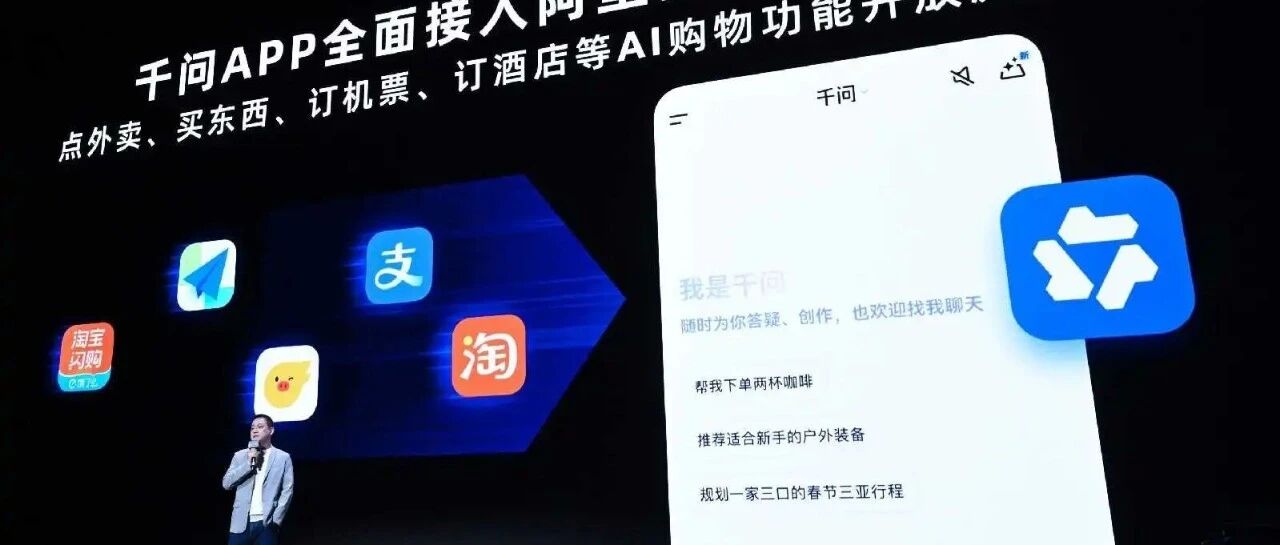
大赛扎堆的2026年,体育赛事的价值不止于文旅
3 6 Ke· 2026-02-25 07:47
Group 1 - The year 2026 is anticipated to amplify the value of sports events, with significant global competitions like the Milan Winter Olympics and the largest FIFA World Cup in history, indicating a shift in the role of sports events beyond traditional formats [1] - Local sports events, such as amateur leagues, are gaining popularity and driving local consumption, tourism, and domestic demand, highlighting the evolving significance of sports in urban life [1] - The integration of top-tier events with grassroots sports is expected to influence sports marketing and content creation, marking a shift towards a more interconnected sports industry [1] Group 2 - Major global events like the Olympics and World Cup remain critical for sports marketing, attracting cross-cultural attention and serving as valuable platforms for brands [2][4] - The rise of AI and digital technologies is reshaping how top-tier events are presented and experienced, with Chinese companies showcasing their capabilities at the Milan Winter Olympics [2][4] - The introduction of advanced broadcasting technologies, such as 360-degree replay systems, enhances viewer engagement and transforms the sports ecosystem [4] Group 3 - The increasing competition for advertising space at major events, such as the Super Bowl, reflects the growing importance of sponsorship in expanding brand visibility [6] - The upcoming FIFA World Cup in 2026, featuring an expanded format with 48 teams, presents a unique marketing opportunity for brands, particularly in the North American market [6] - The success of local leagues like the "Su Super League" demonstrates the potential for sports events to drive economic activity and attract sponsorships, with brands like Adidas investing significantly [9] Group 4 - The rise of grassroots sports events indicates a robust consumer market in China, with local culture and community engagement becoming integral to the sports narrative [7][9] - The collaboration between brands and local events, such as Adidas sponsoring the "Su Super League," exemplifies how sports can be leveraged for marketing and community connection [10] - Government policies aimed at enhancing sports consumption and developing a multi-tiered event system are expected to further stimulate the sports industry [10] Group 5 - Emerging sports events, such as the Ultimate Robot Knock-out Legend (URKL) league, illustrate the potential for new industries to utilize sports as a platform for commercialization and audience engagement [13][15] - The integration of technology and sports, as seen in events like the national drone football competition, showcases the growing intersection of new industries and sports events [15] - The evolving landscape of sports events is creating new demands and opportunities, linking technology, industry, and consumer experiences [15]
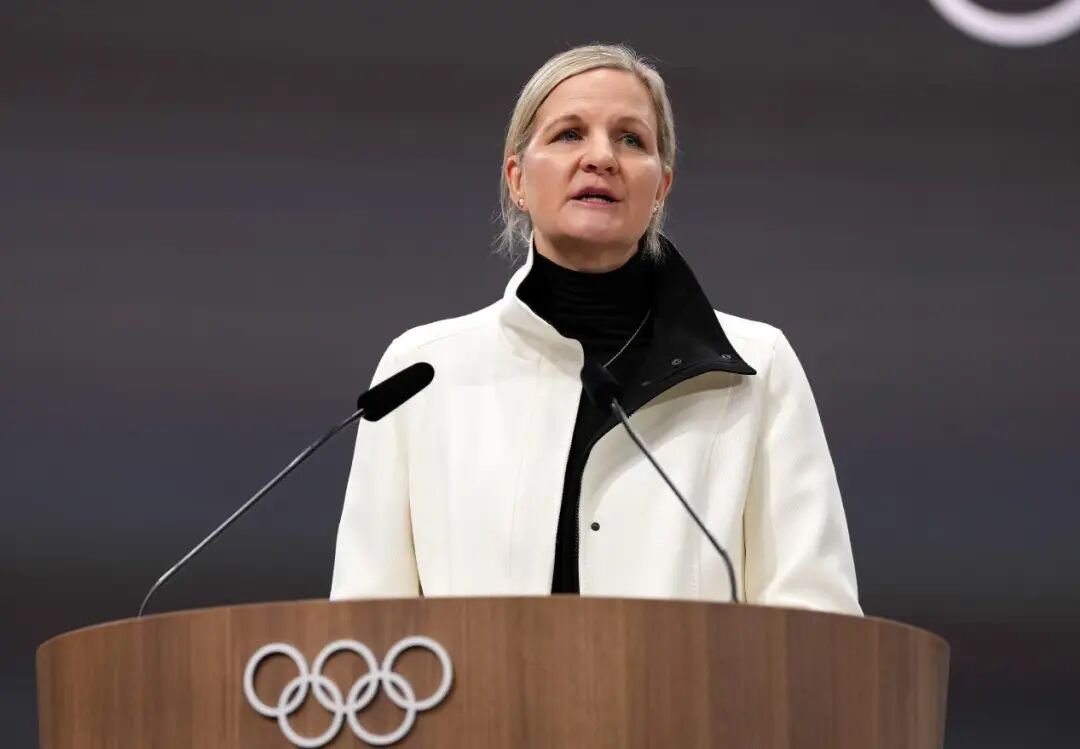
“新三样”增速抢眼 新场景火爆出圈
Xin Hua Wang· 2026-02-24 01:12
Core Insights - The consumption market in Hangzhou experienced a total amount of 177.49 billion yuan during the Spring Festival, marking a year-on-year growth of 7.6% [1] - The retail sector contributed 97.99 billion yuan with an 8.7% increase, while the catering sector saw a significant rise of 15.0% with 38.45 billion yuan in sales [1] Consumption Trends - New categories of products such as green, smart, and health-related items showed remarkable sales growth, becoming the "new three items" of this year's Spring Festival consumption market [2] - ROKID smart glasses sales surged by 580%, and Xiaomi AI home appliances increased by 10.8% [2] - The "Hangzhou Good Products" initiative saw government subsidies of 155.38 million yuan, leading to over 454.7 million yuan in sales [2] Policy Impact - The "old-for-new" policy has significantly boosted large-scale consumption, with over 14,000 transactions and sales exceeding 62 million yuan in the Binjiang District alone during the holiday [3] - The sales volume for new energy vehicles in the Xiaoshan District reached 150 million yuan, doubling compared to the previous year [3] Cultural and Tourism Integration - Various districts in Hangzhou organized events that attracted significant visitor numbers, such as the "Horse Power Full Open" event, which saw daily attendance exceeding 20,000, a growth of over 700% [3] - The integration of cultural and tourism elements has enhanced the overall consumer experience, with notable increases in visitor numbers across various attractions [3] External Consumption Growth - The "Come to Hangzhou for the New Year" campaign, in collaboration with platforms like Alipay and Xiaohongshu, generated 31.67 billion yuan in external consumption, reflecting a 27.3% increase [4] - The catering sector benefited from family gatherings and tourism, with some restaurants reporting over 25% growth in revenue [4] Technological Advancements - The use of AI technology during the Spring Festival allowed over 130 million people to experience AI shopping for the first time, resulting in a significant increase in orders across various categories [4] - The adoption of voice command ordering has rapidly gained popularity, enhancing the shopping experience during the holiday season [4]
奥运的AI转型,为何离不开阿里云?
3 6 Ke· 2026-02-11 10:45
Core Insights - The Milan Winter Olympics is being hailed as the "smartest" Olympic Games in history, showcasing the integration of artificial intelligence (AI) in various aspects of the event [1][5] - The collaboration between Alibaba Cloud and the Olympic movement has evolved beyond a mere sponsorship to a vision-driven innovation partnership, emphasizing shared values and technological advancement [6] Group 1: Technological Advancements - The transition from traditional broadcasting to cloud-based solutions has been significant, with the 2024 Paris Olympics expected to surpass satellite broadcasting in terms of distribution and processing volume [2] - The total content produced for the Olympics has dramatically increased from approximately 60,000 hours in the 2008 Beijing Olympics to nearly 500,000 hours for the 2024 Paris Olympics, while the physical space and carbon emissions associated with broadcasting have significantly decreased [2] - The introduction of 360-degree real-time replay technology and the "time-space slice motion trajectory" feature enhances viewer engagement by providing dynamic visualizations of athletes' performances [4][5] Group 2: AI Integration - The development of the first official Olympic large model, based on Alibaba's Qianwen model, allows national Olympic committees to utilize an AI assistant for real-time queries in their native languages [5] - The AI technology has transformed the way sports events are organized and operated, marking a significant milestone in the integration of AI into the Olympic framework [5] Group 3: Strategic Partnership - The partnership between Alibaba Cloud and the International Olympic Committee (IOC) is characterized by a high degree of alignment in values and a commitment to innovation, with Alibaba's team being viewed as an integral part of the IOC's technical team [6] - The collaboration aims to leverage technological innovations developed during the partnership for broader applications and commercial value, emphasizing the importance of making technology accessible to the general public [6]
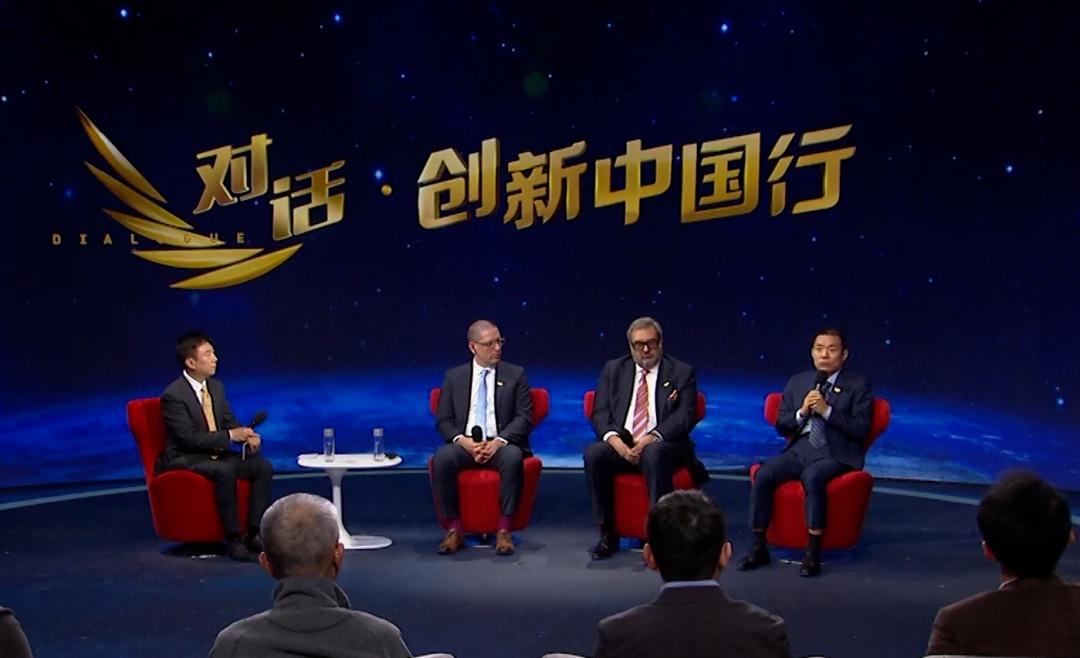
专访杨扬:期待更多中国品牌通过奥运会走向世界
2 1 Shi Ji Jing Ji Bao Dao· 2026-02-11 07:02
Group 1: Core Insights - The Milan Winter Olympics showcases Chinese brands and technology, with Li Ning and Anta providing uniforms and equipment for multiple national teams, highlighting China's growing influence in global sports [1] - The event is seen as a platform for Chinese brands to gain international recognition, with expectations for increased global acceptance of Chinese products [1][6] - The integration of sports with regional economic development is emphasized, particularly with the upcoming 15th National Games in the Greater Bay Area, which is expected to drive growth in tourism and related industries [1] Group 2: Ice and Snow Economy - The ice and snow economy is experiencing long-term effects post-Beijing Winter Olympics, with increased participation in winter sports and related activities [2] - The establishment of ice hockey and short track speed skating programs in cities like Hong Kong and Shenzhen indicates a growing integration of winter sports into urban life [2][16] Group 3: Athlete Career Management - The importance of early career planning for athletes is highlighted, suggesting that athletes should prepare for life after sports during their active years [4][5] - The management of athletes' careers should include considerations for post-retirement opportunities, emphasizing the need for education and skill development during their training [4][5] Group 4: China's Role in International Sports - China's participation in international sports organizations has expanded, with more Chinese representatives involved in decision-making processes, enhancing China's influence in global sports [7][11] - The recognition of China's anti-doping efforts by international sports leaders reflects the country's commitment to maintaining integrity in sports [12] Group 5: Commercialization of Sports - The commercialization of sports is identified as a key factor for sustainable development, with the need for star athletes to drive interest and engagement in sports [18][19] - The growth of commercial ice rinks and related facilities in regions like Hong Kong and Shenzhen demonstrates the potential for sports to become a significant economic driver [17][19]
中亦科技:公司与阿里千问大模型暂无合作
Zheng Quan Ri Bao· 2026-02-09 13:11
Group 1 - The core point of the article is that Zhongyi Technology has confirmed there is currently no collaboration with Alibaba's Qianwen large model [2] Group 2 - Zhongyi Technology responded to investor inquiries on its interactive platform regarding its partnership status with Alibaba [2]

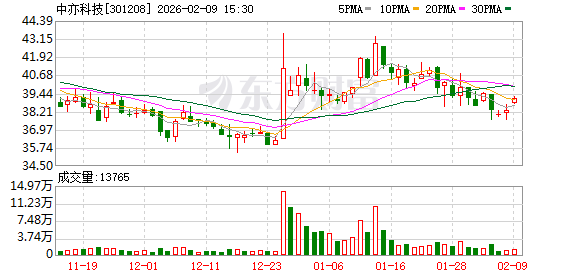
米兰冬奥会折射中国底气与温度
Huan Qiu Shi Bao· 2026-02-09 08:50
Group 1 - The Milan-Cortina Winter Olympics showcases the integration of traditional and modern elements, highlighting China's growing confidence and maturity in sports culture [4] - The Chinese delegation consists of 286 members, including 126 athletes, marking the largest participation in terms of both events and athletes for China in Winter Olympics history [1] - The development of China's ice and snow sports has been significantly influenced by the successful hosting of the Beijing Winter Olympics, leading to a broader participation across the country [1][3] Group 2 - China's ice and snow industry is projected to grow from 3.647 trillion yuan to 9.8 trillion yuan between 2016 and 2024, with an average annual growth rate of 21%, and is expected to exceed 10 trillion yuan by 2025 [3] - The popularity of ice and snow sports has led to a significant increase in consumer spending, with participation and related consumption expected to exceed 187.5 billion yuan in the 2024-2025 season, reflecting a year-on-year growth of over 25% [3] - The integration of technology in sports, such as AI and smart transportation systems, enhances the overall experience and safety for athletes and spectators, showcasing China's technological advancements [2]
中亦科技(301208.SZ):与阿里千问大模型暂无合作
Ge Long Hui· 2026-02-09 08:25
Group 1 - The core point of the article is that Zhongyi Technology (301208.SZ) has stated there is currently no collaboration with Alibaba's Qianwen large model [1] Group 2 - Zhongyi Technology has communicated this information through an interactive platform [1]