好奇纸尿裤

Search documents
金佰利拟并购科赴 大宝与高洁丝等将成“同门”
Mei Ri Jing Ji Xin Wen· 2025-11-05 14:49
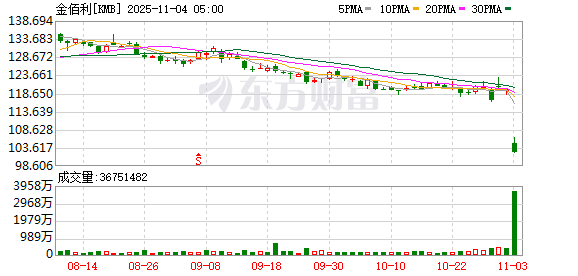
Core Viewpoint - The merger between Kimberly-Clark and Kenvue, valued at $48.7 billion, aims to create a stronger entity in the consumer health sector, enhancing their product offerings and market reach [1][3]. Group 1: Merger Details - Kimberly-Clark will acquire all outstanding shares of Kenvue through a cash and stock transaction, with an overall valuation of $48.7 billion [1]. - The merger is expected to be completed in the second half of 2026, with projected sales for the new company reaching $32 billion by 2025 [1][5]. - The deal reflects a strategic move rather than a mere opportunistic acquisition, as stated by Kimberly-Clark's CEO Mike Hsu [3]. Group 2: Complementary Strengths - Both companies have complementary strengths: Kimberly-Clark excels in baby care and women's health, while Kenvue has advantages in oral and skin care [4]. - The merger allows for geographical expansion, with Kimberly-Clark enhancing Kenvue's presence in China and Mexico, while Kenvue can help Kimberly-Clark grow in India and Western Europe [4]. Group 3: Market Reactions - Following the announcement, Kimberly-Clark's stock fell by 14.57% to $102.27 per share, while Kenvue's stock rose by 12.32% to $16.14 per share [5]. - Investors are concerned about Kenvue's recent performance, as it reported a 4.4% decline in organic sales for Q3 2025, contrasting with Kimberly-Clark's 2.5% growth [6]. Group 4: Future Implications - The merger is seen as a gamble that could either benefit or harm both brands, depending on the success of the integration process [7]. - The combined entity will be led by Kimberly-Clark's current CEO, with existing shareholders retaining a majority stake of 54% in the new company [6].
大宝与高洁丝将成“同门”,金佰利并购科赴背后:股价一跌一涨,市场在担忧什么
3 6 Ke· 2025-11-05 11:04
Core Viewpoint - The merger between Kimberly-Clark and Kenvue, valued at $48.7 billion, represents a strategic move to enhance their market position in the consumer health sector, particularly in personal care products [1][3][5]. Group 1: Merger Details - Kimberly-Clark will acquire all outstanding shares of Kenvue through a cash and stock transaction, with an overall valuation of $48.7 billion for Kenvue [1]. - The merger is expected to be completed in the second half of 2026, with projected sales for the new company reaching $32 billion by 2025 [3]. - Post-merger, Kimberly-Clark shareholders will hold 54% of the new company, while Kenvue shareholders will hold 46% [8][11]. Group 2: Strategic Rationale - The merger is seen as a strategic move rather than a mere opportunistic acquisition, focusing on enhancing product offerings in the fast-growing personal care category [5][11]. - Both companies have complementary strengths: Kimberly-Clark excels in baby care and feminine health, while Kenvue has advantages in oral and skin care [7][11]. - The merger aims to cover health needs across various life stages, including infant care, women's health, and family care [5][7]. Group 3: Market Reaction - Following the announcement, Kimberly-Clark's stock fell by 14.57%, while Kenvue's stock rose by 12.32%, indicating investor skepticism regarding the merger's potential benefits [8][11]. - Concerns include Kenvue's recent performance decline, with a 4.4% drop in organic sales in Q3, contrasting with Kimberly-Clark's 2.5% growth [11]. - The market is cautious about the integration process, which may face challenges due to the similar size of both companies [4][11].


大宝与高洁丝成“同门”,金佰利并购科赴催生320亿美元营收巨头背后:股价一跌一涨,市场在担忧什么
Mei Ri Jing Ji Xin Wen· 2025-11-04 13:57
Core Viewpoint - Kimberly-Clark and Kenvue have announced a strategic merger, with Kimberly-Clark acquiring Kenvue for a total valuation of $48.7 billion, aiming to enhance their market position in the consumer health sector [2][5][10]. Group 1: Transaction Details - The merger will be executed through a cash and stock transaction, with Kenvue's shareholders receiving $3.5 in cash and 0.14625 shares of Kimberly-Clark stock per share, totaling $21.01 per share, which is over 30% premium compared to Kenvue's closing price on November 3 [12]. - The transaction is expected to be completed in the second half of 2026, with projected sales for the new company reaching $32 billion in 2025, positioning it just behind Procter & Gamble's health and wellness segment [5][10]. Group 2: Strategic Rationale - The merger is described as a strategic move rather than an opportunistic one, focusing on enhancing product offerings in personal care and health sectors, which are seen as high-growth areas [6][10]. - Both companies have complementary strengths; Kimberly-Clark excels in baby care and women's health, while Kenvue has advantages in oral and skin care [9][10]. Group 3: Market Reaction - Following the announcement, Kimberly-Clark's stock fell by 14.57%, while Kenvue's stock rose by 12.32%, indicating investor skepticism regarding the merger's potential benefits [10][12]. - Concerns from investors stem from Kenvue's recent performance decline, with a 4.4% drop in organic sales in the third quarter, contrasting with Kimberly-Clark's 2.5% growth in the same period [12].
乐舒适再冲IPO,非洲征途步入更深腹地?
Sou Hu Cai Jing· 2025-09-15 07:57
Core Viewpoint - The competition in the domestic diaper market has intensified, leading some brands to focus on international markets for growth, with Leshu Shih's rapid rise in emerging markets being a notable example [1][2]. Company Overview - Leshu Shih Limited is a leading hygiene products company focused on emerging markets in Africa, Latin America, and Central Asia, having separated from the Sen Da Group in 2022 [2]. - The company has established eight factories and 51 production lines in Africa, with an annual production capacity exceeding 6.3 billion diapers and nearly 2.9 billion sanitary pads [2]. Business Model and Strategy - Leshu Shih's success is attributed to its localized production model, which significantly reduces costs, allowing it to offer products at prices approximately one-third of those of European and American competitors [3]. - The company has adopted a channel penetration strategy that covers both urban and rural markets in Africa [3]. Financial Performance - Revenue growth for Leshu Shih is projected to increase from $320 million in 2022 to $454 million in 2024, with net profit rising from $18 million to $95 million during the same period [4]. - Despite growth, revenue and net profit growth rates are expected to slow down significantly in 2024, raising concerns about future growth momentum [4][5]. Revenue Composition - The revenue share from baby diapers has decreased from 78.4% in 2022 to 71.8% in 2024, indicating a shift in the company's revenue structure [7]. - The sanitary pad segment has emerged as a new growth driver, with a compound annual growth rate of 30.6% from 2022 to 2024 [7][8]. Market Dynamics - The African market for hygiene products is characterized by intense competition from both local brands and international giants like Procter & Gamble and Kimberly-Clark [14][15]. - Local brands are gaining traction by offering products tailored to regional preferences and at lower price points, posing a challenge to Leshu Shih's market share [14][15]. Pricing and Profitability - Leshu Shih's pricing strategy targets the mid-range and mass markets, with diaper prices ranging from $0.09 to $0.20 per piece, and sanitary pads priced between $0.045 and $0.085 [10]. - The company's gross margin has improved from 23.0% in 2022 to 35.2% in 2024, but it remains lower than competitors like Procter & Gamble, indicating room for improvement in cost control and brand positioning [11]. Research and Development - Leshu Shih's R&D expenditure is notably low, with a research expense rate of only 0.1%, which may hinder its ability to innovate and compete effectively in the long term [12][13]. - The company has only four R&D personnel, which is insufficient for its diverse product lines and international operations [12]. Production Capacity and Expansion Plans - The utilization rate of Leshu Shih's diaper production capacity is 77.9%, indicating that over 20% of its capacity is underutilized [16]. - The company plans to expand its production capacity significantly through its IPO proceeds, which may lead to challenges in market absorption if demand does not keep pace with increased capacity [17].

251亿,舒洁要被卖了
投中网· 2025-06-20 07:58
Core Viewpoint - Kimberly-Clark is nearing the completion of a strategic sale of its non-North American tissue business, including the Kleenex brand, to Brazilian pulp supplier Suzano for approximately $3.5 billion (about 25.1 billion RMB) [1][15][21] Group 1: Company Background - Kimberly-Clark was founded in 1872 with an initial capital of $30,000 and has evolved from a paper mill to a leading consumer goods company [3] - The company launched its first disposable sanitary product, Kotex, during World War I, which significantly changed women's hygiene care [6] - Kimberly-Clark's flagship brand, Huggies, captured 50% of the North American premium diaper market shortly after its launch in 1978 [7][8] Group 2: Business Performance - In 2024, Kimberly-Clark reported annual revenue of $20.1 billion, with an organic sales growth of 3.2% and an adjusted operating profit of $3.2 billion, resulting in a gross margin of 36.5% [8][19] - The company holds a 21% share of the global tissue market, ranking second after Procter & Gamble, which has a 26% share [8][22] Group 3: Market Position and Strategy - The sale includes brands such as Kleenex, Scottex, and Andrex, which collectively generated annual net sales of less than $3.5 billion, making it the smallest and least profitable segment of Kimberly-Clark's core businesses [15][19] - The new joint venture will be registered in the Netherlands, employing 9,000 staff and operating 22 manufacturing plants globally [17][19] - Kimberly-Clark plans to use the proceeds from the sale for stock buybacks and shareholder returns, while also committing to invest $2 billion in its North American manufacturing network over the next five years [20][21] Group 4: Industry Trends - The transaction reflects a broader trend in the consumer goods industry towards vertical integration, as upstream pulp and paper companies acquire downstream brands to enhance their market position [22] - Rising tariffs have increased Kimberly-Clark's costs by $300 million annually, prompting the company to diversify its sourcing strategies and focus on core business areas [21][22]