宠物专车

Search documents
中国畜牧业协会宠物分会刘晓霞:“精致养宠”时代 宠物看病、出行为何仍是最大痛点?
Jing Ji Guan Cha Wang· 2026-01-15 09:47
Core Insights - The Chinese pet economy is experiencing a significant transformation, evolving from a simple interest to a mainstream lifestyle, with a shift from "dog and cat dominance" to a more diversified market structure that includes various pets [1][3] Group 1: Market Trends - By 2025, the number of urban dogs and cats in China is projected to reach 126 million, with a year-on-year growth of 1.8% [1] - The urban pet consumption market is expected to reach 312.6 billion yuan in 2025, reflecting a 4.1% increase from 2024 [5] - The market is transitioning from a phase of quantity growth to a focus on quality, with an emphasis on "refined pet care" [5][6] Group 2: Consumer Behavior - Pet owners are increasingly viewing their pets as family members and emotional companions, leading to a rise in personalized pet care and unique pet ownership experiences [4] - The demand for non-traditional pets, such as reptiles and aquatic animals, is growing, indicating a shift towards individual expression and community identity among younger pet owners [4] Group 3: Challenges in Services - There are significant service gaps in the pet care industry, particularly in areas such as veterinary care and pet travel, with 48.1% of pet owners citing high medical costs and 28.9% facing difficulties in traveling with pets [2][7] - The pet insurance market is facing challenges, with issues related to claims processing and high payout rates leading to a "win-win" situation for neither pet owners nor insurance companies [9][11] Group 4: Future Directions - The pet industry must address the mismatch between rapidly evolving consumer expectations and the current level of service provision, particularly in pet travel and healthcare [7][8] - To improve the pet insurance landscape, the industry needs to innovate products and establish a transparent medical data system to enhance trust and streamline claims processes [12]
滴滴2025年Q1财报:国内高增长,海外持续减亏
Sou Hu Cai Jing· 2025-06-09 11:19
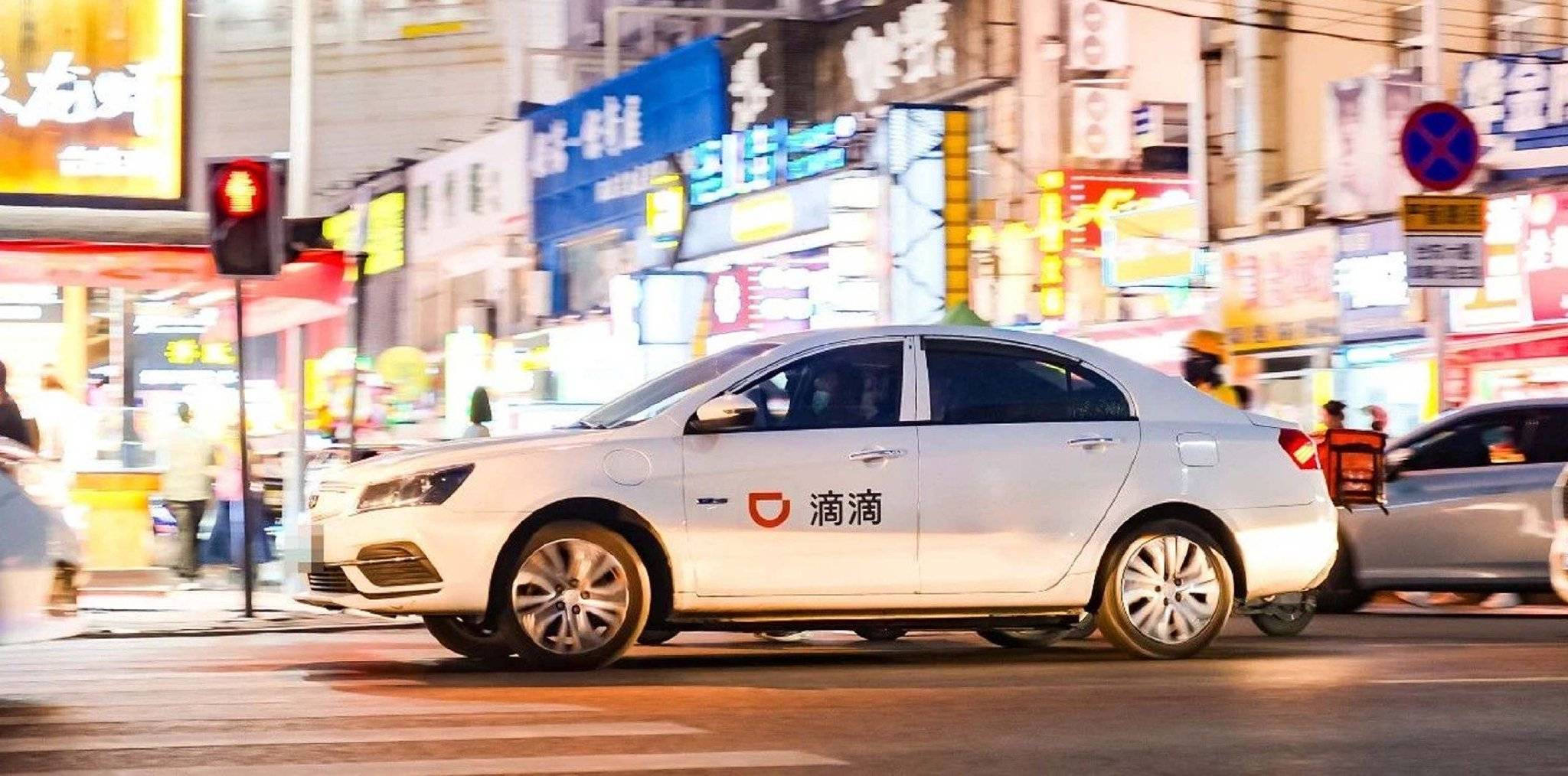
Core Viewpoint - Didi is solidifying its core ride-hailing business while also expanding into new areas to maintain its commercial momentum [1][10]. Financial Performance - In Q1 2025, Didi reported revenue of 53.262 billion yuan, a 9% increase year-over-year; net profit was 2.4 billion yuan, with adjusted net profit at 2.9 billion yuan [3]. - The total order volume for Didi's core platform, including domestic and international operations, reached 4.247 billion orders, a 13.4% increase from the previous year [3][5]. - The Gross Transaction Value (GTV) for the reporting period was 101.6 billion yuan, up 10.2% year-over-year, with a fixed exchange rate growth of 13.5% [7]. Business Segmentation - Domestic ride-hailing orders totaled 3.258 billion, a 10.3% increase, while international orders reached 989 million, growing by 24.9% [5]. - Daily average orders exceeded 47 million, with domestic daily orders at 36.2 million and international at 10.99 million [5]. Strategic Initiatives - Didi is diversifying its domestic offerings, including intercity buses and pet transportation services, to meet varied customer needs [8][9]. - The company is expanding its international presence, launching services in over 1,200 cities across nine countries, including plans for overseas charter services [9]. - Didi is investing in autonomous driving technology, with plans for a Robotaxi model to be delivered by the end of the year [9]. Market Positioning - Didi's approach emphasizes local service while promoting global investments to enhance local business and ecosystem development [10]. - The company is focusing on AI applications to optimize operations and improve user experience, indicating a shift towards efficiency-driven growth [12]. Capital Management - Didi has initiated a stock buyback plan, with a commitment to repurchase up to $10 billion in shares over two years, later increasing this to $20 billion [13]. - As of May 2025, Didi had repurchased approximately 264.7 million ADS, totaling about $1.153 billion [13]. Long-term Vision - Didi aims to transform the ride-hailing industry into a sustainable business by addressing smaller, specific customer needs with tailored solutions [14].