
滴滴出行

Search documents
全年45.05亿单 GTV增超28% 滴滴在海外不止于打车
Mei Ri Jing Ji Xin Wen· 2026-03-17 09:31
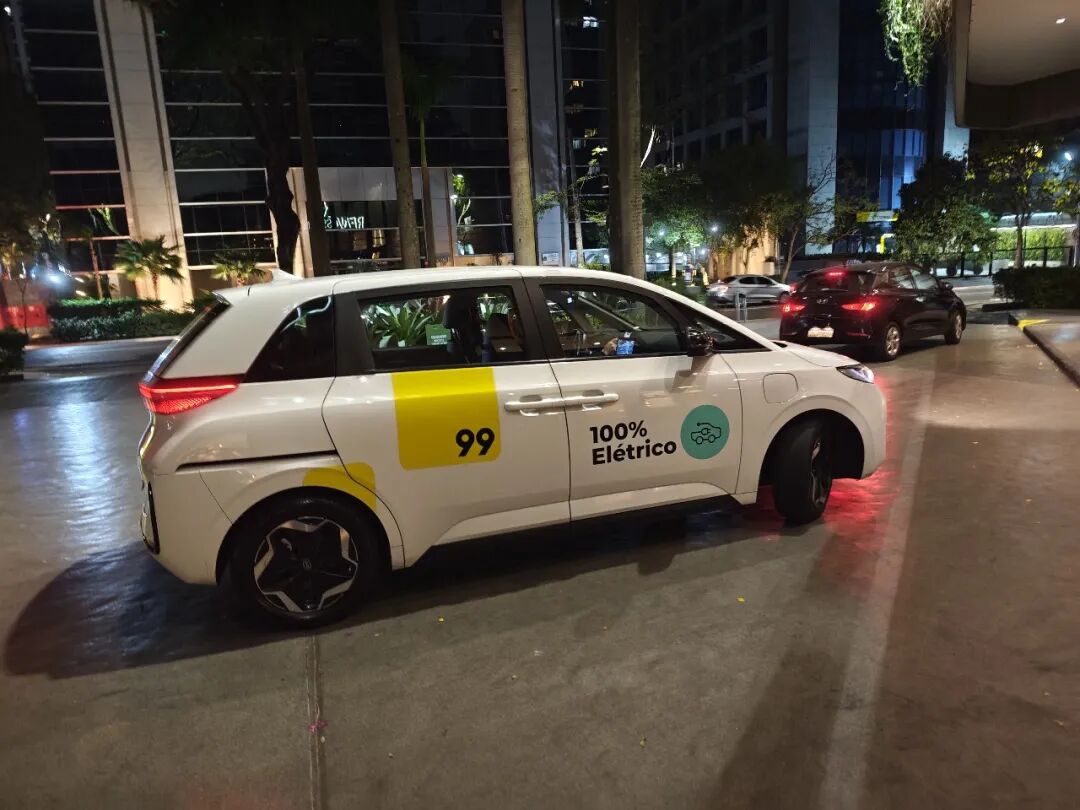
Core Insights - Didi's domestic business remains stable, with a total transaction volume of 13.735 billion orders in 2025, reflecting a year-on-year growth of 10.8% [1][13] - Didi's international business is entering a rapid growth phase, with international order volume reaching 4.505 billion in 2025, accounting for approximately one-third of the daily order volume of its Chinese operations [1][17] Domestic Business Performance - In Q4 2025, Didi's core platform (including both domestic and international businesses) saw a year-on-year order volume increase of 13.5%, totaling 4.844 billion orders, with a peak daily order volume exceeding 65 million [4][16] - Didi's domestic order volume grew by 10.1% year-on-year to 3.578 billion in Q4, with an average daily order volume of 38.9 million [4][16] - The company has maintained double-digit growth in domestic orders for 12 consecutive quarters since 2023, driven by increasing personalized travel demands and service quality expectations [4][16] International Business Growth - Didi's international business achieved a year-on-year order volume growth of 24.5% in Q4 2025, reaching 1.265 billion orders, with an average daily order volume of nearly 14 million [5][17] - The total order volume for international operations in 2025 was 4.505 billion, reflecting a year-on-year growth of 24.7% and a compound annual growth rate of 32% over the past three years [5][17] - Didi's international business has become profitable, particularly in key markets like Brazil and Mexico, demonstrating self-sustaining capabilities [7][19] Strategic Developments - Didi is focusing on strategic investments in Latin America, particularly in Brazil and Mexico, to create long-term value and sustainable growth [8][20] - The company is developing a one-stop service platform overseas, integrating ride-hailing, food delivery, and financial services to enhance user experience [9][21] - In Mexico, Didi has expanded from a ride-hailing platform to include financial and food delivery services, covering over 70 cities and serving more than 30 million users [10][22] Competitive Landscape - Didi's user base in Brazil has reached 55 million, with approximately 1.5 million drivers, covering over 3,300 towns [10][22] - Compared to competitors, Didi's brand recognition and traffic from ride-hailing services have reduced customer acquisition costs for its food delivery business [12][24] - The integration of motorcycle services into the delivery platform enhances operational efficiency, allowing for dual-use of drivers for both ride-hailing and delivery services [12][24]


赚麻了!滴滴25年营收2267亿:国内稳健增长,海外加速收获
Xin Lang Cai Jing· 2026-03-13 15:15
Core Insights - Didi's performance in both domestic and international markets has shown stability, with a positive outlook for 2025 [1][9] Domestic Performance - In Q4, Didi's domestic ride-hailing order volume increased by 10.1% year-on-year, maintaining double-digit growth for 12 consecutive quarters [3][11] - The Gross Transaction Value (GTV) for Q4 grew by 11.2%, indicating an increase in average order prices [3][11] - For the full year of 2025, domestic order volume is projected to grow by 10.8% to 13.735 billion orders, while GTV is expected to rise by 10.7% to 333.8 billion yuan [3][11] International Performance - In Q4, Didi's international order volume surged by 24.5% year-on-year to 1.265 billion orders, with a daily average of nearly 14 million orders [3][11] - The GTV for international operations in Q4 increased by 47.1% to 36.6 billion yuan, with a full-year GTV growth forecast of 28.2% to 117 billion yuan for 2025 [3][11][12] Business Strategy - Didi's CEO Cheng Wei emphasized increased strategic investment in overseas new businesses, which have exceeded expectations [5][12] - The company is focusing on multi-business synergy, particularly in the Latin American market, where its food delivery brand 99Food has been relaunched [5][13] - The competitive landscape in Brazil includes major players like iFood and Meituan's Keeta, with 99Food gaining market share in urban areas [13][14]
滴滴国际出行业务连续两年盈利
2 1 Shi Ji Jing Ji Bao Dao· 2026-03-13 14:31
Core Insights - Didi's Q4 2025 performance shows steady growth, with core platform order volume increasing by 13.5% year-on-year to 4.844 billion orders, and a peak daily order volume exceeding 65 million [1] - The total transaction value (GTV) for the core platform in Q4 rose by 19.9% year-on-year to 123.8 billion yuan, while the annual GTV reached 450.8 billion yuan, marking a 14.8% increase [1] - Didi's CEO highlighted the strong performance in both domestic and international markets, with a focus on strategic investments in overseas new businesses [1] Domestic Business Performance - In Q4 2025, Didi's domestic ride-hailing orders grew by 10.1% year-on-year to 3.578 billion, with an average daily order volume of 38.9 million [2] - The GTV for domestic services in Q4 increased by 11.2% year-on-year to 87.2 billion yuan, while the annual GTV reached 333.8 billion yuan, up 10.7% [2] - Didi has been diversifying its service offerings to meet personalized user demands, introducing various products and features to enhance user experience [2] User Engagement and Membership - Didi's core membership count increased by over 15% year-on-year in Q4, with more than 20 membership benefits launched, including partnerships with major brands [3] - The company is enhancing user experience through improved technology and service facilities across 165 cities, including major transportation hubs [3] International Business Growth - Didi's international business saw a 24.5% year-on-year increase in Q4 order volume, reaching 1.265 billion orders, with an annual growth of 24.7% to 4.505 billion orders [4] - The GTV for international operations surged by 47.1% in Q4 to 36.6 billion yuan, with a yearly increase of 28.2% to 117 billion yuan [4] - Didi's international services are now available in 14 countries and regions, serving over 100 million users [4] Expansion in Brazil - Didi's food delivery service in Brazil has expanded to over 60 cities, with plans to reach 100 cities by mid-2026 [5] - The company is also advancing its autonomous driving technology, with new Robotaxi models entering production and ongoing road tests [5]
国内稳底盘,海外拓增量,滴滴交出一份稳健答卷
Feng Huang Wang Cai Jing· 2026-03-13 14:19
Core Insights - Didi's Q4 2025 financial report shows a 13.5% year-on-year increase in core platform order volume, reaching 4.844 billion orders, with a peak daily order volume exceeding 65 million [1] - The total transaction value (GTV) for Q4 2025 increased by 19.9% year-on-year to 123.8 billion yuan, while the annual GTV for 2025 grew by 14.8% to 450.8 billion yuan [1] Domestic Business Performance - In Q4 2025, Didi's domestic ride-hailing orders grew by 10.1% year-on-year to 3.578 billion, with an average daily order volume of 38.9 million [2] - The annual order volume for domestic ride-hailing increased by 10.8% to 13.735 billion [2] - Didi's domestic GTV for Q4 rose by 11.2% to 87.2 billion yuan, with a 10.7% increase for the full year to 333.8 billion yuan [2] - The company attributes its growth to enhanced efficiency and a focus on user needs, driver income, and user retention [2][3] International Business Expansion - Didi's international business saw a 24.5% year-on-year increase in Q4 orders, totaling 1.265 billion, with GTV rising by 47.1% to 36.6 billion yuan [4] - For the full year 2025, international orders reached 4.505 billion, up 24.7%, with a compound annual growth rate of 32% over three years [4] - Didi's strategy includes significant investments in new overseas markets, focusing on delivery services, user acquisition, and local fulfillment capabilities [4][5] Unique Approach to International Markets - Didi's international strategy emphasizes local adaptation rather than direct replication of domestic models, focusing on technology and system output [5][6] - The company has successfully integrated its safety capabilities into local markets, as seen in Brazil, where it has become a leading ride-hailing platform [6] - Didi's international operations now cover 14 countries and regions, with over 100 million global users, moving towards a comprehensive local life app ecosystem [7] Investment in Autonomous Driving - Didi is strategically investing in autonomous driving technology, maintaining a low-profile yet focused approach [8][9] - The company has initiated all-weather, fully unmanned passenger testing in select areas, marking a significant advancement in its autonomous driving capabilities [9][10] - Didi plans to increase investment in autonomous driving research and operations, aiming to promote its technology globally [10] Conclusion - Didi's domestic market remains robust with steady growth in orders and users, while its international business is in a phase of investment and expansion, showing long-term potential [11] - The ongoing investment in autonomous driving provides a broad space for future development amid the AI wave [11]
滴滴国际出行业务连续2年盈利
Sou Hu Cai Jing· 2026-03-13 12:26
Core Insights - Didi's Q4 2025 performance shows steady growth, with core platform order volume increasing by 13.5% year-on-year to 4.844 billion orders, and a peak daily order volume exceeding 65 million [1] - The total transaction value (GTV) for the core platform in Q4 reached 123.8 billion yuan, a year-on-year increase of 19.9%, while the annual GTV for 2025 was 450.8 billion yuan, up 14.8% [1] - Didi's CEO highlighted the strong performance in both domestic and international markets, with a focus on strategic investments in overseas new businesses [1] Domestic Business Performance - In Q4 2025, Didi's domestic ride-hailing orders grew by 10.1% year-on-year to 3.578 billion, with an average daily order volume of 38.9 million [2] - The GTV for domestic services in Q4 increased by 11.2% to 87.2 billion yuan, while the annual GTV for 2025 was 333.8 billion yuan, reflecting a 10.7% growth [2] - Didi has been diversifying its service offerings to meet personalized user demands, introducing various products and features to enhance user experience [2] User Engagement and Membership - Didi's core membership count rose by over 15% year-on-year in Q4, with more than 20 membership benefits launched, including partnerships with major brands for cross-industry benefits [3] - The company has upgraded user experience in 165 cities, enhancing services at major transportation hubs [3] International Business Growth - Didi's international business saw a 24.5% year-on-year increase in Q4 order volume, reaching 1.265 billion orders, with an annual growth of 24.7% to 4.505 billion orders [4] - The GTV for international services in Q4 surged by 47.1% to 36.6 billion yuan, with a 28.2% annual increase to 117 billion yuan [4] - Didi's international operations cover 14 countries and regions, serving over 100 million users with various services [4] Expansion in Brazil - Didi's food delivery service in Brazil has expanded to over 60 cities, with plans to reach 100 cities by mid-2026 [5] - The company is also advancing its autonomous driving technology, with new Robotaxi models entering production and testing phases [5]
滴滴季报图解:营收584亿同比增10.5% 加大巴西外卖业务投入
Sou Hu Cai Jing· 2026-03-13 11:57
Core Insights - Didi's revenue for 2025 reached 226.7 billion RMB, a 9.6% increase from 206.8 billion RMB in the previous year, with significant contributions from both domestic and international operations [2][9] - The company reported an adjusted net profit of 7.863 billion RMB for 2025, marking a 41% increase from 5.6 billion RMB in the previous year [9] Financial Performance - For Q4 2025, Didi's revenue was 58.4 billion RMB, up 10.5% from 52.9 billion RMB in Q4 2024 [12] - Adjusted EBITA for 2025 was 3.671 billion RMB, down from 4.3 billion RMB in the previous year, with a significant loss in international operations [4][8] - The operating loss for Q4 2025 was 2.656 billion RMB, compared to an operating profit of 236 million RMB in Q4 2024 [6][24] Operational Highlights - Didi's core platform orders reached 4.844 billion in Q4 2025, a 13.5% increase from 4.266 billion in Q4 2024, with a total of 18.24 billion orders for the year, up 14% [12][14] - The total Gross Transaction Value (GTV) for Q4 2025 was 123.76 billion RMB, reflecting a 19.9% increase year-over-year [13][15] - International business GTV grew by 47.1% in Q4 2025, reaching 36.59 billion RMB [17][18] Strategic Developments - Didi appointed Liu Shaorong as Chief Legal Officer and Lai Chunbo as Chief Technology Officer, effective February 26, 2026 [10] - The company is expanding its international business, particularly in Latin America, with plans to extend its food delivery service to 100 cities in Brazil by mid-2026 [19] Cost and Expenses - Total costs and expenses for Q4 2025 were 58.778 billion RMB, an 8% increase from 54.25 billion RMB in Q4 2024 [20][22] - Sales and marketing expenses surged by 95% to 6.2 billion RMB, primarily due to increased consumer incentives and marketing costs [22] Cash Flow and Liquidity - As of December 31, 2025, Didi held cash and cash equivalents totaling 55.7 billion RMB, with a net cash generated from operating activities of 1.9 billion RMB for Q4 2025 [28]
8年超龄车延期3年营运?滴滴辟谣
Xin Lang Cai Jing· 2026-03-13 10:44
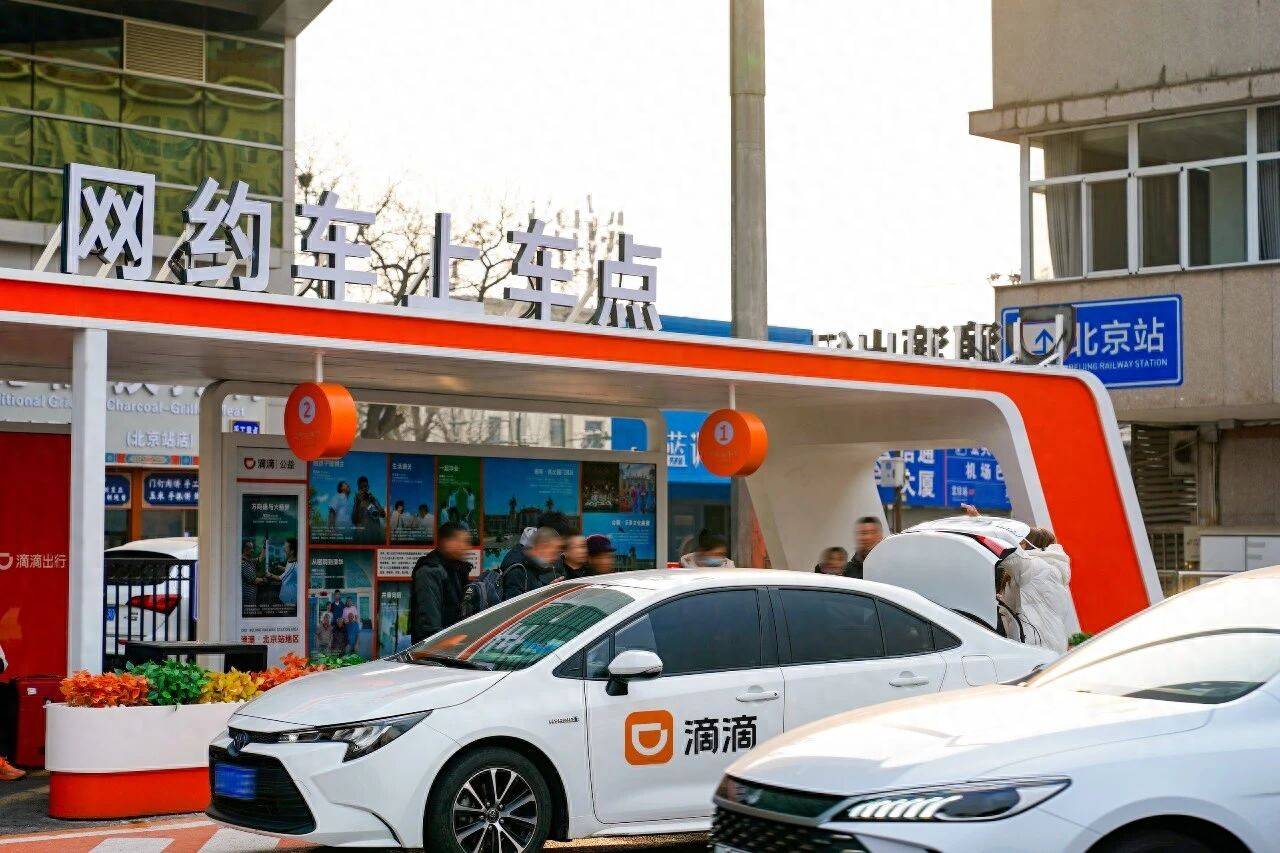
Group 1 - Didi Chuxing issued a statement denying rumors about a new policy allowing vehicles over 8 years old to continue operating for an additional 3 years, emphasizing adherence to national and local regulations [2][3][9] - The Ministry of Transport's regulations mandate that vehicles must be retired after 8 years or 600,000 kilometers, and Didi's platform rules reflect these standards [2][8] - Didi plans to pursue legal action against those spreading false information that misleads drivers [3][9] Group 2 - In Q4 2025, Didi's core platform orders increased by 13.5% year-on-year to 4.844 billion, with a peak daily order volume exceeding 65 million [3][10] - The total transaction value (GTV) for the core platform in Q4 rose by 19.9% to 123.8 billion yuan, while the annual GTV reached 450.8 billion yuan, a 14.8% increase [3][10] - Didi's adjusted net profit for Q4 was 530 million yuan, and the adjusted EBITA for the entire year was 3.67 billion yuan [3][10] Group 3 - Didi's domestic business saw a 10.1% increase in Q4 orders to 3.578 billion, maintaining double-digit growth for 12 consecutive quarters since 2023 [3][10] - The GTV for domestic services in Q4 grew by 11.2% to 87.2 billion yuan, with an annual growth of 10.7% to 333.8 billion yuan [4][10] - Didi's international business orders surged by 24.5% in Q4 to 1.265 billion, with an annual increase of 24.7% to 4.505 billion [6][10] Group 4 - The GTV for international operations in Q4 increased by 47.1% to 36.6 billion yuan, with a yearly growth of 28.2% to 117 billion yuan [6][10] - Didi's international services are available in 14 countries and regions across Latin America, Asia-Pacific, and Africa, serving over 100 million users [6][10]

滴滴去年四季度中国出行日均订单量攀升至3890万单
Xin Jing Bao· 2026-03-13 10:32
Core Insights - Didi's Q4 2025 performance report shows a 13.5% year-on-year increase in core platform order volume, reaching 4.844 billion orders, with a peak daily order volume exceeding 65 million [1] - For the full year 2025, the core platform order volume reached 18.24 billion orders, reflecting a 14% year-on-year growth [1] - The increase in order volume has led to an expansion in transaction scale, with Q4 GTV growing by 19.9% to 123.8 billion yuan, and full-year GTV increasing by 14.8% to 450.8 billion yuan [1] Domestic Business Performance - In Q4 2025, Didi's domestic ride-hailing orders grew by 10.1% year-on-year to 3.578 billion orders, with an average daily order volume of 38.9 million [1] - For the full year 2025, domestic ride-hailing orders increased by 10.8% to 13.735 billion orders, with GTV rising by 10.7% to 333.8 billion yuan [1] - Didi launched several new services in 2025, including charter services, pet transportation, overseas travel, and a women-friendly initiative [1] International Business Expansion - Didi's international business saw a significant growth of 24.7% in order volume, reaching 4.505 billion orders in 2025, with GTV increasing by 28.2% to 117 billion yuan [1] - The international operations currently cover 14 countries and regions across Latin America, Asia-Pacific, and Africa, serving over 100 million users with transportation, delivery, and financial services [1] - Didi has been expanding its presence in Brazil, accumulating 55 million active users and 150,000 drivers, with services covering over 3,300 towns [2] Strategic Initiatives - Didi's CEO emphasized increased strategic investment in overseas new businesses, which have exceeded growth expectations, showcasing the synergistic value of multiple services in the Latin American market [2] - The company plans to expand its food delivery service, 99, to 100 cities in Brazil by mid-2026 [2] - Didi has also initiated the delivery of its next-generation Robotaxi model R2, with plans to enhance investment in autonomous driving research and operations [2]
滴滴国际业务保持高速增长:四季度GTV同比增长47.1%
Sou Hu Cai Jing· 2026-03-13 09:56
Core Insights - Didi's Q4 2025 performance shows steady growth, with core platform order volume increasing by 13.5% year-on-year to 4.844 billion orders, and a peak daily order volume exceeding 65 million [2] - For the full year 2025, the core platform order volume reached 18.24 billion, reflecting a 14% year-on-year growth [2] - The increase in order volume has led to an expansion in transaction scale, with Q4 core platform Gross Transaction Value (GTV) rising by 19.9% to 123.8 billion yuan, and a full-year GTV growth of 14.8% to 450.8 billion yuan [2] Domestic Business Performance - In Q4 2025, Didi's domestic ride-hailing orders grew by 10.1% year-on-year to 3.578 billion, with average daily orders reaching 38.9 million [3] - The full-year domestic order volume increased by 10.8% to 13.735 billion [3] - Domestic GTV for Q4 rose by 11.2% to 87.2 billion yuan, with a full-year GTV growth of 10.7% to 333.8 billion yuan [3] User-Centric Innovations - Didi is focused on creating user value by diversifying travel scenarios and launching services tailored to different demographics, such as pet travel and women-friendly programs [4] - The introduction of the AI travel assistant "Xiao Di" allows users to select from over 90 service tags, enhancing personalized travel experiences [4] - Didi's core membership has increased by over 15% year-on-year, with more than 20 member benefits launched, creating a comprehensive membership ecosystem [4] International Business Growth - Didi's international business saw a significant Q4 order volume increase of 24.5% to 1.265 billion, with a full-year growth of 24.7% to 4.505 billion [5] - The international GTV for Q4 surged by 47.1% to 36.6 billion yuan, with a full-year GTV increase of 28.2% to 117 billion yuan [6] - Didi's international operations cover 14 countries and regions, serving over 100 million users, with a strong presence in Brazil, where it has accumulated 55 million active users [7] Technological Advancements - Didi is advancing its autonomous driving technology, with the new generation Robotaxi model R2 delivered in January and ongoing road tests [8] - The company aims to promote Chinese autonomous driving technology globally while focusing on responsible technological innovation [9]

滴滴Q4再创新高,日订单峰值超6500万单
Sou Hu Cai Jing· 2026-03-13 09:44
Core Insights - Didi's Q4 2025 performance shows steady growth, with core platform order volume increasing by 13.5% year-on-year to 4.844 billion orders, and a peak daily order volume exceeding 65 million [1] - The total transaction value (GTV) for the core platform in Q4 reached 123.8 billion yuan, reflecting a year-on-year growth of 19.9%, while the annual GTV for 2025 was 450.8 billion yuan, up 14.8% [1] - Didi's CEO highlighted the continuous double-digit growth in China's ride-hailing sector for 12 consecutive quarters and strong international business performance, with strategic investments in overseas markets [1] Domestic Business Performance - In Q4 2025, Didi's domestic ride-hailing order volume grew by 10.1% year-on-year to 3.578 billion orders, with an average daily order volume of 38.9 million [2] - The GTV for domestic ride-hailing in Q4 was 87.2 billion yuan, marking an 11.2% increase year-on-year, while the annual GTV for 2025 reached 333.8 billion yuan, up 10.7% [2] - Didi has diversified its service offerings to meet personalized user demands, introducing various services such as pet transportation and premium ride options, and enhancing user experience through AI-driven solutions [2] International Business Growth - Didi's international business saw a significant order volume increase of 24.5% year-on-year in Q4, totaling 1.265 billion orders, with an annual growth of 24.7% to 4.505 billion orders for 2025 [4] - The GTV for international operations in Q4 surged by 47.1% to 36.6 billion yuan, with a 28.2% annual increase to 117 billion yuan for 2025 [4] - Didi's international services cover 14 countries and regions, serving over 100 million users, with a strong presence in Brazil, where it has accumulated 55 million active users [4][5] Technological Advancements - Didi is advancing its autonomous driving technology, with the new Robotaxi model R2 delivered in January and ongoing road tests in major cities [5] - The company is committed to integrating AI and other cutting-edge technologies into its services, enhancing user experience and operational efficiency [5]