小米12S Ultra

Search documents
徕卡10亿欧元卖身,为什么小米一定不能买?
36氪· 2026-01-29 13:31
Core Viewpoint - Leica is considering selling its shares, with an estimated valuation of approximately €1 billion, despite its current success in the luxury camera market, raising questions about the timing of the sale [5][12][26]. Group 1: Current Situation of Leica - Leica's ownership structure consists of 55% held by the Kaufmann family and 45% by Blackstone Group, which is now looking to sell its stake [9][10]. - The decision to sell is driven by the belief that Leica is at its peak, as private equity firms typically aim to sell at high points rather than low [12][13]. - Blackstone acquired its stake in Leica for €130 million in 2011 and has seen significant returns, making this an opportune time to exit [12][14]. Group 2: Historical Context and Brand Transformation - Andreas Kaufmann played a crucial role in Leica's turnaround by shifting its focus from mass-market cameras to luxury products, thus redefining its brand identity [18][19]. - The introduction of the digital M series and the establishment of Leitz Park have solidified Leica's status as a luxury brand, akin to Rolex in the camera industry [26][27]. - The brand's transformation has been marked by a strategic pivot to selling brand prestige rather than just products, which has proven successful in the luxury market [26][27]. Group 3: Potential Buyers and Market Dynamics - Potential buyers mentioned include private equity firms like Altor Equity Partners and tech companies like Xiaomi, which has a strong cash reserve [29][32]. - However, acquiring Leica could be detrimental for Xiaomi, as it may dilute the brand's luxury status and disrupt the successful partnership that has been built on mutual benefit [35][40]. - The article argues that Leica's ideal future ownership would be with investors who appreciate its heritage and allow it to maintain its brand integrity, rather than being absorbed by a tech giant [48][49].



徕卡又要出售了,中资买下百年可乐标?
36氪· 2026-01-27 01:43
Core Viewpoint - The potential sale of Leica Camera's controlling stake by its major shareholders, ACM and Blackstone, is generating significant interest in both the photography and technology sectors, with an estimated valuation of approximately €10-12 billion (around $12-15 billion) [4]. Group 1: Company Background - Leica Camera, founded in 1849, has a rich history in optical engineering, evolving from producing glasses and microscopes to creating the first 35mm camera prototype in 1914, which revolutionized photography [7][9]. - Over the past century, Leica has become synonymous with documentary photography, capturing pivotal moments in 20th-century history [10]. Group 2: Financial History and Ownership Changes - In 2004, Andreas Kaufmann acquired a majority stake in Leica for approximately €65 million ($82 million), rescuing the company from near bankruptcy and initiating a transition to digital imaging [12]. - Blackstone acquired 44% of Leica in 2011 for about €130 million ($179 million), valuing the company at approximately €278 million, and subsequently privatized it [14]. - Under Blackstone's ownership, Leica transformed from a traditional workshop into a global luxury brand, with a focus on high-end retail and product diversification [16]. Group 3: Recent Performance and Market Position - Leica's revenue has shown consistent growth, increasing from €450 million to €596 million over the past four fiscal years, despite a general decline in the traditional camera market [18]. - The company has successfully expanded into the mobile imaging sector, particularly through partnerships with major Chinese smartphone manufacturers like Huawei and Xiaomi, which have significantly boosted its revenue [21][30]. Group 4: Strategic Partnerships - The collaboration with Huawei, initiated in 2016, led to the successful launch of the Huawei P9, which sold over 12 million units within a year, demonstrating the effectiveness of the partnership in enhancing brand value and market presence [25][26]. - Following the end of the partnership with Huawei in 2022, Leica sought new collaborations and found a strategic partner in Xiaomi, which has helped elevate Xiaomi's brand positioning in the high-end market [28][31]. Group 5: Future Prospects and Potential Buyers - Blackstone's decision to sell its stake is driven by the need to realize investment returns after exceeding the initial exit timeline of 5-7 years, with potential buyers including Chinese private equity firms and European investors [20]. - The potential acquisition by a Chinese firm could further enhance Leica's growth in the rapidly expanding Chinese market, which saw a 25% increase in sales last year [36].
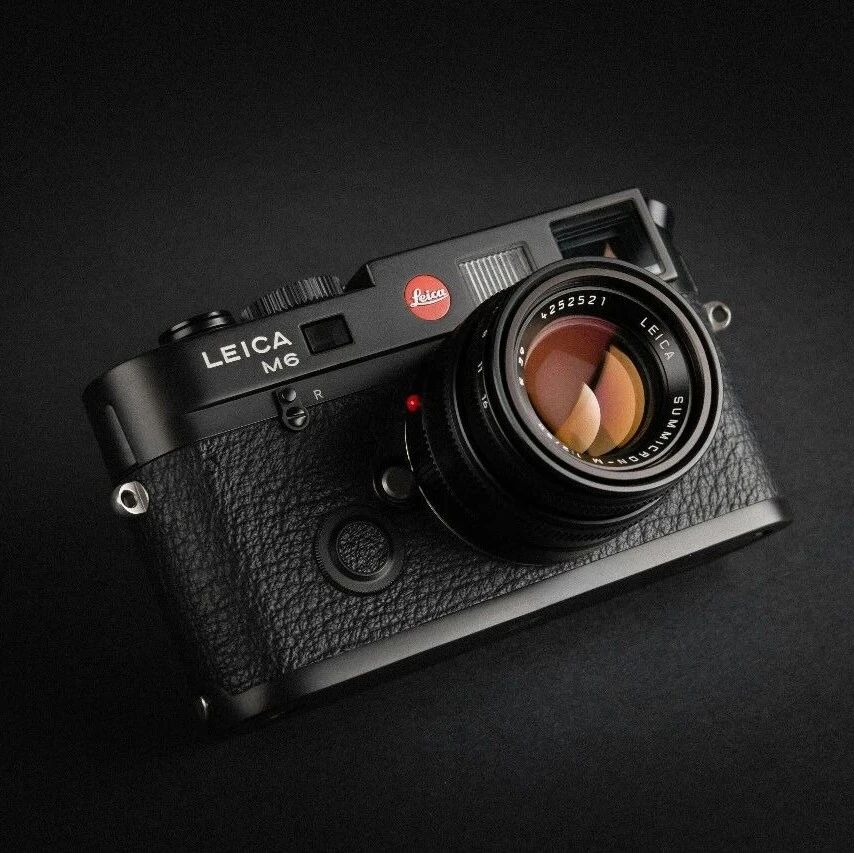
徕卡又要出售了,中资买下百年可乐标?
Xin Lang Ke Ji· 2026-01-26 01:20
Core Viewpoint - Leica Camera, a century-old iconic brand, is considering a sale of its controlling stake, with an estimated valuation of approximately €10-12 billion ($12-15 billion) [1] Group 1: Company Background - Leica's origins trace back to 1849 when Carl Kellner founded the "Optical Institute" in Germany, which later evolved into the Leica brand [3] - The brand has become synonymous with documentary photography, having been used by renowned photographers throughout the 20th century [5] - Leica has undergone significant transformations, including a near bankruptcy in the digital age, before being rescued by Andreas Kaufmann in 2004 [8] Group 2: Ownership and Financials - The current ownership structure consists of ACM holding 55% and Blackstone holding 45% of Leica [8] - Blackstone's investment in 2011 valued Leica at approximately €278 million, and the firm has since helped elevate Leica into a luxury brand [9][12] - Leica's revenue has seen consistent growth, increasing from €450 million to €596 million over the past four fiscal years, despite a slowdown in growth rate [11][12] Group 3: Strategic Partnerships - Leica has established significant partnerships with Chinese tech giants Huawei and Xiaomi, which have contributed to its revenue growth in the mobile imaging sector [10][18] - The collaboration with Huawei, which began in 2016, significantly boosted Leica's brand exposure and revenue, although it ended in 2022 due to Huawei's market challenges [16][18] - The partnership with Xiaomi, initiated in 2022, aims to enhance Xiaomi's brand positioning in the high-end market, providing Leica with stable returns [19][20] Group 4: Potential Buyers and Market Implications - Potential buyers for Leica include Chinese private equity firm HSG, Nordic private equity fund Altor Equity, and German optics giant Zeiss [1][20] - A successful acquisition by HSG could further enhance Leica's growth in the Chinese market, which has seen a 25% increase in sales [20] - The sale process is being managed by Morgan Stanley, and the outcome will depend on both the bidding price and regulatory considerations [10][21]

徕卡又要出售了,中资买下百年可乐标?|硅谷观察
Xin Lang Cai Jing· 2026-01-26 00:11
Core Viewpoint - Leica Camera's major shareholders, ACM and Blackstone, are considering selling their controlling stake, with an estimated valuation of €10-12 billion ($12-15 billion) [1][34][35] Group 1: Company Background - Leica's origins trace back to 1849 when Carl Kellner founded the "Optical Institute" in Germany, which later evolved into the Leica brand [2][37] - The first 35mm camera prototype, Ur-Leica, was designed by Oskar Barnack in 1914, marking a significant milestone in photography history [6][39] - Leica has become synonymous with documentary photography, capturing pivotal moments throughout the 20th century [6][39] Group 2: Financial History and Ownership Changes - In 2004, Andreas Kaufmann acquired a majority stake in Leica for approximately €65 million ($82 million), rescuing the company from near bankruptcy [8][41] - Blackstone invested about €130 million ($179 million) in 2011 for a 44% stake, valuing Leica at approximately €278 million [9][42] - Currently, ACM holds 55% and Blackstone holds 45% of Leica's shares [9][42] Group 3: Brand Transformation and Market Performance - Blackstone's involvement has transformed Leica from a traditional workshop into a global luxury brand, positioning it as the "Rolls Royce of imaging" [12][44] - Leica's revenue has grown from €450 million to €596 million over the past four fiscal years, despite a declining traditional camera market [14][45] - The company has successfully diversified its business and adopted a luxury branding strategy, which has significantly increased its profit margins [12][45] Group 4: Exit Strategy and Market Dynamics - Blackstone is looking to exit its investment as it has surpassed the initial 5-7 year exit period agreed upon at the time of investment [15][46] - The potential sale is driven by a slowdown in revenue growth, with the last fiscal year's growth rate dropping to 7.6% [16][46] - The sale process has attracted interest from various potential buyers, including Chinese private equity firm HSG, European funds, and optical groups [1][35][56] Group 5: Strategic Partnerships - Leica has formed strategic partnerships with Huawei and Xiaomi, significantly boosting its presence in the mobile imaging market [14][49][52] - The collaboration with Huawei led to the successful launch of the P9 smartphone, which sold over 12 million units within a year, enhancing both brands' market positions [17][51] - Following the end of the partnership with Huawei, Leica has sought new collaborations, notably with Xiaomi, to maintain its growth trajectory in mobile imaging [20][52] Group 6: Future Prospects and Challenges - The upcoming sale of Leica's controlling stake may lead to significant changes in its operational strategy and market approach [25][56] - Potential buyers like Zeiss and HSG could influence Leica's future direction, particularly in expanding its market share in China, which has seen a 25% increase in sales [25][56] - The need for Leica to maintain brand prestige while increasing sales volume remains a critical challenge for its new ownership [31][62]

被手机影像干趴,佳能要放弃自产低端相机,Vlog相机成最后避风港?
3 6 Ke· 2025-12-25 02:57
Group 1 - Canon is considering outsourcing the production of some low-end products, particularly cameras and printers, due to increasing pressure on profit margins in the entry-level camera market [1][3] - The company had previously shut down its camera factory in Zhuhai, Guangdong, which primarily produced compact and entry-level cameras, indicating a shift in focus away from the low-end camera market [1][3] - The decline in entry-level cameras is attributed to the significant advancements in smartphone imaging technology, which has increasingly encroached on the market share of compact cameras [3][4] Group 2 - The entry-level camera segment has been in a long-term decline, with global digital camera shipments dropping from nearly 100 million units in 2010 to around 7-8 million units annually since 2020, representing a reduction to about one-tenth of its peak [11] - The traditional compact camera market has seen shipments fall from tens of millions to less than 2 million units, while low-end interchangeable lens cameras are also experiencing a contraction [11] - In contrast, flagship imaging smartphones are gaining popularity, with brands like Xiaomi seeing significant market share growth in Japan, particularly with high-end models like the Xiaomi 14 Ultra [13][15] Group 3 - Despite the overall decline in entry-level cameras, some manufacturers are still releasing new products, focusing on Vlog video capabilities to avoid direct competition with smartphones [16][18] - Canon and other brands are shifting their target audience for entry-level cameras from casual users to content creators, aligning with current market trends and consumer demands [18] - The potential outsourcing of entry-level camera production by Canon may indicate that this segment will not be entirely abandoned, but rather repositioned within the market [18]