
奢侈品化

Search documents
有钱人疯抢的老铺黄金,其实很缺钱
盐财经· 2026-03-28 09:34
Core Viewpoint - The article highlights the remarkable growth of Laopu Gold, which reported a 221% year-on-year revenue increase despite a general downturn in the gold jewelry industry, positioning itself as a leading luxury brand in China [3][5]. Group 1: Company Performance - Laopu Gold's revenue for 2023 was 3.18 billion yuan, with a net profit of 416 million yuan. Projections for 2024 show revenue increasing to 8.51 billion yuan and net profit rising to 1.47 billion yuan. By 2025, revenue is expected to reach approximately 27.3 billion yuan, with net profit hitting 4.87 billion yuan [5]. - The company's rapid growth is attributed to expanding brand influence, a dual-channel sales strategy, and accelerated product innovation [5]. Group 2: Market Positioning - Laopu Gold is projected to rank second in overall revenue among luxury brands in mainland China by 2025, surpassing Hermes and approaching LVMH [3][4]. - The brand's unique pricing strategy, which involves fixed pricing rather than fluctuating with gold prices, allows it to position itself as a luxury product rather than a commodity [14][17]. Group 3: Consumer Behavior - The brand has experienced significant consumer demand, with reports of long queues at stores during price hikes, indicating a strong market presence and consumer interest [8][9]. - Laopu Gold's pricing strategy has led to a perception of value appreciation among consumers, encouraging purchases before anticipated price increases [16][17]. Group 4: Financial Health - Despite impressive revenue growth, Laopu Gold reported a significant operating cash outflow of 6.848 billion yuan in 2025, raising concerns about its cash flow management [11][37]. - The company's inventory surged to 16.044 billion yuan, nearly quadrupling from the previous year, indicating a heavy reliance on stockpiling to support sales growth [37][39]. Group 5: Competitive Landscape - Laopu Gold's success has drawn attention from competitors, with traditional brands like Chow Tai Fook and Chow Sang Sang also reporting growth in their luxury product lines [32]. - International luxury brands have acknowledged Laopu Gold's impact on the market, suggesting that it is influencing the competitive dynamics within the luxury jewelry sector [33]. Group 6: Future Challenges - The brand faces challenges in establishing itself as a true luxury brand, as its pricing remains closely tied to gold market fluctuations, which could impact its long-term sustainability [40][42]. - The transition from being perceived as a commodity to a luxury collectible is crucial for Laopu Gold's future success, especially in light of potential gold price volatility [42][43].

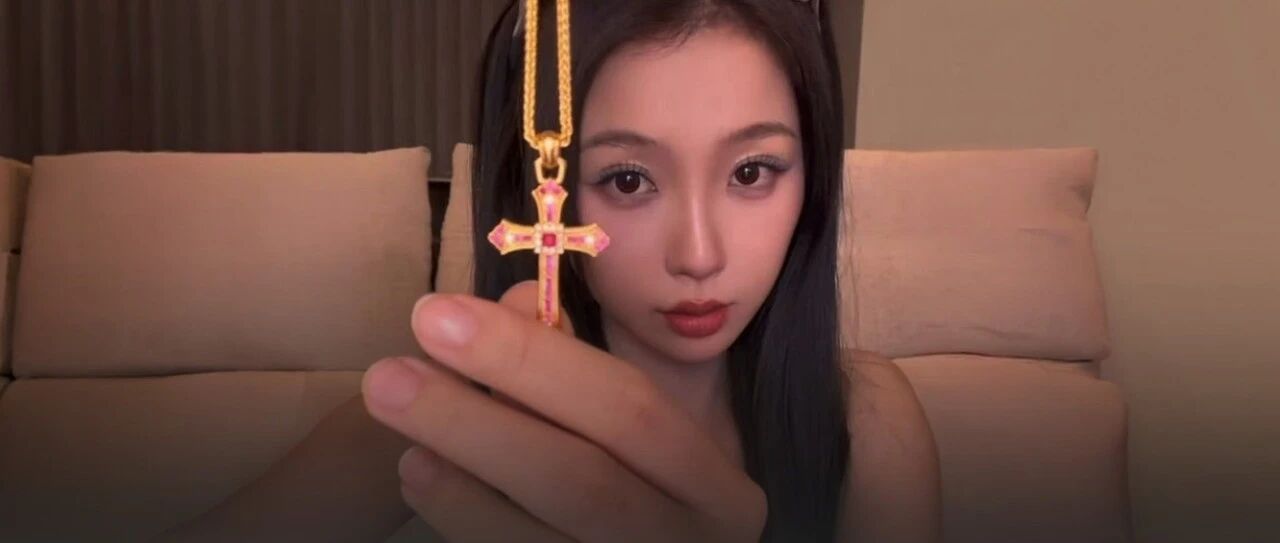
老铺黄金史上最大调价:越贵越有人买?
36氪· 2026-03-07 13:35
Core Viewpoint - The domestic gold and jewelry market in China is experiencing a significant price surge, with brands like Laopuhuang leading the way, resulting in an overall increase of over 10% across the industry. Laopuhuang's price hike of 20% to 30% marks the largest single increase in its history, igniting a buying frenzy among consumers despite the high prices [3][6][10]. Price Surge and Consumer Behavior - On February 27, the day before the price increase, long queues formed outside Laopuhuang stores in major cities like Beijing and Shanghai, with consumers eager to purchase before the price hike. The announcement of the price adjustment on February 18 triggered immediate buying activity both online and offline, leading to record sales figures [6][10]. - Laopuhuang's online sales reached over 3 billion yuan within seconds of launching a promotional event, with total sales exceeding 10 billion yuan for the day. High-value items sold out within minutes, demonstrating the strong demand [6][7]. Investment Perspective - Some consumers are treating Laopuhuang products as investment assets, with reports of individuals reselling items at a profit shortly after purchase. This shift in perception indicates that consumers view these products as not just jewelry but as valuable assets [8][12]. - The brand's price increases have led to a perception of high value and potential for appreciation, with many consumers willing to pay premium prices to secure items they believe will continue to rise in value [11][13]. Market Dynamics and Brand Positioning - Laopuhuang has differentiated itself from traditional jewelry brands by adopting a fixed-price model that incorporates craftsmanship and brand uniqueness, rather than relying solely on gold prices plus labor costs. This strategy has allowed the brand to establish a pricing power distinct from competitors [11][12]. - The brand has undergone five price increases from 2024 to 2025, totaling a 64% increase, with the latest adjustments pushing prices nearly double over two years. This trend has created a market consensus where consumers expect prices to continue rising [10][11]. Competitive Landscape - The overall jewelry market is also experiencing price increases, with competitors like Chow Tai Fook and Chow Sang Sang raising prices by 5% to 30%. This competitive environment suggests that Laopuhuang's pricing strategy may face challenges as more brands enter the luxury gold segment [15][17]. - As competition intensifies, Laopuhuang's unique selling proposition of traditional craftsmanship and scarcity may be diluted, necessitating a focus on maintaining pricing power and high margins to sustain its luxury brand status [17][18].

奢侈品人才,正向高端运动品牌迁徙
3 6 Ke· 2026-02-05 03:07
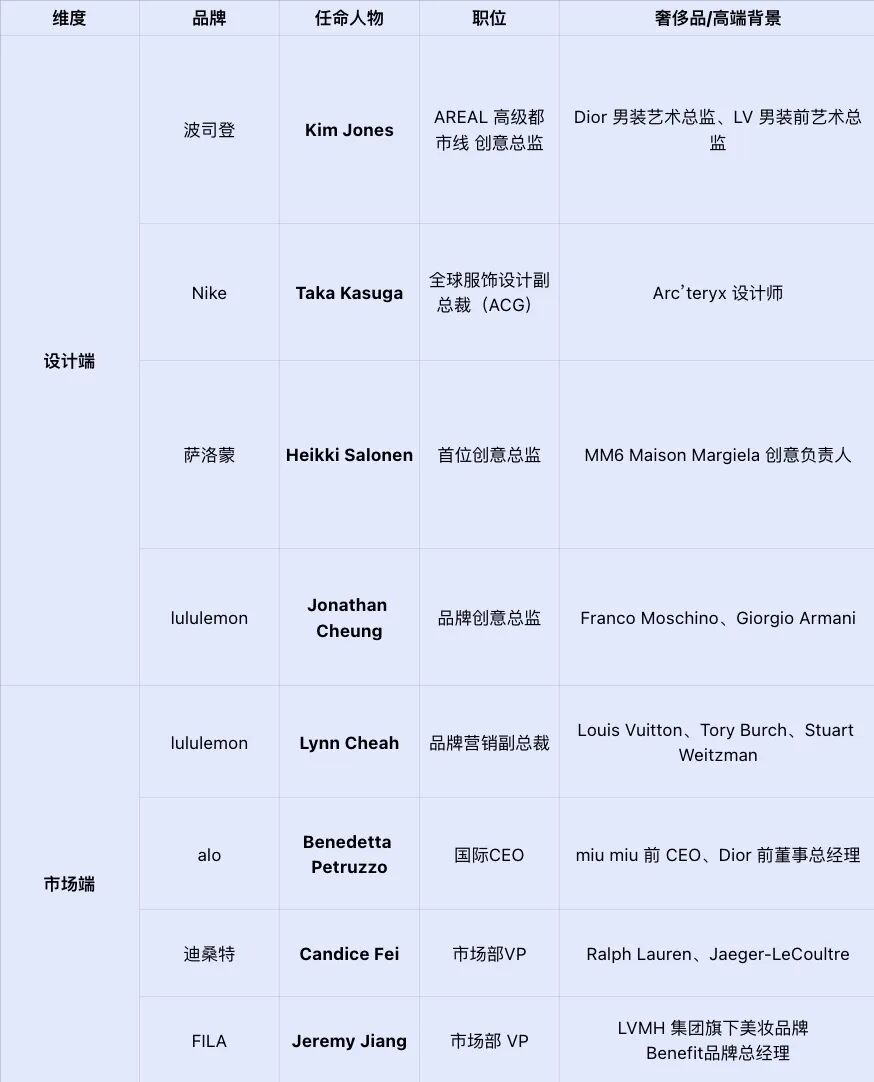
Core Insights - High-end sports brands are increasingly attracting talent from the luxury goods sector, indicating a shift in focus towards luxury branding and marketing strategies [1][3][16] - The trend of hiring executives with luxury backgrounds is evident across both design and marketing roles within high-end sports brands [2][11][14] Design Sector - Bosideng appointed Kim Jones, former artistic director of Dior menswear, as the creative director for its AREAL high-end urban line [2][7] - Nike hired Taka Kasuga, a former designer at Arc'teryx, as the global vice president of apparel design for its ACG product line [2][7] - Salomon announced Heikki Salonen as its first creative director, previously responsible for successful product lines at MM6 Maison Margiela [2][10] Marketing Sector - Alo appointed Benedetta Petruzzo, former CEO of Miu Miu and managing director at Dior, as its international CEO [2][11][13] - Lululemon has made significant changes in its marketing leadership, hiring Lynn Cheah, who has experience with luxury brands like Louis Vuitton and Tory Burch, as its vice president of marketing [2][11] - Descente and FILA have also recruited executives with luxury backgrounds for their marketing departments [2][13] Market Trends - Collaborations between luxury brands and sports brands have been a precursor to this talent migration, with successful partnerships like On and Loewe, and HOKA and Moncler [3][6] - Limited edition products from these collaborations have maintained high resale values in the secondary market, indicating a successful "luxuryization" of sports brands [4][6] Product and Pricing Strategy - High-end sports brands are adopting luxury pricing strategies, with products like Bosideng's long down jacket priced around 4000 RMB and Descente's ski suits exceeding 9000 RMB [16] - Lululemon's winter down jackets are priced around 3000 RMB, reflecting a shift towards luxury positioning in product offerings [18] Retail and Customer Experience - High-end sports brands are strategically locating their stores in luxury shopping districts, often adjacent to luxury brands [18][20] - Store designs are being enhanced to reflect luxury aesthetics, with brands like Descente adopting unique architectural elements similar to luxury brands [21] - Customer service is being elevated to match luxury standards, with personalized experiences and exclusive services being offered [23] Conclusion - The movement of luxury talent into high-end sports brands signifies a broader trend of "luxuryization" within the sports industry, aiming to attract affluent consumers and enhance brand prestige [1][16][29]



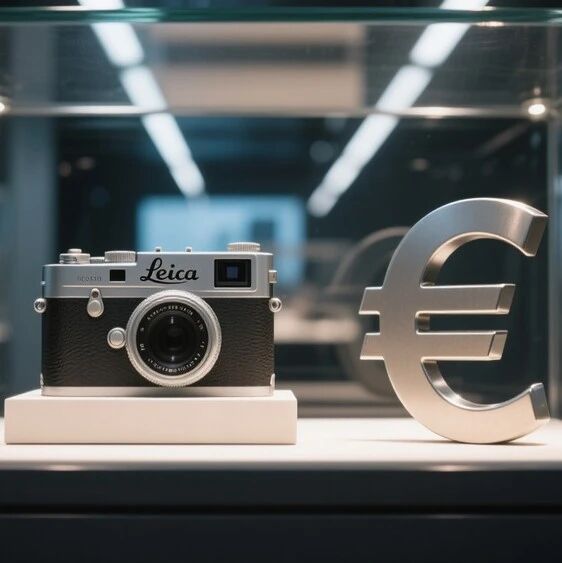
徕卡10亿欧元卖身,为什么小米一定不能买?
36氪· 2026-01-29 13:31
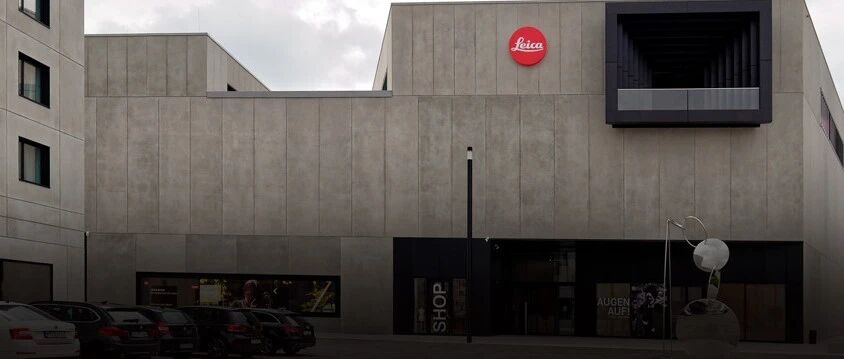
Core Viewpoint - Leica is considering selling its shares, with an estimated valuation of approximately €1 billion, despite its current success in the luxury camera market, raising questions about the timing of the sale [5][12][26]. Group 1: Current Situation of Leica - Leica's ownership structure consists of 55% held by the Kaufmann family and 45% by Blackstone Group, which is now looking to sell its stake [9][10]. - The decision to sell is driven by the belief that Leica is at its peak, as private equity firms typically aim to sell at high points rather than low [12][13]. - Blackstone acquired its stake in Leica for €130 million in 2011 and has seen significant returns, making this an opportune time to exit [12][14]. Group 2: Historical Context and Brand Transformation - Andreas Kaufmann played a crucial role in Leica's turnaround by shifting its focus from mass-market cameras to luxury products, thus redefining its brand identity [18][19]. - The introduction of the digital M series and the establishment of Leitz Park have solidified Leica's status as a luxury brand, akin to Rolex in the camera industry [26][27]. - The brand's transformation has been marked by a strategic pivot to selling brand prestige rather than just products, which has proven successful in the luxury market [26][27]. Group 3: Potential Buyers and Market Dynamics - Potential buyers mentioned include private equity firms like Altor Equity Partners and tech companies like Xiaomi, which has a strong cash reserve [29][32]. - However, acquiring Leica could be detrimental for Xiaomi, as it may dilute the brand's luxury status and disrupt the successful partnership that has been built on mutual benefit [35][40]. - The article argues that Leica's ideal future ownership would be with investors who appreciate its heritage and allow it to maintain its brand integrity, rather than being absorbed by a tech giant [48][49].

徕卡10亿欧元卖身,为什么小米一定不能买?
虎嗅APP· 2026-01-29 10:16
Core Viewpoint - Leica is reportedly considering selling its shares, valued at approximately €1 billion, which raises questions about the timing and implications of such a sale given its recent success in the luxury camera market [5][9]. Group 1: Current Situation of Leica - Leica's ownership structure consists of the Kaufmann family holding 55% and Blackstone Group holding 45% [7]. - Blackstone's decision to sell its 45% stake is driven by the belief that the company is at its peak, having recently reported record revenues close to €600 million [9][10]. - The sale is seen as a strategic move to capitalize on the high valuation, as Blackstone has held its stake for over a decade [10]. Group 2: Historical Context and Brand Transformation - Andreas Kaufmann played a crucial role in Leica's turnaround by shifting its focus from mass-market cameras to luxury products, thus redefining its brand identity [11][12]. - The transformation involved eliminating lower-end products and emphasizing the M series, which helped establish Leica as a luxury brand in the photography market [12][14]. - The brand's repositioning has led to its current status as a prestigious name in the camera industry, akin to Rolex in watches [14]. Group 3: Potential Buyers and Market Dynamics - Several potential buyers for Leica have been mentioned, including private equity firms like Altor Equity Partners and Sequoia China [16]. - Xiaomi has been frequently discussed as a potential acquirer due to its successful collaboration with Leica on smartphone cameras, which has significantly enhanced its imaging capabilities [18][19]. - However, acquiring Leica may not be beneficial for Xiaomi, as it could disrupt the successful brand partnership that relies on mutual respect and brand positioning [20][21]. Group 4: Risks of Acquisition - The partnership between Xiaomi and Leica is based on leveraging Leica's brand prestige, which could be compromised if Leica were to be fully owned by a tech company [23][25]. - The article argues that Leica's value lies in its cultural and brand heritage, which may not align with the fast-paced nature of technology companies [23][25]. - The ideal future for Leica may involve remaining with private equity firms or family funds that respect its brand identity and operational independence [27].
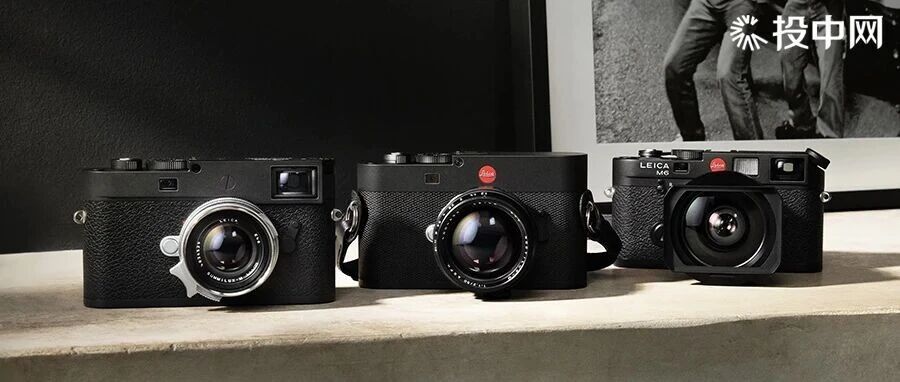
徕卡相机,要卖了
投中网· 2026-01-29 03:08
Core Viewpoint - The Austrian investment firm ACM and private equity giant Blackstone are considering selling their controlling stake in Leica Camera, with an overall valuation estimated between €1 billion to €1.2 billion (approximately ¥83 billion to ¥100 billion) [3][19]. Group 1: Sale Considerations - Multiple investment institutions have shown interest in acquiring Leica, including Asian private equity firm HSG, Swedish private equity company Altor Equity Partners, and Asian Optical Group [3][4]. - The negotiation process is still in its early stages despite the high interest from potential buyers [5]. - The current ownership structure of Leica consists of ACM holding 55% and Blackstone holding 45% [18]. Group 2: Historical Context - Leica was founded in 1849 and became a pioneer in the optical field, producing the first 35mm camera in 1913, which revolutionized photography [6]. - The company faced significant challenges during the digital imaging era, leading to financial difficulties and a near bankruptcy in 2004 [7][8]. - The Kaufmann family acquired a majority stake in Leica in 2005, providing liquidity and initiating a digital transformation [8]. Group 3: Blackstone's Role - Blackstone acquired a 44% stake in Leica in 2011 for approximately €130 million, revitalizing the brand and transforming it into a luxury label [10][12]. - The company's revenue doubled under Blackstone's management, with its valuation rising from €278 million in 2011 to the current €1 billion to €1.2 billion [16]. - Blackstone's investment strategy focuses on "buy, fix, and sell," which has been successfully applied to other brands like Hilton and Motel 6 [11]. Group 4: Financial Performance - Leica's revenue for the fiscal year 2024 is projected to reach €596 million, reflecting a year-on-year growth of 7.6% [15]. - The slowdown in revenue growth is a key factor prompting both major shareholders to consider exiting their investments [19]. Group 5: Future Considerations - The potential sale raises questions about how the new owners will maintain Leica's unique value in the digital age while exploring new growth opportunities [20].
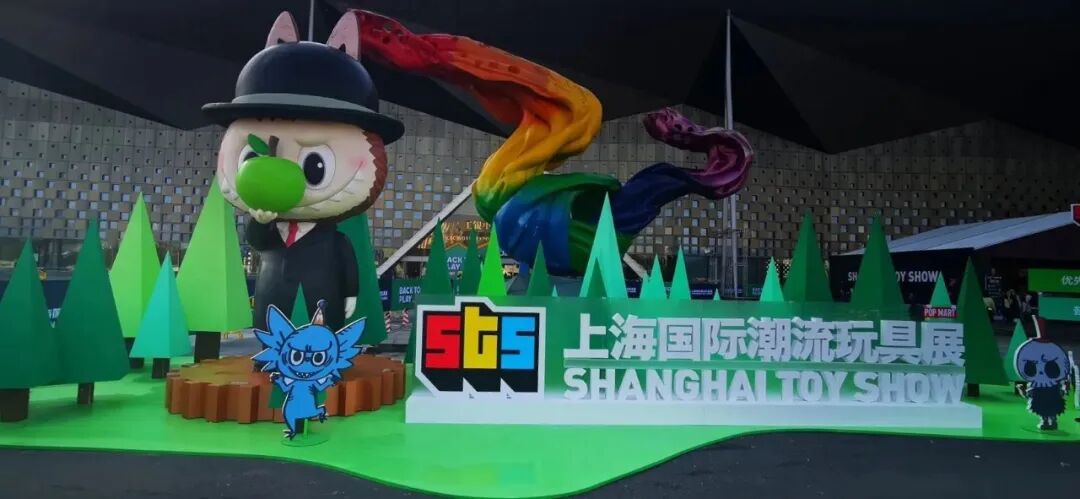
泡泡玛特:业绩狂飙,资本恐高
3 6 Ke· 2025-12-15 12:33
Core Insights - Apple CEO Tim Cook's visit to China, particularly to the Shanghai THE MONSTERS exhibition, symbolizes the intersection of tech giants and the collectible toy market, highlighting the cultural significance of this event in China's consumer history [1] - Despite impressive financial performance, Pop Mart's stock has seen a nearly 40% decline since its peak in August, indicating a disconnect between strong sales and investor sentiment [1][2] - The company's reliance on the Labubu IP raises concerns about sustainability and future growth, as it accounted for 34.7% of revenue in the first half of 2025, with a staggering growth rate of 668.4% [8][10] Financial Performance - In Q3 2025, Pop Mart reported a revenue growth of 245%-250% year-on-year, with overseas market revenue surging by 365%-370% [1][7] - The company's revenue for the first half of 2025 has already surpassed the total revenue for 2024, indicating robust sales performance [1] Market Dynamics - The collectible toy market has shifted towards lower-priced, instant gratification products post-pandemic, with Pop Mart capitalizing on this trend through its blind box offerings [3][5] - The initial hype around Labubu has begun to wane, with prices for hidden variants on secondary markets halving from their peak, reflecting a potential saturation of demand [1][7] Strategic Direction - Pop Mart aims to transition from a fast-fashion model to a luxury brand, seeking to position itself as a "Louis Vuitton" of the toy industry, with a focus on global expansion and premium branding [11][13] - The company has adopted a strategy of "sufficient scarcity," aiming to balance product availability with brand prestige, moving away from speculative pricing models [21][25] Consumer Behavior - The decline in speculative buying from resellers has led to a more stable consumer base, with Pop Mart focusing on genuine fans rather than speculative investors [20][25] - The company is implementing a product stratification strategy, ensuring that lower-tier products remain accessible while maintaining exclusivity for high-end offerings [23][24]

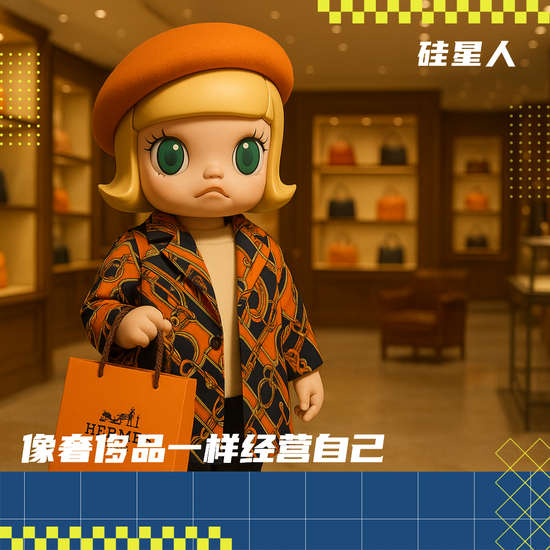
泡泡玛特越来越像爱马仕了
Xin Lang Cai Jing· 2025-12-10 10:12
Core Viewpoint - The recent reduction of holdings by early investors in Pop Mart has drawn attention to the company's evolving business model, which increasingly resembles that of luxury brands rather than just a novelty toy company [3][20]. Group 1: Company Performance - Pop Mart's stock price has surged over 400% in the past year, leading to a market capitalization of 250 billion HKD [3][20]. - The company has seen significant cash returns, with Bee Capital cashing out over 2.2 billion HKD from its pre-IPO shares [3][20]. Group 2: Business Model Evolution - The traditional "blind box" sales strategy is evolving, with Pop Mart increasingly adopting luxury brand tactics, such as scarcity and exclusivity [3][20]. - The company is expanding its store presence, with plans to have 401 stores and 2,300 robot stores in mainland China by the end of 2024, alongside 130 stores and 92 robot stores overseas [5][22]. Group 3: Luxury Brand Strategies - Pop Mart's sales tactics now include "配货" (bundling), where consumers must purchase less desirable items to acquire popular ones, mirroring strategies used by luxury brands [5][25]. - Limited edition products and high purchase thresholds for promotional items have created a sense of exclusivity, further aligning Pop Mart with luxury branding [9][28]. Group 4: Consumer Perception - Consumers are increasingly viewing Pop Mart products as luxury items, with some comparing them to high-end brands like Hermes [3][20]. - The brand's association with luxury is reinforced by collaborations with high-profile designers and appearances in prestigious retail spaces like Harrods [12][31]. Group 5: Market Positioning - Pop Mart's strategy includes positioning itself near luxury brands in retail environments to enhance its brand perception [33][34]. - The company aims to maintain a balance between being perceived as accessible yet exclusive, which is crucial for sustaining its market growth and consumer interest [34].
老凤祥上半年归母净利跌13%,5000万豪赌“奢品”能否自救
Xin Jing Bao· 2025-09-22 03:25
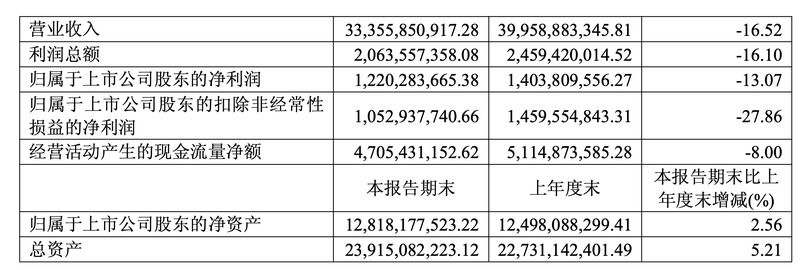
Core Viewpoint - The continuous rise in international gold prices has led to a historical high in domestic gold jewelry prices, prompting traditional jewelry companies like Lao Feng Xiang to seek strategic transformations to adapt to market changes and enhance their competitiveness in the high-end luxury market [1][2]. Company Summary - Lao Feng Xiang plans to establish "Lao Feng Xiang Luxury Sales Co., Ltd." with an investment of 50 million yuan to accelerate its entry into the mid-to-high-end luxury market, aiming to enhance its influence in the global luxury goods market [2][4]. - The company has faced declining revenues and profits, with a 20.5% drop in revenue to 56.793 billion yuan in 2024 and a 11.95% decrease in net profit to 1.95 billion yuan [4][6]. - In the first half of 2025, Lao Feng Xiang reported a revenue of 33.4 billion yuan, down 16.52% year-on-year, and a net profit of approximately 1.2 billion yuan, a decrease of 13.07% [4][6]. Industry Context - The jewelry industry is experiencing a shift towards high-end luxury branding, with a trend of reducing the number of brands and focusing on premium offerings [7]. - New entrants like Lao Pu Gold have shown significant growth, with a 251% increase in revenue and a 285.8% rise in net profit in the first half of 2025, highlighting the competitive pressure on traditional brands [4][5]. - The industry is witnessing a contraction in the number of franchise stores, with Lao Feng Xiang reducing its franchise outlets from 5,641 to 5,362, reflecting a broader trend of downsizing in the sector [5][6]. Strategic Challenges - Transitioning from a traditional jewelry brand to a luxury brand requires a comprehensive overhaul of brand identity, operational models, and possibly a reduction in franchise reliance [1][5]. - Lao Feng Xiang's current business model heavily relies on a franchise system, which may hinder its ability to convey a consistent luxury brand experience [6][7]. - The company must enhance its product differentiation and value addition to compete effectively in the high-end market, as evidenced by the contrasting performance with emerging brands [5][6].

老铺黄金的千亿虚弱 天价估值,幻影壁垒与奢侈悖论
2 1 Shi Ji Jing Ji Bao Dao· 2025-08-21 23:15
Core Viewpoint - The financial performance of Laopu Gold (老铺黄金) has shown remarkable growth, with significant increases in revenue and net profit, leading to a surge in stock price after the mid-term report was released. However, the stock has experienced volatility and a significant decline from its peak, raising questions about its valuation and sustainability in the luxury market [1][2][6][7]. Financial Performance - Laopu Gold reported a revenue of 12.354 billion yuan for the first half of 2025, a year-on-year increase of 251%, and a net profit of 2.268 billion yuan, up 285.8%. The adjusted net profit reached 2.35 billion yuan, reflecting a growth of 291% [1]. - The stock price rose by 8.84% to 782 HKD per share following the report, temporarily halting a selling trend that had persisted for over a month [1]. Market Position and Valuation - As of August 20, Laopu Gold's market capitalization was 109 billion HKD, with a price-to-earnings (P/E) ratio of 78.03, significantly higher than its competitor Chow Tai Fook, which had a P/E of 24.11 [2]. - The brand is often referred to as the "Hermès of Gold," but questions arise regarding whether its high valuation is justified given its sales performance and market dynamics [3]. Sales and Growth Drivers - Laopu Gold achieved sales of 14.182 billion yuan in the first half of 2025, a 249.4% increase, averaging daily sales of 77.5 million yuan, which is notable in a sluggish consumer environment [3]. - The brand's high gross margin, consistently above 40%, is attributed to its unique ancient gold craftsmanship, which commands a premium price compared to traditional brands [3][8]. Market Trends and Consumer Behavior - The market for ancient gold jewelry is projected to grow significantly, with estimates of 157.3 billion yuan in 2023 and 219.3 billion yuan in 2024. Laopu Gold is expected to capture a growing share of this market [4]. - The brand's channel efficiency is highlighted by its performance in high-end shopping centers, with average sales per store significantly exceeding those of competitors [4]. Brand Strategy and Challenges - Laopu Gold's marketing strategy has successfully attracted a loyal customer base, with a significant increase in membership and high repurchase rates [10]. - However, the brand faces challenges in maintaining its luxury image and product uniqueness, as competition in the ancient gold market intensifies and consumer preferences evolve [10][11]. Operational Insights - The company relies heavily on outsourced production, with a declining proportion of self-manufactured products, raising concerns about its ability to uphold its luxury brand narrative [11][12]. - The brand's ambition to position itself alongside established luxury brands like Hermès faces scrutiny due to its operational model and market perception [16][17].