小鸡炖蘑菇

Search documents
当“00后”掌管年夜饭,画风彻底变了……来晒晒你家的年夜饭!
Xin Lang Cai Jing· 2026-02-18 03:55
Group 1 - The article discusses the evolving nature of Chinese New Year dinners, highlighting how younger generations are taking charge of meal preparations and introducing new dishes, referred to as the "ninth cuisine" [1] - Traditional dishes are being complemented with modern twists, such as spicy noodle dumplings and fusion cuisine like Italian pasta with Chinese flavors [4][9] - The essence of family reunion remains unchanged despite the changing flavors and forms of the New Year dinner [9] Group 2 - Regional specialties are emphasized, showcasing unique dishes from various provinces, such as Shanxi's flower steamed buns and yellow millet cakes, and Northeast China's chicken stewed with mushrooms [10][14] - The article highlights the significance of fish in Jiangsu's New Year meals, where it is prepared in multiple ways, symbolizing abundance [19][20] - The culinary traditions from different regions, including Hubei's fish cakes and Guangxi's white-cut chicken, reflect the diverse cultural heritage of Chinese New Year celebrations [37][41][45]


华侨华人的年夜饭:一桌家乡菜 四海团圆味
Xin Lang Cai Jing· 2026-02-17 04:55
Group 1 - The article highlights the significance of the Chinese New Year's Eve dinner, emphasizing it as a time for family reunion and cultural traditions [1][2][3] - Various Chinese communities around the world prepare traditional dishes that reflect their regional heritage, such as Lanzhou's marinated pork and Shandong's spicy chicken [1][2] - The preparation for the New Year's Eve dinner involves a blend of traditional and local flavors, showcasing the integration of cultural practices in different countries [2][3] Group 2 - The article mentions specific dishes prepared by families, such as the use of lobster and steak in Australia, and the combination of Cantonese and Western cuisine in Los Angeles [2][3] - The act of gathering for the New Year's Eve dinner is portrayed as a cherished tradition that strengthens family bonds and connects individuals to their roots [3]
(新春见闻)柬埔寨中国学校的“团圆饭”
Xin Lang Cai Jing· 2026-02-16 10:53
Group 1 - The event held at the Cambodian Chinese School featured a "reunion" theme, celebrating the Chinese New Year with participants from various countries singing together in Chinese and Khmer [1] - The event marked the first time the Cambodian Chinese School organized a cultural exchange activity for the Spring Festival since its establishment over three years ago [2] - The school plans to collaborate with the Cambodian Ministry of Labor to launch a "Chinese + AI" skill training course aimed at enhancing career development and promoting cultural exchange between China and Cambodia [2] Group 2 - Participants expressed a sense of community and connection during the event, with attendees from different backgrounds sharing traditional Chinese dishes and celebrating together [1][2] - The event was attended by notable figures, including a special assistant to the Cambodian Deputy Prime Minister, who emphasized the importance of building connections through music [2] - The Cambodian Chinese School serves students from around the world and has established partnerships with local institutions to provide Chinese language training for Cambodian officials [2]
热气腾腾的中国年|梁家河的两顿“年茶饭”
Yang Shi Wang· 2026-02-15 13:02
Core Viewpoint - The articles highlight the importance of food and festive meals in Chinese culture, particularly during the Spring Festival, and reflect on the evolution of food availability and quality over the years in China, emphasizing the leadership's commitment to ensuring food security and improving the living standards of the people [3][5][11]. Group 1: Historical Context - Xi Jinping recalls a significant experience during his youth in Liangjiahe, where he and a fellow youth shared raw pork out of hunger, illustrating the scarcity of food at that time [3]. - The narrative includes Xi's early aspirations to ensure that villagers could regularly enjoy meat, showcasing his long-standing concern for food security [5][11]. Group 2: Current Practices and Observations - During recent inspections, Xi Jinping has shown a keen interest in the availability of traditional New Year foods, asking villagers about their preparations and ensuring that food supplies are adequate [6][8]. - The articles describe Xi's interactions with citizens regarding their New Year celebrations, emphasizing the importance of food quality and availability, and reflecting on the changes in dietary habits over the years [9][10][13]. Group 3: Cultural Significance - The concept of "Nian Cha Fan" (New Year food) is highlighted as a cultural staple during the Spring Festival, representing not just sustenance but also emotional and social connections among families [2]. - Xi's engagement with citizens during festive seasons, such as making dumplings and discussing traditional dishes, underscores the cultural significance of food in fostering community spirit and happiness [13].
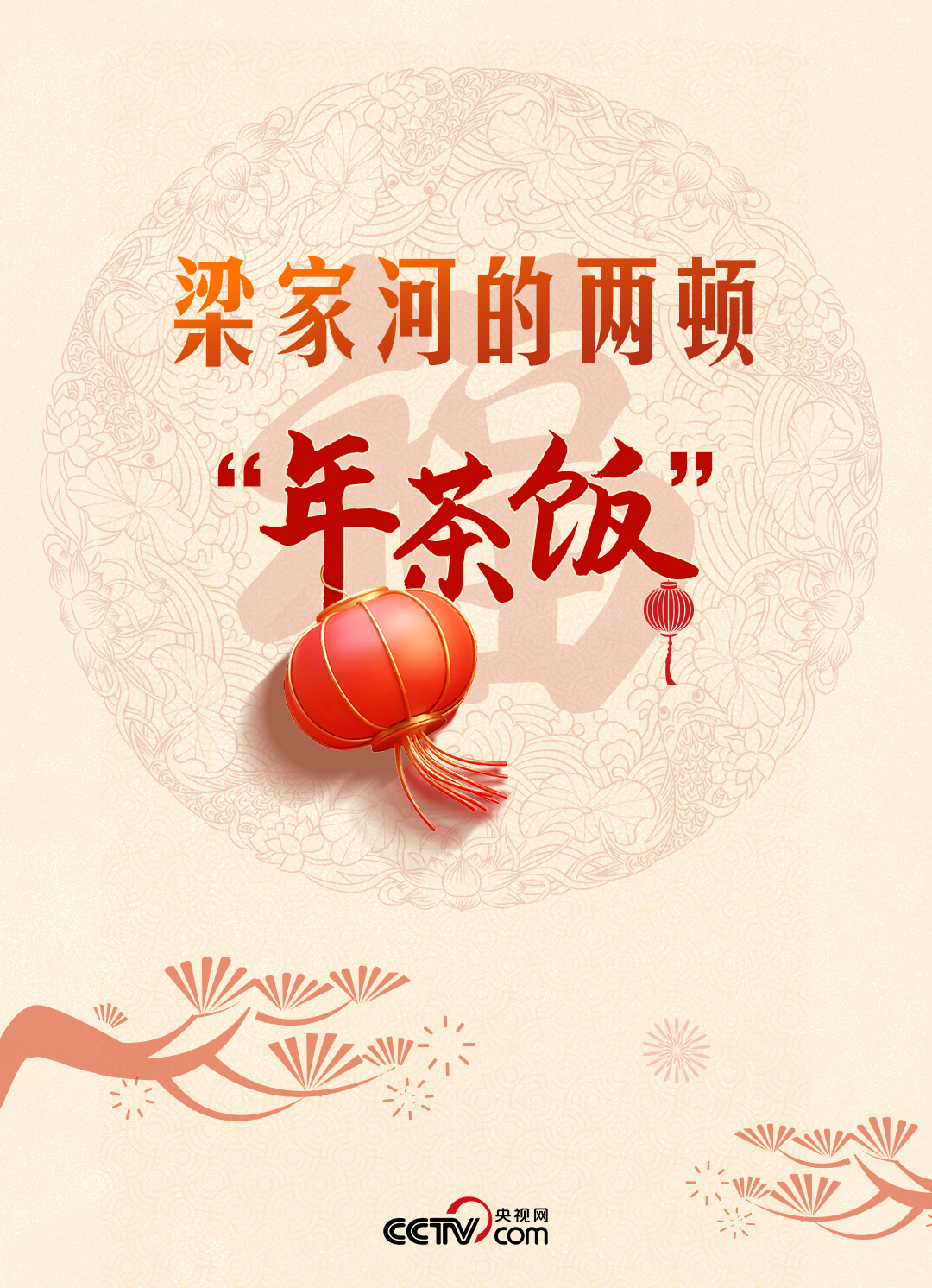
“吉”字宴冰面开席 吉林市百口“铁锅炖”免费飨客
Zhong Guo Xin Wen Wang· 2026-01-31 08:01
Core Viewpoint - The "Ji" Feast, a significant ice and snow culinary event in Jilin City, aims to attract tourists and enhance the city's reputation as a winter tourism hub, showcasing local delicacies and cultural activities [1][2]. Group 1: Event Overview - The third "Ji" Feast was held on January 31, featuring large iron pots arranged in a "Ji" shape on the ice, offering free local delicacies to visitors [1]. - Jilin City is recognized as a major destination for ice and snow tourism, known for its beautiful frost and skiing opportunities, and has been awarded as one of China's top ten ice and snow tourism cities for several consecutive years [1][2]. Group 2: Culinary Highlights - The event showcased various local dishes, including the "Three Flowers and One Island" fresh fish pot, Ula hot pot, pork stewed with vermicelli, and chicken stewed with mushrooms, attracting tens of thousands of visitors [2]. - Long queues formed at each cooking station, emphasizing the popularity of the "surrounding stove dining" experience, complemented by live performances on the main stage [2]. Group 3: Activities and Competitions - The event included diverse activities such as a badminton invitation tournament, a parade featuring unique horses and floats, ice karting, and snow tubing, enhancing the overall experience [2]. - A "dumpling eating competition" drew significant interest, with participants competing to eat the most dumplings within a set time, showcasing the festive atmosphere [5].