
山楂树下

Search documents
春节囤货新现象,为什么人们总要多拿一箱它?
Zhong Guo Shi Pin Wang· 2026-01-22 09:00
Core Viewpoint - The article highlights a shift in consumer behavior during the Chinese New Year, where health consciousness is becoming a central theme, leading to a preference for healthier beverage options like "Shan Zha Shu Xia" over traditional sugary drinks [1][2][3] Group 1: Consumer Behavior Changes - The traditional indulgence associated with the Spring Festival is being replaced by a more balanced approach to enjoyment, where consumers seek both culinary delight and health [2][3] - There is a growing trend of consumers preparing for the festive season by choosing beverages that can help balance their diet and alleviate the burden of overeating [3][4] Group 2: Product Strengths - "Shan Zha Shu Xia" stands out due to its authentic taste derived from real hawthorn, which builds consumer trust and loyalty [4][5] - The product serves as a solution for post-meal comfort, enhancing the dining experience by promoting digestion and refreshing the palate during festive meals [5] Group 3: Emotional Connection - Purchasing "Shan Zha Shu Xia" reflects a deeper emotional commitment to family health, showcasing care for all family members during the festive season [6] - The act of stocking up on this beverage transforms a traditional task into a gesture of health management and emotional warmth, indicating a more sophisticated approach to family gatherings [6]
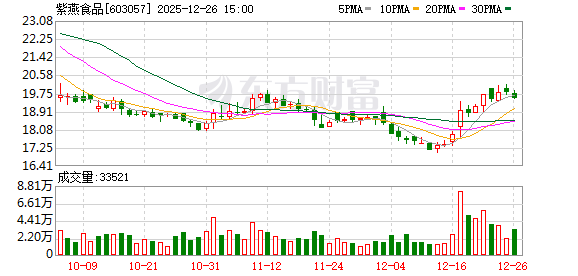
紫燕百味鸡店员偷取已付款商品,山楂树下辟谣限售|消费舆警指数
2 1 Shi Ji Jing Ji Bao Dao· 2025-12-26 07:18
Group 1 - The core viewpoint emphasizes the importance of consumer trust and brand management in the face of public opinion crises, highlighting the need for effective response strategies from companies [2] - The article discusses the establishment of a quantitative scoring mechanism for evaluating corporate responses to public opinion events, which includes four primary indicators and 14 secondary indicators [2] - The scoring system aims to provide a comprehensive analysis of companies' response speed, attitude, and effectiveness, serving as a reference for brand management and consumer perception [2] Group 2 - The incident involving Ziyuan Baiwei Chicken, where an employee was caught stealing paid products, led to a public apology and immediate corrective actions, including the termination of the employee and compensation for affected consumers [3] - The company received a comprehensive score of 73 out of 100 for its response, indicating a relatively effective management of the crisis, although some flaws in communication were noted [3][6] - The response highlighted the need for improved transparency and clarity in communication to avoid further damage to the brand's image [6] Group 3 - The "Shanzha Shuxia" incident involved rumors of regional sales restrictions, which were fueled by consumer misunderstandings and led to public outcry regarding potential discrimination [7] - Despite clarifications from customer service, the brand failed to issue an official public response, allowing the situation to escalate and resulting in a low score of 34 out of 100 for its crisis management [8][9] - The lack of proactive communication from the brand contributed to the perception of regional bias and could lead to greater brand damage if not addressed [11]


山楂树下、特仑苏“拉黑”山东? 一场短视的商业决策与信任崩塌
Sou Hu Cai Jing· 2025-12-25 08:27
Group 1 - Recent purchasing restrictions in Shandong have caused confusion among consumers, with major brands citing temporary limitations due to abnormal account activities [1] - Consumers perceive these restrictions as regional discrimination, leading to calls for boycotts and the emergence of local alternatives [1] - The issue may stem from a fraud case involving a Shandong resident exploiting refund policies, resulting in a blanket response from some merchants that unfairly affects honest consumers [1] Group 2 - Online tutorials have emerged suggesting strategies to avoid refunds, including targeting regions with high refund rates, which can harm ordinary consumers [2] - The notion of regional discrimination is criticized, emphasizing that the actions of a few should not define the integrity of the many [2] - The article advocates for understanding and not allowing precautionary measures to sever connections between consumers and brands [2]
标签新规之下:果汁“零添加”退热,“0糖”赛道迎机遇
Bei Ke Cai Jing· 2025-04-04 15:03
Core Viewpoint - The newly revised National Food Safety Standard prohibits the use of terms like "no additives" and "zero additives" on pre-packaged food labels, which will require beverage brands to modify their packaging within a two-year transition period [1][19]. Group 1: Regulatory Changes - The revised GB 7718-2025 standard disallows the emphasis on terms such as "no additives" or "zero additives" in food labeling [1][19]. - Beverage brands currently using these terms, such as "0 added color" and "0 added preservatives," will need to change their packaging to comply with the new regulations [1][19]. Group 2: Market Impact - The juice segment has been particularly affected, with many products, including those from Dazhong Supermarket and Mickey brand, prominently displaying "0 added preservatives" [4][12]. - Companies like Jiaozao City Mickey Food and Beverage Co. have products labeled with "0 added preservatives," which will need to be revised under the new standard [8][12]. Group 3: Industry Response - Beverage companies are already taking steps to comply with the new regulations, with some indicating they are researching the relevant guidelines and planning packaging changes during the two-year transition [13][19]. - Industry experts believe that the prohibition of misleading terms will encourage producers to focus on improving product quality through innovation rather than relying on label claims [19][21]. Group 4: Nutritional Claims - The new regulations do not affect the labeling of "0 sugar," "0 fat," and similar nutritional claims, which are governed by different standards [20][22]. - The distinction between "0 sugar" and "0 added sugar" is emphasized, as the latter does not imply the absence of other types of sugars [20][21]. Group 5: Future Trends - The beverage industry is expected to continue focusing on health-oriented products, with an increasing number of companies integrating health concepts into product development [23].
