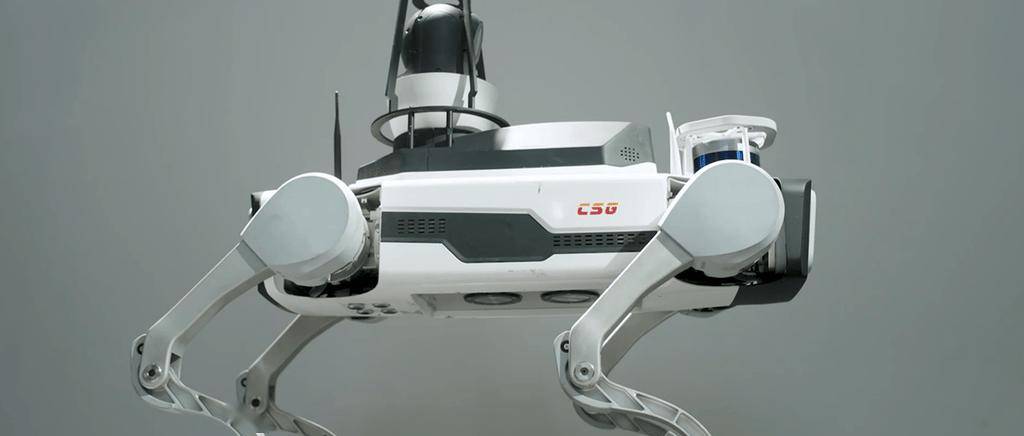
工业机械手

Search documents
京东进驻董事会,科大智能IPO前黄明松变现2.48亿
Sou Hu Cai Jing· 2026-02-03 03:32
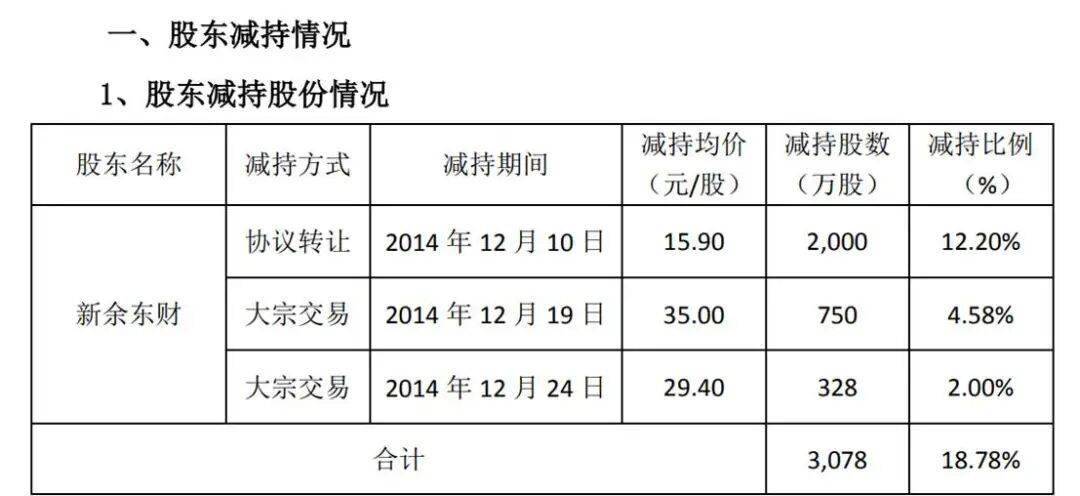
Core Viewpoint - Keda Intelligent, a company specializing in power distribution automation, is undergoing significant leadership changes and strategic moves, including a planned listing on the Hong Kong Stock Exchange and a shift in major shareholders [2][3][7]. Group 1: Leadership Changes - Wang Tingting, who has been with Keda Intelligent for nearly 19 years, became the company's president after taking over from the actual controller Huang Mingsong [1][2]. - Huang Mingsong, the former controller, has begun to reduce his shareholding in the company, which raises questions about the company's governance and future direction [8][9]. Group 2: Financial Performance - Keda Intelligent's revenue for 2023 and 2024 was reported at 3.024 billion RMB and 2.687 billion RMB, respectively, with a notable increase in revenue for the first nine months of 2025 at 1.904 billion RMB, reflecting a year-on-year growth of approximately 2211.9 million RMB [20]. - The company's primary revenue source, digital energy, contributed 2 billion RMB in 2023, 2.101 billion RMB in 2024, and 1.429 billion RMB in the first nine months of 2025 [21][22]. Group 3: Shareholder Dynamics - Prior to the listing application, Huang Mingsong reduced his stake in Keda Intelligent, with his shareholding dropping to 21.96% by the time of the application [7][9]. - The company has seen significant changes in its shareholder structure, with Anhui Dongcai no longer being a shareholder and Huang Mingsong's stake being reduced [7][8]. Group 4: Business Operations - Keda Intelligent operates in two main segments: digital energy and intelligent robotics, with the former being the more stable revenue source [19][20]. - The intelligent robotics segment has experienced fluctuations in revenue, with significant contributions from a few major clients, which raises concerns about dependency on a limited customer base [23]. Group 5: Financial Health - Trade receivables accounted for 66.3% and 67.47% of Keda Intelligent's revenue in 2023 and 2024, respectively, indicating a reliance on credit sales [26]. - The company has maintained a strong cash position, with cash and cash equivalents significantly exceeding short-term borrowings, amounting to 280 million RMB as of September 2025 [33].


科大智能赴港上市:研发投入金额和占比双下滑 智能机器人业务萎缩
Xin Lang Cai Jing· 2026-01-26 10:38
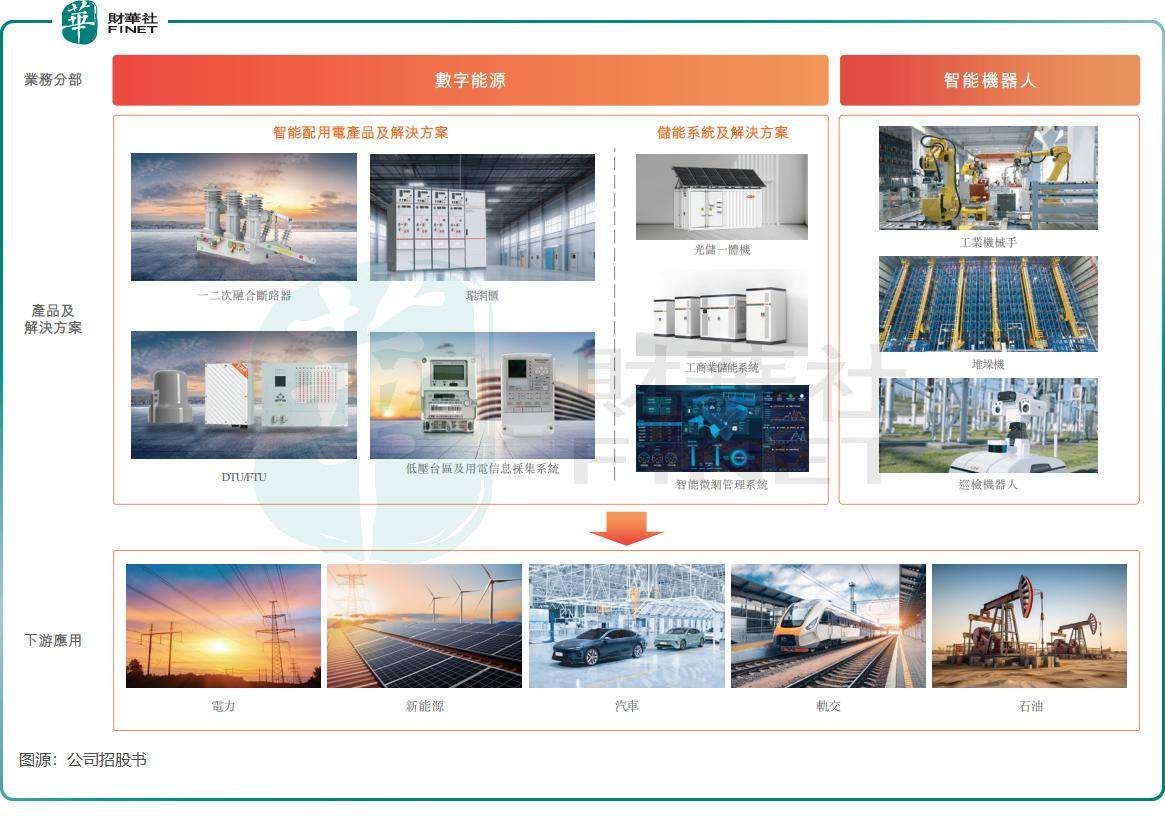
Core Viewpoint - The company Keda Intelligent has submitted an application for a dual listing on the Hong Kong Stock Exchange, aiming to expand its international presence while focusing on its core businesses in digital energy and intelligent robotics, which are considered key sectors in current technological development [1]. Group 1: Business Overview - Keda Intelligent's digital energy business is its traditional strength and primary revenue source, providing smart power distribution products and solutions to state-owned grid companies and high-energy-consuming enterprises [1]. - The company's revenue figures for the first nine months of 2023, 2024, and 2025 are 3.025 billion, 2.687 billion, and 1.904 billion respectively, with a leading position in the FTU market and a second-place ranking in the integrated circuit breaker market [1]. - In the intelligent robotics sector, Keda Intelligent supplies industrial robots and inspection robots to grid companies and large industrial clients, with cumulative revenue from industrial robots ranking first in the country from 2020 to 2024 [1]. Group 2: Research and Development Trends - There is a noticeable decline in Keda Intelligent's R&D investment, contrasting sharply with the technology industry's expectations, as the R&D expense ratio decreased from 8.6% in 2023 to 6.8% in the first nine months of 2025, and absolute R&D expenses fell from 260 million to 129 million [1][2]. - The reduction in R&D spending may hinder the company's technological innovation capabilities, particularly in the competitive intelligent robotics market against rivals like Siasun and Estun [2]. Group 3: Business Performance and Challenges - The dual business model of Keda Intelligent is unbalanced, with the digital energy segment's revenue share increasing from 66.1% in 2023 to 78.7% in the first nine months of 2025, while the intelligent robotics segment's share decreased from 33.9% to 23.3% [2]. - Revenue from the intelligent robotics business dropped from 1.024 billion in 2023 to 444 million in the first nine months of 2025, with a significant year-on-year decline of 42.8% expected in 2024 [2][3]. - The decline in the robotics business is attributed to a slowdown in the domestic industrial robot sector and the sale of subsidiaries related to robotics, which has resulted in nearly 2.3 billion in cumulative losses by September 30, 2025 [3]. Group 4: Future Outlook - Keda Intelligent is undergoing a restructuring process through a series of divestitures of non-core or underperforming subsidiaries, which has led to operational challenges [3]. - The upcoming Hong Kong listing may provide access to international capital and broader market opportunities, but the company must demonstrate its ability to establish sustainable core technological advantages beyond benefiting from policy incentives [3].

科大智能拥抱“A+H”模式:收入波动VS盈利反弹强劲下的“最优解”?
Zhi Tong Cai Jing· 2026-01-23 07:26
Core Viewpoint - The company Keda Intelligent is pursuing an IPO on the Hong Kong Stock Exchange, aiming to leverage its dual leadership in the digital energy and intelligent robotics sectors to attract investor attention and write a new growth story [1] Group 1: Business Overview - Keda Intelligent, founded in 2002, focuses on power automation and mid-voltage power line communication technology, having established a "digital energy + digital industry" strategy by 2019 [1] - The company's main business segments include digital energy, which encompasses products like circuit breakers and energy storage systems, and intelligent robotics, providing solutions for industrial clients [1] - The company was listed on the Shenzhen Stock Exchange in 2011 but has faced challenges in market performance, with a current stock price of 12.23 yuan and a market capitalization of 9.518 billion yuan as of January 22 [1] Group 2: Financial Performance - Keda Intelligent's revenue from 2023 to the first nine months of 2025 showed fluctuations: 3.025 billion, 2.687 billion (down 11.17% year-on-year), and 1.904 billion (up 1.12% year-on-year) [3] - The digital energy segment is a significant revenue contributor, accounting for 78.2% of total revenue in 2024, while the intelligent robotics segment has seen a substantial decline of 42.8% year-on-year [3] - The company's profitability has rebounded strongly, with profits of -171 million, 61.57 million, and 73.48 million from 2023 to the first nine months of 2025, reflecting a 228% year-on-year growth [3] Group 3: Market Opportunities - The digital energy sector is expected to grow significantly, with a projected market size of 1.515 trillion yuan by 2029 and a compound annual growth rate (CAGR) of 8.7% from 2024 to 2029 [5] - The industrial robotics market is also on an upward trajectory, with an anticipated market size of 166.3 billion yuan by 2029 and a CAGR of 14.6% from 2024 to 2029 [5] Group 4: Challenges - The robotics business faces intense competition and is heavily influenced by the cyclical nature of downstream industries, leading to an imbalance in the company's business structure [6] - The company has a high customer concentration, with the top five clients accounting for 51.6% of revenue, which may weaken its bargaining power and lead to revenue volatility [6] Group 5: IPO and Future Strategy - The IPO proceeds will be used to strengthen technological advantages in both digital energy and robotics, enhance global sales networks, and develop key equipment for AI and quantum technology applications [7] - The company aims to convert industry benefits from electric grid investments into solid cash flow and improve financial health while revitalizing its robotics segment to demonstrate diversification and growth potential [7]
新股前瞻|科大智能拥抱“A+H”模式:收入波动VS盈利反弹强劲下的“最优解”?
智通财经网· 2026-01-23 07:24
Core Viewpoint - The company Keda Intelligent is pursuing an IPO on the Hong Kong Stock Exchange, aiming to leverage its dual leadership in digital energy and intelligent robotics to attract investor attention and capitalize on growth opportunities in these sectors [1][7]. Group 1: Business Overview - Keda Intelligent, founded in 2002, focuses on power automation and mid-voltage power line communication technology, having established a "digital energy + digital industry" strategy by 2019 [1]. - The company's main business segments include digital energy, which encompasses products like circuit breakers and energy storage systems, and intelligent robotics, providing solutions for industrial clients [1][2]. - Keda Intelligent is recognized as a leading player in the digital energy sector, ranking second in the market for integrated circuit breakers and first in the FTU market, with significant deployments across 31 provincial regions in China [2]. Group 2: Financial Performance - The company's revenue from 2023 to the first nine months of 2025 showed volatility, with figures of 30.25 billion, 26.87 billion (down 11.17% year-on-year), and 19.04 billion (up 1.12% year-on-year) respectively [3]. - The digital energy segment accounted for 78.2% of revenue in 2024, while the intelligent robotics segment saw a significant decline of 42.8% year-on-year [3]. - Despite revenue fluctuations, the company demonstrated strong profit recovery, with profits of -1.71 billion, 615.7 million, and 734.8 million, reflecting a 228% year-on-year increase in the latest period [3]. Group 3: Market Opportunities - The digital energy sector is expected to see significant growth, with a projected market size of 15.15 trillion yuan by 2029 and a compound annual growth rate (CAGR) of 8.7% from 2024 to 2029 [5]. - The industrial robotics market is also poised for expansion, with an anticipated market size of 166.3 billion yuan by 2029 and a CAGR of 14.6% during the same period [5]. Group 4: Challenges and Strategic Focus - The company faces challenges in its robotics business due to intense competition and reliance on a few major clients, with the top five clients accounting for 51.6% of revenue [6]. - The IPO proceeds will be used to strengthen technological advantages in both business segments, enhance global sales networks, and improve operational efficiency [7]. - The company's ability to convert industry opportunities into solid cash flow and financial stability will be crucial for its investment value and growth potential [7].
左手能源右手机器人,科大智能港股IPO的底气与挑战
Sou Hu Cai Jing· 2026-01-22 06:57
Core Viewpoint - Keda Intelligent has initiated its dual listing process by submitting a prospectus to the Hong Kong Stock Exchange, aiming to leverage its position in the digital energy and intelligent robotics sectors, despite facing challenges in stock performance and industry competition [1][8]. Group 1: Business Overview - Keda Intelligent operates in two key sectors: digital energy and intelligent robotics, aligning with the trends of "new infrastructure" and "industrial intelligence" [1]. - The digital energy segment is the company's foundational business, with a product matrix that includes core devices such as integrated circuit breakers and distribution terminal units, ranking first in the FTU market and second in the integrated circuit breaker market in China [1][3]. - The intelligent robotics segment showcases the company's diversification ambitions, providing products like industrial robots and inspection robots, with the industrial robot revenue leading the market from 2020 to 2024 [3][4]. Group 2: Financial Performance - Keda Intelligent's revenue has shown significant volatility, with 2023 revenue at 3.025 billion RMB, dropping to 2.687 billion RMB in 2024, before recovering to 1.904 billion RMB in the first three quarters of 2025 [4][5]. - The company recorded a net loss of 171 million RMB in 2023, turning profitable in 2024 with a net profit of 61.57 million RMB, and further increasing to 73.48 million RMB in the first three quarters of 2025 [4][5]. - The digital energy business accounted for 78.2% of total revenue in 2024, while the intelligent robotics business saw a significant decline, with a 42.8% drop in revenue in 2024 [4][6]. Group 3: Market Challenges - The decline in the intelligent robotics segment is attributed to both industry cyclical factors and strategic adjustments, with a reported actual revenue decline of approximately 21.3% after excluding the impact of divested subsidiaries [6][7]. - Increased competition from rivals such as Siasun Robot and Estun in the AI-enabled and high-end customization sectors is further squeezing market space for Keda Intelligent [7]. Group 4: Future Opportunities - The upcoming IPO in Hong Kong presents an opportunity for Keda Intelligent to break through growth bottlenecks, with the national grid's 4 trillion RMB investment plan expected to boost demand for digital energy solutions [8]. - The intelligent robotics market is projected to reach 166.3 billion RMB by 2029, with a compound annual growth rate of 14.6% from 2024 to 2029, providing potential growth avenues for the company [8]. - The international capital platform of the Hong Kong market may assist Keda Intelligent in expanding its overseas market presence, which currently accounts for less than 2% of its revenue [8].
股价较高位跌去6成,近六年五度亏损,科大智能凭什么冲刺港股?
凤凰网财经· 2026-01-21 12:34
Core Viewpoint - The recent IPO application by Keda Intelligent reflects the structural challenges faced by AI companies in their commercialization process, amidst a backdrop of declining stock performance and profitability issues [1][5][23]. Financial Performance - Keda Intelligent's net profit margin has consistently remained below 6%, with a reported loss of 171 million RMB in 2023. Although revenue is expected to rebound to 2.687 billion RMB in 2024, it is projected to decline to 1.881 billion RMB in 2025, with an adjusted net profit margin of only 4.5% [5][12]. - The company's revenue heavily relies on a few major clients, with the largest client contributing 36% of total revenue, indicating a high risk of revenue volatility if these clients change their strategies [9][20]. R&D and Investment - There has been a noticeable reduction in R&D investment, dropping from 259 million RMB in 2023 to 194 million RMB in 2024, and further to 129 million RMB in the first three quarters of 2025, leading to a decline in R&D intensity [13][18]. - Despite having a substantial R&D team of 758 employees, which constitutes 44.2% of the total workforce, the high labor costs have not translated into improved financial performance, with Keda Intelligent experiencing losses in five out of the last six years [18][20]. Market Position and Strategy - Keda Intelligent aims to maintain its leadership in traditional business sectors, focusing on "digital energy and intelligent robotics" as dual growth drivers. The company ranks among the top ten in commercial energy storage systems and holds leading positions in industrial robotics [22]. - However, the ongoing losses in the AI sector raise concerns about whether profits from traditional hardware can offset the financial challenges faced in AI development [23]. Industry Context - The IPO application of Keda Intelligent symbolizes a shift in the AI industry from hype to a more rational approach, as companies seek sustainable business models in a challenging market environment [23].

国家电网的供应商冲击IPO,左手能源右手机器人,来自上海
3 6 Ke· 2026-01-21 10:44
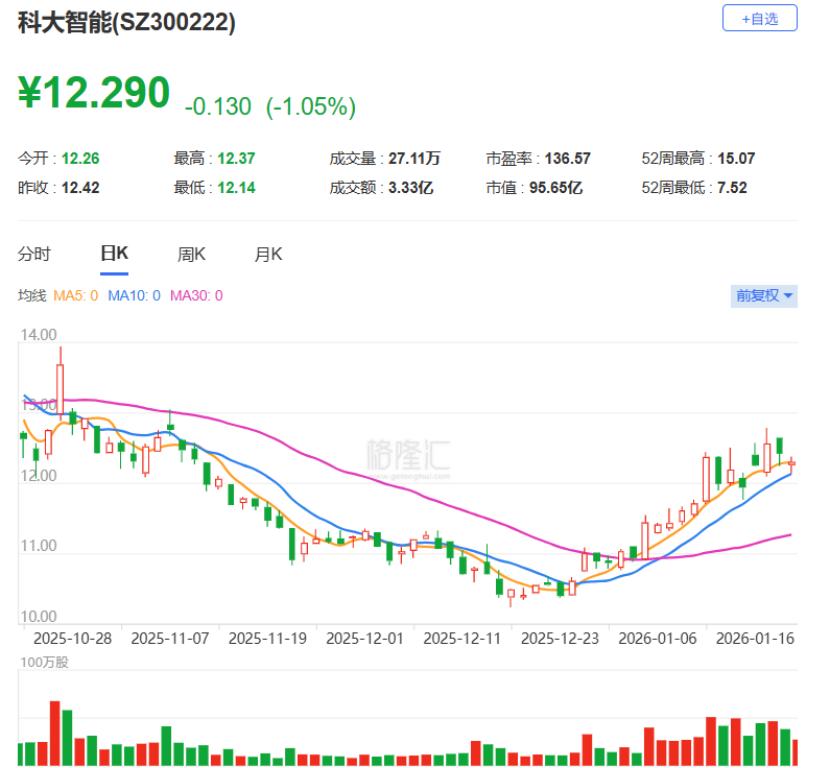
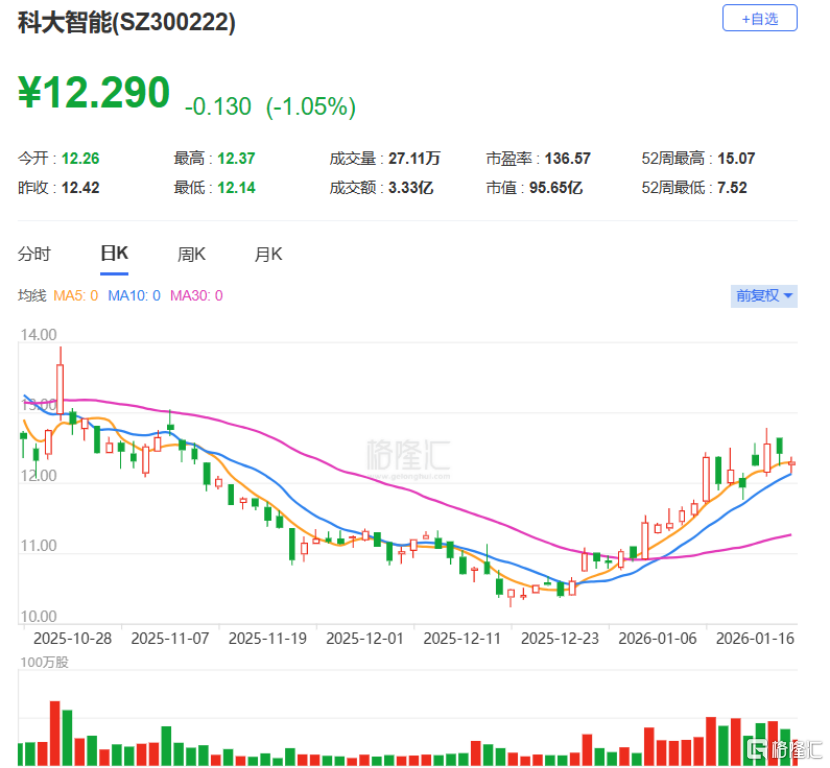
Core Viewpoint - The competition in AI between China and the US is driving significant investments in power infrastructure, with China focusing on renewable energy sources and the US tech giants facing challenges due to aging power infrastructure [1]. Group 1: Company Overview - Keda Intelligent Technology Co., Ltd. (科大智能) is seeking a dual listing on the Hong Kong Stock Exchange, having previously listed on the Shenzhen Stock Exchange in 2011 [1]. - As of January 21, 2026, Keda Intelligent's stock price was 12.29 CNY per share, with a market capitalization of 9.565 billion CNY [1]. - The company operates in two main business segments: Digital Energy and Intelligent Robotics, focusing on the digitalization and intelligent upgrade of China's energy system [10]. Group 2: Financial Performance - Keda Intelligent's revenue for 2023 was 3.025 billion CNY, with a net profit of -171 million CNY, indicating financial challenges [13]. - The revenue breakdown shows that Digital Energy accounted for 66.1% of total revenue in 2023, while Intelligent Robotics contributed 33.9% [15]. - The company has faced pressure from accounts receivable, with trade receivables amounting to 1.776 billion CNY at the end of 2023 [19]. Group 3: Market Dynamics - The digital energy sector is expected to grow significantly, with China's digital energy market projected to expand from 292.6 billion CNY in 2020 to 408.7 billion CNY by 2024, reflecting a CAGR of 8.7% [27]. - Keda Intelligent ranks second in the market for integrated circuit breakers in China, with a market share of 3.7% [30]. - The company faces competition from major players in the industry, including Nanjing Nari Technology, Pinggao Electric, and Xi'an Xidian Automation [31]. Group 4: Future Outlook - The integration of AI and digital technologies in the power sector is expected to drive demand for smart power distribution equipment, presenting growth opportunities for Keda Intelligent [22]. - The company aims to enhance its market share in the power equipment sector and expand its robotics business to achieve stable growth [32].
科大智能冲击港股IPO,左手能源右手机器人,面临应收账款的压力
Ge Long Hui· 2026-01-21 09:22
Group 1 - The core idea of the news is that the competition in AI between China and the US is driving significant investments in power infrastructure, with both countries focusing on renewable energy sources and the need for upgraded power grids [1] - The US faces challenges with its aging power infrastructure, as 80% of its transformers are imported and many are outdated, necessitating urgent upgrades [1] - The demand for smart grid equipment is experiencing a resurgence due to the needs of the AI industry, leading to companies like Keda Intelligent Technology Co., Ltd. seeking dual listings in Hong Kong [2] Group 2 - Keda Intelligent has been listed on the ChiNext board since 2011, with a current market capitalization of approximately 9.565 billion RMB and a stock price of 12.29 RMB per share as of January 21, 2026 [2][3] - The company operates in two main business segments: digital energy and intelligent robotics, focusing on integrating AI technology into China's energy system [13][14] - Keda Intelligent's revenue has fluctuated in recent years, with reported revenues of 3.025 billion RMB in 2023, 2.687 billion RMB in 2024, and 1.904 billion RMB for the first nine months of 2025 [17][19] Group 3 - The company's gross profit margins have shown improvement, with rates of 20.8% in 2023, 23.8% in 2024, and 24.0% in the first nine months of 2025 [17] - Keda Intelligent's revenue composition indicates that digital energy accounted for 66.1% of total revenue in 2023, while intelligent robotics contributed 33.9% [19] - The company faces challenges with accounts receivable, with trade receivables amounting to 1.776 billion RMB at the end of 2023, and an average collection period of around 210 days [23] Group 4 - The digital energy sector is projected to grow significantly, with the market size expected to increase from 292.6 billion RMB in 2020 to 408.7 billion RMB by 2024, reflecting a CAGR of 8.7% [32] - Keda Intelligent ranks second in the Chinese market for integrated circuit breakers and first in the market for FTUs, indicating a strong competitive position in the digital energy sector [35][36] - The company is also experiencing high inventory levels, with stock amounting to 1.052 billion RMB as of September 2025, and inventory turnover days exceeding six months [24]
【IPO前哨】左手能源右手机器人,科大智能港股IPO的底气与挑战
Sou Hu Cai Jing· 2026-01-21 02:29
Core Viewpoint - Keda Intelligent has initiated its dual listing process on the Hong Kong Stock Exchange after 15 years on the A-share market, aiming to leverage its position in the digital energy and intelligent robotics sectors, despite facing challenges in business adjustments and industry competition [2]. Group 1: Business Overview - Keda Intelligent operates in two key sectors: digital energy and intelligent robotics, aligning with the trends of "new infrastructure" and "industrial intelligence" [3]. - The digital energy segment is the company's foundational business, with a product matrix that includes core devices such as integrated circuit breakers and distribution terminal units. The company ranks first in the FTU market and second in the integrated circuit breaker market in China [3]. - In the intelligent robotics sector, Keda Intelligent provides products like industrial robots and inspection robots, achieving the highest cumulative revenue in the industrial robot market from 2020 to 2024 [5]. Group 2: Financial Performance - Keda Intelligent's revenue has shown significant volatility, with 2023 revenue at 3.025 billion RMB, dropping to 2.687 billion RMB in 2024, and recovering to 1.904 billion RMB in the first three quarters of 2025 [6][7]. - The company recorded a net loss of 171 million RMB in 2023, turning profitable in 2024 with a net profit of 61.57 million RMB, and further increasing to 73.48 million RMB in the first three quarters of 2025 [6]. - The digital energy business accounted for 78.2% of total revenue in 2024, while the intelligent robotics segment saw a significant decline, with a 42.8% drop in revenue in 2024 [6][7]. Group 3: Market Challenges - The decline in the intelligent robotics business is attributed to both industry cycles and strategic adjustments, with a 21.3% actual revenue drop when excluding the impact of divested subsidiaries [8]. - Increased competition from companies like Siasun Robot and Estun in the AI-enabled and high-end customization sectors is further squeezing market space for Keda Intelligent [8]. Group 4: Future Prospects - The upcoming IPO in Hong Kong presents both opportunities and challenges for Keda Intelligent, with the potential to benefit from the 4 trillion RMB investment plan by the State Grid, which is expected to drive demand for digital energy solutions [9]. - The international capital platform of the Hong Kong market may help the company expand its overseas market presence, which currently accounts for less than 2% of its revenue [10]. - The company views the Hong Kong listing as a new starting point for strategic upgrades, focusing on enhancing R&D, optimizing business structure, and expanding market space to achieve a dual-driven growth model [10].
A股上市机器人公司,闯关港交所
Sou Hu Cai Jing· 2026-01-20 11:28
Core Viewpoint - Keda Intelligent has submitted its prospectus to the Hong Kong Stock Exchange, aiming to leverage its dual-driven model of digital energy and intelligent robotics to enhance China's energy system and industrial manufacturing transformation [2][4]. Financial Performance - For the first nine months of 2023, 2024, and 2025, Keda Intelligent reported revenues of 30.25 billion RMB, 26.87 billion RMB, and 19.03 billion RMB, respectively. The gross profits were 28 billion RMB, 6.40 billion RMB, and 4.57 billion RMB, with gross margins of 20.8%, 23.8%, and 24% [7]. - The net profits for the same periods were 1.70 billion RMB, 615.7 million RMB, and 734.8 million RMB [7]. - R&D expenses for the first nine months were 2.60 billion RMB, 1.94 billion RMB, and 1.29 billion RMB [9]. Business Segments - Keda Intelligent operates in two main segments: Digital Energy and Intelligent Robotics. - **Digital Energy**: Revenue from this segment for the first nine months of 2023, 2024, and 2025 was 20 billion RMB, 21.01 billion RMB, and 14.60 billion RMB, accounting for 66.1%, 78.2%, and 78.7% of total revenue [13]. - **Intelligent Robotics**: Revenue from this segment was 10.24 billion RMB, 5.86 billion RMB, and 4.44 billion RMB, representing 33.9%, 21.8%, and 23.3% of total revenue [16]. Geographic Revenue Distribution - Over 90% of Keda Intelligent's revenue comes from mainland China, with contributions of 30.14 billion RMB, 26.58 billion RMB, and 18.79 billion RMB for the respective years, accounting for 99.6%, 98.9%, and 98.7% of total revenue [18]. Customer Concentration - Revenue from the top five customers was 12.38 billion RMB, 11.91 billion RMB, and 9.84 billion RMB, making up 40.8%, 44.4%, and 51.6% of total revenue [20]. The largest single customer contributed 23.5%, 32.3%, and 36.0% of total revenue in the respective years [20]. Shareholding Structure - The chairman, Huang Mingsong, holds 21.96% of the shares, making him the largest single shareholder, while other A-share shareholders hold 78.04% [24]. Industry Outlook - The industrial intelligent robotics market is expected to grow significantly, with the domestic market size projected to increase from 45 billion RMB to 84 billion RMB from 2020 to 2024, reflecting a compound annual growth rate of 16.9% [27]. The global market is also anticipated to grow from 94.3 billion RMB to 172.6 billion RMB during the same period, with a CAGR of 16.5% [27].